What Is a Portable Dust Collector and How Does It Work?
In industrial and workshop environments, managing airborne particles is crucial for health, safety, and equipment longevity. Portable dust collectors offer a flexible and effective solution for capturing dust, fumes, and other particulate matter directly at the source. Unlike large, fixed systems, these mobile units provide targeted dust control, making them indispensable for a wide range of applications. This guide delves into what a portable dust collector is, how it operates, and the significant benefits it brings to various industries.
Understanding Portable Dust Collectors
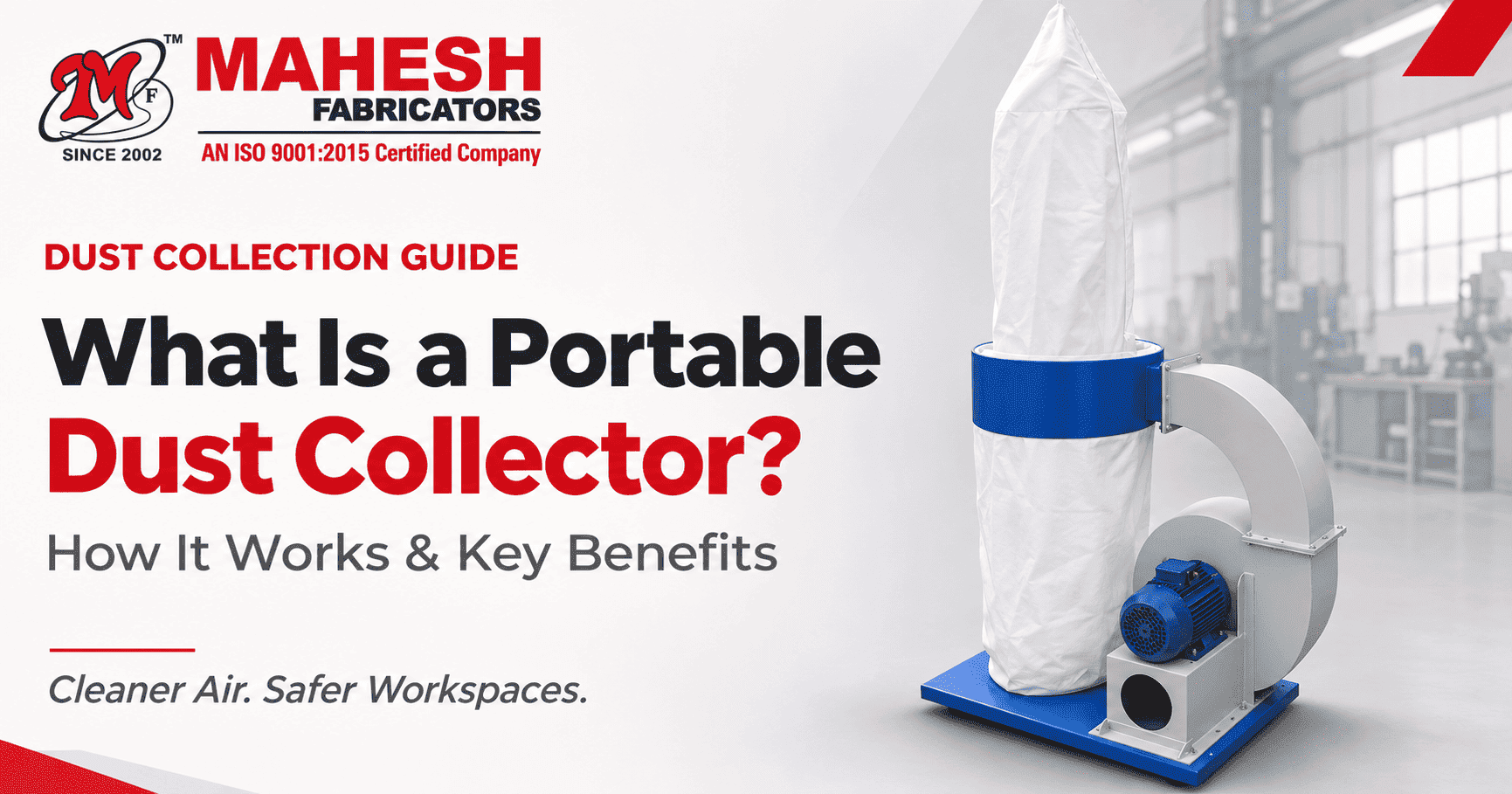
A portable dust collector is a self-contained, mobile filtration system designed to capture airborne contaminants generated during various processes. These units are engineered for localized extraction, meaning they are placed near the source of dust or fume generation, such as a grinding wheel, welding station, or woodworking machine. By drawing in contaminated air through a nozzle or hood and passing it through a series of filters, they effectively trap particles and release cleaner air back into the environment or vent it safely.
The primary goal of a portable dust collector is to prevent dust and fumes from becoming airborne and spreading throughout the workspace. This not only improves the air quality for workers, reducing the risk of respiratory issues and other health problems, but also helps protect sensitive machinery from abrasive dust particles, extending their lifespan and reducing maintenance costs.
Key Functionality
Portable dust collectors operate on a simple yet effective principle: localized suction and filtration. They create a negative pressure zone around the contaminant source, pulling airborne particles into the unit. Inside, these particles are subjected to a filtration process that separates them from the air before it is exhausted.
How Does a Portable Dust Collector Work?
The operational mechanism of a portable dust collector involves several key stages:
- Air Intake: A fan or blower motor creates suction, drawing ambient air containing dust or fumes into the unit through a capture hood, nozzle, or ducting.
- Pre-Filtration (Optional): Some systems may include a pre-filter or a primary separation stage, such as a cyclone separator or baffled chamber. This stage removes larger particles, reducing the load on the main filters and extending their life. Cyclone collectors, for instance, use vortex flow and centrifugal force to separate heavier dust particles, directing them to a collection bin.
- Main Filtration: The air then passes through specialized filters. Common types include PTFE membrane filters, cartridge filters, or fabric filter bags. These filters are designed to capture fine particulate matter with high efficiency. The choice of filter material and type depends on the nature and size of the particles being collected.
- Air Exhaust: After passing through the filters, the cleaned air is expelled from the unit. In many applications, this clean air can be recirculated back into the workspace, contributing to a more energy-efficient operation. In situations where the contaminants are hazardous or have strong odors, the air may be vented outside the facility.
- Dust Collection: The captured dust accumulates in a collection bin or bag at the bottom of the unit, making it easy to remove and dispose of safely.
The effectiveness of the dust collector is determined by its airflow capacity (measured in Cubic Feet per Minute - CFM) and the efficiency of its filtration system. For optimal performance, the capture hood or nozzle must be positioned as close as possible to the source of dust generation to maximize contaminant capture.
Applications and Use Cases
Mahesh Fabricators provides a range of portable dust collectors suitable for diverse industrial applications where managing airborne dust and fumes is critical. Their units are designed to handle various challenging environments and processes:
Grinding and Polishing
Capture abrasive dust generated during metal grinding and polishing operations, maintaining a clean work area and protecting worker health.
Soldering and Welding
Effectively extract hazardous fumes and particulate matter produced during soldering and welding, ensuring compliance with air quality standards.
Woodworking
Collect sawdust and fine wood particles from saws, sanders, and other woodworking machinery, creating a safer and cleaner environment for carpenters and woodworkers.
CNC and VMC Machines
Manage dust and chips generated by CNC and Vertical Machining Centers (VMC), protecting the machinery and maintaining operational efficiency.
Food and Chemical Industries
Control fine dust particles in food processing and chemical handling environments, ensuring product purity and worker safety.
General Industry & Construction
Provide versatile dust collection for various general industrial tasks, including floor dust collection and applications in cement and steel industries.
Key Benefits of Using Portable Dust Collectors
Implementing a portable dust collector offers numerous advantages for businesses across various sectors:
- Improved Air Quality: Directly captures pollutants at the source, significantly reducing airborne dust and fumes, leading to a healthier working environment.
- Enhanced Worker Safety: Minimizes exposure to hazardous dust and fumes, reducing the risk of respiratory diseases and other occupational health issues.
- Equipment Protection: Prevents abrasive dust particles from settling on and damaging sensitive machinery, thereby increasing equipment lifespan and reducing maintenance costs.
- Mobility and Flexibility: Their portable design allows them to be easily moved between workstations or job sites, offering localized dust control exactly where it's needed.
- Compliance: Helps businesses meet occupational health and safety regulations regarding air quality and dust exposure.
- Cost-Effectiveness: Offers an affordable solution for dust control compared to large, stationary systems, especially for smaller workshops or operations with variable workstations.
- Cleanliness and Tidiness: Contributes to a generally cleaner and more organized workspace, improving overall productivity and employee morale.
Choosing the Right Portable Dust Collector
Selecting the appropriate portable dust collector is crucial for ensuring effective dust control and maximizing return on investment. Consider the following factors:
Factors to Consider:
- Application Type: Identify the specific process generating dust or fumes (e.g., welding, grinding, woodworking). This will influence the required airflow and filtration type.
- Airflow Requirements (CFM): Determine the necessary airflow rate to effectively capture contaminants at the source. This often depends on the size of the capture hood and the nature of the dust.
- Filtration Efficiency: Assess the type and size of particles to be captured. Higher efficiency filters (e.g., HEPA, or specific media like PTFE) may be needed for very fine or hazardous particles.
- Portability and Size: Evaluate the unit's weight, dimensions, and mobility features (e.g., casters) to ensure it can be easily moved to where it's needed.
- Noise Level: Consider the operational noise level, especially if the unit will be used in confined spaces or areas where noise regulations apply.
- Power Requirements: Ensure the unit's power needs are compatible with the available electrical supply.
- Durability and Construction: Look for robust construction materials that can withstand the industrial environment.
- Bag/Filter Maintenance: Consider how easy it is to access and replace filters and empty the dust collection bin.
It's important to note that portable dust collectors are generally not suitable for highly explosive dusts or solvent fumes, which require specialized explosion-proof or fume extraction systems.
Mahesh Fabricators: Your Partner in Air Pollution Control
As an ISO 9001-2015 certified company established in 2002, Mahesh Fabricators is a leading manufacturer of industrial air pollution control equipment. We understand the critical importance of clean air in industrial settings. Our range of portable dust collectors is designed to meet the diverse needs of modern industries, offering robust performance and reliable operation. We provide solutions from 1 HP to 10 HP, available in single, double, and four-bag configurations to suit varying dust collection volumes and filtration requirements.
Our portable dust collectors are trusted in demanding sectors such as chemical, food, pharmaceutical, steel, nonferrous, cement, and general industries. Whether you need a solution for specific applications like CNC machines, woodworking, welding, or general floor dust control, Mahesh Fabricators has a tailored solution to enhance your workplace safety and efficiency.
Request Your Customized Dust Collection Solution
Ready to improve your workplace air quality? Contact Mahesh Fabricators today to discuss your specific dust collection needs. Our expert team can help you select the ideal portable dust collector for your application, ensuring optimal performance and compliance.
Get a QuoteFrequently Asked Questions (FAQ)
What is the primary function of a portable dust collector?
The primary function of a portable dust collector is to capture airborne dust, fumes, and particulate matter at its source of generation, preventing it from spreading into the work environment. This improves air quality, worker health, and protects machinery.
Are portable dust collectors suitable for all types of dust?
Portable dust collectors are effective for many common industrial dusts. However, they are generally not suitable for explosive dusts or highly flammable solvent fumes, which require specialized equipment.
How does a portable dust collector differ from a central system?
Portable dust collectors are mobile and designed for localized extraction at specific workstations. Central dust collection systems are fixed installations that typically serve multiple points or an entire facility through a network of ducts.
What factors should I consider when selecting a portable dust collector?
Key factors include the type of application, required airflow (CFM), filtration efficiency needed for particle size, portability, noise level, power requirements, and ease of maintenance for filters and dust collection bins.
Can clean air from a portable dust collector be recirculated?
Yes, in many cases, the filtered air can be recirculated back into the workspace. This is common when the dust is non-hazardous and helps in conserving energy, especially in climate-controlled environments.
Conclusion
Portable dust collectors are vital tools for maintaining a safe, healthy, and efficient working environment. By effectively capturing dust and fumes at the source, they offer significant benefits ranging from improved air quality and worker well-being to enhanced equipment longevity. Understanding how these units work and carefully selecting the right model based on specific application needs ensures optimal performance and a productive workplace. Mahesh Fabricators, with its extensive experience and commitment to quality, offers reliable portable dust collection solutions tailored to diverse industrial requirements.