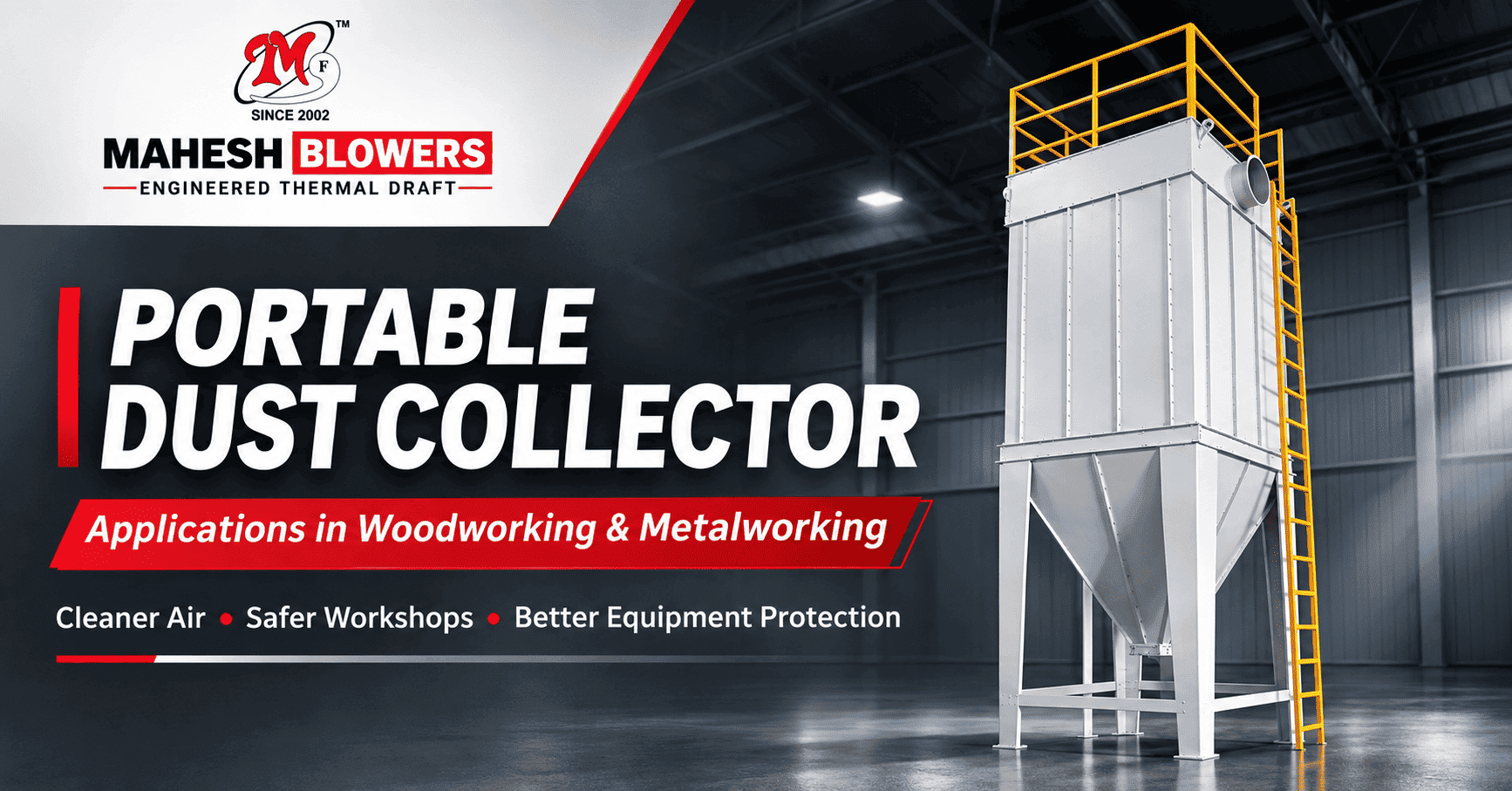
Portable Dust Collector Applications in Woodworking & Metalworking
In the demanding environments of woodworking and metalworking, managing airborne dust and debris is not just a matter of cleanliness; it's a critical aspect of safety, equipment longevity, and regulatory compliance. Portable dust collectors have emerged as indispensable tools, offering flexible and efficient solutions for capturing contaminants at the source. These units play a pivotal role in maintaining healthier workspaces and protecting valuable machinery. This guide delves into the diverse portable dust collector applications within these two key industries, highlighting their benefits, selection criteria, and the importance of choosing reliable equipment.
Understanding Portable Dust Collectors
A portable dust collector is a self-contained unit designed to capture and filter airborne dust and particulate matter generated during various industrial processes. Unlike large, fixed central systems, portable units are characterized by their mobility, compact size, and ability to be moved easily between workstations or job sites. This portability makes them exceptionally versatile for operations that may not have the space or need for a permanent installation, or for supplementary dust control where a central system falls short.
These collectors typically consist of a motor, fan, filter system (often including high-efficiency particulate air or HEPA filters), and a collection bin or bag. The fan creates a vacuum that draws dusty air into the unit, where it passes through the filtration media, trapping the particles before clean air is exhausted. Many modern portable dust collectors also feature advanced pre-separation technologies, such as cyclonic separation, to remove larger debris before it reaches the main filters, thereby extending filter life and maintaining optimal airflow.
Key Applications in Woodworking
Woodworking processes, from cutting and sanding to routing and finishing, generate significant amounts of fine dust. This dust can not only pose respiratory health risks to operators but also accumulate on machinery, leading to overheating, reduced efficiency, and increased wear. Portable dust collectors offer targeted solutions:
- Sanding Operations: Whether using orbital sanders, belt sanders, or handheld sanders, portable units can be connected directly to the sander's dust port to capture fine particles at the point of generation, significantly reducing airborne dust levels and the need for extensive cleanup.
- Small Woodworking Machines: For individual machines like table saws, mitre saws, routers, or planers, a portable dust collector can provide dedicated dust extraction, especially in smaller workshops or for specific tasks where a central system might be impractical.
- On-Site Woodworking: For carpenters, cabinet makers, or furniture restorers working at client locations, a portable dust collector ensures that dust is contained, maintaining a cleaner work environment and demonstrating professionalism.
- Dusty Corners and Cleanup: While primarily for extraction, their portability also aids in quick cleanup of sawdust and shavings from floors and surfaces after a job is complete.
In woodworking, capturing respirable fines – the smallest and most harmful particles – at their source is particularly effective with portable systems, especially in single-room operations or when working with a single machine.
Key Applications in Metalworking
Metalworking generates dust and fumes from processes like grinding, cutting, welding, and polishing. These particles can be hazardous and abrasive. Portable dust collectors are instrumental in managing these contaminants:
- Grinding and Polishing: Portable units can be used at grinding stations or with handheld grinders to capture metal dust, sparks (with appropriate safety features), and abrasive residue, protecting workers and preventing contamination of sensitive equipment.
- Welding Fumes: While specialized welding fume extractors are often preferred for heavy-duty applications, portable dust collectors with appropriate filters can be used for light welding tasks or in areas where fume extraction is needed temporarily.
- Cutting and Machining: Smaller metal cutting operations or bench-top machinery can benefit from the localized dust capture provided by portable collectors, preventing metal chips and dust from becoming airborne.
- Machine Shops: In job shops or maintenance areas, portable dust collectors offer flexible dust management for various machines, from lathes to milling machines, ensuring a cleaner and safer working environment.
- Powder Coating Booths: Portable units can assist in capturing overspray and dust within or around small powder coating setups.
For metalworking, considerations such as spark resistance and appropriate filtration for fine metallic dust are crucial when selecting a portable dust collector.
Practical Benefits of Portable Dust Collectors
The advantages of integrating portable dust collectors into woodworking and metalworking operations are manifold:
Improved Air Quality
Effectively captures dust and fine particles at the source, significantly reducing airborne contaminants and creating a healthier environment for workers.
Enhanced Safety
Minimizes respiratory hazards and reduces the risk of combustible dust igniting, especially important in woodworking. Also reduces slip hazards from dust accumulation.
Equipment Protection
Prevents abrasive dust and debris from settling on machinery, reducing wear, overheating, and costly maintenance or premature failure.
Flexibility & Mobility
Easily moved between different machines, workstations, or job sites, offering dust control where and when it's needed most without fixed infrastructure.
Cost-Effectiveness
Often more economical than large central systems, especially for smaller workshops or specialized applications. Reduced cleanup time also boosts productivity.
Regulatory Compliance
Helps businesses meet health, safety, and environmental regulations concerning dust emissions and workplace air quality.
Choosing the Right Portable Dust Collector
Selecting the appropriate portable dust collector requires careful consideration of your specific needs and operating conditions. Here are key factors to evaluate:
Essential Features to Consider:
- Airflow Capacity (CFM): Ensure the collector can provide sufficient Cubic Feet per Minute (CFM) to effectively capture dust from your machines. This should be considered alongside static pressure.
- Static Pressure: This indicates the collector's ability to maintain airflow through ducting and filters. Higher static pressure is needed for longer duct runs or more restrictive filters.
- Filtration Efficiency: Look for units with high-efficiency filters, ideally HEPA-rated, to capture the finest, most hazardous particles. Check the micron rating the filter can handle.
- Portability and Size: Assess the weight, dimensions, and ease of maneuverability. Does it have sturdy casters? Can it fit through doorways and around equipment?
- Durability and Construction: A robust build quality ensures longevity, especially in demanding workshop environments. Look for quality materials and solid construction.
- Ease of Maintenance: Consider how easy it is to empty the dust collection bin, clean or replace filters, and perform general upkeep. Features like pulse-jet cleaning can be beneficial.
- Noise Level: In enclosed spaces, the operational noise level can be a factor for worker comfort and compliance.
- Safety Features: For metalworking, consider features like spark arrestors if grinding operations are common. Proper grounding is also essential for preventing static discharge.
Buyer Insight:
Don't just look at the maximum CFM rating. Consider the delivered CFM at the static pressure your system will operate under. A higher rated CFM machine might struggle if it can't overcome the resistance from hoses and filters.
Questions to Ask Before Buying:
What types of dust will I be collecting?
Different dusts (wood, metal, plastic) have different characteristics and hazards. Ensure the filter type and collector design are suitable for your specific materials.
How far will the dust need to travel to the collector?
Longer duct runs and multiple bends increase static pressure, requiring a collector with higher static pressure capability.
How often will the dust collection bin need to be emptied?
Consider the capacity of the collection bin relative to the volume of dust generated by your operations.
Are there specific safety requirements for my industry (e.g., spark resistance)?
Ensure the unit meets any industry-specific safety standards or requirements pertinent to the materials you work with.
Mahesh Fabricators: Your Partner in Air Pollution Control
Founded in 2002 and proudly ISO 9001-2015 Certified, Mahesh Fabricators is a dedicated manufacturer of Industrial Air Pollution Control Equipment. Based in Ahmedabad, Gujarat, India, the company possesses extensive experience in designing and producing solutions that enhance industrial environments. Their product portfolio includes a robust 'Portable Dust Collector' specifically engineered to address the challenges of dust management in sectors like woodworking, metalworking, foundries, and more.
Mahesh Fabricators understands the critical need for effective dust collection in maintaining operational efficiency, workplace safety, and environmental responsibility. They leverage their manufacturing expertise to deliver reliable equipment that helps industries control airborne contaminants at the source. Beyond portable dust collectors, their range of industrial fans, blowers, and related accessories further demonstrates their comprehensive approach to air quality management.
For businesses seeking dependable and efficient dust collection solutions tailored to the demands of woodworking and metalworking, Mahesh Fabricators offers quality products backed by industry certification and manufacturing excellence.
Frequently Asked Questions (FAQ)
What is the primary purpose of a portable dust collector in woodworking?
The primary purpose is to capture fine wood dust and shavings at the source during operations like sanding, cutting, and routing, thereby improving air quality, protecting worker health, and preventing dust accumulation on machinery and surfaces.
Can portable dust collectors be used for metal grinding dust?
Yes, portable dust collectors can be used for metal grinding dust. It's important to ensure the unit has appropriate filtration for metallic particles and, where necessary, features like spark arrestors for safety.
What does CFM mean in relation to dust collectors?
CFM stands for Cubic Feet per Minute. It measures the volume of air the dust collector can move. A higher CFM generally indicates greater dust-capturing power, but it must be considered alongside static pressure for effective performance.
Why is HEPA filtration important for dust collectors?
HEPA (High-Efficiency Particulate Air) filters are crucial because they can capture at least 99.97% of airborne particles 0.3 microns in size. This is vital for trapping the smallest, most hazardous dust particles generated in woodworking and metalworking.
Are portable dust collectors suitable for small workshops?
Absolutely. Portable dust collectors are ideal for small workshops, individual machine dust extraction, or operations where a large, central dust collection system is not feasible or cost-effective.
Ready to Enhance Your Workshop Safety?
Invest in a cleaner, safer, and more productive work environment with a reliable portable dust collector. Whether you're in woodworking or metalworking, managing dust effectively is key. Contact Mahesh Fabricators today to learn more about their range of Industrial Air Pollution Control Equipment and find the right solution for your needs.
Explore Solutions from Mahesh Fabricators