Industrial Air Circulation System
In the complex and demanding landscape of modern industry, maintaining optimal air quality, temperature, and ventilation is not just a matter of comfort—it's a fundamental necessity for safety, efficiency, and product integrity. Industrial Air Circulation Systems are the silent guardians that ensure these conditions are met, playing a pivotal role in everything from dust control in manufacturing plants to ensuring fresh air in food processing facilities. Understanding these systems, their applications, and how to choose the right one is crucial for any industrial operation aiming for peak performance and compliance. This guide delves into the essential aspects of industrial air circulation, highlighting its importance and how solutions from experienced manufacturers like Mahesh Fabricators can significantly benefit your operations.
What is an Industrial Air Circulation System?
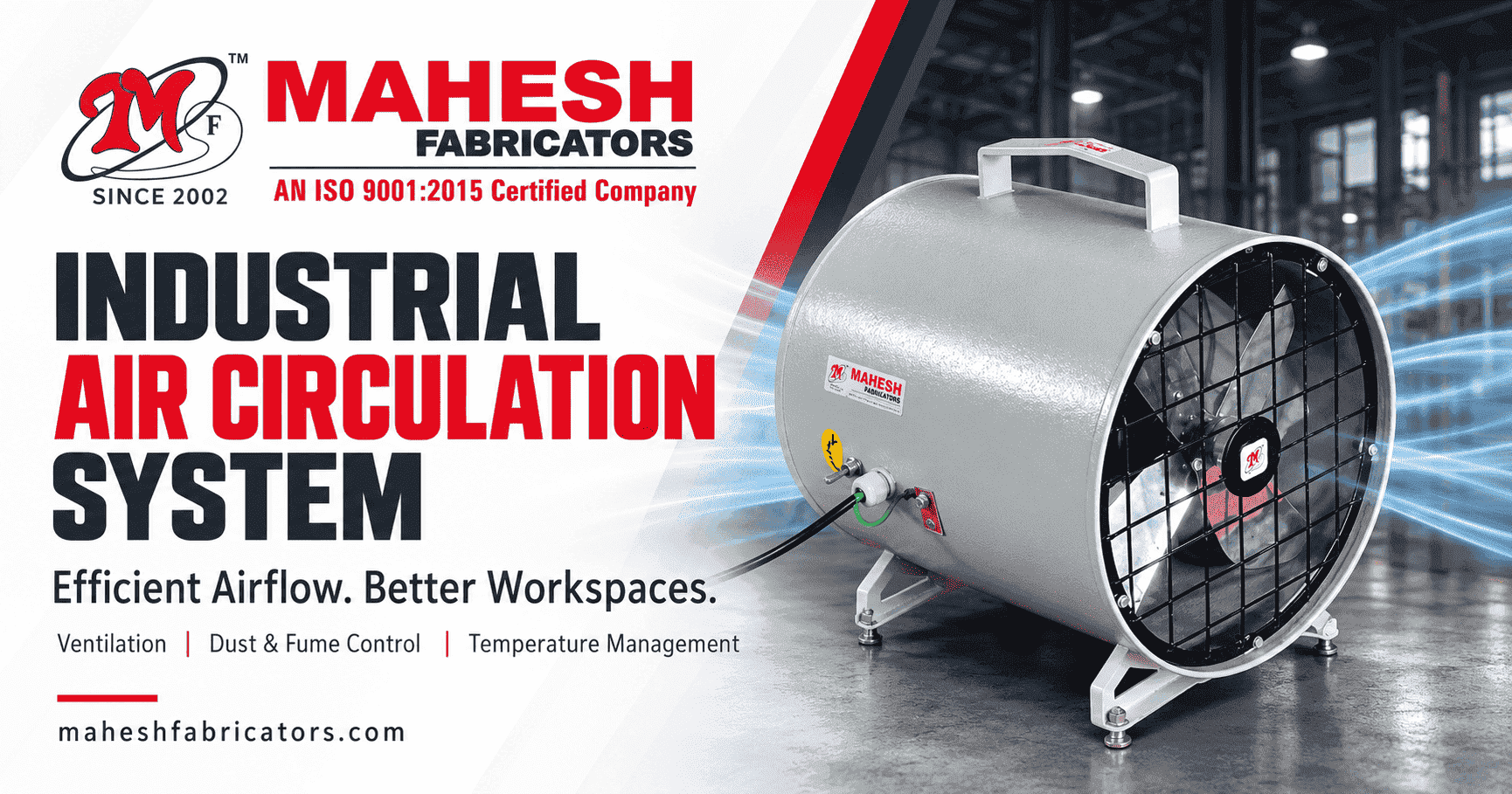
An Industrial Air Circulation System is a sophisticated network of equipment designed to move, condition, and control the air within an industrial environment. Its primary function is to ensure a consistent and appropriate flow of air, which is vital for several reasons:
- Ventilation: Replacing stale or contaminated indoor air with fresh outdoor air.
- Temperature Control: Distributing heated or cooled air to maintain a comfortable and productive working temperature.
- Pollution Control: Capturing and removing airborne contaminants such as dust, fumes, smoke, and volatile organic compounds (VOCs) at their source or from the general atmosphere.
- Humidity Management: Controlling moisture levels to protect products, machinery, and the health of workers.
These systems are engineered to handle the rigorous demands of industrial settings, often involving large volumes of air, high temperatures, corrosive elements, or significant particulate matter. They are integral to maintaining a safe, healthy, and efficient workplace.
Applications and Use Cases
The versatility of industrial air circulation systems means they are indispensable across a wide spectrum of industries. Effective air management is critical for various operational needs:
Textile Manufacturing
Managing dust, lint, and maintaining optimal temperature and humidity for fiber processing and weaving.
Iron and Steel Foundries
Extracting high-temperature fumes and dust generated during metal casting and processing.
Chemical Processing
Controlling hazardous fumes, ensuring safe working environments, and managing air purity.
Food & Beverage / Hospitality
Providing fresh air, removing cooking odors and grease in commercial kitchens and processing plants.
Ceramics and Cement Production
Controlling dust generated from raw material handling and processing, and ensuring adequate ventilation.
Pharmaceuticals
Maintaining cleanroom environments with filtered air and controlling airborne contaminants.
Woodworking and Plywood Manufacturing
Capturing sawdust and wood particulates to maintain air quality and prevent fire hazards.
Key Benefits of Effective Air Circulation
Implementing a robust industrial air circulation system yields significant advantages, impacting both operational efficiency and the well-being of the workforce:
- Improved Worker Health and Safety: By removing harmful dust, fumes, and gases, these systems reduce respiratory risks and create a safer working environment, minimizing accidents caused by poor visibility or hazardous air conditions.
- Enhanced Product Quality: Consistent air quality and temperature control prevent contamination, spoilage, or defects in manufactured goods, especially critical in industries like pharmaceuticals, food processing, and electronics.
- Increased Productivity: A comfortable working temperature and clean air environment reduce worker fatigue, leading to better focus and higher output. Efficient systems also ensure machinery operates within optimal temperature ranges, preventing breakdowns.
- Regulatory Compliance: Many industries have strict environmental and occupational health regulations. Effective air circulation systems help businesses meet these standards, avoiding fines and legal issues.
- Reduced Equipment Wear: By removing abrasive dust and controlling temperature, these systems protect sensitive machinery and equipment from premature wear and tear, extending their lifespan and reducing maintenance needs.
- Energy Efficiency: Modern systems can be designed for optimal energy use, recovering heat where appropriate and ensuring only necessary air is conditioned or moved, contributing to lower operational costs.
Choosing the Right Industrial Air Circulation System
Selecting the appropriate air circulation system is a critical decision that requires careful consideration of your specific industrial needs. Mahesh Fabricators, with its extensive experience in manufacturing industrial air systems, offers solutions tailored to diverse requirements. When evaluating options, consider the following:
Key Selection Criteria:
- Application Specifics: What is the primary purpose? Dust collection, fume extraction, cooling, heating, general ventilation? The nature of the contaminants (e.g., type, density, temperature) is paramount.
- Airflow Requirements: Determine the volume of air (Cubic Feet per Minute - CFM) or the rate of air changes per hour needed for the space or process.
- Pressure Needs: Assess whether the system requires high, medium, or low pressure to effectively move air against resistance (e.g., ductwork, filters).
- Environment: Consider factors like ambient temperature, humidity, and the presence of corrosive elements that might affect system materials and performance.
- Noise Levels: Some industrial applications may have limitations on acceptable noise levels, influencing the choice of fan and system design.
- Maintenance & Durability: Opt for systems designed for reduced maintenance and built with robust materials suitable for continuous operation in harsh conditions.
- Energy Efficiency: Look for systems that offer good performance with reasonable energy consumption to manage operational costs.
💡 Buyer Insight: Don't underestimate the importance of consulting with experts. An experienced manufacturer can help you navigate complex requirements, ensuring you select a system that not only meets but exceeds your operational needs, providing long-term value and reliability.
Questions to Ask Before Buying:
- What specific contaminants does the system need to handle, and at what concentration?
- What are the required airflow rates and static pressures for my application?
- What are the operating temperature ranges the system will encounter?
- What maintenance is typically required, and how often? Are spare parts readily available?
- Can the system be customized to fit my specific plant layout and operational workflow?
- What is the expected lifespan and reliability of the proposed system?
Expert Solutions from Mahesh Fabricators
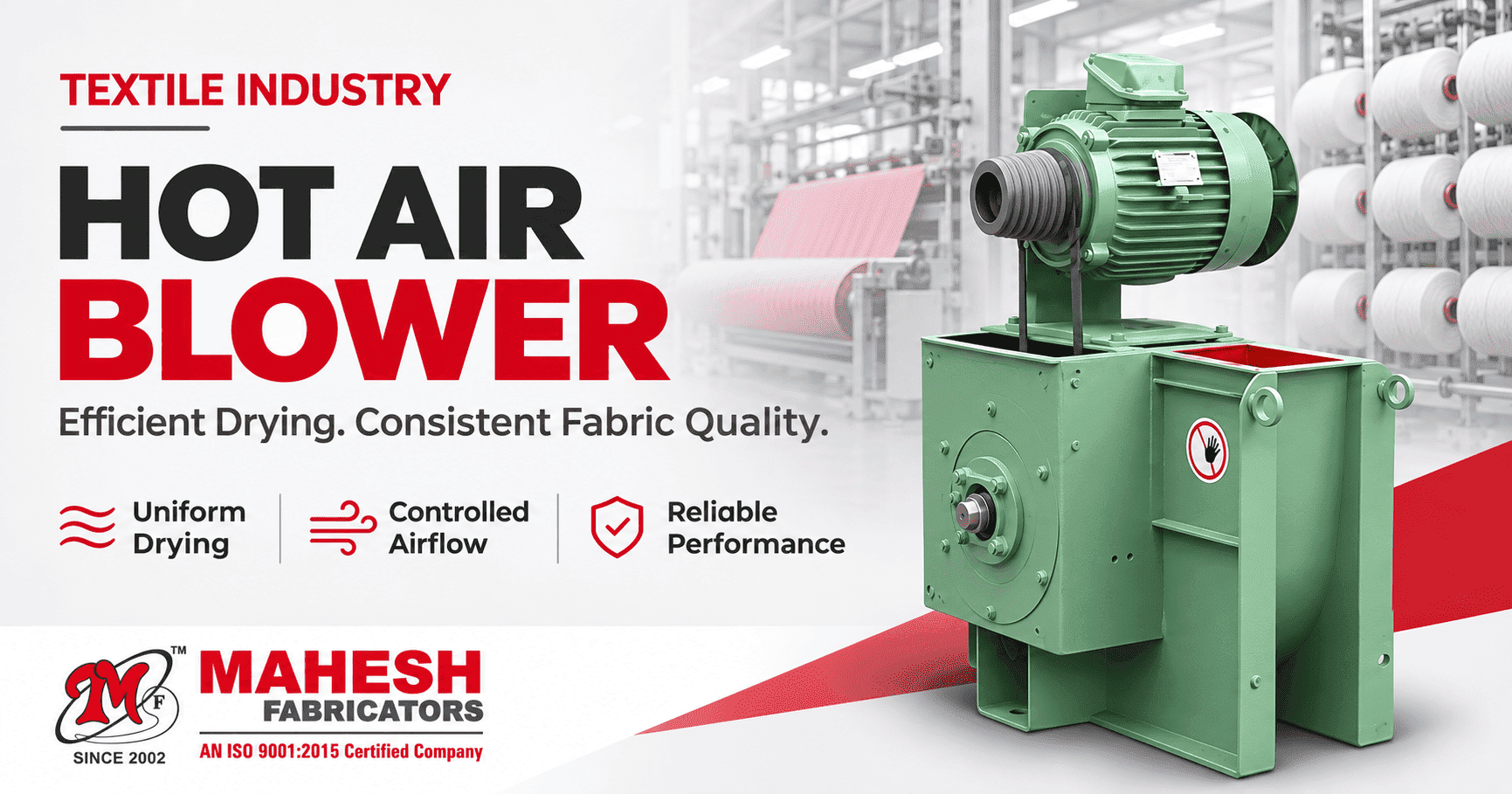
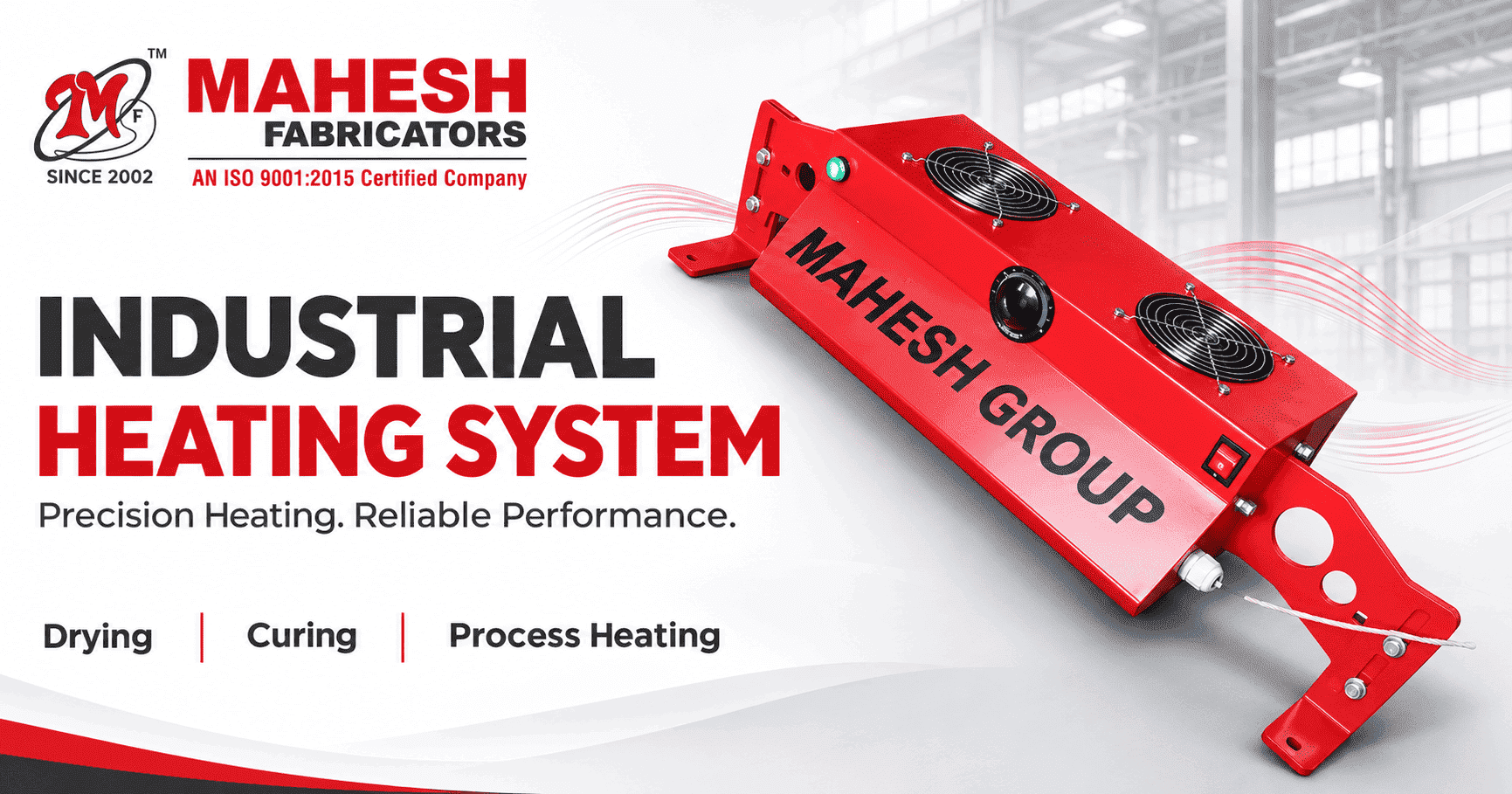
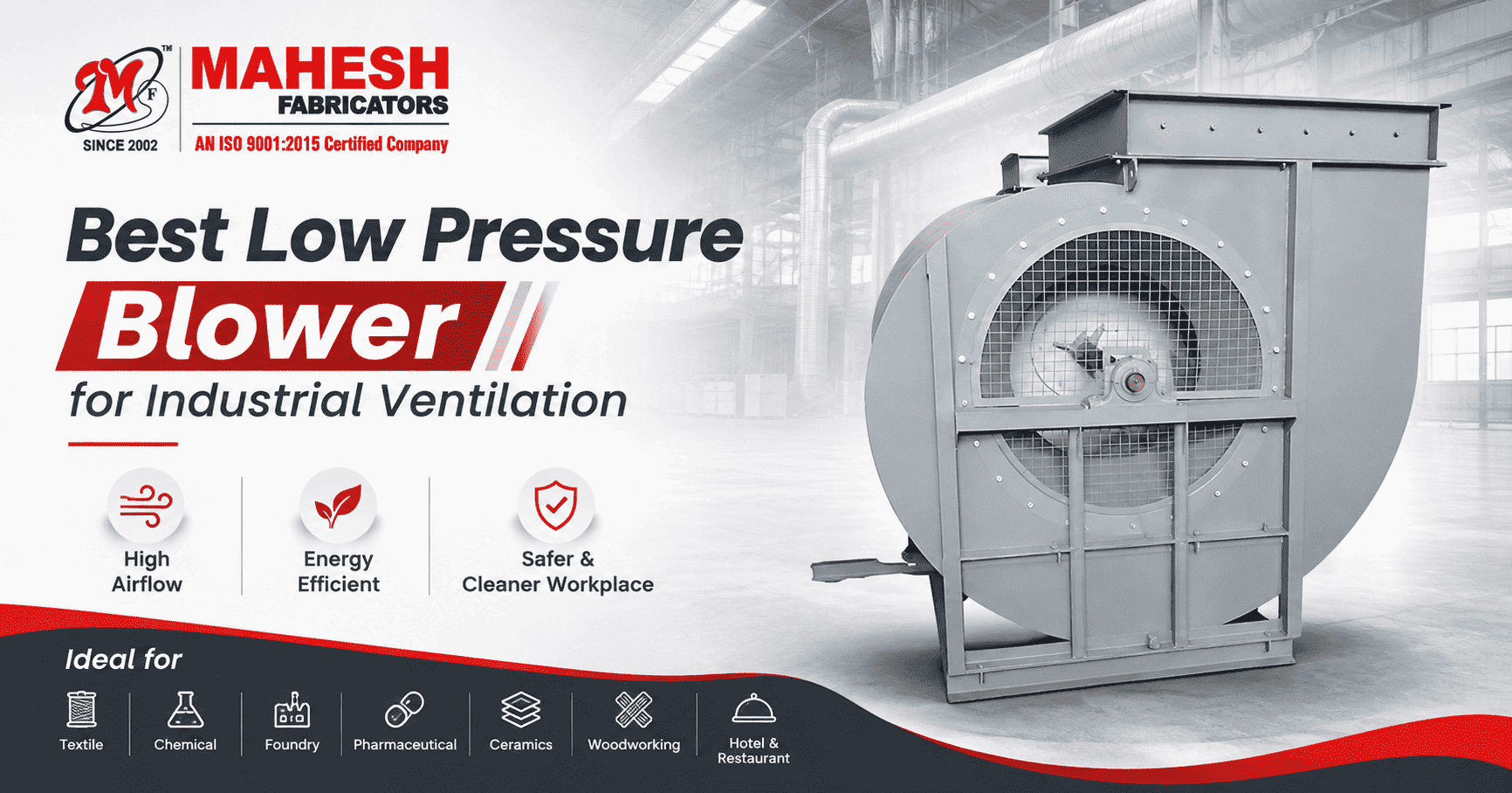
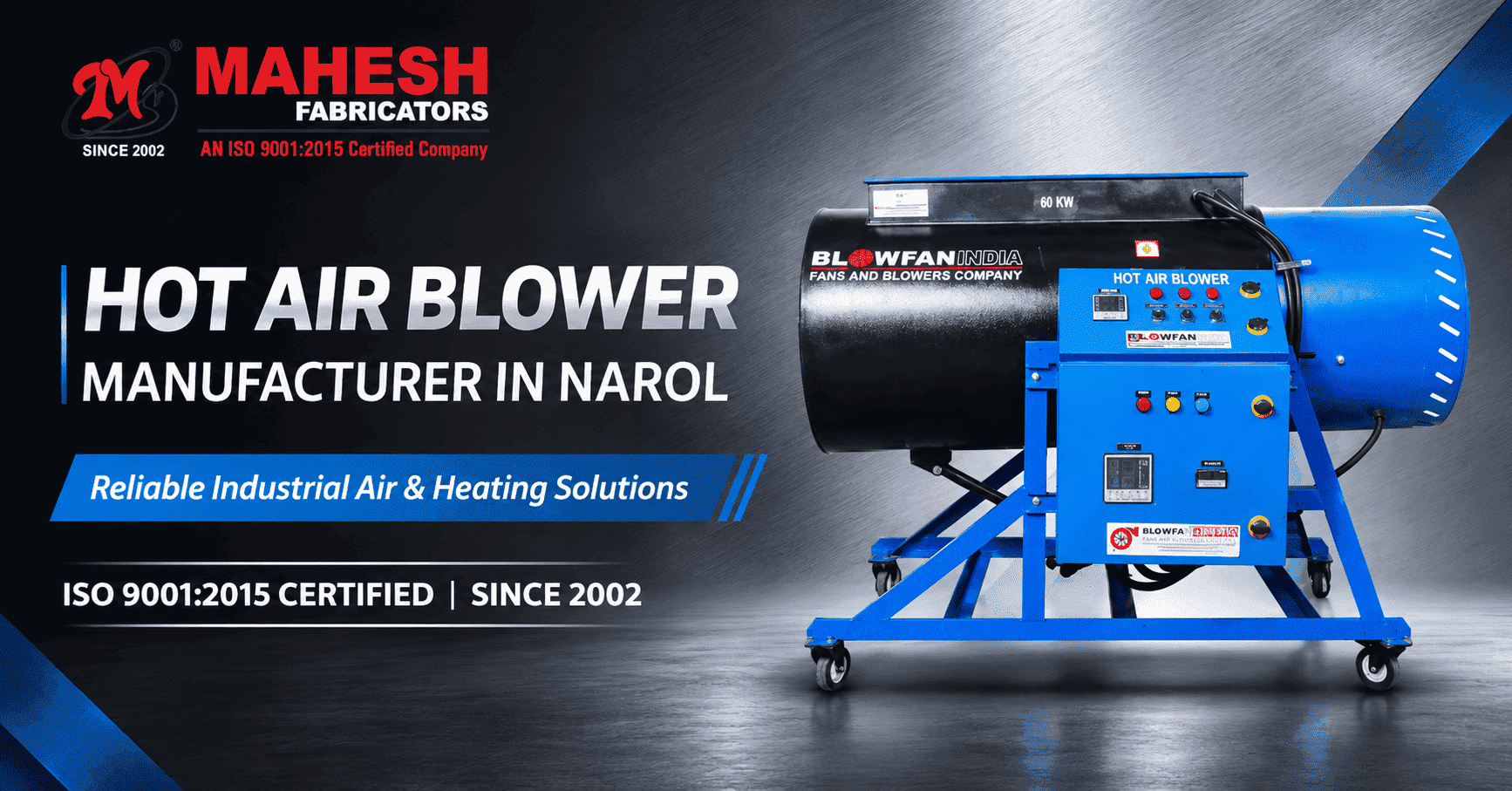
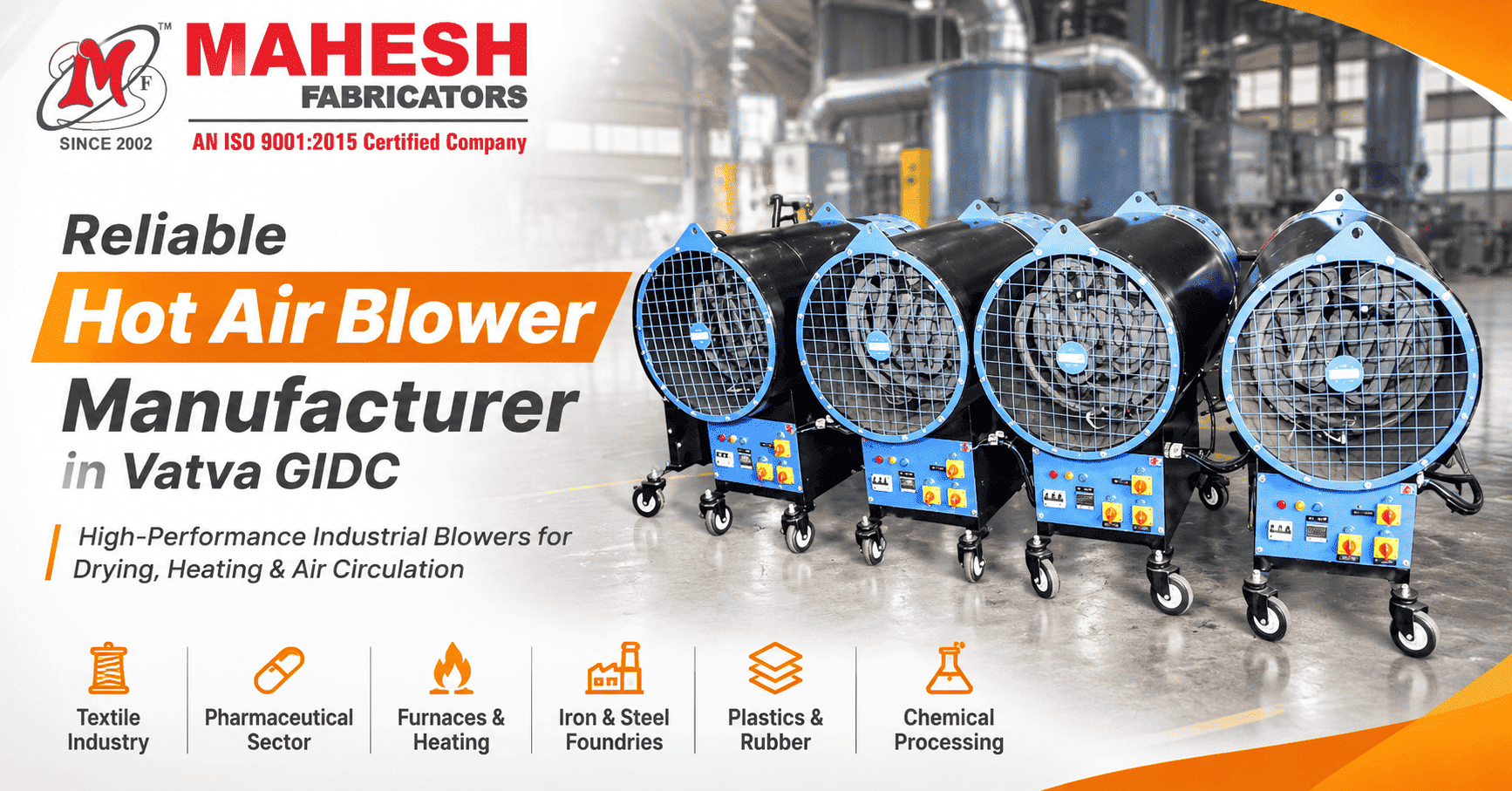
Established in 2002 and proudly ISO 9001-2015 Certified, Mahesh Fabricators is a distinguished manufacturer specializing in Industrial Air Systems and Industrial Air Pollution Control Equipment. Located in Ahmedabad, Gujarat, India, the company leverages its deep expertise to provide a comprehensive range of products designed to meet the rigorous demands of modern industry. Their product portfolio includes high-performance Hot Air Blowers, versatile Industrial Blowers, efficient Axial Fans, powerful Centrifugal Blowers, durable Fan Impellers, and reliable Industrial Dampers. Each product is engineered with a focus on user-friendly operations and reduced maintenance costs, ensuring that industries such as Textile, Pharma, Iron/Steel, Foundry, Ceramics, Plastics, Furnaces, Cotton/Woodworking, Plywood MFG, Coal, Cement, Chemical, Hotel, and Restaurant can achieve optimal air circulation and pollution control. Mahesh Fabricators is committed to supporting its clients with dedicated customer support and technical inquiry services, ensuring you find the right solution for your unique industrial challenges.
Frequently Asked Questions
What is the main purpose of an industrial air circulation system?
The main purpose is to manage and control the air within an industrial setting, ensuring proper ventilation, temperature regulation, and removal of airborne contaminants like dust and fumes. This leads to improved safety, better product quality, and increased operational efficiency.
How do I know which type of fan or blower I need?
The choice depends on your specific application. Factors to consider include the required airflow volume, static pressure, the nature of the air (e.g., hot, dusty, corrosive), and the installation environment. Consulting with a manufacturer like Mahesh Fabricators can help determine the most suitable type, such as axial for high volume, low pressure, or centrifugal for higher pressure applications.
Are industrial air systems expensive to operate?
Operating costs depend on the system's energy efficiency, size, and how continuously it runs. Modern systems are designed with energy efficiency in mind. Mahesh Fabricators focuses on designing products for reduced maintenance and user-friendly operations, which contributes to overall cost-effectiveness.
Can these systems handle very high temperatures?
Yes, many industrial air circulation systems, particularly those designed for applications like furnaces, foundries, or certain chemical processes, can be engineered to handle high temperatures. Manufacturers offer specialized blowers and fans designed for such conditions.
Optimize Your Industrial Environment Today
Ensure your facility operates at its best with efficient, reliable industrial air circulation solutions. Whether you need to control dust, manage fumes, or ensure proper ventilation, Mahesh Fabricators offers the expertise and product range to meet your specific needs. Their ISO 9001-2015 certified approach guarantees quality and performance. Reach out for a technical inquiry or sales consultation to discover how their industrial blowers, fans, and air systems can enhance your operations.
Request a Consultation