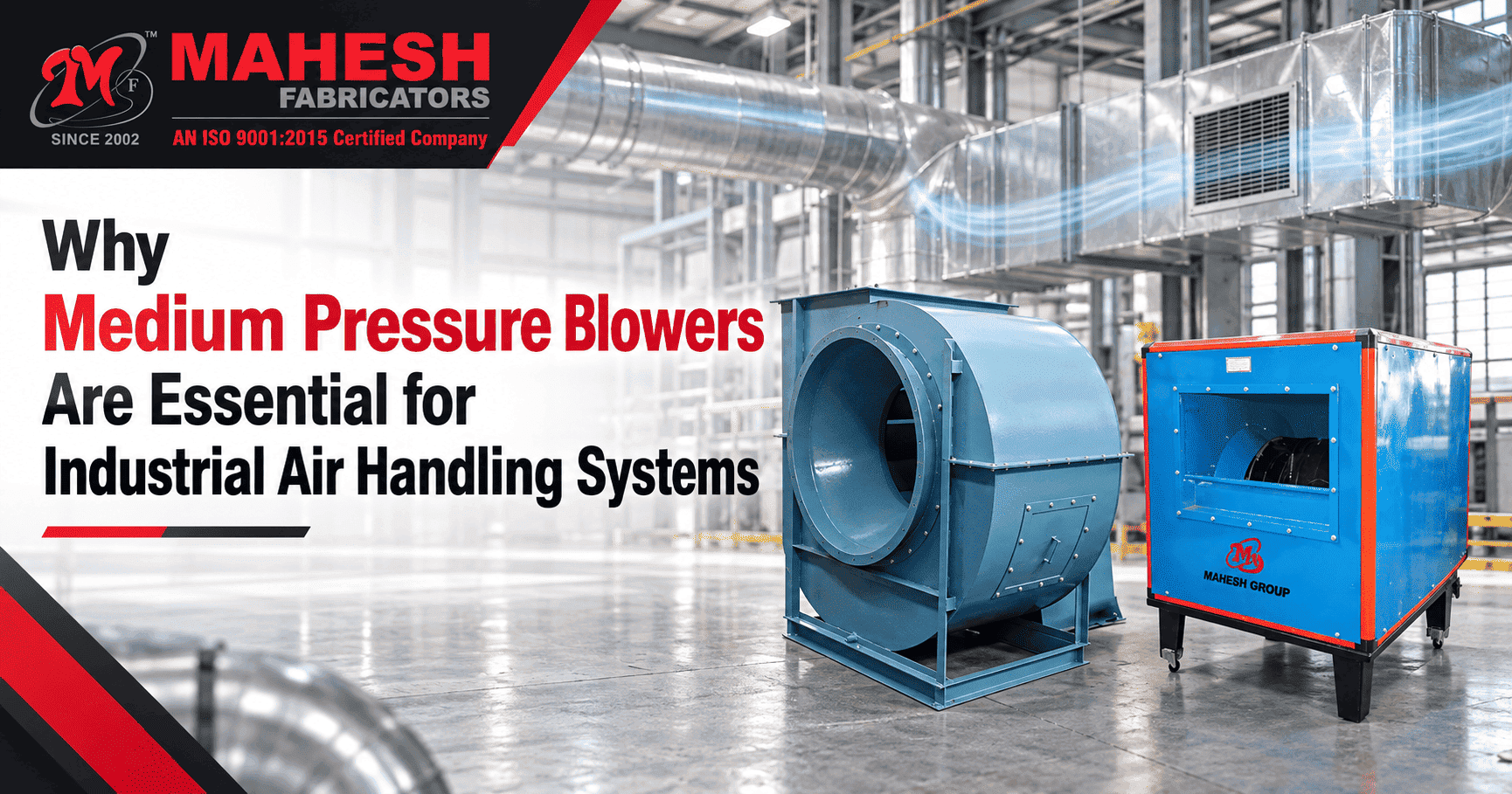
Why Medium Pressure Blowers Are Essential for Industrial Air Handling Systems
In the complex world of industrial air handling, the right equipment is paramount for efficiency, safety, and operational success. Medium pressure blowers represent a vital category of equipment, meticulously designed to handle a broad spectrum of tasks where standard ventilation fans fall short, but extreme pressure is not required. These robust machines are the workhorses that ensure optimal airflow across diverse processes, from dust collection and material handling to ventilation and cooling. Understanding their role and capabilities is key to designing and maintaining effective industrial air systems.
Understanding Medium Pressure Blowers: The Crucial Middle Ground
Medium pressure blowers operate within a specific pressure range, typically between 100-600 mmWC (millimeters of water column). This range strategically positions them between low-pressure blowers (0-100 mmWC) and high-pressure blowers (600+ mmWC). This intermediate capability makes them incredibly versatile, allowing them to efficiently manage air movement against moderate system resistances.
These blowers function on the principle of centrifugal force. A rotating impeller within the blower housing accelerates the air, imparting kinetic energy that is then converted into static pressure. This process enables the air to overcome the resistance encountered in ductwork, filters, process equipment, and other components of an air handling system. Their design is engineered to provide a substantial pressure boost without the excessive energy consumption or cost associated with high-pressure units, making them an economical and practical choice for many industrial scenarios.
The capacity of medium pressure blowers can vary significantly, typically ranging from 500 CFM (cubic feet per minute) to well over 80,000 CFM. Smaller units are adept at localized tasks like dust collection for specific machinery or small-scale process ventilation. Mid-range units are commonly applied in standard bag house dust collectors, paint spray booths, and ventilation systems requiring moderate air volumes at a sufficient static pressure. Their ability to handle these varied capacities and pressures makes them indispensable components in numerous manufacturing and processing environments.
Key Applications and Use Cases for Medium Pressure Blowers industrial air handling
The versatility of medium pressure blowers translates into a wide array of critical industrial applications:
- Dust Collection Systems: Essential for capturing particulate matter generated during manufacturing processes, medium pressure blowers are used with bag filters, cyclones, and other dust collection equipment. They provide the necessary suction to draw dust-laden air away from machinery and into filtration units, ensuring a cleaner and safer working environment. Applications include systems with 2-4 bag filters or ductwork runs up to 50 meters.
- Process Ventilation: In many industries, efficient ventilation is crucial for removing heat, fumes, or contaminants from process areas. Medium pressure blowers are employed in systems involving heat exchangers, scrubbers, and general ventilation to maintain optimal air quality and operating conditions.
- Fume Extraction: Removing hazardous or unpleasant fumes is a critical safety and environmental concern. These blowers are used in fume extraction systems, particularly those involving scrubbers, to effectively draw fumes from their source and direct them for treatment or safe release.
- Pneumatic Conveying: Medium pressure blowers can be utilized in systems designed for the transport of powders, granules, and other bulk materials. They provide the air pressure needed to move these materials through pipelines from one point to another within a facility.
- Aeration Systems: In wastewater treatment plants and other biological processes, blowers are used to supply air for aeration, supporting microbial activity necessary for breaking down waste or facilitating chemical reactions.
- Industrial Cooling: Many manufacturing processes generate significant heat. Medium pressure blowers can be integrated into cooling systems to circulate air and dissipate heat from machinery, products, or work areas, preventing overheating and ensuring consistent product quality.
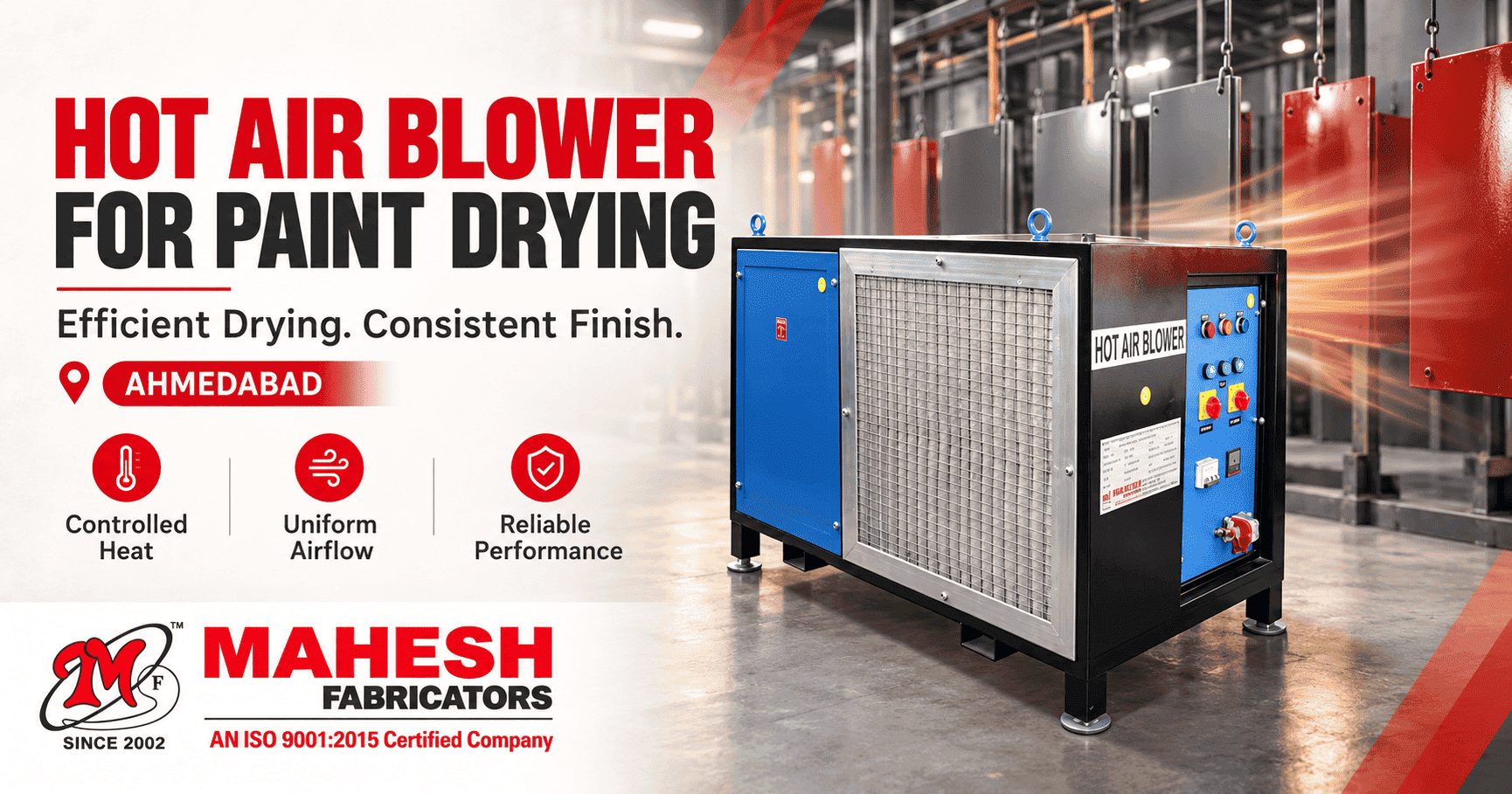
- Paint Booths and Drying Systems: These blowers are vital for providing the airflow required in paint spray booths, ensuring proper exhaust and ventilation. They are also used in industrial drying processes where consistent air circulation is necessary.
- Furnace and Kiln Firing: In high-temperature applications like furnaces and kilns, blowers are often used to supply combustion air, ensuring efficient burning and temperature control.
Benefits of Utilizing Medium Pressure Blowers
Integrating medium pressure blowers into industrial air handling systems offers several significant advantages:
- Energy Efficiency: When an application does not require extreme pressure, medium pressure blowers can provide 20-30% energy savings compared to their high-pressure counterparts. This translates directly into reduced operating costs and a smaller environmental footprint.
- Cost-Effectiveness: The initial purchase cost for medium pressure blowers is typically 15-25% lower than for high-pressure units when the required pressure is within their operational range. This makes them a more economical investment for many standard industrial needs.
- Versatile Performance: Their ability to operate effectively against moderate system resistances makes them suitable for a wide range of applications, reducing the need for specialized or overly powerful equipment in many scenarios.
- Reliable Airflow: These blowers are engineered for consistent and reliable air movement, crucial for processes that depend on stable airflow for performance and safety.
- Durability and Material Options: Available in various materials such as steel, stainless steel, and aluminum, medium pressure blowers can be selected to withstand corrosive environments and demanding operational conditions. Some designs can also be ATEX certified for use in potentially explosive atmospheres.
Buyer Insight: Balancing Pressure Needs and Efficiency
When selecting an industrial blower, it’s crucial to accurately assess the static pressure requirements of your system. Over-specifying with a high-pressure blower for a medium-pressure application leads to unnecessary energy consumption and higher capital costs. Conversely, under-specifying can result in inadequate airflow, poor performance, and potential system failures. Medium pressure blowers offer an optimal balance for many common industrial tasks, delivering the necessary force efficiently.
Selecting the Right Medium Pressure Blower: A Practical Guide
Choosing the correct medium pressure blower involves careful consideration of several factors to ensure optimal performance, longevity, and cost-effectiveness:
Key Selection Criteria:
- System Pressure Requirement: Accurately determine the total static pressure the blower must overcome, including resistance from ductwork, filters, dampers, and process equipment.
- Airflow Capacity (CFM): Define the required volume of air needed for the application. This is often dictated by process needs, ventilation standards, or equipment specifications.
- Airflow Characteristics: Consider the nature of the air or gas being handled – is it clean, dusty, corrosive, or potentially explosive? This will influence material selection and whether specialized designs (e.g., ATEX-rated) are necessary.
- Operating Environment: Assess ambient conditions, such as temperature and humidity, which can affect blower performance and material durability.
- Noise Levels: For applications in noise-sensitive areas, consider blowers designed for quieter operation or investigate noise-mitigation strategies.
- Maintenance Requirements: Look for designs that offer ease of access for routine maintenance, such as lubrication and impeller cleaning, to minimize downtime.
- Efficiency: While energy savings are a key benefit, compare efficiency ratings for blowers within your required pressure and capacity range.
- Material Construction: Select materials (e.g., steel, stainless steel, aluminum) that are suitable for the specific application, considering corrosion resistance, temperature, and abrasion.
Mahesh Fabricators: Your Partner in Industrial Air Handling Solutions
Established in 2002 and an ISO 9001-2015 Certified Company, Mahesh Fabricators is a reputable manufacturer specializing in comprehensive industrial air systems. With extensive experience, the company offers a robust range of products designed to meet the demanding requirements of various industries, including Textile, Pharma, Iron/Steel, Foundry, Ceramics, Plastics, Furnaces, Cotton/Woodworking, Plywood MFG, Coal, Cement, Chemical, and Hotels/Restaurants.
Mahesh Fabricators provides reliable Medium Pressure Blowers, engineered to deliver efficient performance for applications that require precise airflow and moderate pressure. Their commitment to quality ensures that their industrial blowers, axial fans, centrifugal blowers, and fan impellers are built for durability and optimal functionality. By understanding the critical role these systems play, Mahesh Fabricators focuses on delivering solutions that enhance operational efficiency and safety for their diverse clientele.
Frequently Asked Questions (FAQ)
What is the primary function of a medium pressure blower?
The primary function of a medium pressure blower is to move air or gases at a moderate pressure, bridging the gap between low and high-pressure systems. They are designed to overcome moderate resistances in ductwork, filters, and process equipment, making them suitable for applications like dust collection, process ventilation, and material handling.
How do medium pressure blowers differ from low and high-pressure blowers?
Medium pressure blowers operate in a pressure range typically between 100-600 mmWC. Low-pressure blowers are designed for pressures below 100 mmWC and are suited for general ventilation. High-pressure blowers handle pressures above 600 mmWC and are used for applications requiring significant force, such as pneumatic conveying over long distances or in highly restrictive systems.
Can medium pressure blowers be used for handling dust?
Yes, medium pressure blowers are commonly used in dust collection systems. They provide the necessary suction to draw dust-laden air from machinery or work areas and move it through filtration systems, such as baghouses, to remove particulate matter.
What are the energy saving benefits of using a medium pressure blower?
When an application's requirements fall within their operating range, medium pressure blowers can offer significant energy savings, often 20-30% less than high-pressure units, because they are not over-engineered for the task, leading to more efficient power consumption.
What industries commonly use medium pressure blowers?
Industries such as Textile, Pharma, Iron/Steel, Foundry, Ceramics, Plastics, Furnaces, Plywood Manufacturing, Cement, Chemical, and hospitality (hotels/restaurants) commonly utilize medium pressure blowers for various air handling and process needs.
Optimize Your Industrial Air Handling System Today
Selecting the right medium pressure blower is critical for ensuring the efficiency, safety, and productivity of your industrial operations. If you're seeking reliable, high-performance air handling solutions tailored to your specific needs, consider the expertise and quality offered by Mahesh Fabricators. With a commitment to excellence and a comprehensive range of industrial blowers, Mahesh Fabricators is equipped to help you find the perfect solution.
Contact us to discuss your requirements and get a tailored quote for your medium pressure blower needs.