Why Medium Pressure Blowers Are Essential for Industrial Air Handling Systems
Discover why medium pressure blowers are crucial for efficient industrial air handling systems. Learn about applications, selection, and quality standards in Ah
Why This Matters in Ahmedabad
Ahmedabad's diverse industrial base, encompassing textiles, pharmaceuticals, chemicals, and manufacturing, relies heavily on robust air handling systems. These sectors often involve processes that generate heat, dust, or fumes, requiring precise air movement to manage these elements effectively. Medium pressure blowers are specifically designed to meet these demands, providing the necessary airflow and pressure to tackle challenges like material conveying, dust extraction, and ventilation in complex industrial settings found throughout Gujarat.
What Are Medium Pressure Blowers? — Overview
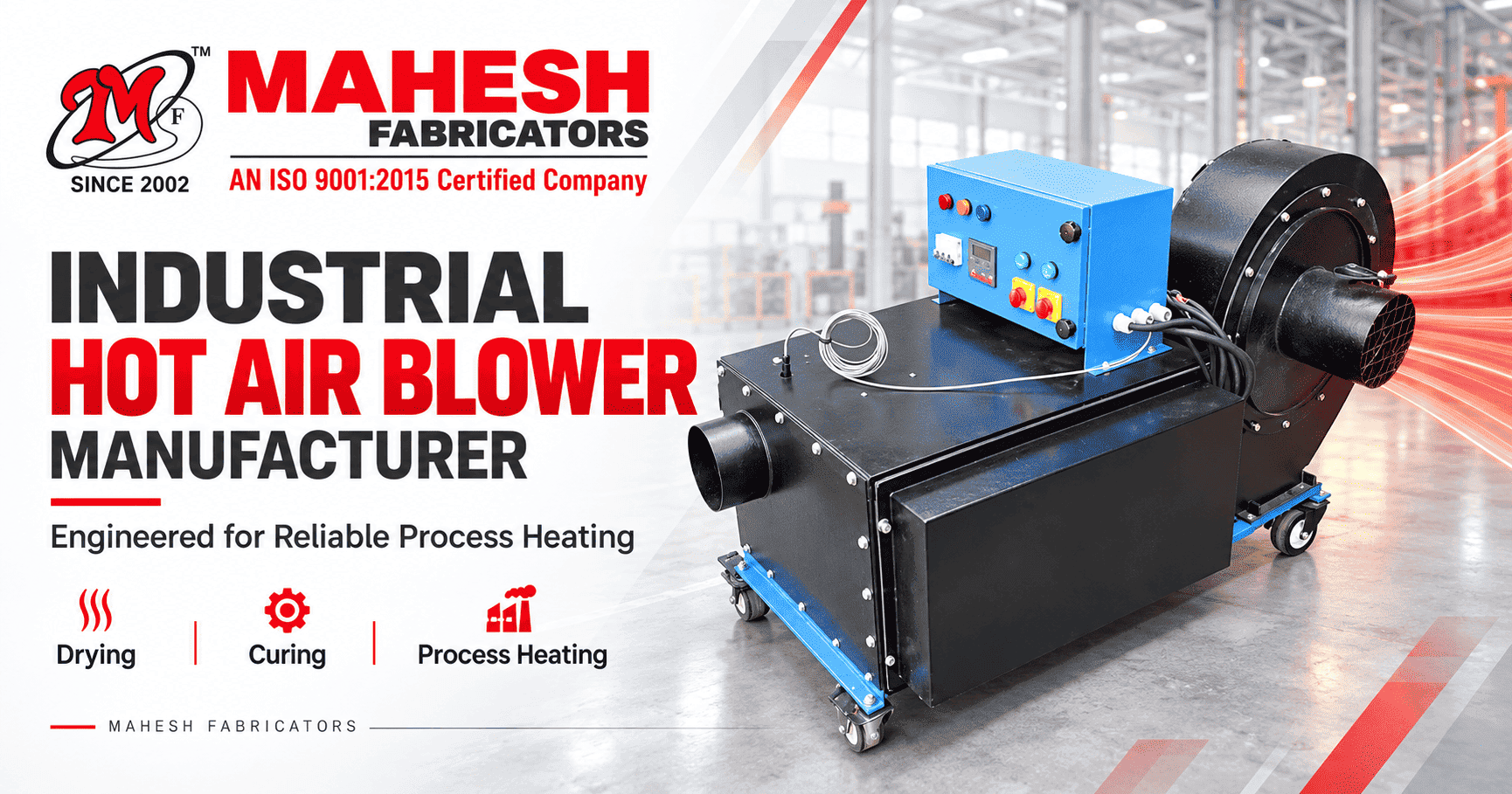
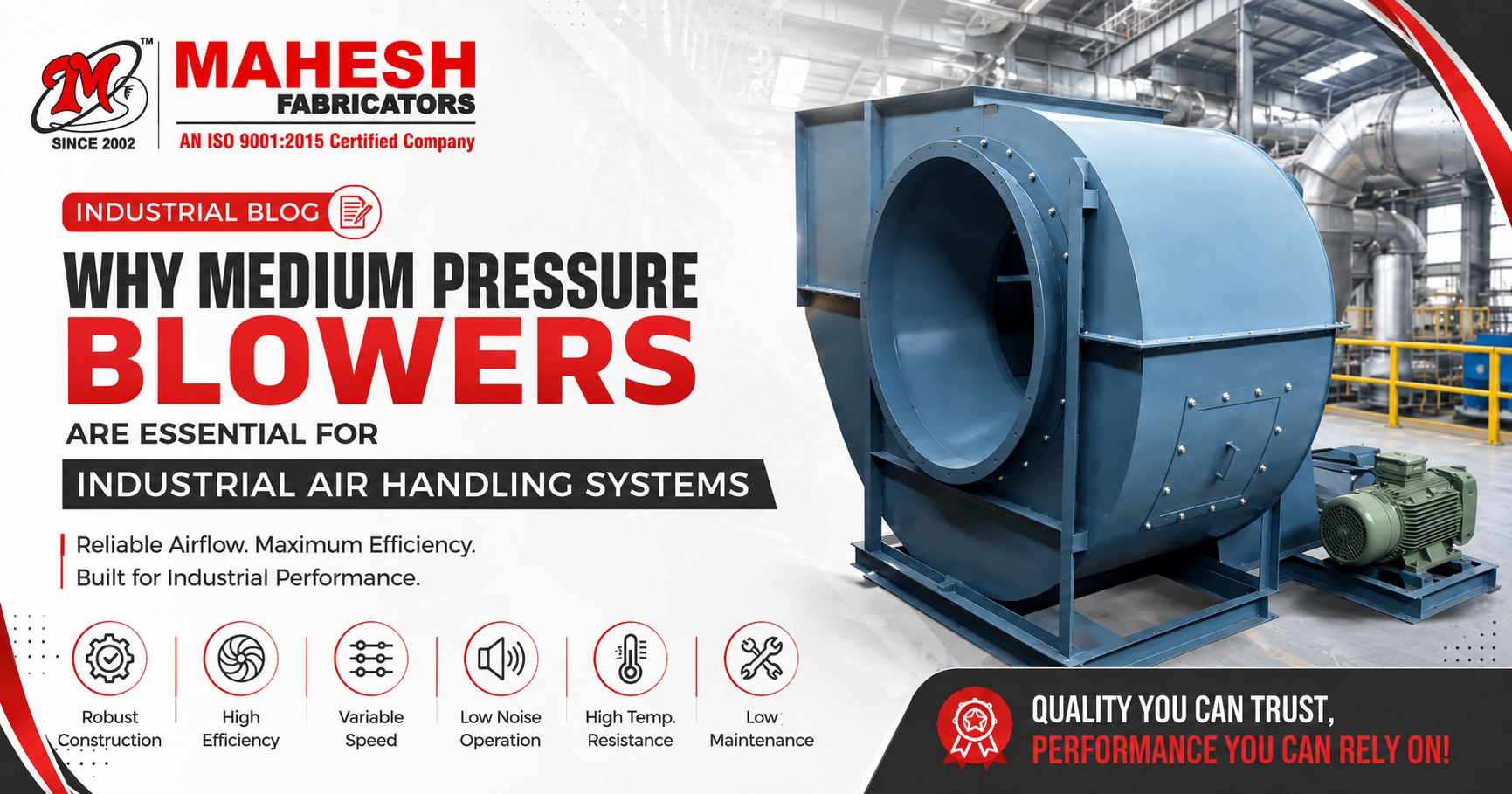
Medium pressure blowers are a type of industrial fan designed to operate within a specific pressure range, typically between 2 to 10 inches of water gauge (in. w.g.). They fall between low-pressure fans, used for general ventilation, and high-pressure blowers, employed for more demanding applications like pneumatic conveying. These blowers are engineered to move a significant volume of air while overcoming moderate resistance from ductwork, filters, or process equipment. Their robust construction and efficient impeller designs allow them to deliver consistent performance in challenging industrial environments.
Key Features and Technical Specifications
- Robust Construction: Built with heavy-gauge steel or other durable materials to withstand harsh industrial conditions.
- Optimized Impeller Design: Features backward-curved or airfoil blades for high efficiency and reduced noise.
- Variable Speed Capability: Allows for precise control of airflow to match process demands.
- Wide Operating Range: Capable of handling various airflow volumes and static pressures.
- Direct or Belt Drive Options: Offers flexibility in motor selection and maintenance.
- Customizable Housing: Can be configured for specific inlet/outlet orientations and material handling needs.
- Integral Motor Mounts: Ensures proper alignment and reduces vibration.
- High-Temperature Resistance: Available with materials and designs suitable for elevated operating temperatures.
Industrial Applications and Use Cases
- Material Handling: Transporting lightweight bulk materials like powders, granules, or wood chips.
- Dust Collection Systems: Providing the necessary suction to draw dust and particulate matter from processing machinery.
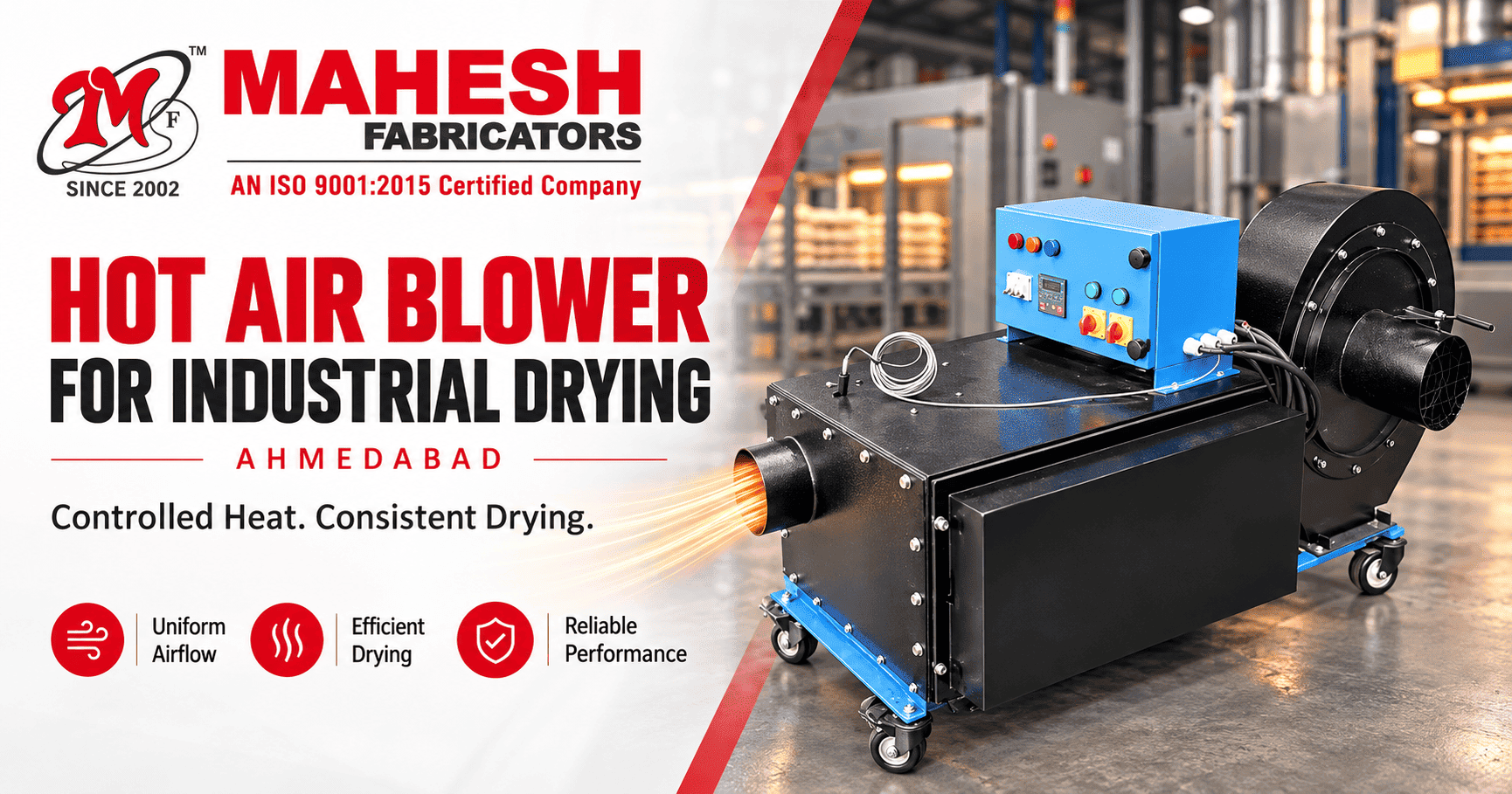
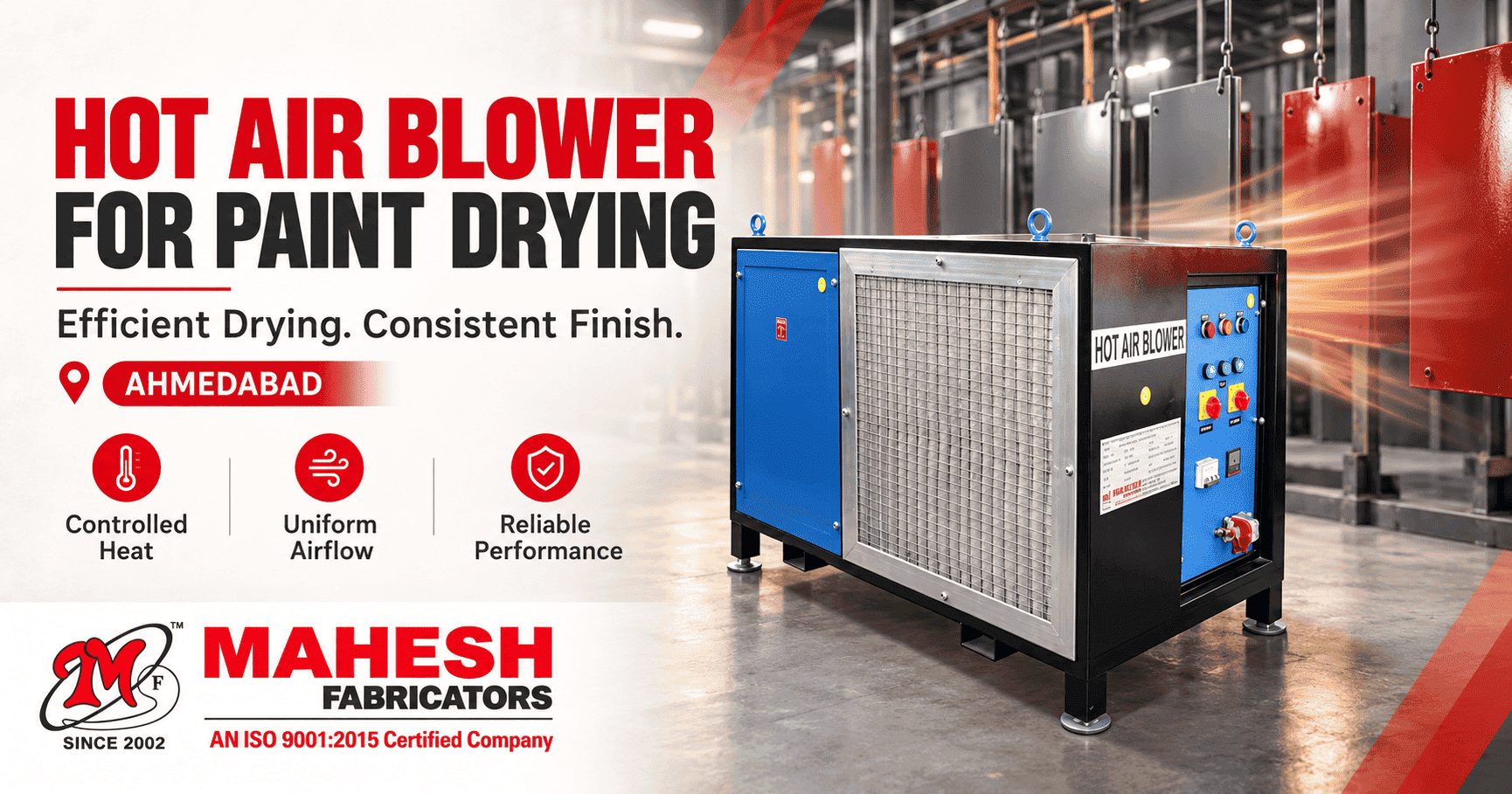
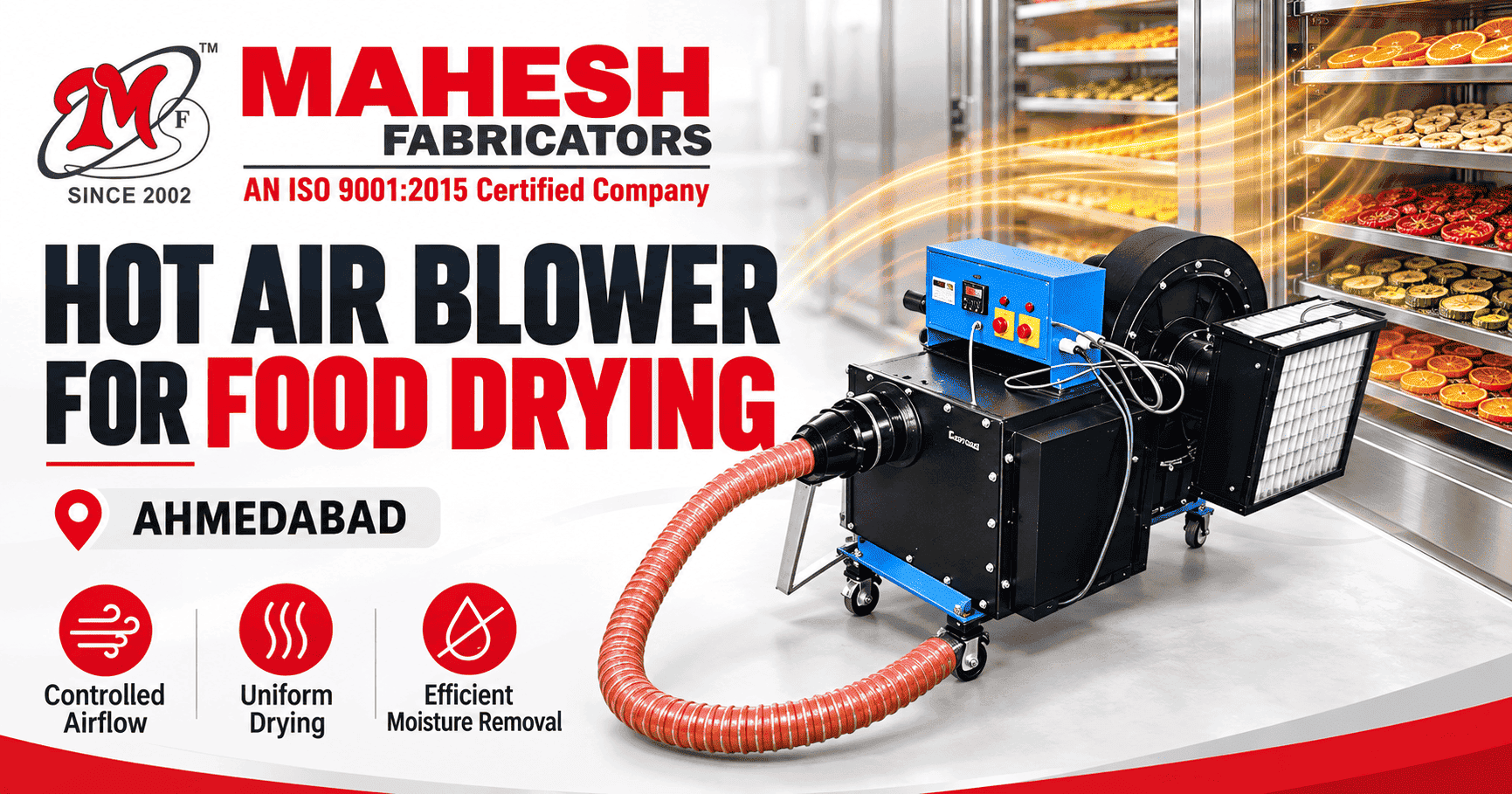
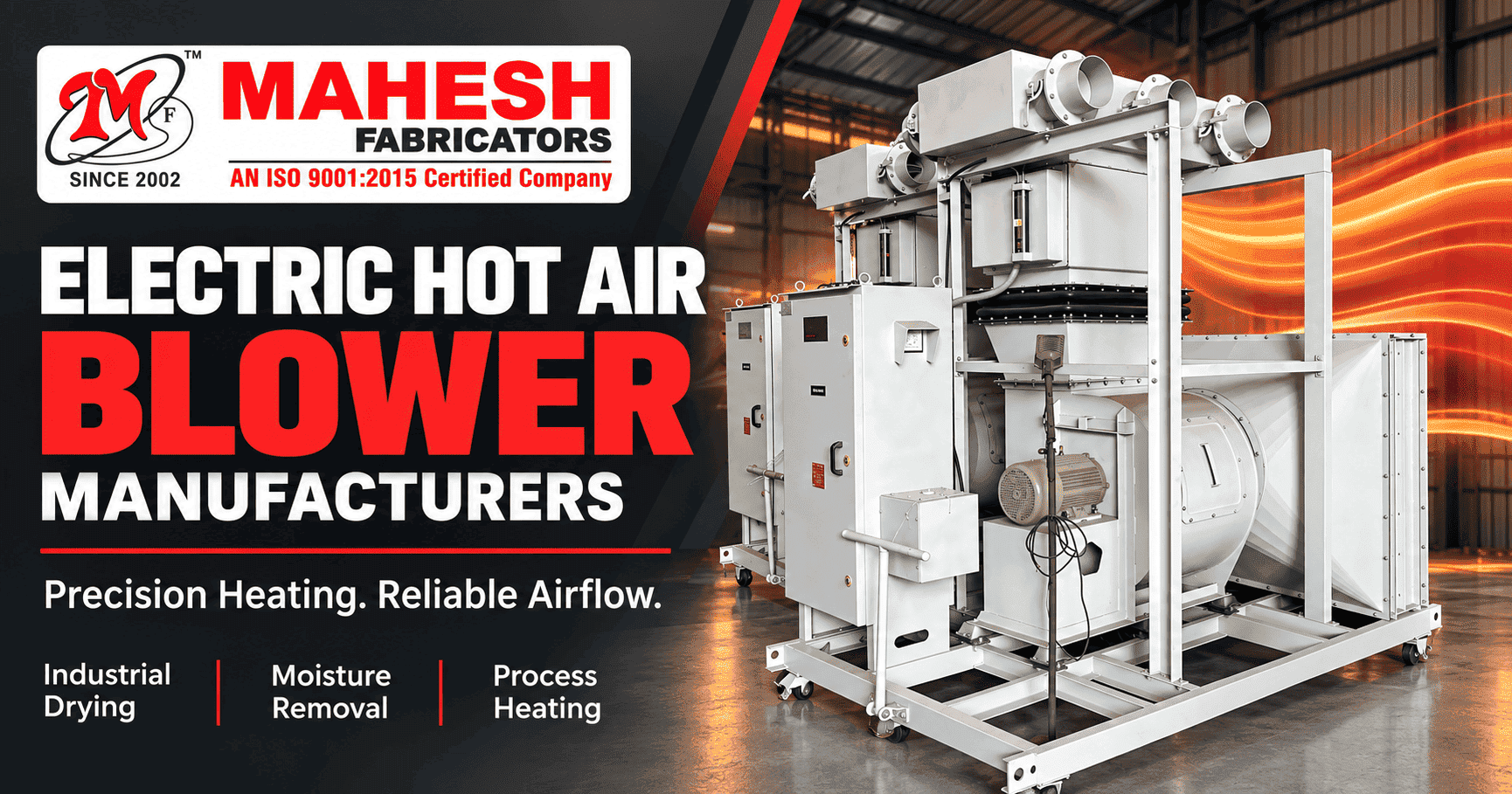
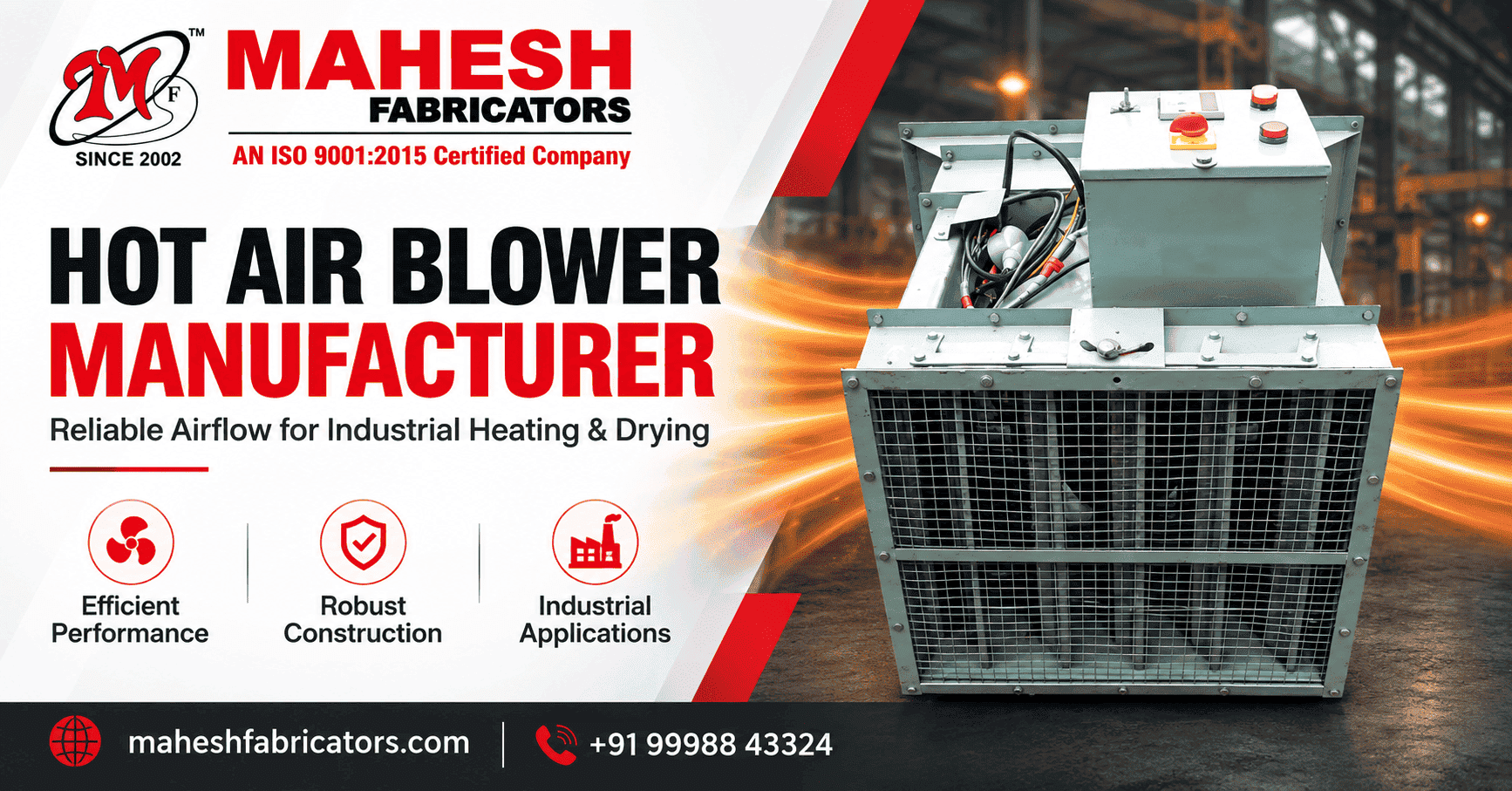
- Industrial Drying: Circulating heated air for drying processes in textile, food, or chemical industries.
- Ventilation and Fume Extraction: Removing hazardous fumes, smoke, or stale air from manufacturing areas.
- Combustion Air Supply: Delivering controlled airflow to furnaces, boilers, and kilns.
- Process Air Supply: Providing clean, conditioned air for specific manufacturing steps.
- Cooling Systems: Circulating air to cool equipment or products.
- Air Pollution Control: Assisting in the movement of air through filtration or scrubbing systems.
How to Choose the Right Medium Pressure Blower
Selecting the correct medium pressure blower is crucial for optimal system performance and energy efficiency. Consider the following factors:
- Required Airflow (CFM) and Static Pressure (in. w.g.): Accurately determine the volume of air needed and the total resistance the blower must overcome.
- Process Temperature: Ensure the blower materials and design can handle the operating temperature without degradation.
- Airborne Contaminants: If the air contains abrasive particles or corrosive elements, select appropriate materials of construction and impeller coatings.
- Noise Level Requirements: Some applications have strict noise limits; consider blower design and potential silencer needs.
- Motor Efficiency and Power Source: Choose an energy-efficient motor that matches your facility's electrical supply.
- Space Constraints: Measure available installation space and consider blower dimensions and orientation.
- Maintenance Access: Ensure sufficient space around the blower for routine inspection and maintenance.
- Supplier Reputation and Support: Partner with a manufacturer known for quality, reliability, and after-sales service.
Quality Standards and Compliance
When procuring medium pressure blowers, verifying adherence to industry quality standards is non-negotiable. Look for manufacturers who follow stringent quality management systems, such as ISO 9001:2015 certification, as held by Mahesh Fabricators. This certification indicates a commitment to consistent product quality and customer satisfaction through defined processes and continuous improvement. Additionally, ensure that the blower's design and construction comply with relevant national and international standards for industrial equipment, such as those set by the Bureau of Indian Standards (BIS) or international bodies like AMCA (Air Movement and Control Association) for performance testing. These standards ensure the equipment is safe, reliable, and performs as specified.
Why Mahesh Fabricators' Experience and Capability Matters
With over two decades of experience since its founding in 2002, Mahesh Fabricators has established a strong foundation in manufacturing industrial air systems. Their ISO 9001-2015 certification underscores a systematic approach to quality control throughout the design, fabrication, and testing phases. The company's expertise lies in understanding the specific air handling challenges faced by diverse industries in Ahmedabad and beyond. They possess the technical capability to design and manufacture blowers that meet precise performance requirements, offering customized solutions where standard models may not suffice.
Their commitment extends to ensuring reliable delivery and providing essential after-sales support, making them a dependable partner for industrial air handling needs. This deep-seated experience translates into products that are not only efficient but also durable and cost-effective over their operational lifespan.
Installation, Maintenance, and Care Tips
Proper installation and regular maintenance are key to maximizing the lifespan and performance of your medium pressure blower.
- Installation: Ensure the blower is installed on a solid, level foundation to minimize vibration. Proper alignment of the motor and blower shaft is critical, especially for belt-driven units. Connect ductwork securely, ensuring no air leaks.
- Regular Inspections: Periodically check for unusual noises, vibrations, or excessive heat. Inspect belts for wear and tension, and motor bearings for lubrication.
- Cleaning: Keep the impeller and housing clean from dust and debris buildup, which can unbalance the rotor and reduce airflow efficiency.
- Lubrication: Follow the manufacturer's recommendations for lubricating motor and blower bearings.
- Belt Tension: For belt-driven blowers, maintain the correct belt tension to prevent slippage and premature wear.
- Performance Monitoring: Keep an eye on airflow and pressure readings to detect any deviations from normal operating parameters, which could indicate a problem.
Frequently Asked Questions
A1: The lifespan of a medium pressure blower can vary significantly based on its construction quality, the operating environment, and the maintenance it receives. However, with proper installation, regular maintenance, and operation within its design parameters, a well-built industrial blower can last anywhere from 10 to 20 years or even longer.
A2: The primary distinction lies in the system's resistance. If your application involves moving air through relatively short duct runs with minimal obstructions, a medium pressure blower is likely sufficient. If you have long duct runs, numerous bends, filters, or need to convey materials, the higher pressure capabilities of a high-pressure blower will be necessary.
A3: Yes, many medium pressure blowers can be designed for high-temperature applications. This often involves using specialized materials for the impeller and housing, extending the shaft to move the bearings away from the heat source, and incorporating cooling fans for the motor and bearings. It's crucial to specify the operating temperature during the selection process.
A4: The impeller is the rotating component that imparts kinetic energy to the air, creating airflow and pressure. The design of the impeller (e.g., backward-curved, radial, airfoil) significantly influences the blower's efficiency, pressure capabilities, and noise characteristics, making it a critical element for specific industrial applications.
A5: Dust accumulation on the impeller blades can disrupt the aerodynamic balance, leading to reduced airflow, increased vibration, higher energy consumption, and potential damage to the blower. It can also cause the blower to overheat. Regular cleaning is essential to maintain optimal performance and extend the blower's life.
A6: Look for manufacturers with ISO 9001:2015 certification, which indicates a robust quality management system. Additionally, certifications or compliance with standards from organizations like AMCA (Air Movement and Control Association) for performance testing and safety are strong indicators of a reliable product.
Conclusion
Medium pressure blowers are indispensable components within Ahmedabad's diverse industrial ecosystem, providing the essential airflow and pressure needed for a multitude of critical operations. From material handling and dust collection to ventilation and combustion air supply, their role in maintaining efficiency, safety, and environmental compliance cannot be overstated. Choosing the right blower involves a careful assessment of your specific application requirements, including airflow, pressure, temperature, and potential contaminants. Partnering with an experienced and certified manufacturer like Mahesh Fabricators ensures you receive a reliable, high-performance solution backed by technical expertise and dedicated support, ultimately contributing to the sustained success of your industrial processes.
Get In Touch
Mahesh Fabricators