Why Hot Air Blowers Are Essential for Industrial Drying Applications
Discover why hot air blowers are essential for industrial drying in Ahmedabad. Learn about applications, selection, and quality from Mahesh Fabricators.
Why This Matters in Ahmedabad
Ahmedabad's industrial landscape is a dynamic mix of textiles, pharmaceuticals, chemicals, ceramics, and more. Each of these sectors relies heavily on efficient drying processes to ensure product quality and meet production targets. From drying fabrics in textile mills to curing coatings in manufacturing plants, the demand for reliable and effective hot air solutions is constant. Businesses here face unique challenges, including fluctuating energy costs and the need for equipment that can withstand rigorous daily use. Investing in the right hot air blower is not just about drying; it's about maintaining a competitive edge in Ahmedabad's demanding market.
What is a Hot Air Blower? — Overview
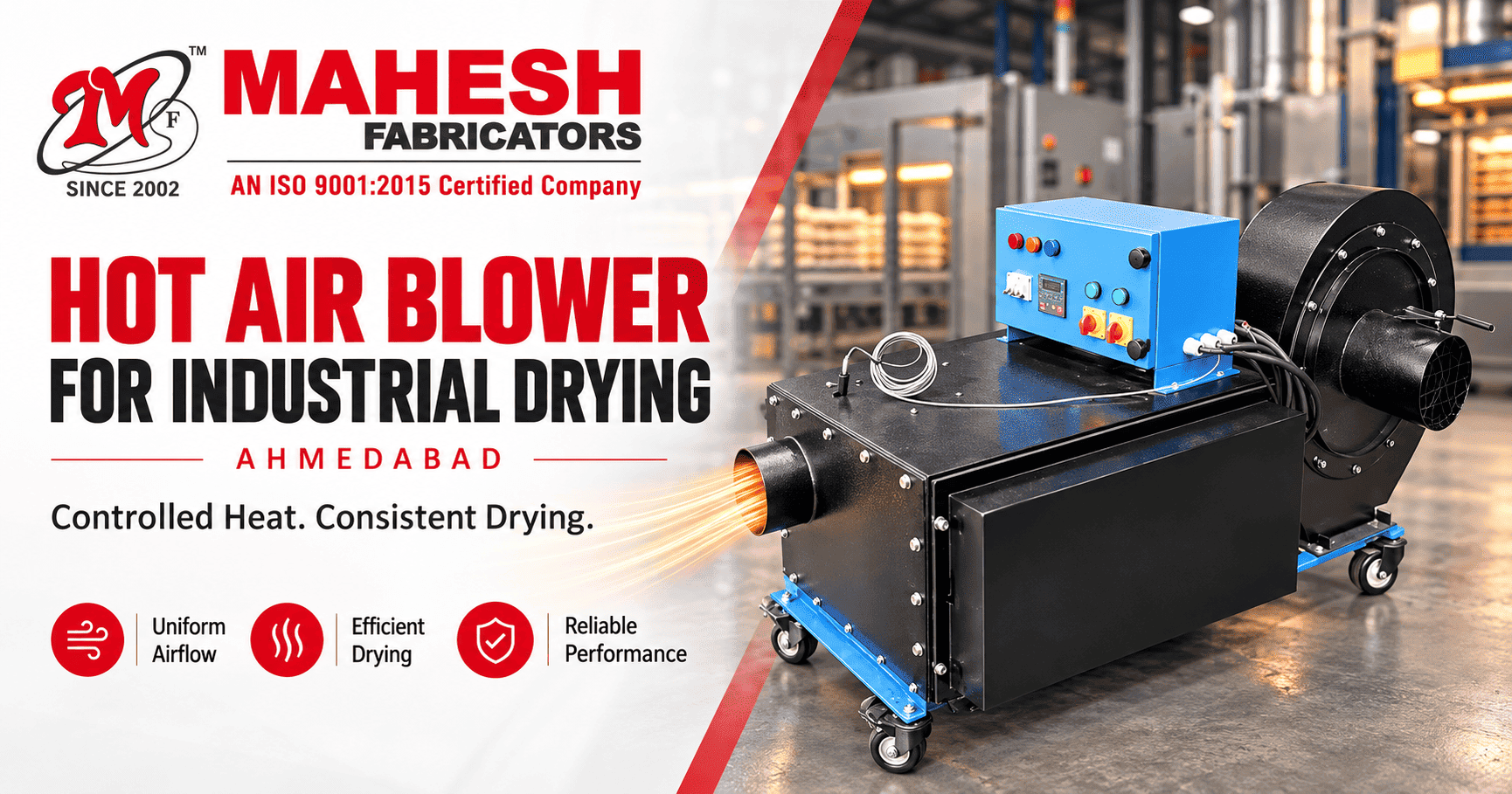
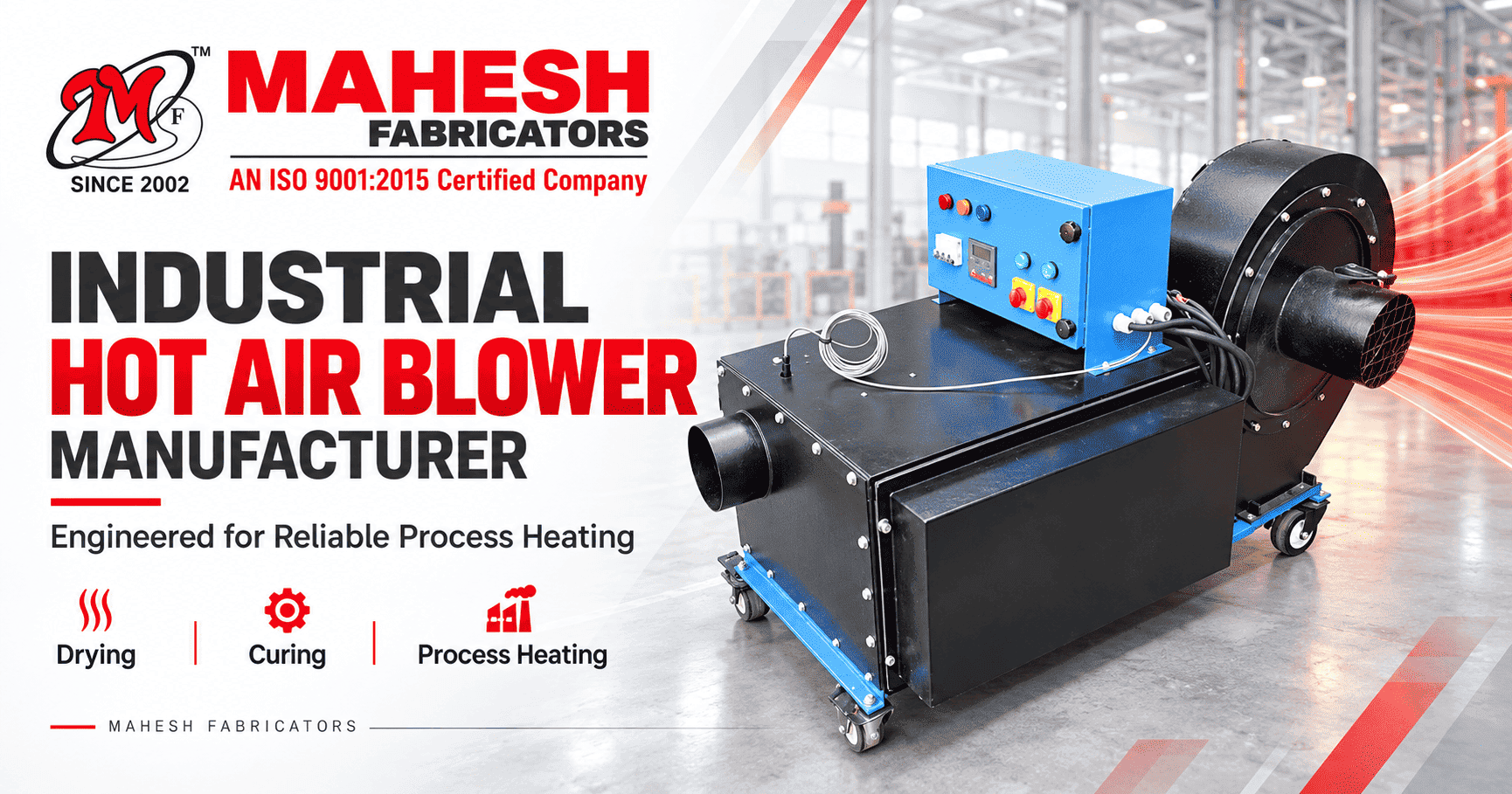
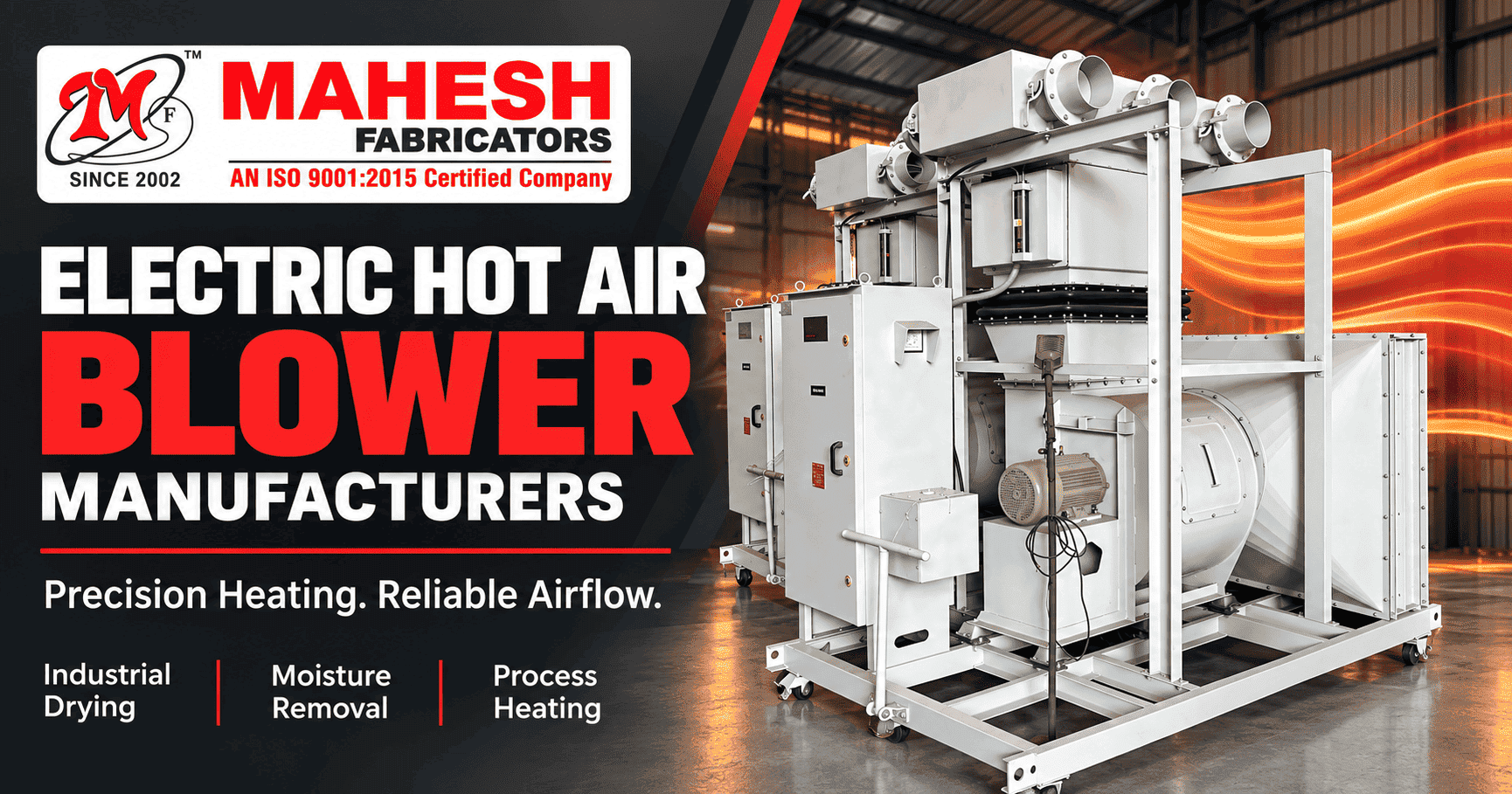
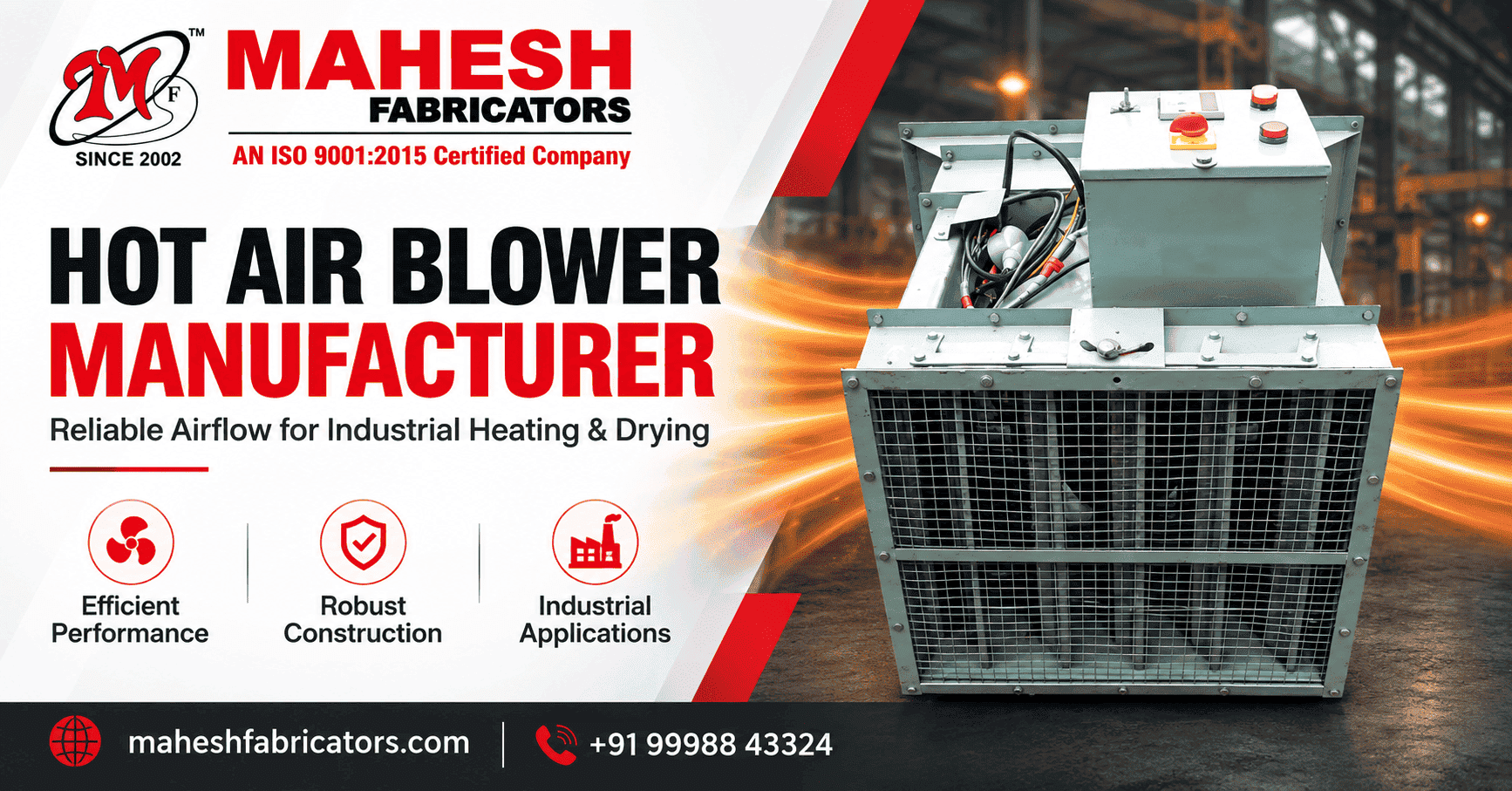
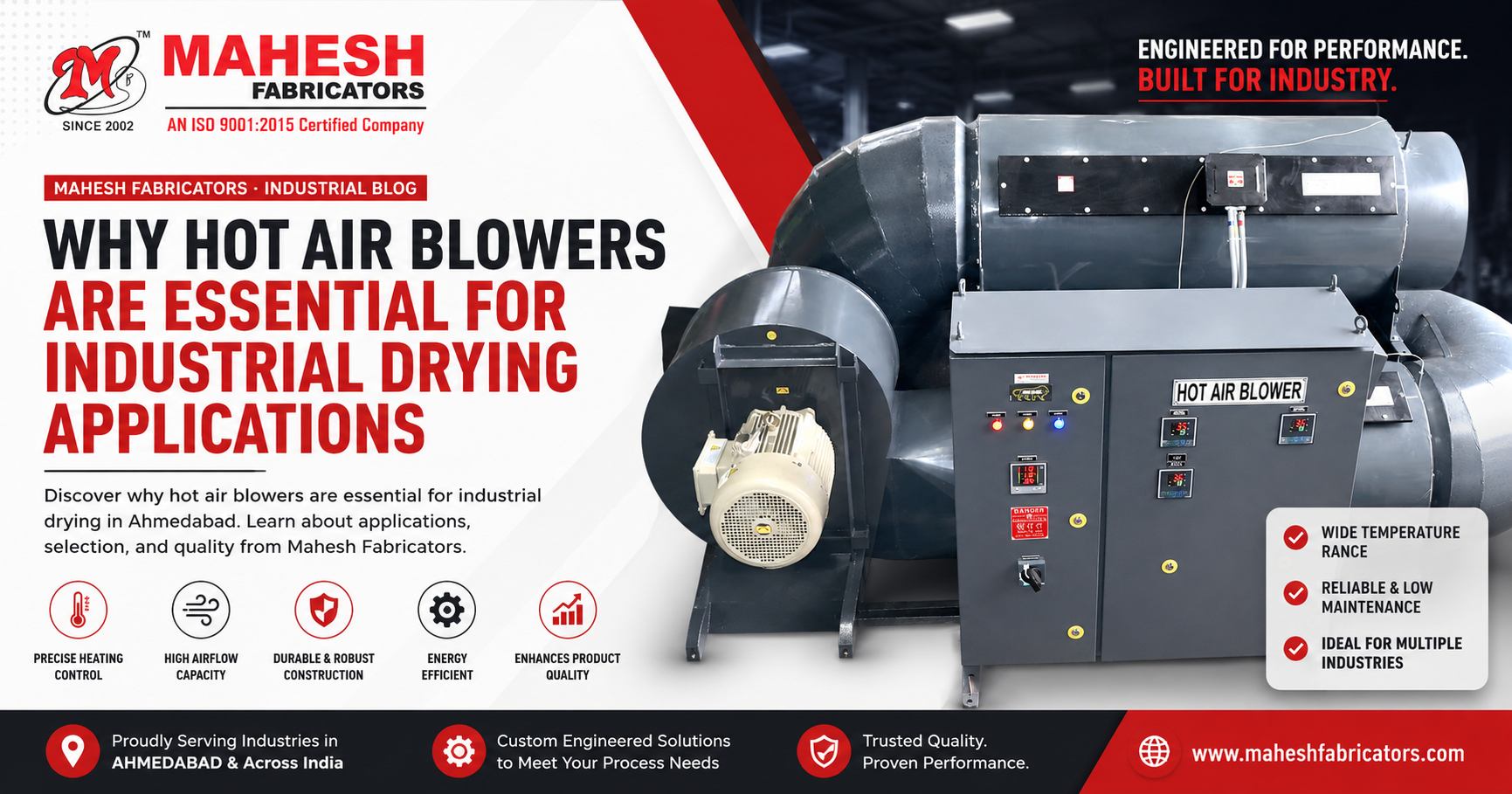
A hot air blower is an industrial device designed to generate and deliver heated air at controlled temperatures and volumes. It typically consists of a fan that draws in ambient air, a heating element (electric, gas, or steam) that raises the air temperature to a set point, and a housing that directs the heated airflow. The fan then propels this hot air towards the material or process requiring drying. These systems are engineered for continuous operation and are crucial for applications where moisture removal is essential for product integrity, processing efficiency, or preventing degradation.
Key Features and Technical Specifications
When evaluating hot air blowers for industrial applications, several key features and specifications are important to consider:
- Airflow Capacity: Measured in cubic meters per hour (CMH) or cubic feet per minute (CFM), indicating the volume of air the blower can move.
- Temperature Range: The operational temperature limits, often specified with a minimum and maximum degree Celsius or Fahrenheit.
- Heating Power: The wattage or kilowatt rating of the heating element, determining how quickly and effectively the air can be heated.
- Motor Power: The horsepower or kilowatt rating of the fan motor, influencing airflow and durability.
- Material Construction: Typically stainless steel or robust mild steel, chosen for heat resistance and longevity.
- Control System: Options for simple on/off switches to advanced digital controllers for precise temperature and airflow management.
- Noise Level: Measured in decibels (dB), important for workplace environments.
- Inlet/Outlet Diameters: Crucial for integration with existing ductwork or process equipment.
Industrial Applications and Use Cases
Hot air blowers are indispensable across a wide array of industrial drying needs. Their versatility makes them a core component in many manufacturing workflows:
- Textile Industry: Drying dyed fabrics, yarns, and finished garments to remove moisture after washing or dyeing processes.
- Pharmaceutical Manufacturing: Drying active pharmaceutical ingredients (APIs), granules, and finished tablets to meet strict moisture content requirements.
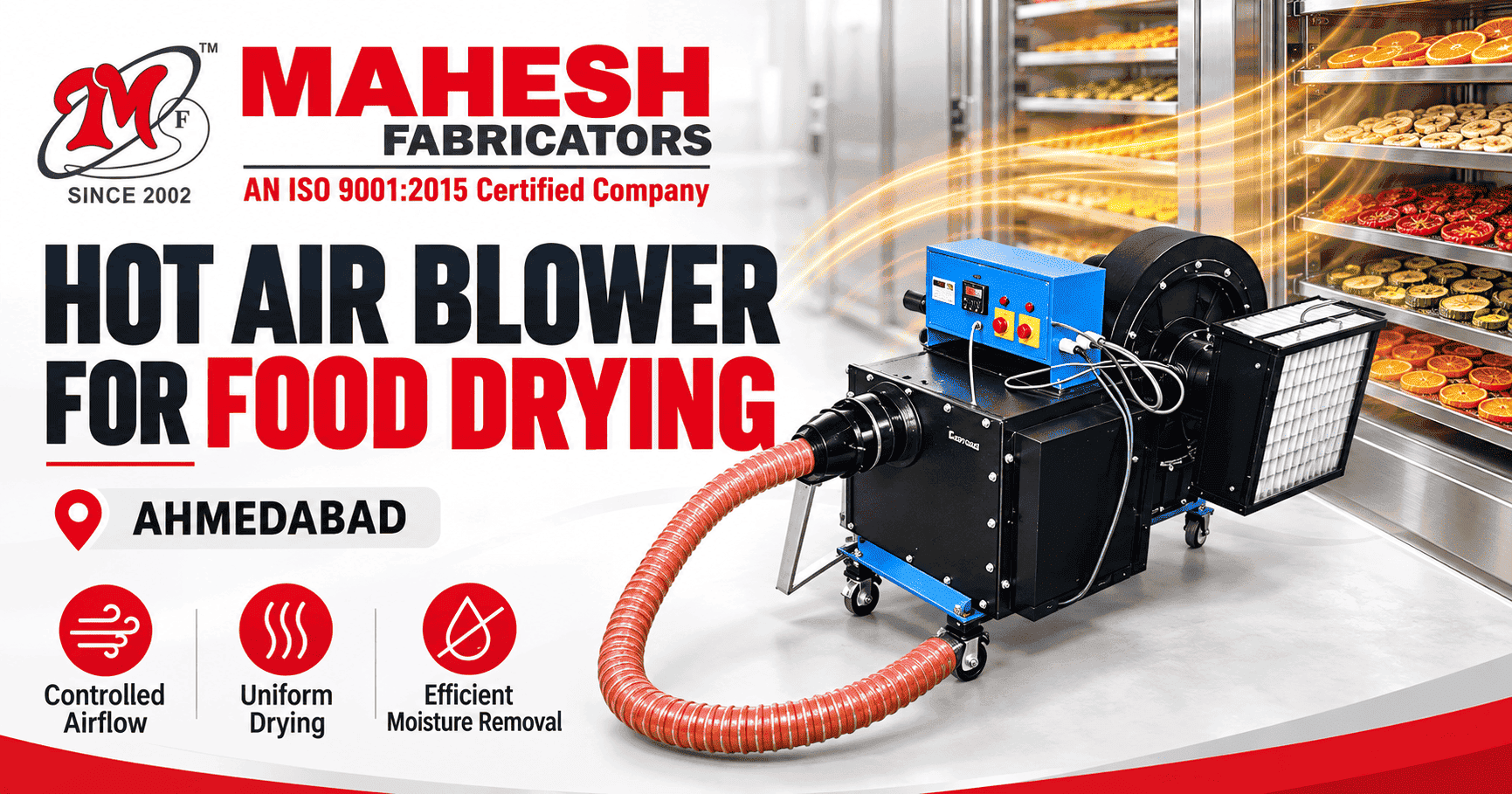
- Food Processing: Dehydrating fruits, vegetables, grains, and snacks, as well as drying packaged goods.
- Chemical Processing: Drying chemical powders, granules, and intermediates to prevent caking or degradation.
- Woodworking and Furniture: Drying lumber to prevent warping and cracking, and curing finishes on furniture.
- Ceramics and Pottery: Drying greenware before firing to prevent defects.
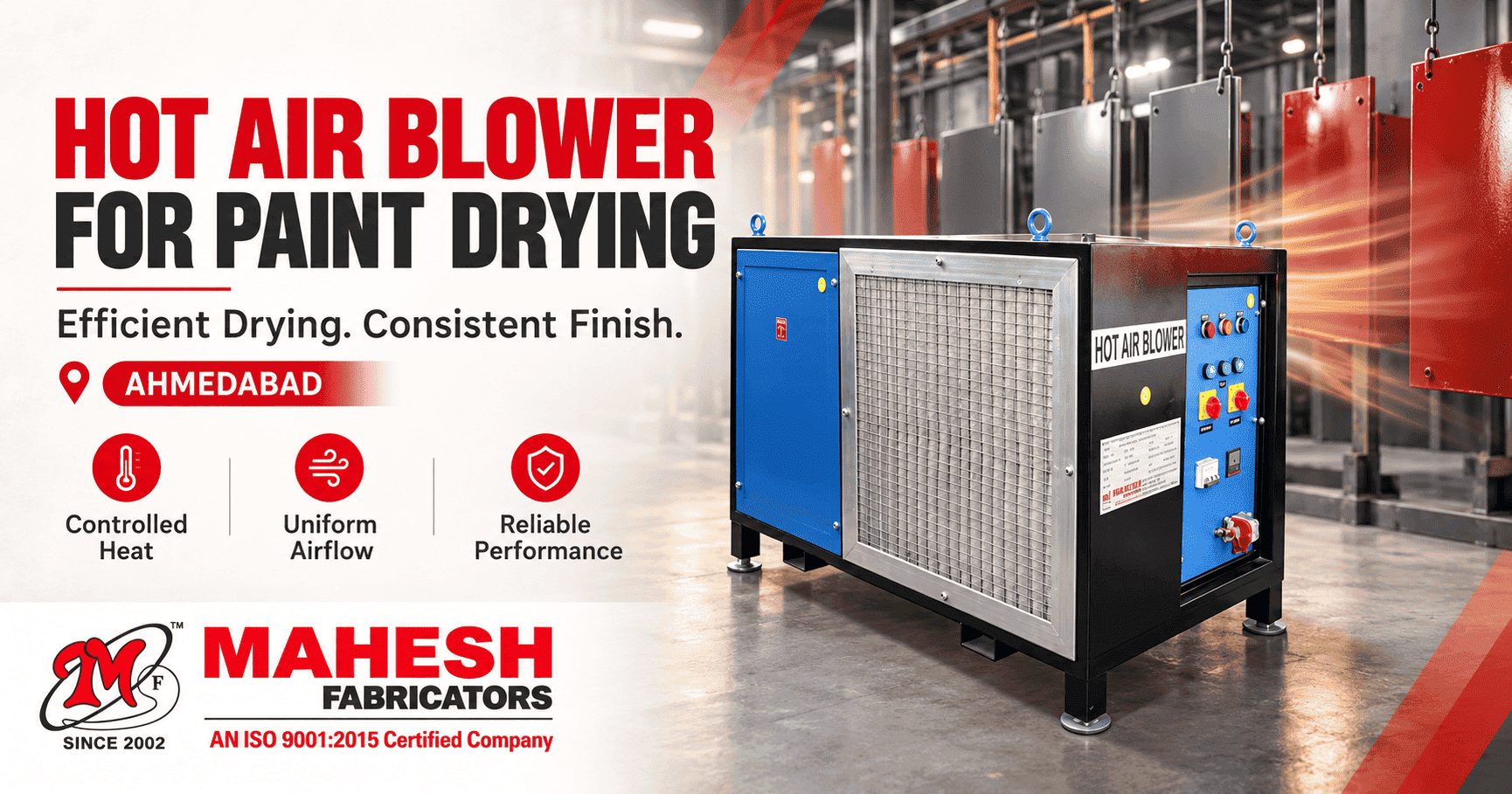
- Paints and Coatings: Curing applied paints, lacquers, and powder coatings on metal or plastic parts.
- Printing and Packaging: Drying inks on printed materials and ensuring packaging is moisture-free.
How to Choose the Right Hot Air Blower
Selecting the appropriate hot air blower requires careful consideration of your specific operational needs. Here’s a checklist to guide your decision:
- Drying Volume and Throughput: Determine the quantity of material to be dried per hour or per batch.
- Material Properties: Understand the moisture content, heat sensitivity, and physical form of the material being dried.
- Required Temperature: Specify the exact operating temperature range needed for effective and safe drying.
- Airflow Requirements: Calculate the necessary airflow to achieve efficient moisture removal within the desired timeframe.
- Space and Installation Constraints: Assess available space for the blower and any necessary ductwork.
- Power Source Availability: Confirm compatibility with your facility's electrical supply or other energy sources.
- Environmental Regulations: Consider any local or industry-specific regulations regarding emissions or noise.
- Supplier Reputation and Support: Evaluate the manufacturer's experience, quality certifications, and after-sales service.
Quality Standards and Compliance
For industrial hot air blowers, adherence to recognized quality standards and compliance with relevant regulations is non-negotiable. Manufacturers like Mahesh Fabricators, an ISO 9001-2015 certified company, demonstrate a commitment to quality management systems. Buyers should look for equipment that meets national and international standards such as IS (Indian Standards) or IEC (International Electrotechnical Commission) where applicable, particularly concerning electrical safety and performance. Compliance with safety norms ensures that the equipment operates reliably and minimizes risks to personnel and the production environment. Verifying these certifications and compliance details upfront provides assurance of the product's quality and safety.
Why Mahesh Fabricators' Experience and Capability Matters
With over 17 years of experience since its founding in 2002, Mahesh Fabricators has developed deep expertise in manufacturing industrial air systems, including hot air blowers. Their ISO 9001-2015 certification underscores a systematic approach to quality control throughout the design and manufacturing process. This experience translates into robust, reliable equipment designed to meet the specific demands of industries prevalent in Ahmedabad and beyond. Their capability extends to understanding the nuances of various applications, from textiles to pharmaceuticals, allowing them to offer solutions that are not only effective but also cost-efficient and user-friendly, with reduced maintenance needs.
Installation, Maintenance, and Care Tips
Proper installation and regular maintenance are key to maximizing the lifespan and performance of your hot air blower.
- Installation: Ensure the blower is installed on a stable, level surface, away from excessive dust or moisture. Connect ductwork securely to prevent air leaks. Verify electrical connections are made by a qualified electrician according to the manufacturer's specifications.
- Initial Run-In: For new units, follow the manufacturer's recommended run-in procedure, often involving operating at lower temperatures initially.
- Regular Cleaning: Keep air inlets and outlets free from obstructions. Periodically clean filters to maintain optimal airflow and prevent strain on the motor.
- Component Checks: Inspect heating elements for signs of wear or damage. Check fan blades for balance and cleanliness.
- Lubrication: Follow the recommended lubrication schedule for motor bearings, if applicable.
- Temperature Monitoring: Regularly verify that the temperature control system is functioning accurately.
- Professional Servicing: Schedule periodic inspections and servicing by qualified technicians to identify and address potential issues before they cause downtime.
Frequently Asked Questions
A hot air blower's main role is to supply precisely heated air at a controlled rate to remove moisture from materials. This process is vital for ensuring product quality, preventing spoilage, and optimizing manufacturing efficiency across various industries.
While both use a fan to move air, a hot air blower incorporates a heating element to raise the air temperature significantly. A standard industrial fan simply circulates ambient air without heating it.
Common industries include textiles, pharmaceuticals, food processing, chemicals, woodworking, ceramics, printing, and automotive manufacturing, among others, wherever moisture removal is a critical step.
The required size and capacity depend on the volume of material to be dried, the initial moisture content, the desired final moisture level, the material's heat sensitivity, and the available drying time.
Yes, reputable manufacturers like Mahesh Fabricators often offer customization options. This can include specific temperature ranges, airflow capacities, material constructions, and control system features to match unique process requirements.
Routine maintenance includes cleaning air inlets and filters, checking fan blades, inspecting heating elements, and ensuring electrical connections are secure. Periodic professional servicing is also recommended for optimal performance and longevity.
Conclusion
Hot air blowers are indispensable assets for any industrial operation in Ahmedabad that relies on efficient and effective drying. Their ability to deliver controlled heat and airflow directly impacts product quality, production speed, and operational costs. When selecting a hot air blower, understanding your specific application needs, considering key technical specifications, and prioritizing quality and compliance are crucial. Partnering with experienced manufacturers like Mahesh Fabricators, who offer proven expertise and ISO-certified quality, ensures you receive a reliable solution tailored to your industrial drying challenges.
Get In Touch
Mahesh Fabricators