Why Centrifugal Fans Are Used in Industrial Ventilation Systems
In the demanding environment of industrial operations, maintaining optimal air quality and efficient airflow is not just a matter of comfort, but of safety, productivity, and regulatory compliance. Among the various air-moving devices, centrifugal fans stand out as a cornerstone of robust industrial ventilation systems. Their unique design and operational capabilities make them indispensable for tackling the challenges posed by high-resistance ductwork, dust-laden air, and the need for precise air volume control. This article delves into the core reasons why centrifugal fans are the preferred choice for industrial ventilation, exploring their functionality, benefits, and critical applications.
The Indispensable Role of Centrifugal Fans
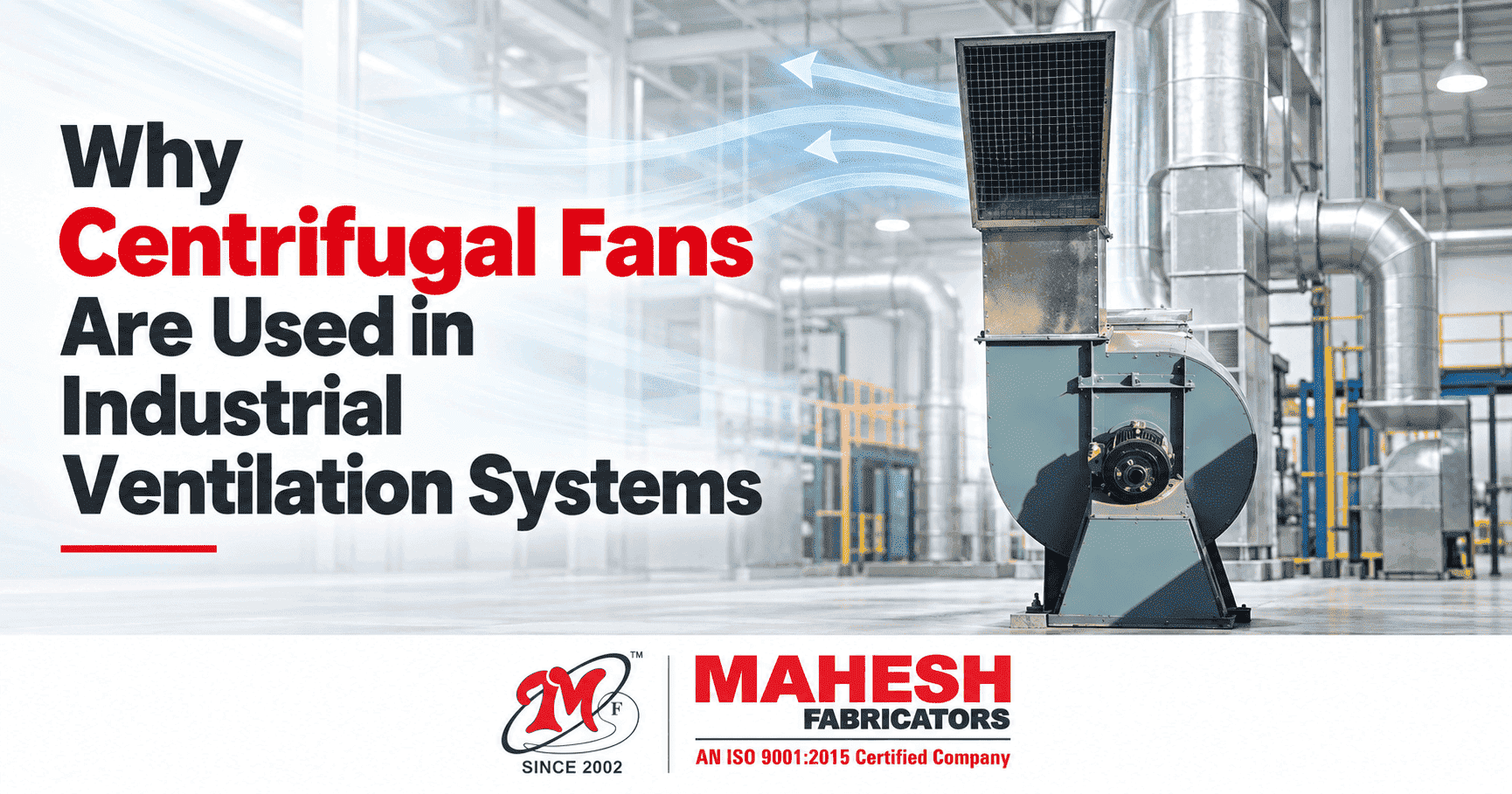
Industrial ventilation systems are designed to manage and control the air within a facility, removing contaminants, supplying fresh air, and regulating temperature. For these systems to function effectively, they require fans capable of moving substantial volumes of air against resistance. This is precisely where centrifugal fans excel. Unlike axial fans that move air parallel to the shaft, centrifugal fans draw air into their center and expel it radially outwards using a rotating impeller. This mechanism generates higher static pressure, enabling the air to be pushed or pulled through complex ductwork, filters, and other system components that often impede airflow.
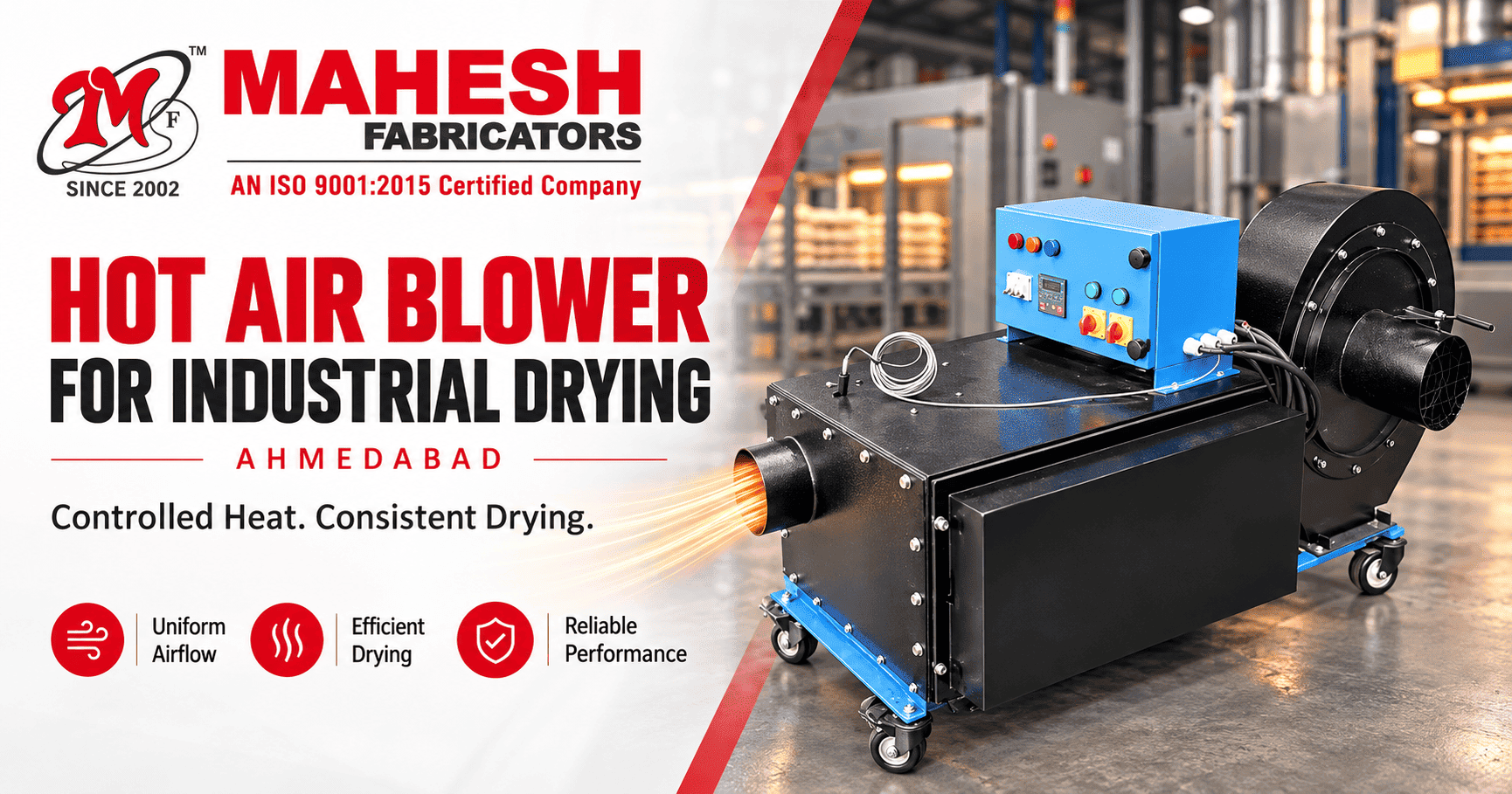
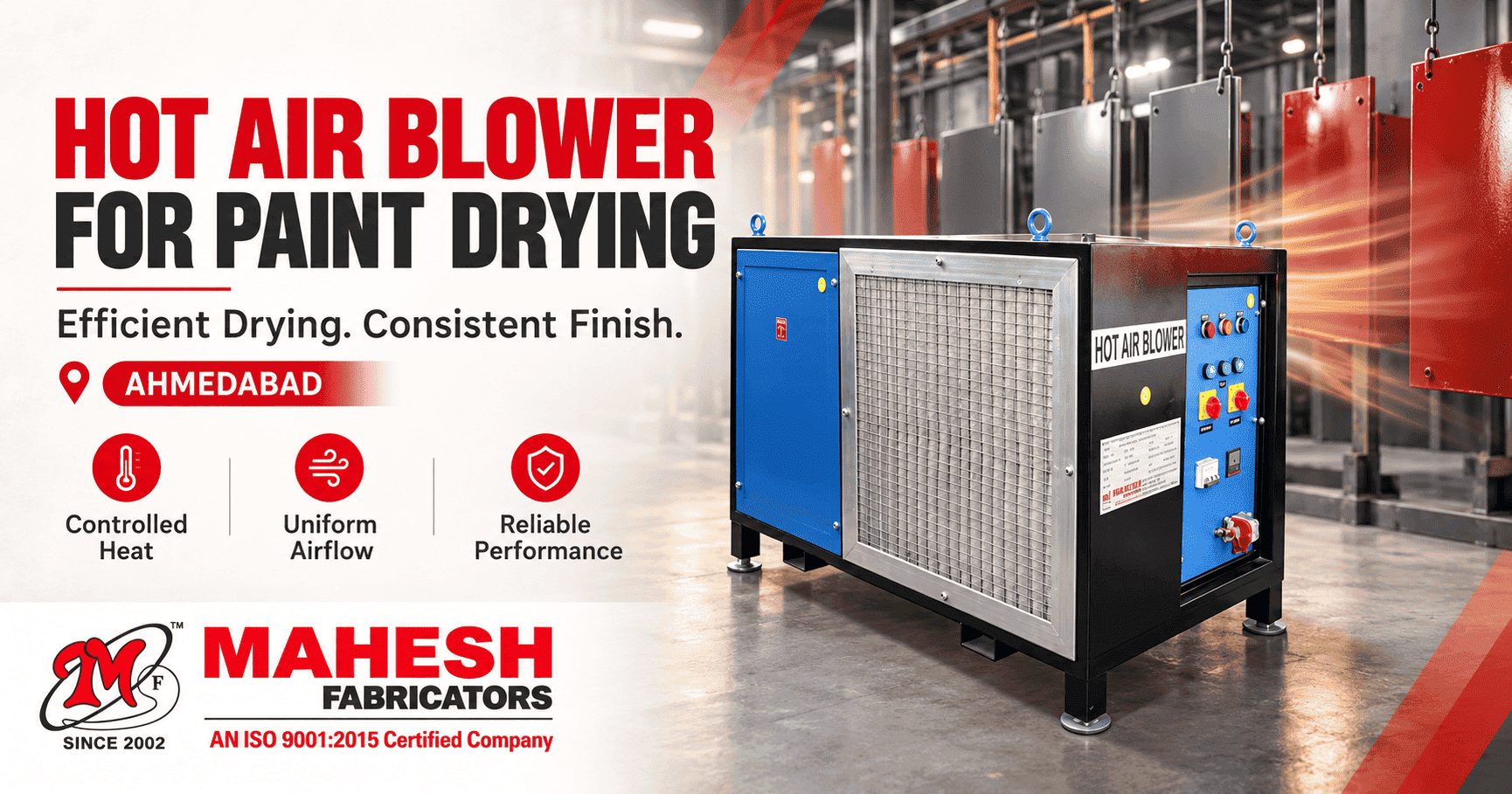
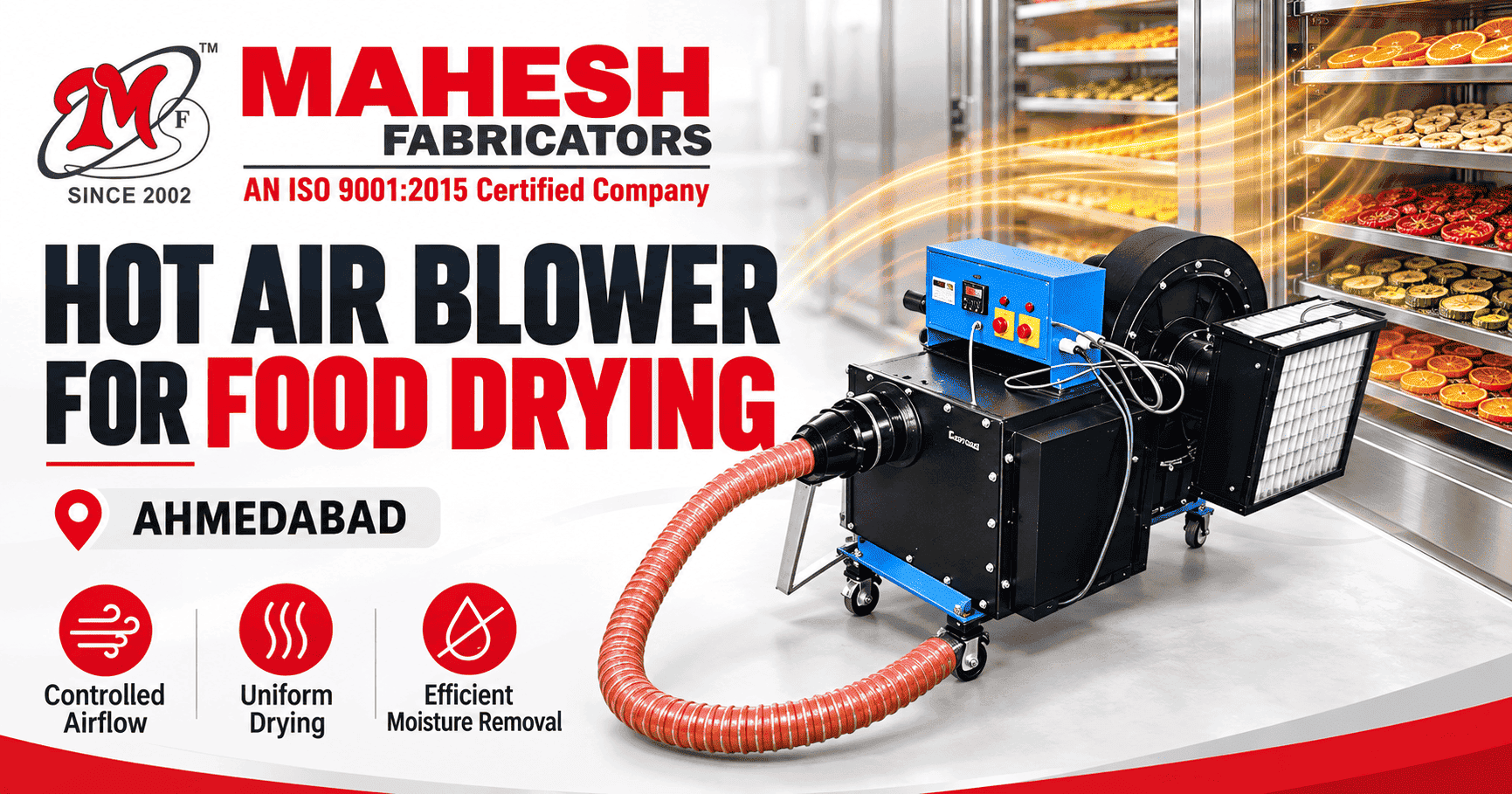
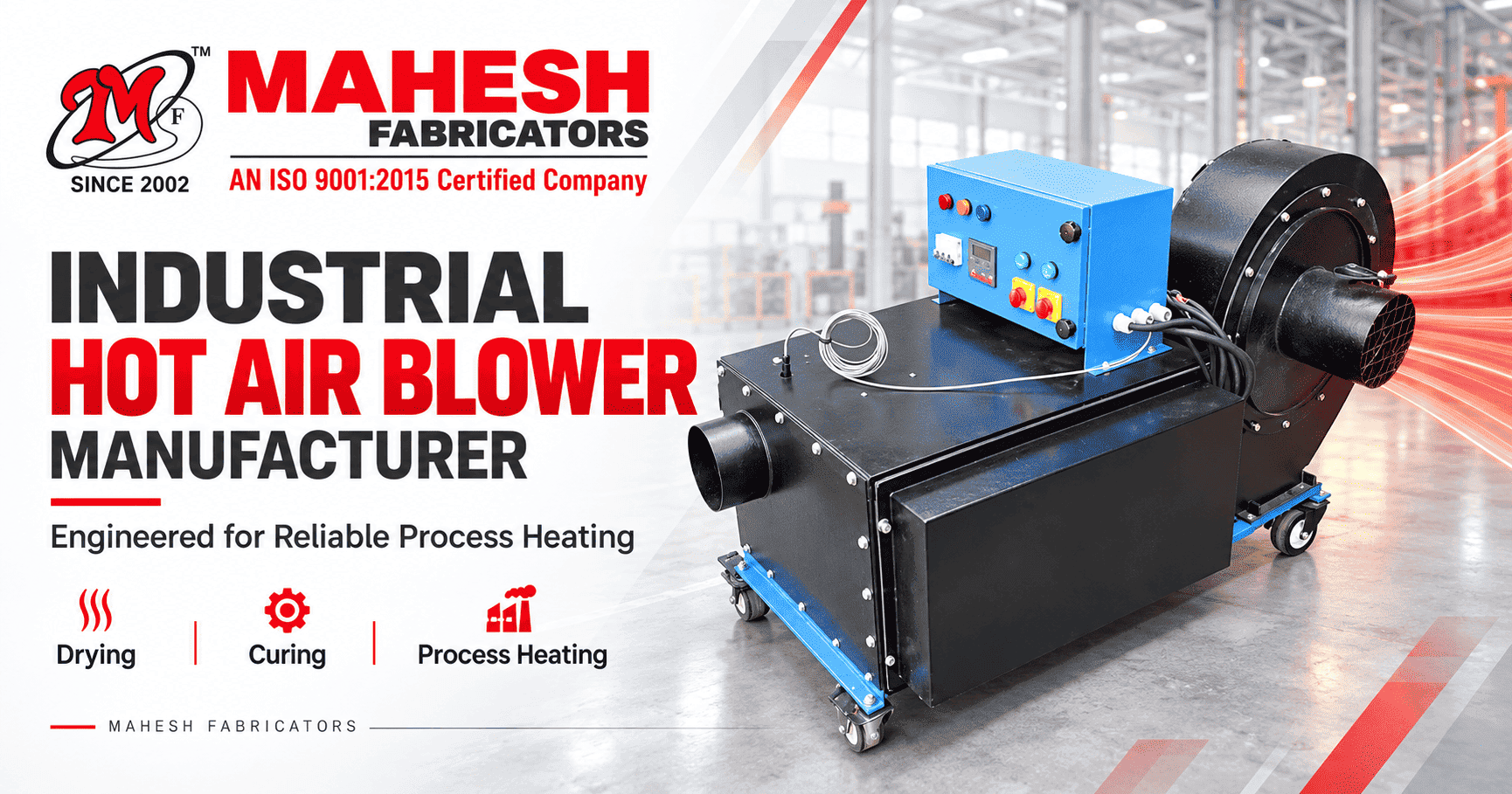
MAHESH FABRICATORS, an ISO 9001-2015 Certified Company established in 2002, specializes in manufacturing industrial air systems, including a comprehensive range of industrial centrifugal fans and blowers. They understand the critical need for reliable and efficient air movement in industrial settings and provide customized solutions designed to meet diverse application requirements.
Understanding Centrifugal Fan Operation
The fundamental principle behind a centrifugal fan is energy transfer from a rotating impeller to the airstream. Air enters the fan housing axially at the impeller's eye. As the impeller rotates, its blades impart kinetic energy to the air, accelerating it outwards due to centrifugal force. This high-velocity air then encounters the fan housing or scroll, which is shaped to gradually slow down the air, converting its kinetic energy into static pressure. This pressure is what drives the air through the ventilation system's ductwork and out to its destination.
The design of the impeller (e.g., forward-curved, backward-inclined, radial) significantly influences the fan's performance characteristics, such as airflow, pressure, and efficiency. MAHESH FABRICATORS manufactures industrial centrifugal fans and blowers designed for efficient airflow and high pressure, ensuring they are suitable for the most demanding industrial applications. Their commitment to customization means they can tailor fan designs to optimize performance for specific industrial needs.
Key Benefits Driving Their Use in Industry
The widespread adoption of centrifugal fans in industrial ventilation is driven by a set of compelling advantages:
- High Static Pressure Capability: This is arguably the most significant reason. Centrifugal fans can generate the necessary pressure to overcome resistance from long duct runs, filters, dampers, and other system components, ensuring effective air delivery or removal.
- Stable Airflow: They provide a stable and relatively constant airflow, even when system resistance varies. This reliability is crucial for processes that depend on a consistent air supply or exhaust.
- Versatility in Application: Centrifugal fans are suitable for a vast array of tasks, including general ventilation, dust collection, fume extraction, material handling, and process cooling.
- Durability and Reliability: Industrial-grade centrifugal fans are built to withstand harsh operating conditions, including high temperatures, corrosive elements, and particulate matter, often operating for extended periods with minimal maintenance. MAHESH FABRICATORS' industrial blowers are designed to be dependable, run without problems for extended periods, and operate with low noise.
- Efficiency in High-Resistance Systems: Compared to axial fans, centrifugal fans are generally more efficient when operating against significant static pressure, leading to lower energy consumption in many industrial ventilation scenarios.
- Lower Noise Levels: Depending on the impeller design and operating speed, centrifugal fans can often achieve lower noise levels than axial fans, especially in higher-pressure applications.
- Customization Options: Manufacturers like MAHESH FABRICATORS offer customized models and tailor-made solutions, allowing users to specify fan characteristics precisely matched to their application's unique demands.
Diverse Industrial Applications
The ability of centrifugal fans to handle various airflow and pressure requirements makes them suitable for an extensive list of industrial applications. MAHESH FABRICATORS' products are used across numerous sectors:
Industries benefiting from these applications include Textile, Pharma, Iron/Steel, Foundry, Ceramics, Plastics, Furnaces, Cotton/Woodworking, Plywood MFG, Coal, Cement, Chemical, Hotel, and Restaurant sectors. The versatility ensures that wherever air needs to be moved efficiently and reliably against resistance, a centrifugal fan is likely the solution.
Selecting the Right Centrifugal Fan for Your Needs
Choosing the appropriate centrifugal fan is crucial for the effectiveness and efficiency of any industrial ventilation system. Several factors must be considered:
Key Selection Criteria:
- Airflow Rate (CFM): Determine the required volume of air to be moved per minute based on the space size and ventilation needs.
- Static Pressure (inches w.g. or Pa): Calculate the total resistance the fan must overcome, including ductwork, filters, and other components. This is critical for ensuring adequate airflow reaches its destination.
- Air Characteristics: Consider if the air is clean, hot, humid, or contains particulate matter, corrosive elements, or explosive vapors, as this will influence material selection and fan type.
- Temperature: The operating temperature of the air and ambient conditions affect motor and material choices.
- Noise Requirements: Some applications have strict noise level regulations that might necessitate specific fan designs or enclosures.
- Efficiency: Look for fans with high efficiency ratings, especially for continuous operation, to minimize energy costs. Fans integrated with Electronically Commutated (EC) motors can offer significant energy savings.
- Space Constraints: The physical dimensions and mounting requirements of the fan must fit within the available space.
- Duty Cycle: Consider whether the fan will operate continuously or intermittently.
Buyer Insight:
Don't underestimate the importance of static pressure. A fan might offer a high airflow rate on paper, but if it cannot overcome the system's resistance, its actual performance will be significantly lower. Always consult performance curves and, if possible, discuss your system's total static pressure requirements with the manufacturer.
Questions to Ask Before Buying:
- What is the required airflow and static pressure for my specific application?
- What are the characteristics of the air being handled (temperature, contaminants, corrosiveness)?
- Are there any specific noise level limitations for the installation site?
- What is the expected lifespan and maintenance requirement for the fan?
- Can the manufacturer provide customized solutions if standard models are not a perfect fit?
- What kind of support and after-sales service is available?
Manufacturers like MAHESH FABRICATORS specialize in providing these tailored assessments. They offer industrial fans and blowers designed for demanding applications and can provide support and assessments to help clients choose the right solution, aiming to maximize productivity and deliver reliable results.
MAHESH FABRICATORS: Your Partner in Industrial Ventilation
MAHESH FABRICATORS has been a trusted name in industrial air systems since its inception in 2002. As an ISO 9001-2015 Certified Company, they are committed to delivering high-quality, reliable centrifugal fans and blowers that meet the stringent demands of modern industry. Their expertise lies in manufacturing and supplying a diverse range of air movement equipment, including specialized centrifugal fans engineered for performance and durability.
They pride themselves on offering not just products, but complete solutions. Understanding that every industrial application is unique, MAHESH FABRICATORS excels in providing customized models and tailor-made designs. This bespoke approach ensures that clients receive fans precisely suited to their specific operational needs, whether for general ventilation, critical exhaust, or process-specific air handling. Their industrial blowers are known for their dependability, extended runtimes, and quiet operation, contributing to safer and more productive work environments.
From air ventilation and machinery suction to specialized applications like kitchen exhaust and smoke extraction, MAHESH FABRICATORS provides industrial fans and blowers that are built to last and perform. They serve a wide spectrum of industries, demonstrating their broad expertise and capacity to deliver effective air systems across various sectors.
Frequently Asked Questions
What is the primary advantage of centrifugal fans over axial fans in industrial settings?
The primary advantage of centrifugal fans in industrial settings is their ability to generate higher static pressure. This makes them ideal for overcoming resistance in long duct runs, filters, and other system components, which is common in industrial ventilation. Axial fans are better suited for high-volume, low-pressure applications.
How do centrifugal fans handle dusty or contaminated air?
Centrifugal fans can be designed with specialized impeller types (e.g., radial blades) and constructed from robust materials to handle dusty, hot, or corrosive air. Their ability to generate high pressure also helps in pushing air through dust collection systems effectively. MAHESH FABRICATORS offers solutions for various air characteristics.
Are centrifugal fans energy-efficient?
Centrifugal fans can be highly energy-efficient, especially when selected correctly for the application and operating point. Efficiency is maximized when the fan operates near its Best Efficiency Point (BEP). Integrating them with energy-efficient motors, like EC motors, further enhances their energy-saving capabilities.
What industries commonly use centrifugal fans for ventilation?
Centrifugal fans are used across a vast range of industries, including manufacturing, chemical processing, pharmaceuticals, food and beverage, mining, construction, automotive, power generation, and hospitality (e.g., kitchen exhaust). Their versatility makes them a staple in almost any industrial environment requiring controlled airflow.
Optimize Your Industrial Ventilation Today
Ensuring effective and efficient industrial ventilation is critical for operational success, safety, and compliance. Centrifugal fans are a proven solution for high-pressure, high-resistance applications that demand reliable airflow.
MAHESH FABRICATORS offers expert guidance and customized centrifugal fan solutions to meet your specific industrial ventilation needs. Whether you require general ventilation, specialized exhaust, or process air handling, their ISO 9001-2015 certified team is ready to assist.
Explore Solutions with MAHESH FABRICATORS