What Is a Low Pressure Blower and How Does It Work?
Low pressure blowers are fundamental components in numerous industrial processes, facilitating the movement of air for a wide array of applications. Unlike compressors that generate high pressures, these specialized blowers are designed to move substantial volumes of air efficiently at lower pressure differentials. Understanding their mechanism, applications, and selection criteria is crucial for optimizing industrial operations and ensuring effective air handling solutions. This guide delves into the core aspects of low pressure blowers, their working principles, and practical considerations for procurement.
Understanding Low Pressure Blowers
A low pressure blower is a mechanical device engineered to move large quantities of air. Its primary distinction lies in its operational pressure range, which is significantly lower than that of air compressors. While compressors are built to compress air to high pressures for specific tasks, blowers are optimized for airflow. In industrial contexts, low pressure is generally defined as operating below 1 bar, which equates to approximately 1,500 mmWC or 60 inches of water column. Some industry standards may classify this further, with limits often set at or below 1,000 Pascals (Pa) or 0.1 kilopascals (kPa), though certain specialized fields might extend this to 3,000 Pa (3 kPa).
These blowers are essential for tasks where a continuous, high-volume air supply is needed without the force associated with high pressure. Their design prioritizes the quantity of air moved over the intensity of the pressure. This makes them an energy-efficient, quieter, and cost-effective solution for systems with low resistance, such as those involving short, wide ductwork or open discharge points.
How Does a Low Pressure Blower Work?
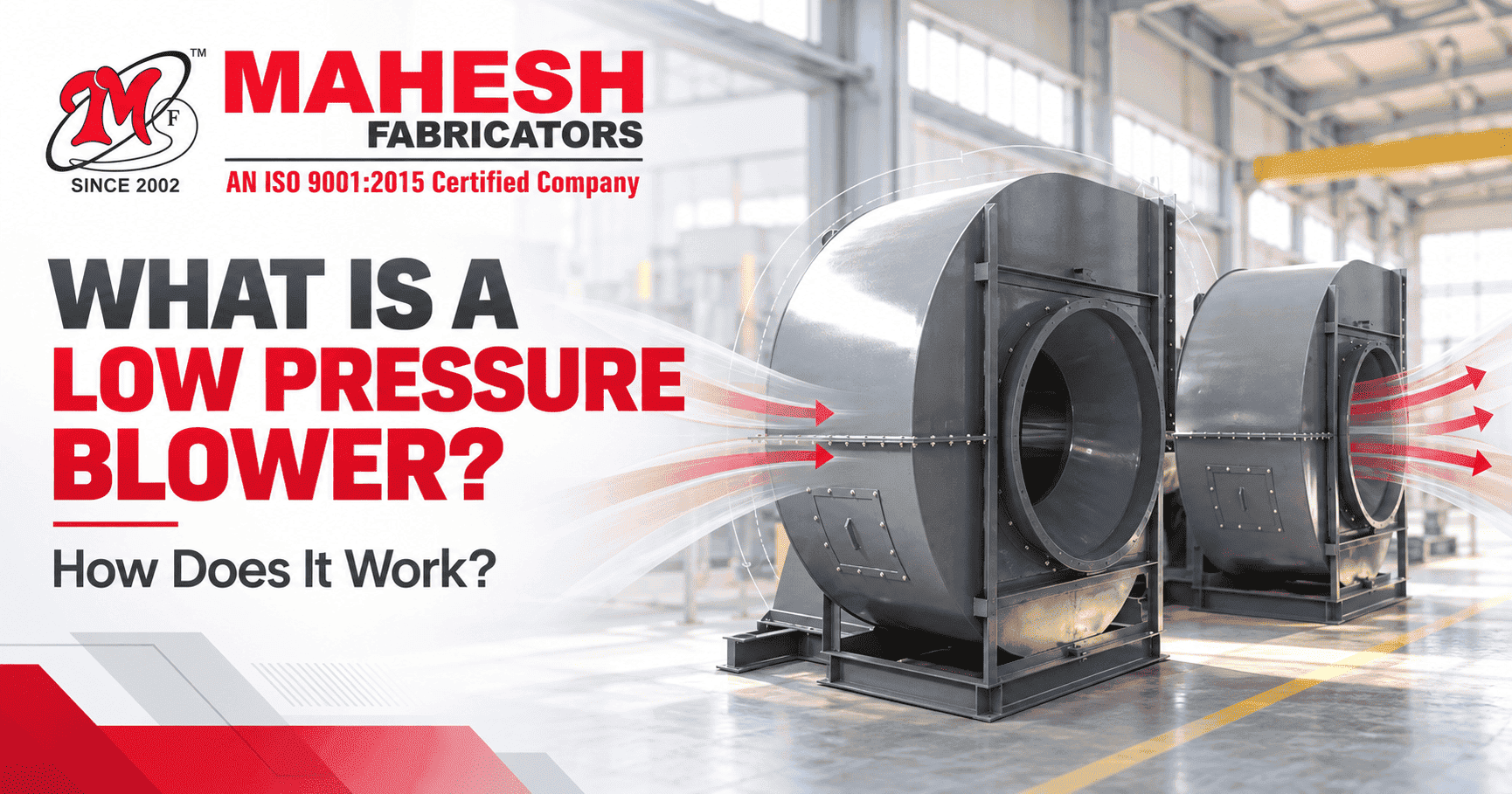
The fundamental principle behind a low pressure blower's operation involves rotating impellers or fan blades. These components are the heart of the blower, drawing ambient air into the blower housing and then expelling it to create a steady stream of airflow. The process can be visualized as follows:
- Intake: Air is drawn into the blower through an inlet, typically guided towards the rotating impeller.
- Impeller Action: As the impeller spins at high speed, its blades impart kinetic energy to the air molecules. Centrifugal force plays a significant role, pushing the air outwards from the center of the impeller towards the casing's periphery.
- Airflow Generation: This outward movement of air creates a low-pressure zone at the impeller's eye, drawing in more air. Simultaneously, the air pushed outwards is directed towards the blower's outlet.
- Discharge: The air exits the blower housing at a slightly elevated pressure and a high volume, ready to be channeled through ductwork or discharged into an open space.
Low-pressure centrifugal blowers often employ impellers with forward-curved blades. This design is particularly effective for moving large volumes of air at relatively low speeds and pressures, contributing to the blower's efficiency and quiet operation. The continuous nature of this process ensures a consistent supply of air, crucial for many industrial applications.
Key characteristics of their operation include minimal heat generation and minimal excess pressure, focusing purely on the movement of air volume. This efficiency translates to lower energy consumption compared to high-pressure systems when the application only requires low-pressure airflow.
Key Applications and Use Cases
The versatility and efficiency of low pressure blowers make them indispensable in a wide array of industrial settings. Their ability to handle large air volumes at low pressures is leveraged across various sectors for tasks ranging from simple ventilation to complex exhaust systems.
Ventilation and Air Conditioning
Crucial for maintaining air quality in large spaces, industrial facilities, and commercial buildings by circulating fresh air and removing stale or contaminated air.
Industrial Exhaust Systems
Used for extracting fumes, dust, and process by-products from manufacturing lines, workshops, and processing plants, ensuring a safer working environment.
Drying and Odor Removal
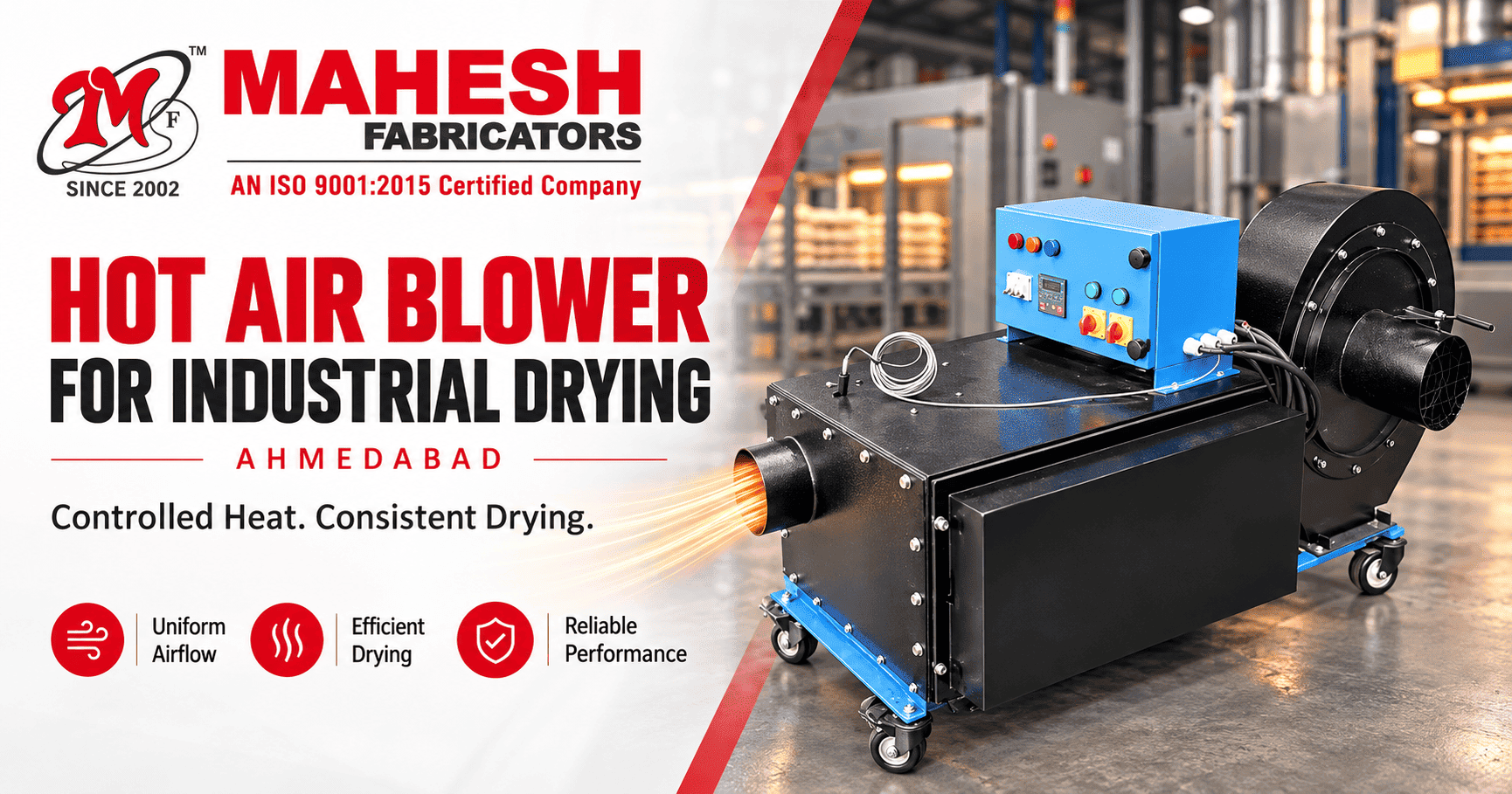
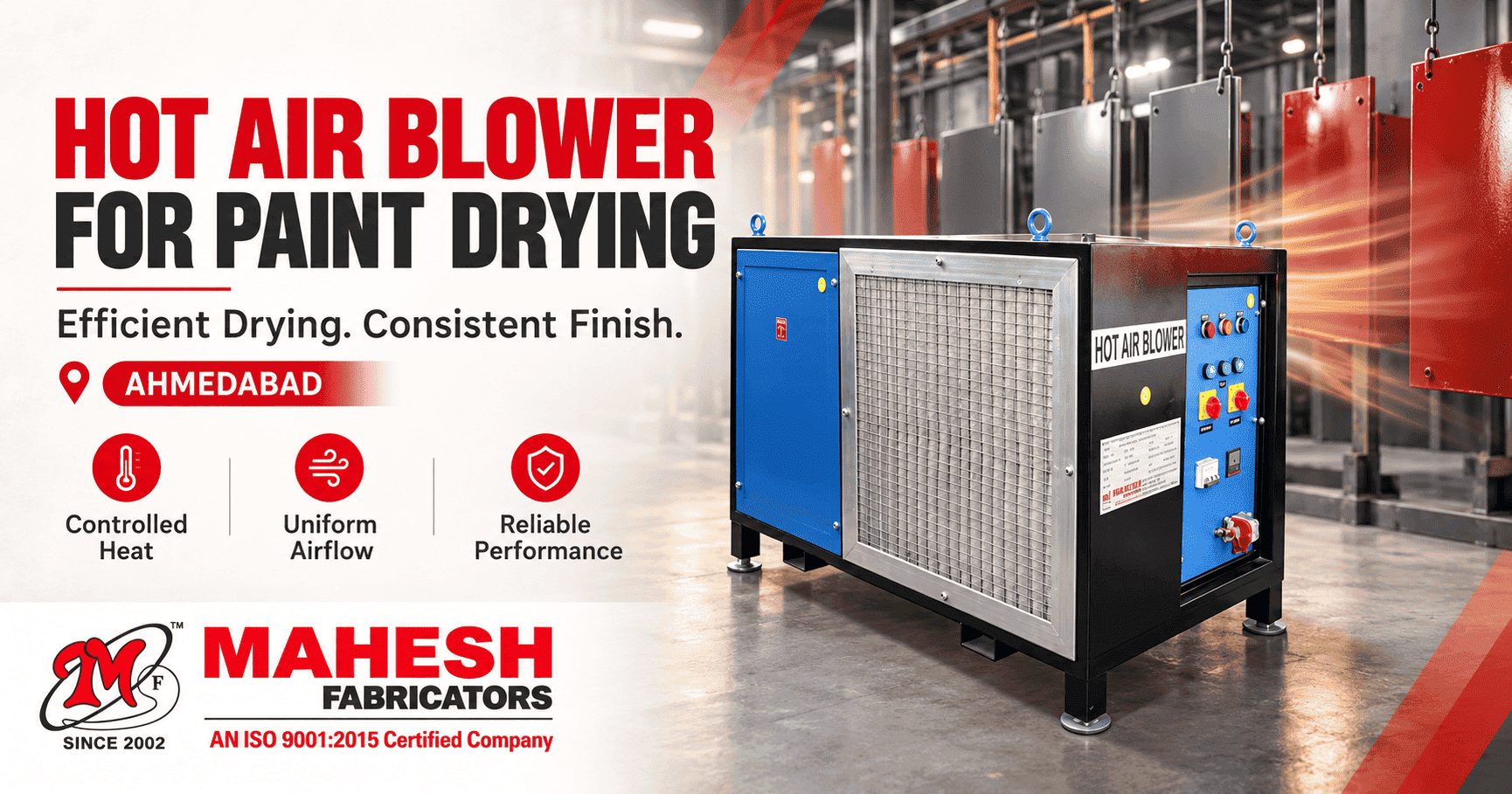
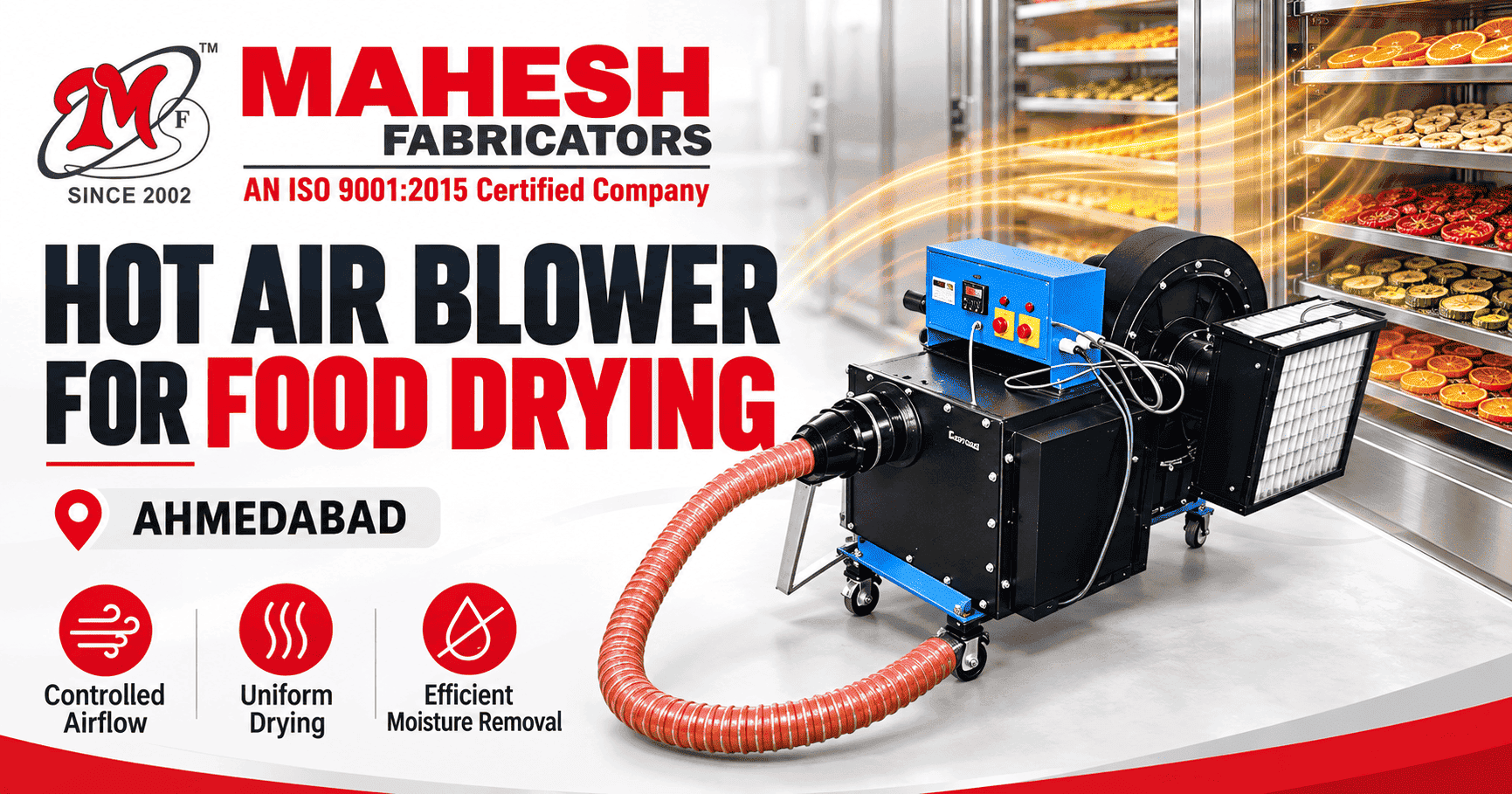
Their airflow can accelerate drying processes for materials, products, or surfaces, and help dissipate unwanted odors in various industrial applications.
Gas and Vapor Handling
Suitable for systems that require the safe removal or circulation of gases and vapors, including those from solvent tanks or chemical processes.
Material Handling
In certain pneumatic conveying systems, low pressure blowers can be used to move lightweight bulk materials.
General Air Circulation
Ensuring uniform air distribution in large warehouses, agricultural facilities, or areas requiring consistent air movement.
The specific application dictates the required airflow rate, pressure, and the materials of construction for the blower, ensuring optimal performance and longevity in challenging environments. MAHESH FABRICATORS offers robust low pressure blowers designed to meet these diverse industrial demands.
Key Benefits of Using Low Pressure Blowers
Choosing a low pressure blower offers several distinct advantages for industrial operations:
- Energy Efficiency: They consume significantly less power for applications that do not require high pressure, typically ranging from 0.02 to 0.05 kW/(m³/min). This leads to lower operating costs.
- High Air Volume: Optimized for moving large volumes of air, making them ideal for ventilation, cooling, and dust collection systems.
- Quiet Operation: Generally operate more quietly than high-pressure systems, contributing to a better workplace environment.
- Cost-Effectiveness: Lower initial purchase price and reduced running costs make them an economical choice for suitable applications.
- Durability: When constructed with appropriate materials like Mild Steel, Stainless Steel, or Galvanized Iron, they can withstand various industrial conditions, including exposure to dusty or mildly corrosive air.
- Versatility: Adaptable to a broad spectrum of applications, from simple air circulation to specialized fume extraction.
Buyer's Guide: Selecting the Right Low Pressure Blower
Selecting the appropriate low pressure blower is critical for ensuring operational efficiency, safety, and longevity. Several factors need careful consideration to match the blower's capabilities with the specific demands of the application.
Key Selection Criteria:
- Airflow Requirement (CFM/CMH): Determine the exact volume of air that needs to be moved per minute or hour. This is often the primary specification. MAHESH FABRICATORS' blowers can handle airflow up to 150,000 CFM.
- Pressure Requirement (MMWG/Pa): While low pressure, the exact static pressure the blower must overcome (e.g., resistance from ductwork, filters) is crucial. MAHESH FABRICATORS' units can achieve pressures up to 200 MMWG.
- Air Quality: Assess whether the air is clean, dusty, hot, or potentially corrosive. This will dictate the necessary construction materials (Mild Steel, Stainless Steel, GI).
- Operating Environment: Consider factors like ambient temperature, space availability, and noise level restrictions.
- Power Source and Efficiency: Ensure compatibility with available power supply and evaluate the blower's energy consumption to manage operational costs.
- Duty Cycle: Determine if the blower will operate continuously or intermittently.
Buyer Insight: Airflow vs. Pressure
It's vital to understand that low-pressure blowers are designed for *volume* over *pressure*. Trying to use them for applications requiring significant pressure build-up will lead to underperformance and potential damage. Always match the blower's rated capacity to the system's actual needs.
Questions to Ask Before Buying:
- What is the required airflow rate in CFM or m³/hr?
- What is the maximum static pressure the blower needs to overcome in MMWG or Pa?
- What is the nature of the air being handled (clean, dusty, corrosive, temperature)?
- Are there any specific noise level limitations for the installation site?
- What are the available power supply options and voltage requirements?
- What is the expected lifespan and maintenance schedule for the blower?
- What materials of construction are best suited for the operating environment?
By addressing these questions, you can effectively communicate your needs to manufacturers like MAHESH FABRICATORS to receive a tailored solution.
MAHESH FABRICATORS: Your Partner in Air Systems
MAHESH FABRICATORS, established in 2002 and proudly ISO 9001-2015 certified, specializes in manufacturing robust industrial air systems, including high-performance low pressure blowers. Our commitment to quality and customer satisfaction is reflected in every unit we produce.
Our low pressure blowers are engineered to deliver exceptional performance for a variety of demanding applications such as industrial ventilation, AC systems, air extraction, drying, and specialized fume exhaust. We offer significant flexibility in design, with capabilities reaching airflow volumes of up to 150,000 CFM and pressures up to 200 MMWG. Furthermore, we provide construction in premium materials including Mild Steel, Stainless Steel, and Galvanized Iron (G.I.) to ensure durability and suitability for diverse operational environments.
When you require reliable air movement solutions, MAHESH FABRICATORS provides the expertise and quality products necessary to enhance your industrial processes. We understand the critical role these components play and are dedicated to supplying equipment that meets stringent performance and reliability standards.
Frequently Asked Questions (FAQ)
What is the main difference between a low pressure blower and a compressor?
The primary difference lies in their operating pressure and volume capabilities. Low pressure blowers are designed to move large volumes of air at low pressures, whereas compressors are designed to compress air to much higher pressures, moving smaller volumes relative to blowers.
Can low pressure blowers handle dusty air?
Yes, low pressure blowers can handle dusty air, provided they are constructed with appropriate materials and designs to prevent wear and clogging. MAHESH FABRICATORS offers units in materials like Mild Steel, Stainless Steel, and G.I. suitable for various air conditions.
What does MMWG stand for in relation to blower pressure?
MMWG stands for Millimeters of Water Column (or mm WC). It is a common unit of measurement for low pressures used in ventilation and air handling systems, indicating the pressure exerted by a column of water one millimeter high.
How does impeller design affect blower performance?
The impeller's design, such as the blade type (e.g., forward-curved), diameter, and speed, directly influences the airflow rate and pressure generated. Forward-curved impellers are often used in low-pressure blowers to achieve high air volumes efficiently at lower speeds.
Are low pressure blowers energy efficient?
Yes, low pressure blowers are known for their energy efficiency when applied correctly. They consume less power for tasks requiring high air volume but low pressure, compared to high-pressure systems. Typical consumption ranges from 0.02 to 0.05 kW per cubic meter per minute.
Ready to Optimize Your Airflow Needs?
Ensure your industrial processes benefit from efficient and reliable air movement. Discover how MAHESH FABRICATORS' expertly manufactured low pressure blowers can meet your specific requirements.
Explore Low Pressure Blowers Now