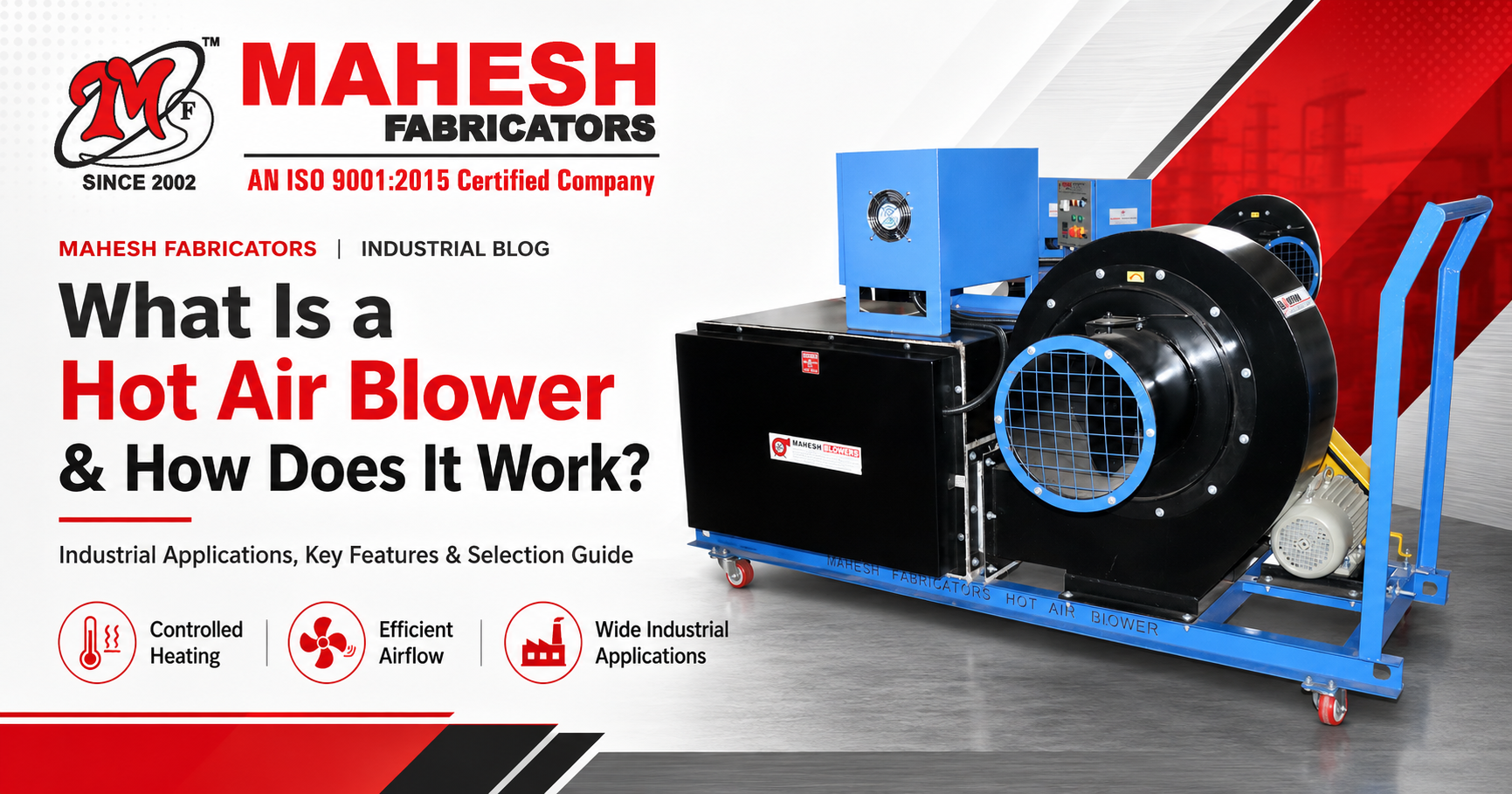
What Is a Hot Air Blower and How Does It Work?
Understand what a hot air blower is, how it works, and its industrial uses. Expert guide from Mahesh Fabricators in Ahmedabad.
Why This Matters in Ahmedabad
Ahmedabad, a major industrial hub in Gujarat, relies heavily on efficient manufacturing processes. Sectors like textiles, pharmaceuticals, ceramics, and food processing, all prominent in the region, frequently require controlled heating and drying. The demand for reliable hot air blowers is driven by the need to maintain product quality, speed up production cycles, and ensure operational safety in these diverse industrial settings. Investing in the right hot air blower directly impacts a facility's productivity and profitability within the competitive Ahmedabad market.
What Is a Hot Air Blower — Overview
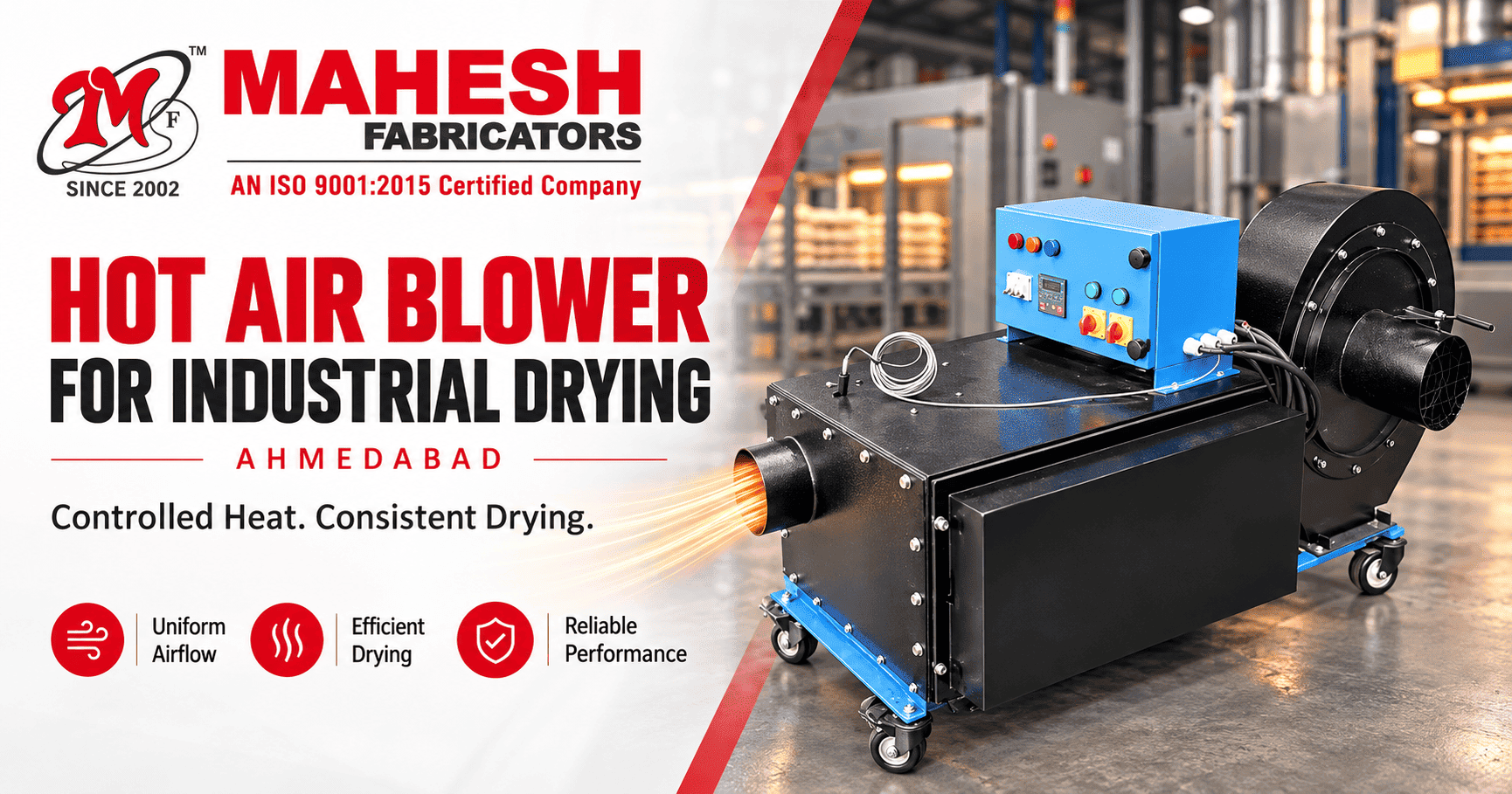
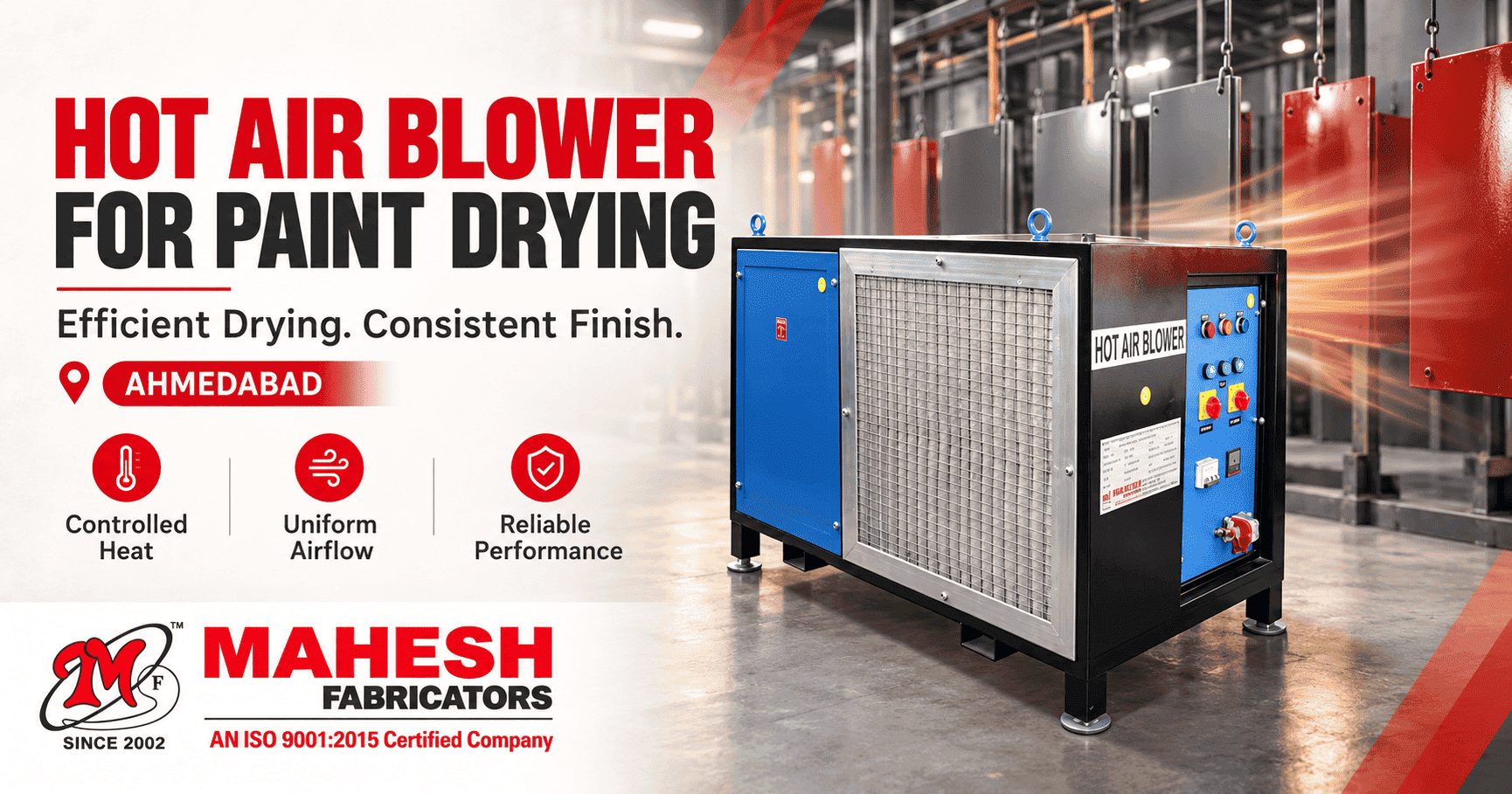
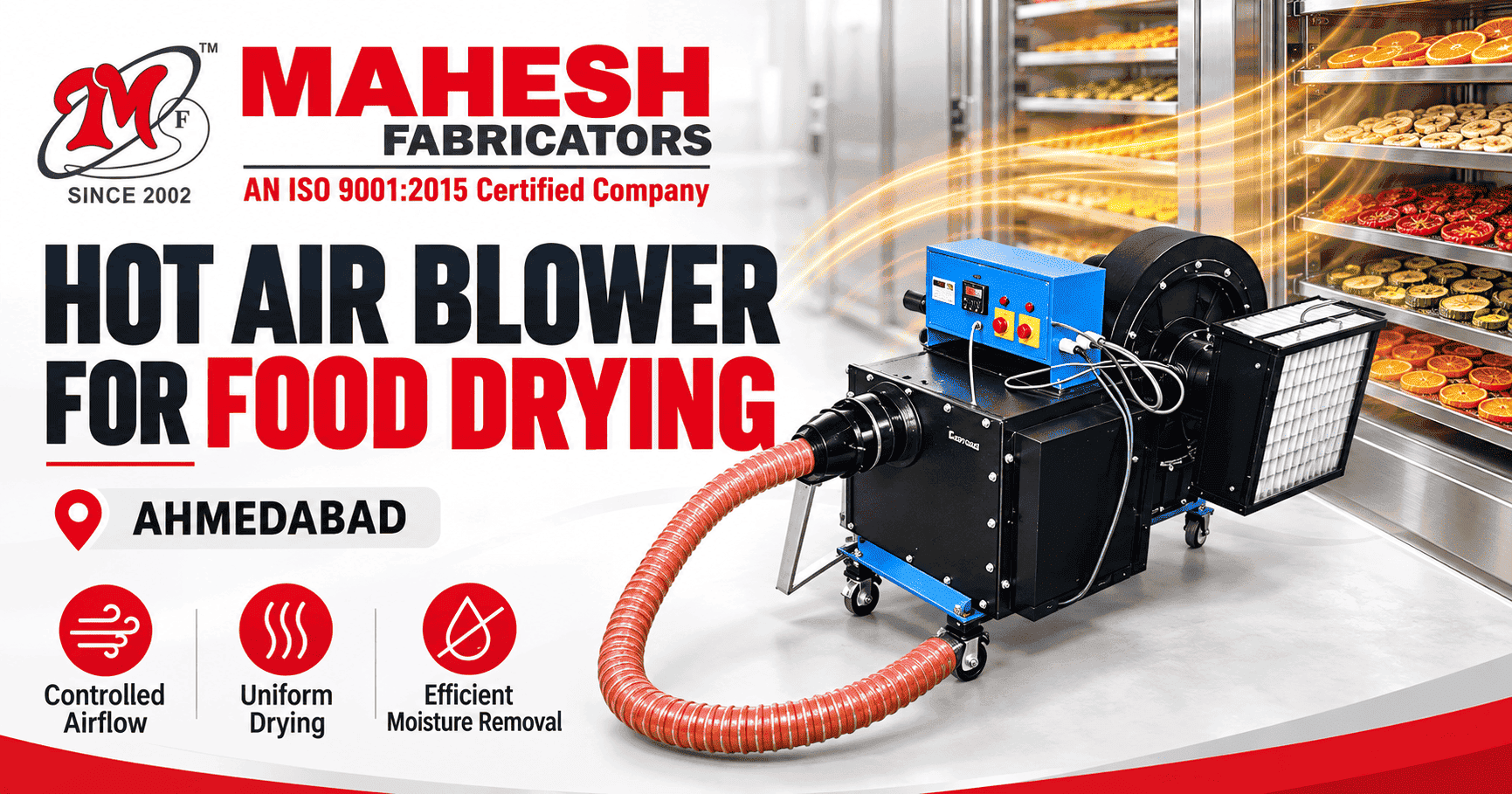
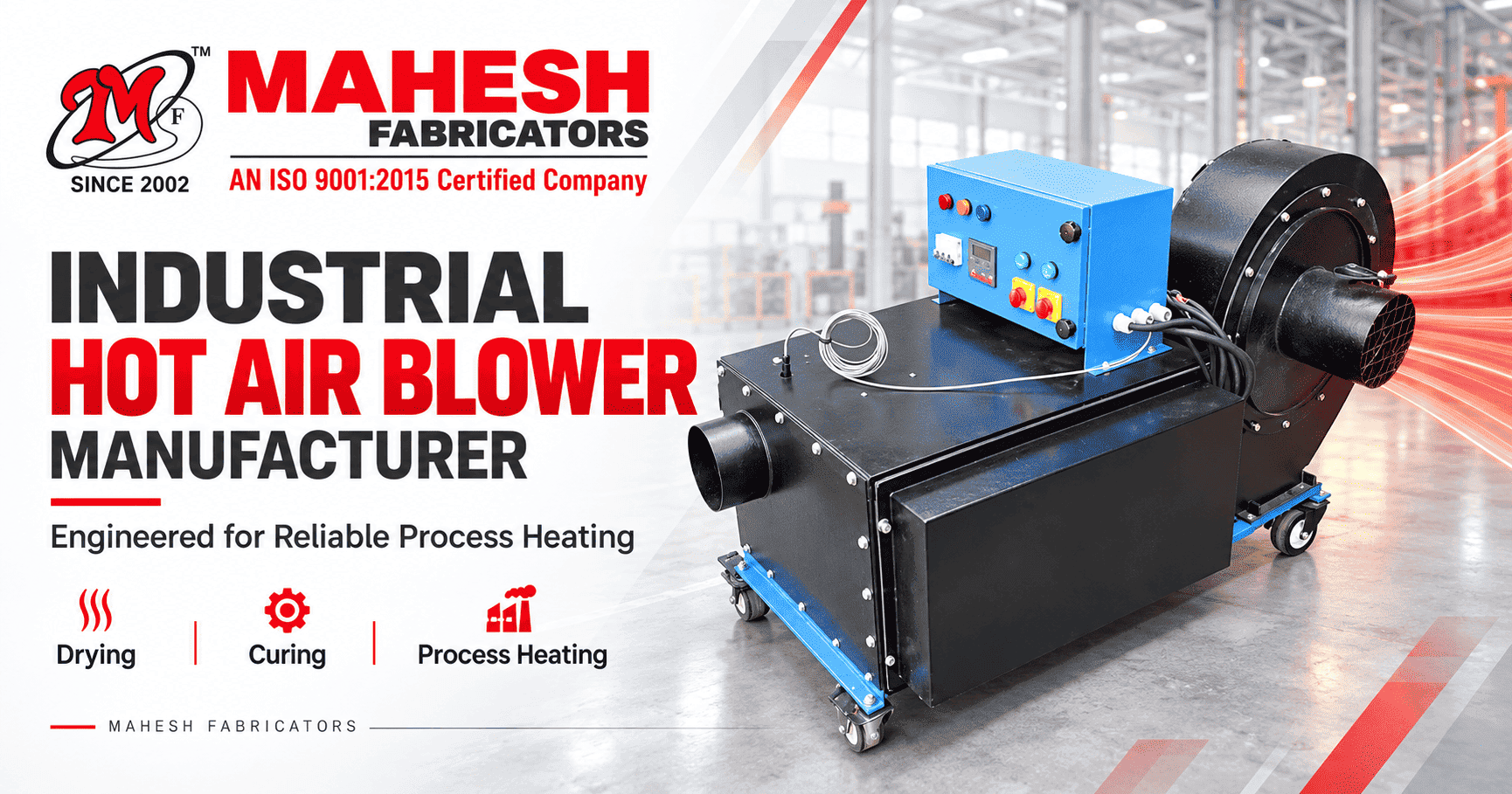
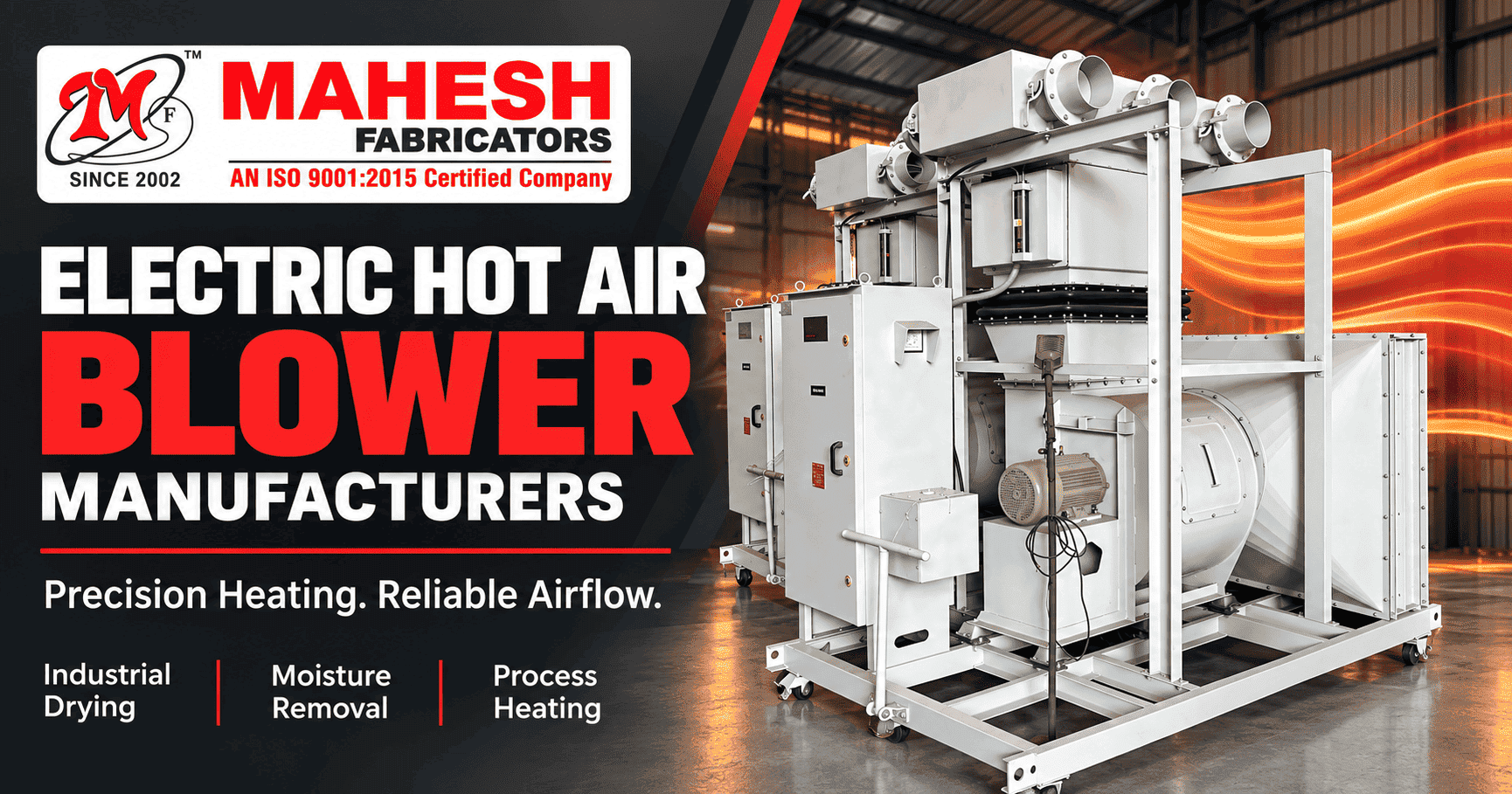
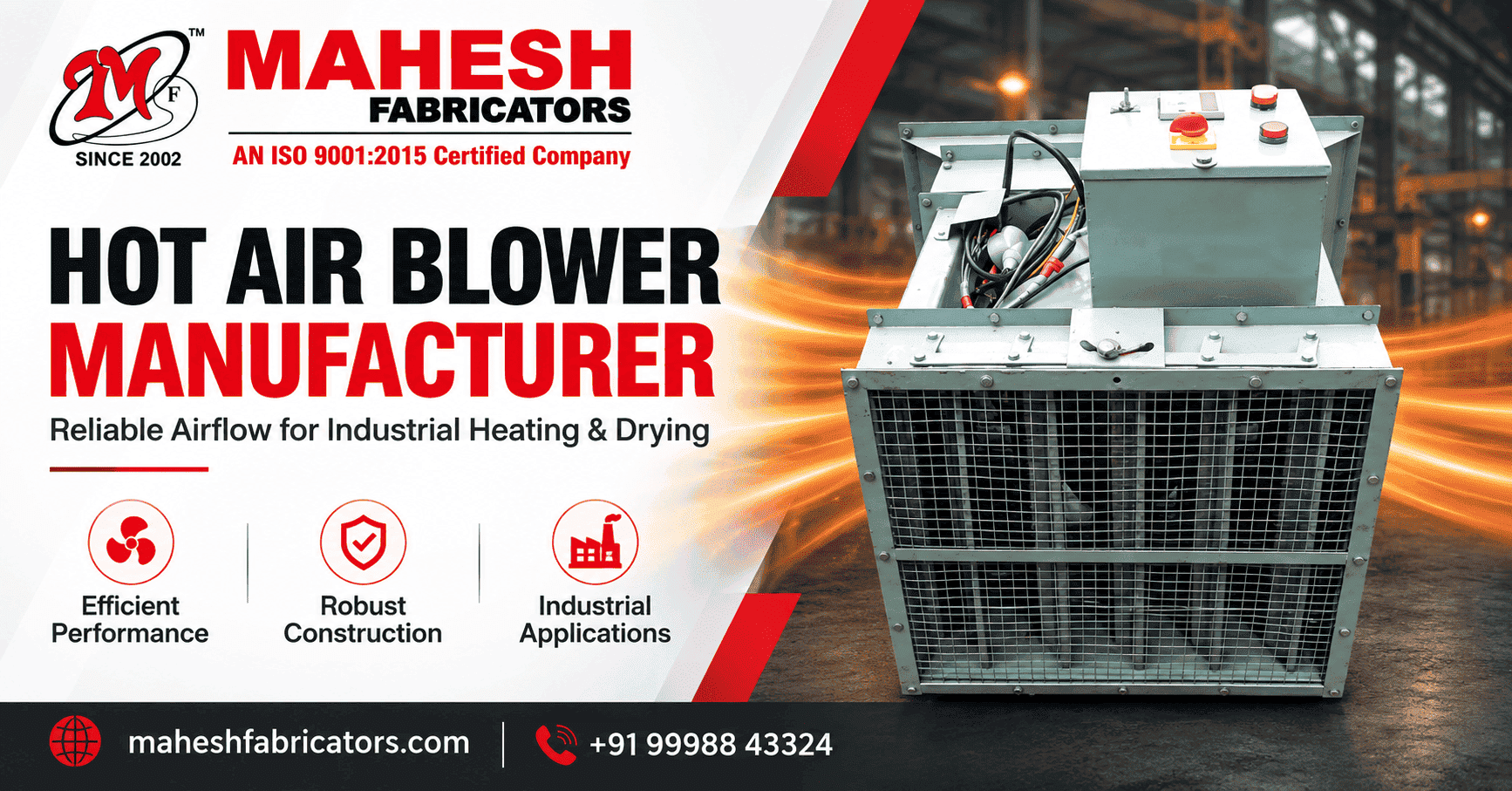
A hot air blower is an industrial device designed to generate and deliver a stream of heated air at a controlled temperature and volume. It essentially combines the functions of a fan and a heating element. The fan draws ambient air into the unit, which then passes over a heating mechanism – typically electric resistance coils or a heat exchanger heated by an external source like steam or a burner. The heated air is then expelled under pressure through an outlet, ready for application in various industrial tasks.
Key Features and Technical Specifications
- Heating Element Type: Options include electric resistance coils (for direct heating) or heat exchangers (for indirect heating using steam, gas, or thermal oil).
- Airflow Capacity: Measured in cubic meters per hour (CMH) or cubic feet per minute (CFM), indicating the volume of air the blower can move.
- Temperature Range: The maximum and minimum operating temperatures the blower can achieve, crucial for specific process requirements.
- Motor Power: The electrical power rating of the fan motor, influencing airflow and pressure capabilities.
- Pressure Rating: The static pressure the blower can generate, important for pushing air through ducts or resisting system backpressure.
- Material Construction: Typically robust materials like stainless steel or galvanized iron for durability in industrial environments.
- Control System: May include simple on/off switches, variable speed drives (VSDs), or sophisticated digital controllers for precise temperature and airflow management.
- Safety Features: Overheat protection, thermal cut-offs, and robust electrical insulation are standard.
Industrial Applications and Use Cases
- Drying: Accelerating the drying of textiles, paper, paints, coatings, and agricultural products.
- Curing: Facilitating the curing of resins, plastics, and rubber compounds.
- Heating: Providing process heat for furnaces, ovens, and industrial kitchens.
- Sterilization: Used in some pharmaceutical and food processing applications for heat sterilization.
- Material Handling: Pneumatically conveying certain types of granular materials where gentle heating is beneficial.
- Shrink Wrapping: Applying heat to shrink films around products for packaging.
- Preheating: Warming components or materials before further processing.
- Ventilation and Dehumidification: In specific applications, heated air can aid in removing moisture from enclosed spaces.
How to Choose the Right Hot Air Blower
- Process Requirements: Clearly define the required airflow rate, temperature, and pressure for your specific application.
- Heating Method: Decide between electric, steam, or gas heating based on availability, cost, and operational preference.
- Duty Cycle: Consider how continuously the blower will operate; heavy-duty models are needed for 24/7 operation.
- Environmental Conditions: Assess the ambient temperature, humidity, and presence of dust or corrosive elements at your site.
- Energy Efficiency: Look for models with efficient motors and heating elements to minimize operational costs.
- Control Precision: Determine the level of temperature and airflow control needed; advanced digital controls offer greater accuracy.
- Safety Standards: Ensure the blower meets relevant industrial safety certifications and includes necessary protective features.
- Supplier Reputation: Choose a manufacturer with a proven track record in producing reliable industrial blowers and providing good after-sales support.
Quality Standards and Compliance
For industrial hot air blowers, adherence to quality standards is paramount for safety, performance, and longevity. Buyers should look for manufacturers who comply with relevant Indian Standards (IS) and international standards like ISO 9001:2015 for quality management systems. Specific components, such as motors, may need to meet BIS certification requirements. Furthermore, electrical safety standards (like IEC) and any industry-specific regulations for hazardous environments (if applicable) must be met. Verifying these certifications and ensuring the manufacturer has robust internal quality control processes is a critical step in selecting a reliable unit.
Why Mahesh Fabricators' Experience and Capability Matters
Established in 2002, Mahesh Fabricators brings over two decades of dedicated experience in manufacturing industrial air systems, including hot air blowers. Our ISO 9001-2015 certification underscores our commitment to consistent quality and customer satisfaction. We possess in-house design and manufacturing capabilities, allowing us to tailor solutions to precise industrial needs. Our team comprises experienced engineers and technicians who understand the nuances of airflow dynamics and thermal engineering. This expertise ensures that each hot air blower we produce is not only robust and efficient but also designed for optimal performance in its intended application. Our focus on reduced maintenance and user-friendly operations means our clients in Ahmedabad and beyond receive equipment that contributes positively to their bottom line.
Installation, Maintenance, and Care Tips
Proper installation is the first step to ensuring optimal performance and longevity of your hot air blower. Ensure it is installed on a stable, vibration-free surface, with adequate clearance for airflow and maintenance access. Electrical connections should be made by a qualified electrician, adhering to all safety codes.
Regular maintenance is crucial. This includes:
- Filter Cleaning/Replacement: Regularly check and clean or replace air intake filters to maintain airflow and prevent dust ingress.
- Motor Lubrication: Follow the manufacturer's recommendations for motor bearing lubrication.
- Heating Element Inspection: Periodically inspect heating elements for signs of wear or damage.
- Ductwork Integrity: Check all connected ductwork for leaks or obstructions.
- Control System Calibration: Ensure temperature and airflow controls are functioning accurately.
A proactive maintenance schedule will prevent unexpected downtime and extend the operational life of your hot air blower.
Frequently Asked Questions
The primary function of a hot air blower is to generate and deliver a controlled stream of heated air for various industrial processes. This includes applications like drying materials, curing products, providing process heat for ovens, and aiding in sterilization or material handling where elevated temperatures are required.
A regular fan simply moves ambient air, whereas a hot air blower incorporates a heating element to raise the temperature of the air before it is expelled. This heating capability is the key differentiator, enabling specific thermal processing applications.
Common heating methods include electric resistance coils, which are straightforward and provide quick heating, and heat exchangers. Heat exchangers can utilize steam, hot water, thermal oil, or direct combustion gases to transfer heat to the airflow indirectly.
Yes, many industrial hot air blowers are designed for continuous operation. However, it's essential to select a model rated for the required duty cycle and ensure proper maintenance to withstand prolonged use without overheating or component failure.
Safety precautions include ensuring proper electrical grounding, using the unit in a well-ventilated area, avoiding contact with hot surfaces, and ensuring all safety features like overheat protection are functional. Always follow the manufacturer's operating manual.
Determining the correct size involves calculating the required airflow rate (CMH or CFM) and temperature rise based on your specific process needs, such as the volume of material to be processed and the desired drying or heating time. Consulting with a manufacturer like Mahesh Fabricators can help in this selection.
Conclusion
A hot air blower is a versatile and essential piece of industrial equipment, critical for optimizing processes that require controlled heating and airflow. From accelerating drying times in textile mills to ensuring precise curing in manufacturing, its applications are widespread. When selecting a hot air blower for your facility in Ahmedabad or anywhere in Gujarat, consider your specific process requirements, the necessary heating method, and the importance of robust construction and reliable performance. Partnering with an experienced manufacturer like Mahesh Fabricators, with a proven commitment to quality and customer support, ensures you receive a solution that enhances efficiency and productivity.
Get In Touch
Mahesh Fabricators