Rotary Air Lock Valve
Bulk material handling systems used in industrial manufacturing and processing require reliable equipment to regulate the movement of powders, granules, and pellets between different stages of production. A rotary air lock valve is a specialized mechanical device designed to control the discharge of bulk materials from hoppers, silos, or cyclones into conveying systems while maintaining an airtight seal.
In many industrial processes, materials such as cement, fly ash, lime, chemicals, grains, or powders must move from storage vessels into pneumatic conveying lines or processing equipment. Without proper flow control devices, uncontrolled material discharge or air leakage can disrupt system performance. Rotary air lock valves regulate this transfer while maintaining pressure balance and preventing air leakage within the system.
Industries operating dust collection systems, pneumatic conveying lines, and bulk material storage systems depend on rotary air lock valves to maintain stable operations. These valves allow materials to move efficiently between equipment while protecting system integrity and supporting consistent material handling.
Understanding Rotary Air Lock Valve Technology
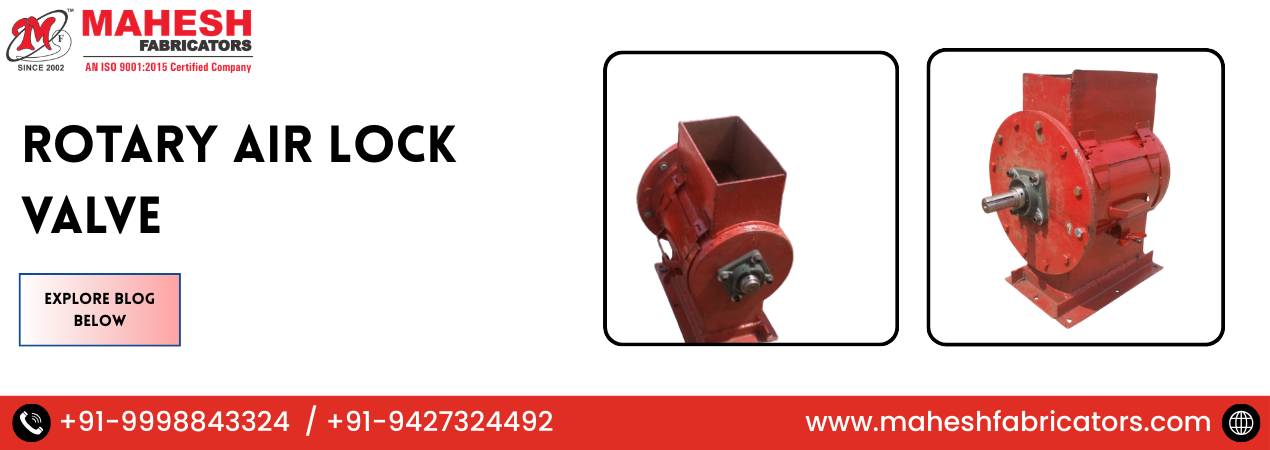
A rotary air lock valve is a mechanical flow control device installed beneath hoppers, bins, cyclones, or dust collectors. The valve consists of a rotor with multiple blades mounted inside a cylindrical housing. As the rotor rotates, material enters the rotor pockets through the top inlet and is carried downward until it is discharged through the outlet.
During this process, the rotor blades maintain close clearance with the housing, creating a seal that prevents unwanted air leakage between the inlet and outlet sections of the system. This design allows the valve to transfer material while maintaining pressure differences between two connected systems.
Rotary air lock valves are commonly used where bulk solids must be discharged into pneumatic conveying lines or where dust collection systems require controlled removal of collected particles. Their ability to maintain airtight conditions while enabling continuous material flow makes them an essential component in many industrial material handling operations.
Role of Rotary Air Lock Valves in Industrial Material Handling
Bulk material processing industries depend on efficient transfer systems to move raw materials and processed powders between equipment. Rotary air lock valves support this transfer by controlling discharge rates while maintaining airflow stability within the system.
In pneumatic conveying systems, these valves isolate pressure differences between the conveying line and the storage vessel. Without this isolation, air leakage could reduce conveying efficiency and interrupt material flow. Rotary air lock valves act as a barrier that allows materials to pass while preventing air from escaping.
Dust collection systems also rely on rotary air lock valves to discharge collected dust from cyclones or bag filters. These valves remove accumulated dust while maintaining the negative pressure conditions required for effective dust extraction.
Because of their reliable sealing capability and controlled discharge performance, rotary air lock valves are widely integrated into industrial systems where precise bulk material handling is required.
Technical Characteristics of Rotary Air Lock Valves
Rotary air lock valves are designed to operate under demanding industrial conditions where durability and precision are essential. Typical systems include the following technical characteristics:
- Construction materials such as cast iron, mild steel, or stainless steel depending on application requirements
- Rotor designs with closed-end or open-end configurations for different bulk materials
- Size ranges designed to handle varying capacities of bulk material flow
- Drive systems including direct drive motors, gear motors, or chain drive mechanisms
- Dust-tight sealing design with minimal rotor clearance
- Heavy-duty bearings designed for continuous industrial operation
- Flanged mounting arrangements for easy installation into pipelines or equipment
Industrial Applications of Rotary Air Lock Valves
Rotary air lock valves are widely used across industries that handle bulk solids, powders, and granular materials. Their ability to maintain airtight conditions while allowing controlled material discharge makes them suitable for a wide range of industrial processes.
Common industrial applications include:
- Dust collection and air pollution control systems
- Pneumatic conveying systems for powders and granules
- Cement and fly ash material handling systems
- Lime, gypsum, and mineral powder processing plants
- Food processing operations handling grains or powders
- Chemical manufacturing and material transfer systems
- Power plants handling ash, biomass, or particulate materials
Advantages of Using Rotary Air Lock Valves
Industrial material handling systems require equipment that can operate continuously while maintaining system stability. Rotary air lock valves offer several advantages that make them well suited for demanding operational environments.
- Controlled and uniform material discharge from storage vessels
- Airtight sealing that prevents air leakage between connected systems
- Continuous operation suitable for automated industrial processes
- Durable construction designed for long operational life
- Compatibility with dust collection and pneumatic conveying systems
- Reduced risk of system pressure imbalance
These advantages contribute to improved operational reliability in facilities that process bulk solids and powders.
Maintenance and Operational Considerations
Like all mechanical equipment used in bulk material handling systems, rotary air lock valves require periodic maintenance to maintain efficiency and prevent operational issues. Regular inspection of rotor clearances, bearings, and sealing surfaces helps ensure consistent performance.
Proper lubrication of external bearings is essential to reduce friction and maintain smooth rotor rotation. Operators also monitor rotor blade wear and housing clearance to ensure the airtight sealing capability remains effective.
Routine maintenance practices help extend equipment lifespan and maintain reliable system performance in continuous industrial operations.
Future Importance of Rotary Air Lock Valves in Industrial Systems
Industrial processing facilities continue to adopt advanced automation and more efficient material handling systems. As industries focus on improving productivity, safety, and environmental compliance, reliable flow control equipment becomes increasingly important.
Rotary air lock valves support these objectives by enabling controlled bulk material transfer while maintaining pressure integrity within processing systems. Their integration within dust collection systems also contributes to cleaner industrial environments by supporting effective air pollution control.
With ongoing expansion in industries such as cement production, chemical processing, food manufacturing, and power generation, rotary air lock valves will continue to play an important role in modern industrial infrastructure.
Frequently Asked Questions
A rotary air lock valve is used to regulate the discharge of bulk materials such as powders, pellets, and granules from hoppers, bins, or cyclones into conveying systems while maintaining an airtight seal between connected equipment.
The valve uses a rotor with multiple blades rotating inside a closely fitted housing. The minimal clearance between the rotor and housing prevents air leakage while allowing material to pass through during rotation.
Rotary air lock valves are commonly used in industries such as cement manufacturing, chemical processing, food production, dust collection systems, pneumatic conveying systems, and power plants handling particulate materials.
These valves are designed to handle a wide range of bulk materials including powders, granules, pellets, ash, cement, grains, and other particulate materials used in industrial processes.
Rotary air lock valves are typically manufactured using cast iron, mild steel, or stainless steel depending on the application requirements, operating environment, and material characteristics.
By maintaining a sealed barrier between pressure zones, rotary air lock valves prevent air leakage that could otherwise reduce conveying efficiency and disrupt material flow within pneumatic conveying systems.
Conclusion
Rotary air lock valves are an essential component in modern bulk material handling and processing systems. Their ability to regulate material discharge while maintaining an airtight seal makes them critical for preserving pressure balance, preventing air leakage, and supporting stable system performance. By enabling controlled transfer of powders, granules, and particulate materials, these valves contribute to efficient operation across pneumatic conveying systems, dust collection units, and industrial processing equipment.
Industries that depend on consistent material flow and reliable system performance rely on rotary air lock valves to maintain operational continuity and process efficiency. Their durable construction, precision rotor design, and compatibility with a wide range of bulk materials make them well suited for demanding industrial environments where reliability and performance are essential.
As industrial processes continue to expand and material handling systems become increasingly automated, rotary air lock valves will remain an important mechanical solution for managing bulk solids safely and efficiently within integrated production and conveying systems.