Portable Industrial Hot Air Blower
A portable industrial hot air blower is a practical heating solution used in industrial processes where controlled hot air is required for drying, heating, curing, preheating, moisture removal, and surface preparation. Unlike fixed heating systems, a portable hot air blower can be moved from one work area to another, making it useful for industries that need flexible heating at different points of operation.
In many industrial environments, heat is not required at one permanent location. Workpieces, materials, components, or production batches may change frequently. In such conditions, a portable industrial hot air blower helps deliver heated airflow exactly where it is needed. This makes it suitable for workshops, fabrication units, packaging areas, coating lines, maintenance zones, and production floors where mobility and controlled heat are important.
The main purpose of a portable industrial hot air blower is to convert electrical energy into heat and distribute that heat through forced airflow. The blower draws in surrounding air, passes it over heating elements, and directs the heated air toward the required surface or process area. This simple working principle makes the equipment easy to operate, effective for localized heating, and suitable for a wide range of industrial applications.
What Is a Portable Industrial Hot Air Blower?
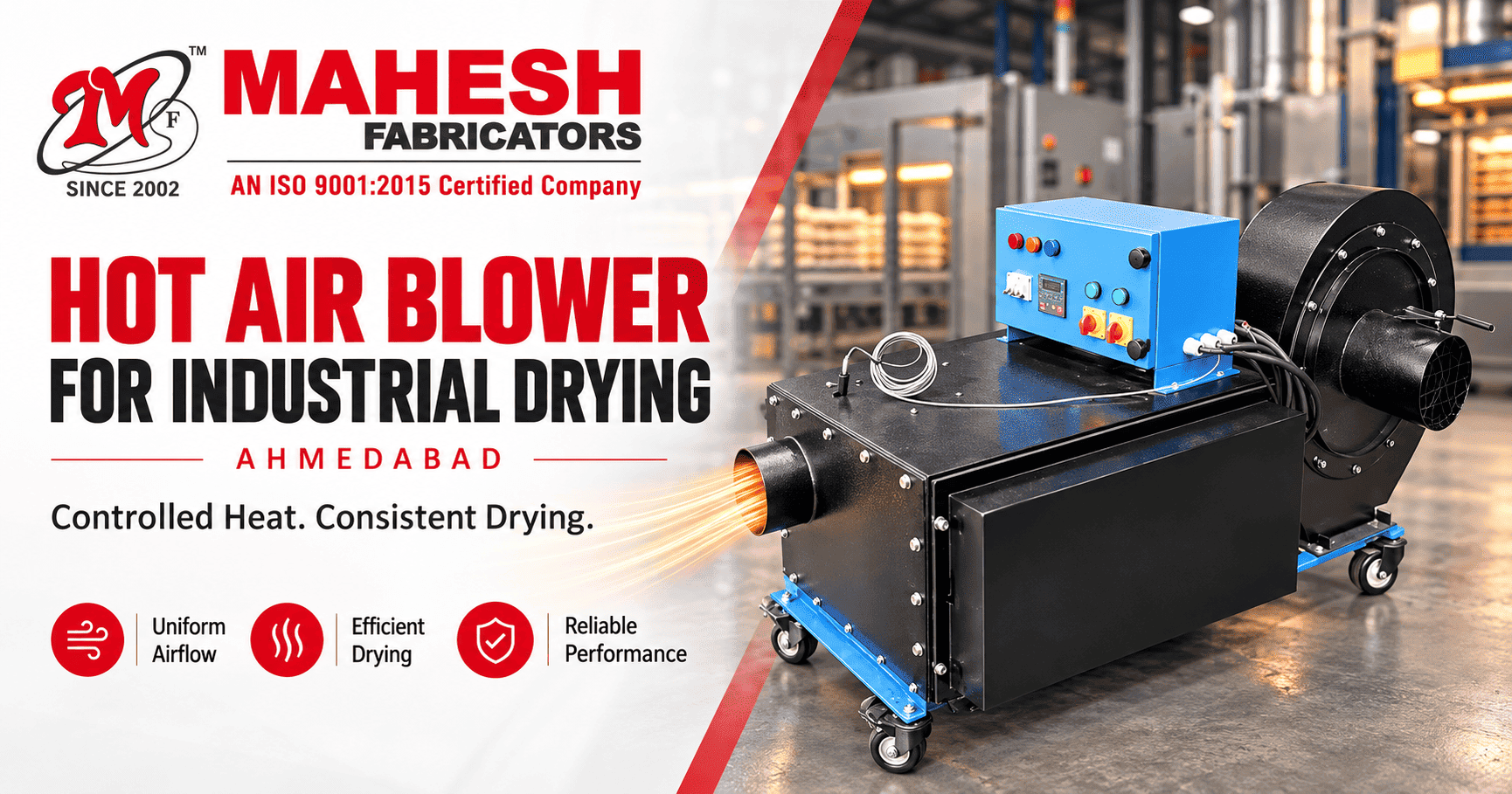
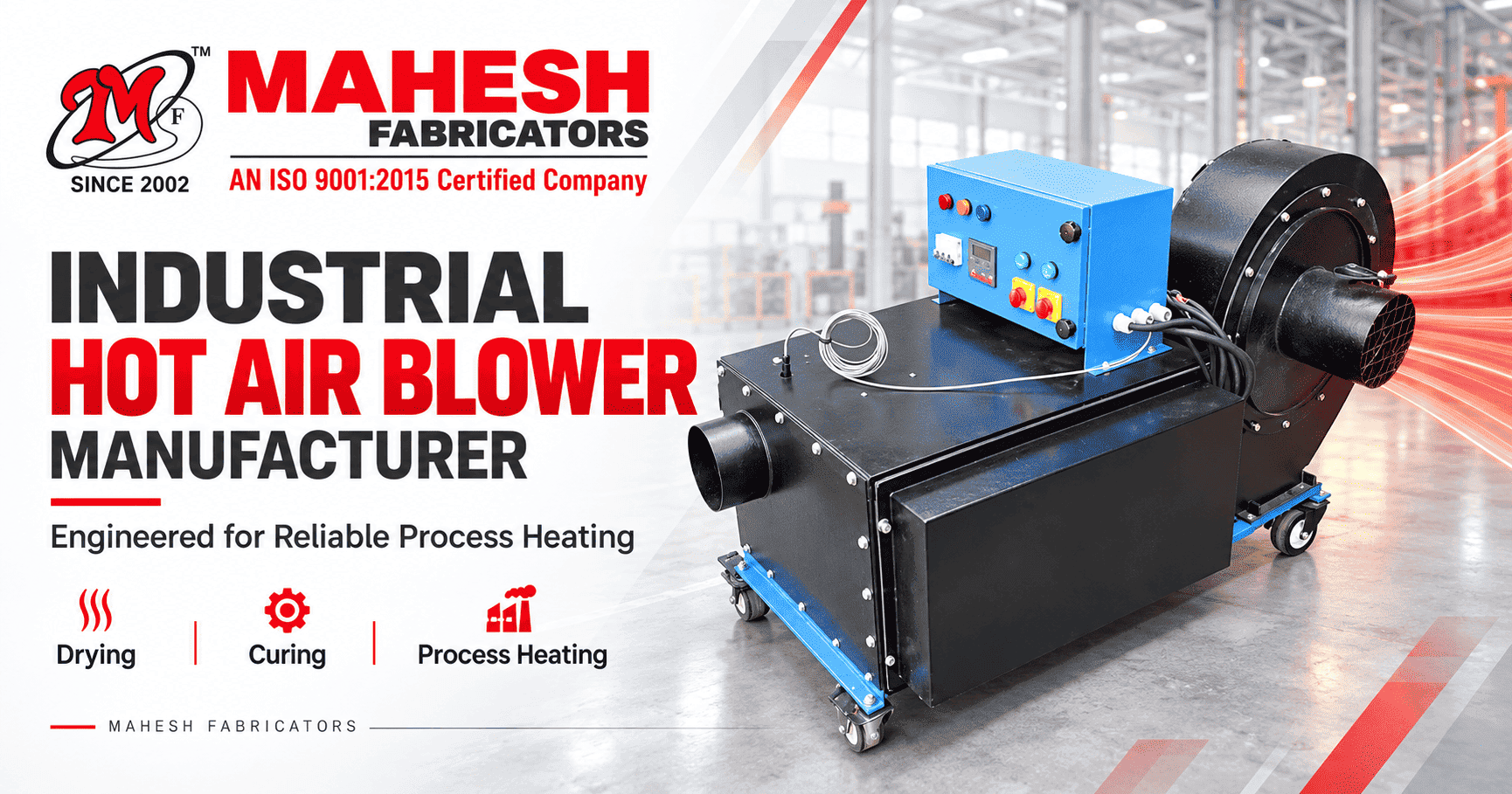
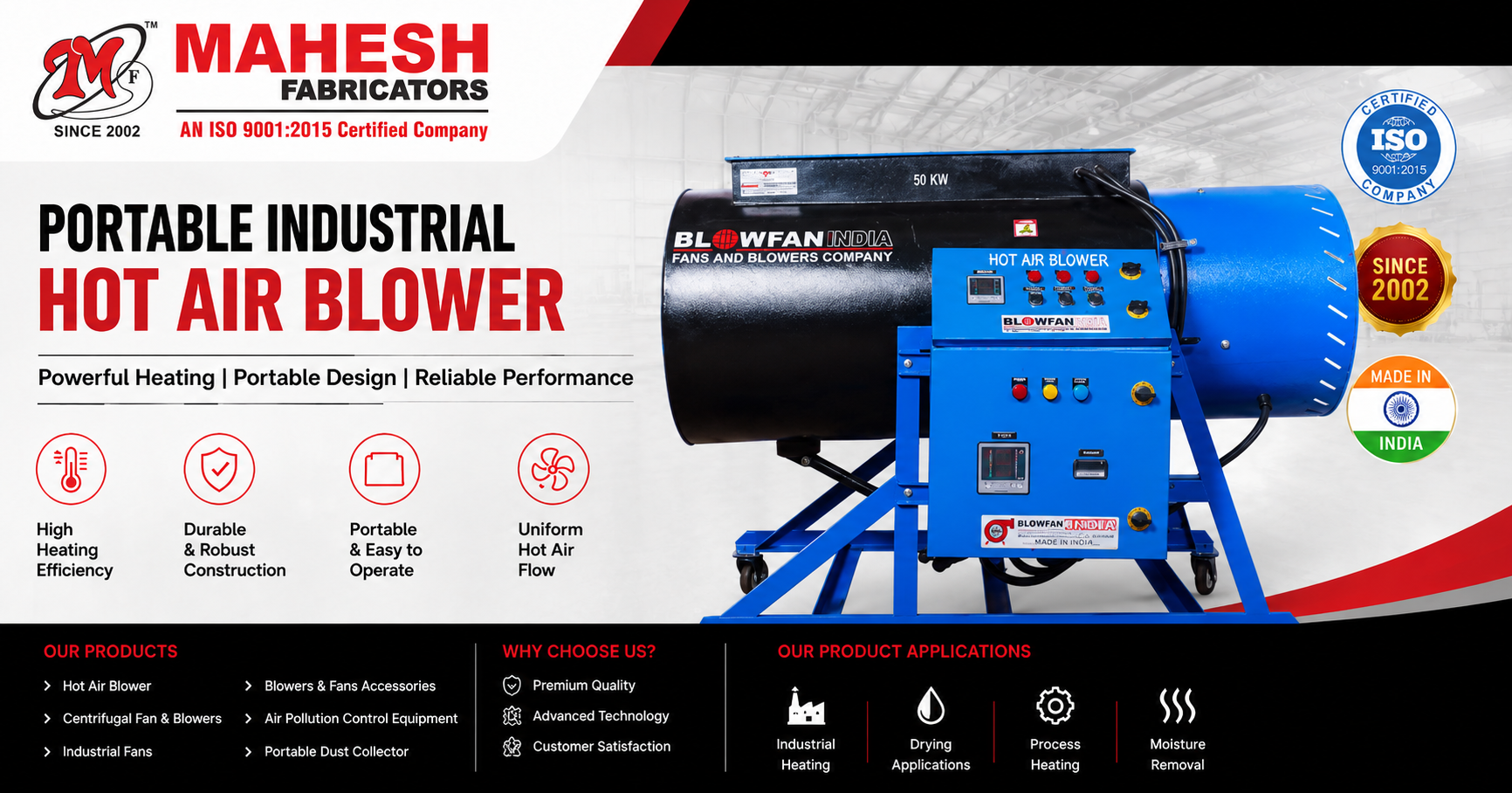
A portable industrial hot air blower is a compact and movable hot air generating unit designed for industrial heating applications. It usually consists of a blower motor, heating elements, an insulated body, a control panel, an air outlet, safety components, and a portable structure that allows easy movement.
The equipment is designed to provide continuous hot air output for process requirements. Depending on the application, the airflow and temperature can be adjusted to suit different materials and working conditions. Some industries use it for drying wet surfaces, while others use it for preheating components, shrinking packaging material, removing moisture, or speeding up production processes.
The portable design gives the equipment an important operational advantage. A fixed hot air system may work well for a dedicated production line, but a portable industrial hot air blower is more useful when the heating point changes regularly. It can be shifted near machines, tanks, products, workstations, or maintenance areas as required.
How a Portable Industrial Hot Air Blower Works
The working principle of a portable industrial hot air blower is based on forced air heating. The blower motor draws fresh air from the surrounding environment. This air then passes through a heating chamber where electrical heating elements increase its temperature. After heating, the air is discharged through an outlet or nozzle toward the required application area.
The temperature and airflow depend on the blower design, heater capacity, motor power, and control system. In many models, operators can manage temperature settings according to the material being processed. Proper control is important because different materials react differently to heat. For example, drying a painted surface may require moderate heat, while industrial preheating may need a higher temperature range.
The airflow pattern also plays an important role in performance. Uniform hot air distribution helps achieve consistent drying or heating. If airflow is uneven, some areas may remain wet or underheated, while others may receive excessive heat. A well-designed portable hot air blower supports stable airflow, better process control, and improved working efficiency.
Key Applications of Portable Industrial Hot Air Blower
A portable industrial hot air blower is used across many industrial processes where hot air is required for localized or temporary heating. Its flexible design makes it suitable for different working conditions.
Common applications include:
- Drying moisture from components, surfaces, tools, and materials
- Preheating metal, plastic, rubber, or industrial parts before processing
- Supporting coating, painting, and surface finishing operations
- Heat shrinking packaging films, sleeves, and wrapping materials
- Removing dampness from machinery, panels, and work areas
- Temporary heating during industrial testing or trial production
These applications show why the equipment is widely used in industries that need flexible and controlled hot air. The same blower can often be used for multiple tasks, provided the temperature, airflow, and safety requirements are suitable for the process.
Benefits of Using a Portable Industrial Hot Air Blower
A portable industrial hot air blower offers several practical benefits for industrial users. Its biggest advantage is mobility. Since the unit can be moved, industries do not need to install separate fixed heating systems for every work area.
Important benefits include:
- Easy movement from one process area to another
- Controlled hot air output for different applications
- Useful for drying, heating, curing, and moisture removal
- Better localized heating with reduced unnecessary heat spread
These benefits make the equipment useful for small workshops as well as larger industrial facilities. However, correct selection and safe operation are important to achieve consistent results.
Important Features to Consider
Choosing a portable industrial hot air blower should not be based only on size or appearance. The equipment must match the actual heating requirement, working environment, and process conditions. A blower that is too small may not provide enough heat, while an oversized unit may consume unnecessary power or create safety concerns.
Before selecting a unit, buyers should consider:
- Required temperature range for the application
- Airflow capacity needed for proper heat distribution
- Control options for temperature and airflow
- Safety protection against overheating
- Electrical load compatibility
- Ease of cleaning and maintenance
These points help ensure that the selected blower performs reliably in real working conditions. Industrial heating equipment should always be matched with the process instead of being selected only as a general-purpose machine.
Portable Industrial Hot Air Blower for Drying Applications
Drying is one of the most common uses of a portable industrial hot air blower. In industrial operations, moisture can affect product quality, coating performance, packaging strength, and material handling. Controlled hot air helps remove moisture from surfaces and materials more quickly than natural air drying.
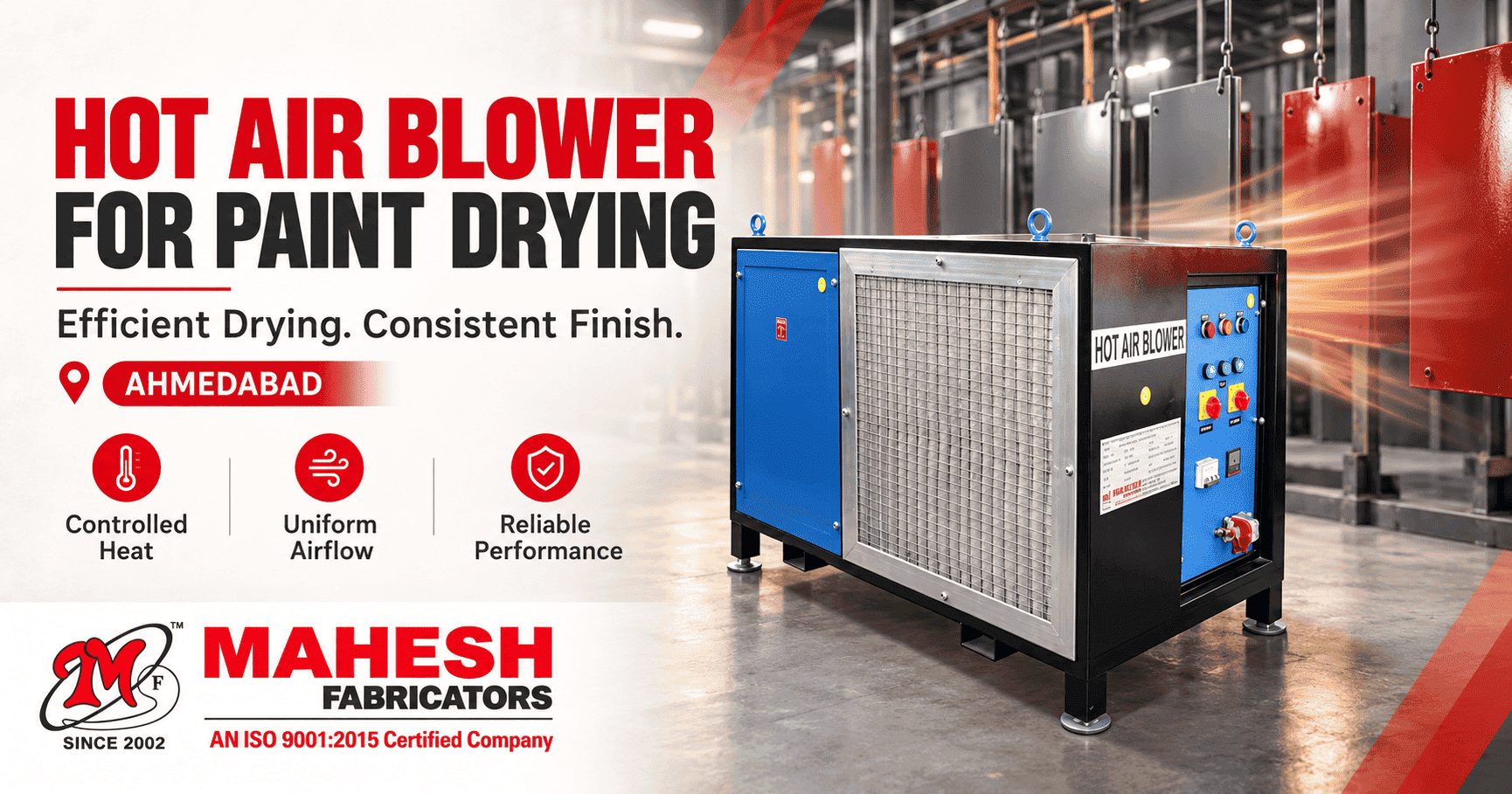
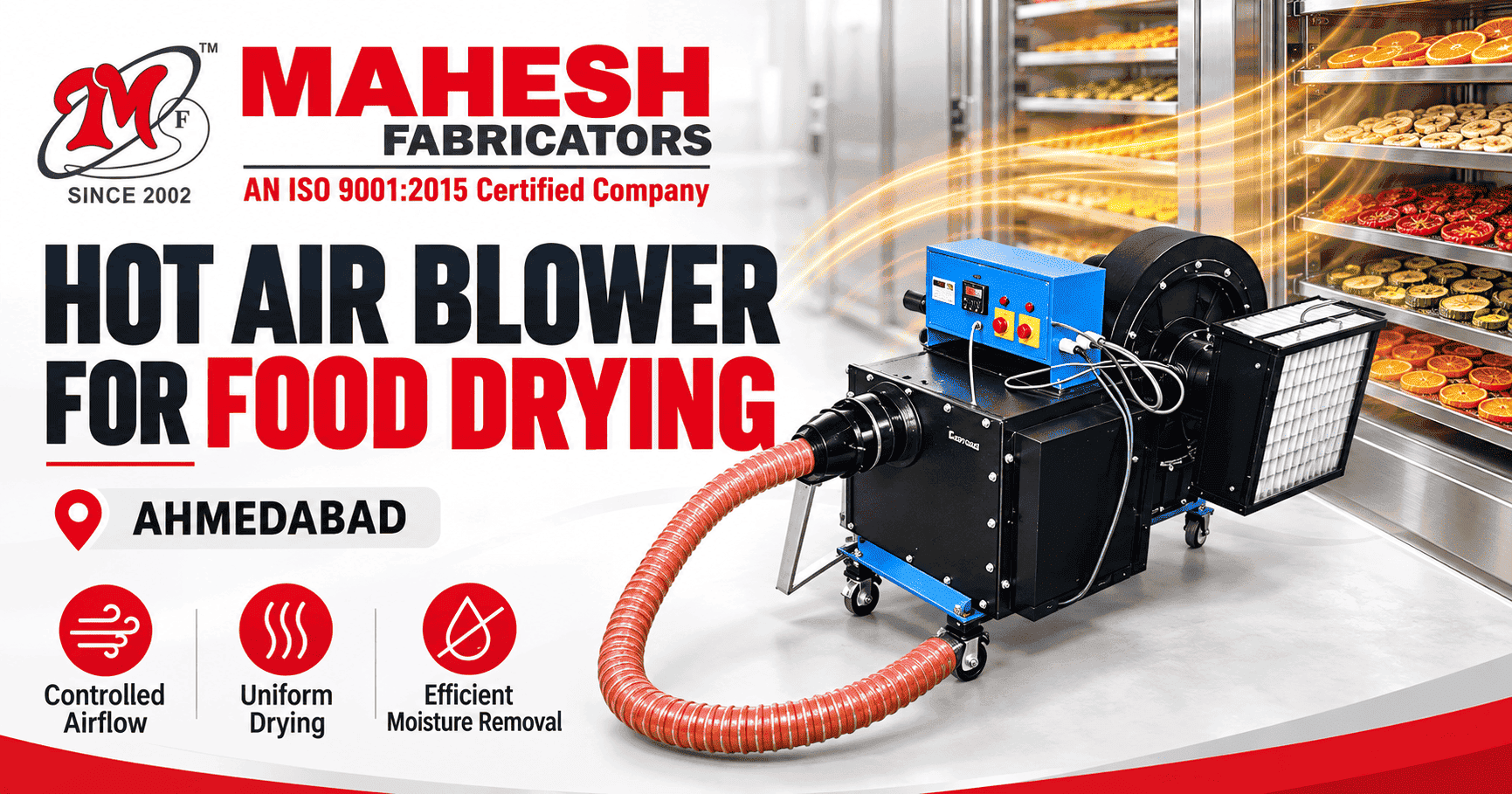
This equipment is commonly used for drying washed components, painted surfaces, coated parts, packaging materials, printed products, and production tools. Since the blower is portable, it can be positioned near the drying area without changing the entire production setup.
For drying applications, temperature control is very important. Excess heat can damage sensitive materials, while low heat may not remove moisture effectively. Proper airflow also matters because consistent air movement improves drying uniformity. A suitable portable industrial hot air blower helps create a balanced combination of heat and airflow for better drying results.
Industrial Use and Process Efficiency
A portable industrial hot air blower can improve process efficiency when used correctly. In many production environments, waiting for natural drying or manual heating can slow down work. A controlled hot air system helps reduce unnecessary delays by supplying heat directly to the required point.
The equipment can also support better workflow because it can be shared between different workstations. For industries handling batch production, maintenance tasks, or multiple product sizes, portability becomes an important operational advantage.
Efficiency does not depend only on heating power. It also depends on correct placement, airflow direction, temperature setting, and operator handling. A properly selected and well-maintained blower can support smoother operations, while careless use may lead to inconsistent results or safety issues.
FAQs
Conclusion
A portable industrial hot air blower is a useful and flexible heating solution for industrial drying, heating, curing, preheating, and moisture removal applications. Its portable design allows industries to use controlled hot air at different work points without installing fixed heating systems everywhere.
The equipment works on a simple but effective principle of forced air heating. When selected correctly, it can support better workflow, faster drying, improved process control, and safer localized heating. However, the right temperature range, airflow capacity, safety features, and maintenance practices are important for reliable performance.
For industrial users, the best approach is to choose a portable industrial hot air blower based on actual process requirements rather than general assumptions. When the blower matches the application, it becomes a dependable tool for improving heating efficiency, operational flexibility, and process consistency.
Get in Touch
Shed No. 01, Mahadev Industrial Estate 5, Near Ramol Police Station, Ramol Road, C. T. M., Amraiwadi Ahmedabad - 380026, Gujarat, India info@maheshfabricators.com Sales Inquiry Jay Panchal: +919998843324Technical Inquiry Mahesh Panchal: +91-9427324492