MOULD DRYING HEATING SYSTEMS
Expertly designed mould drying heating systems in Ahmedabad. Enhance efficiency and product quality with Mahesh Fabricators' reliable solutions.
What are Mould Drying Heating Systems? — Overview
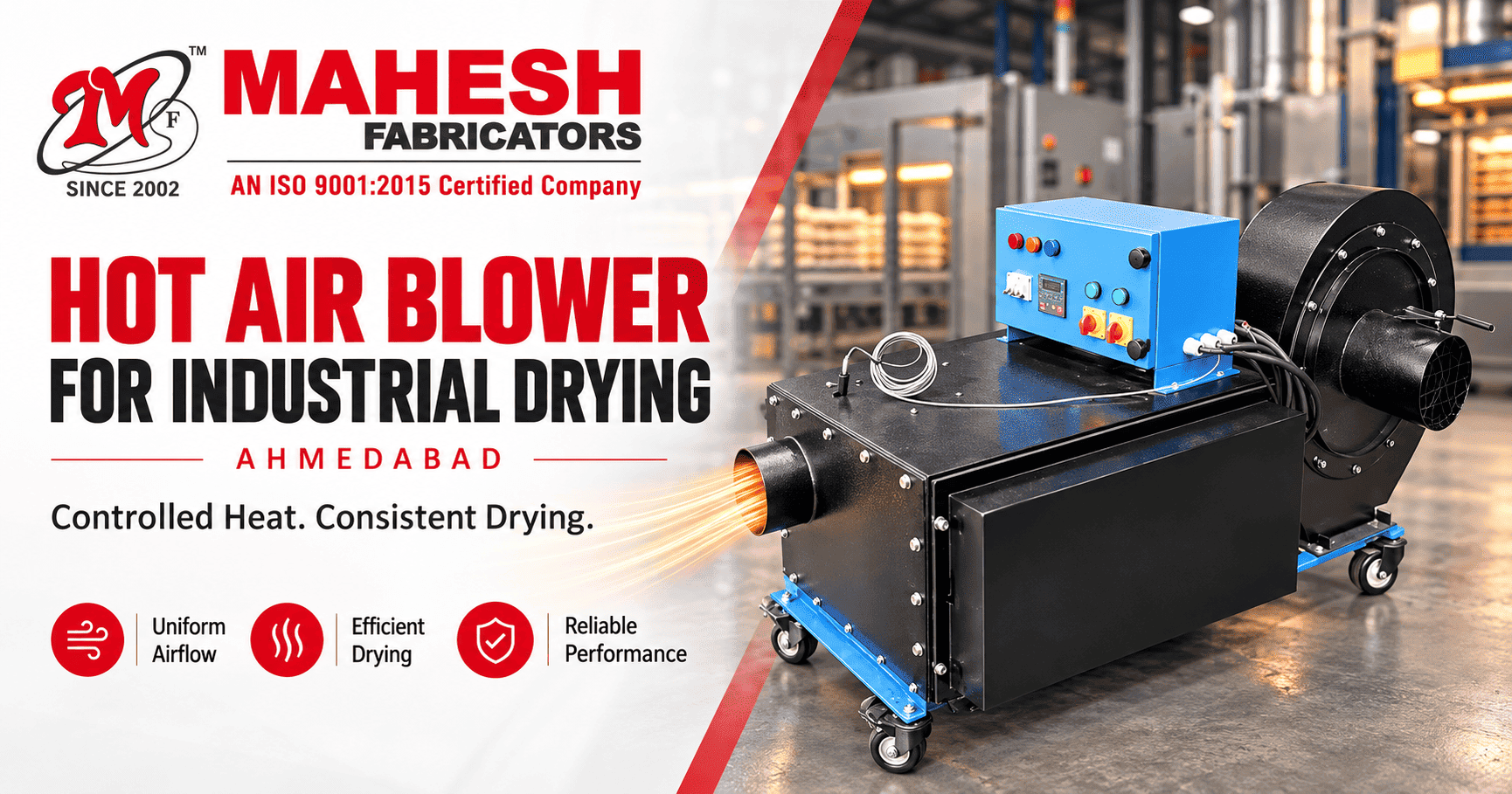
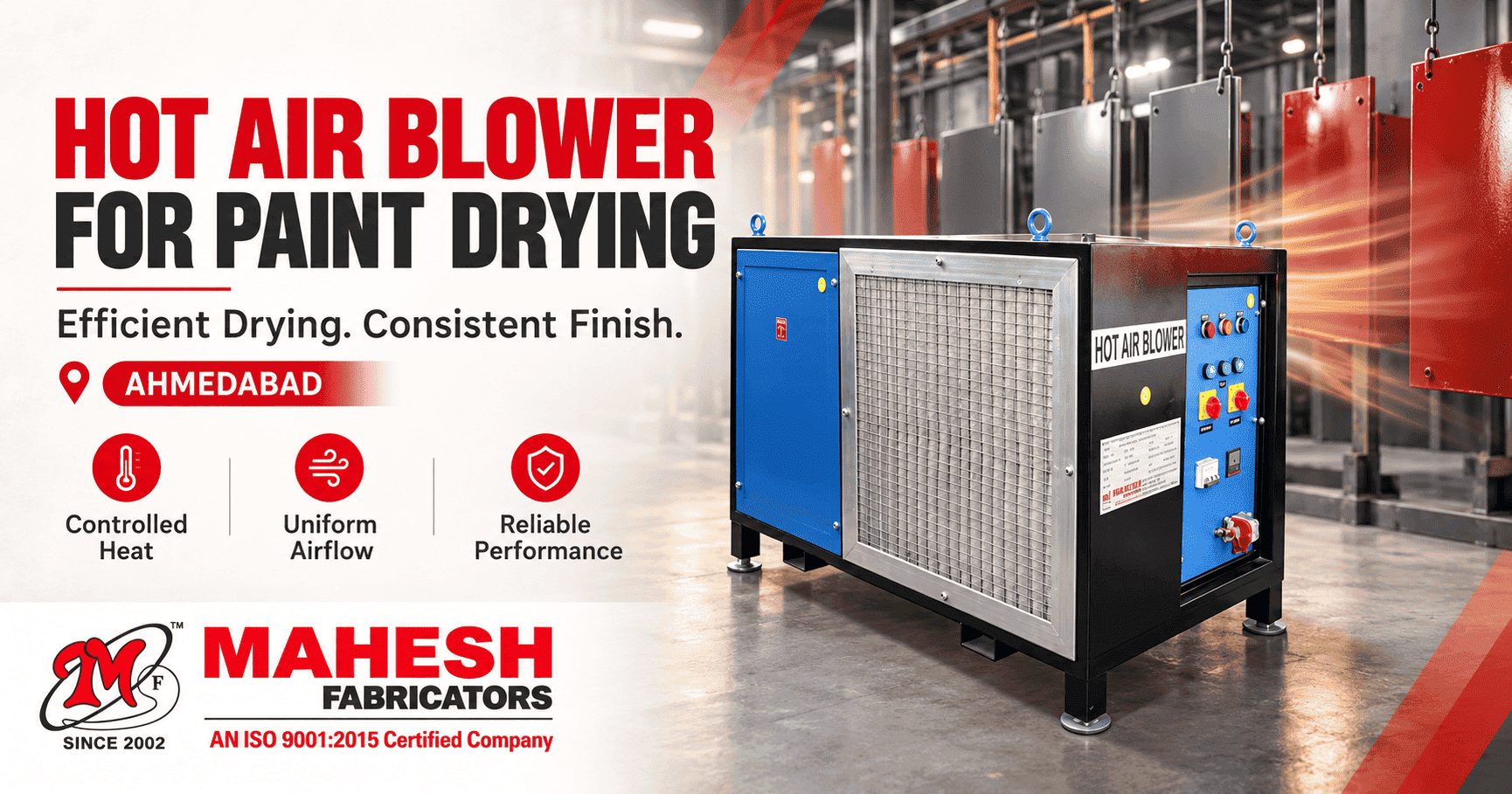
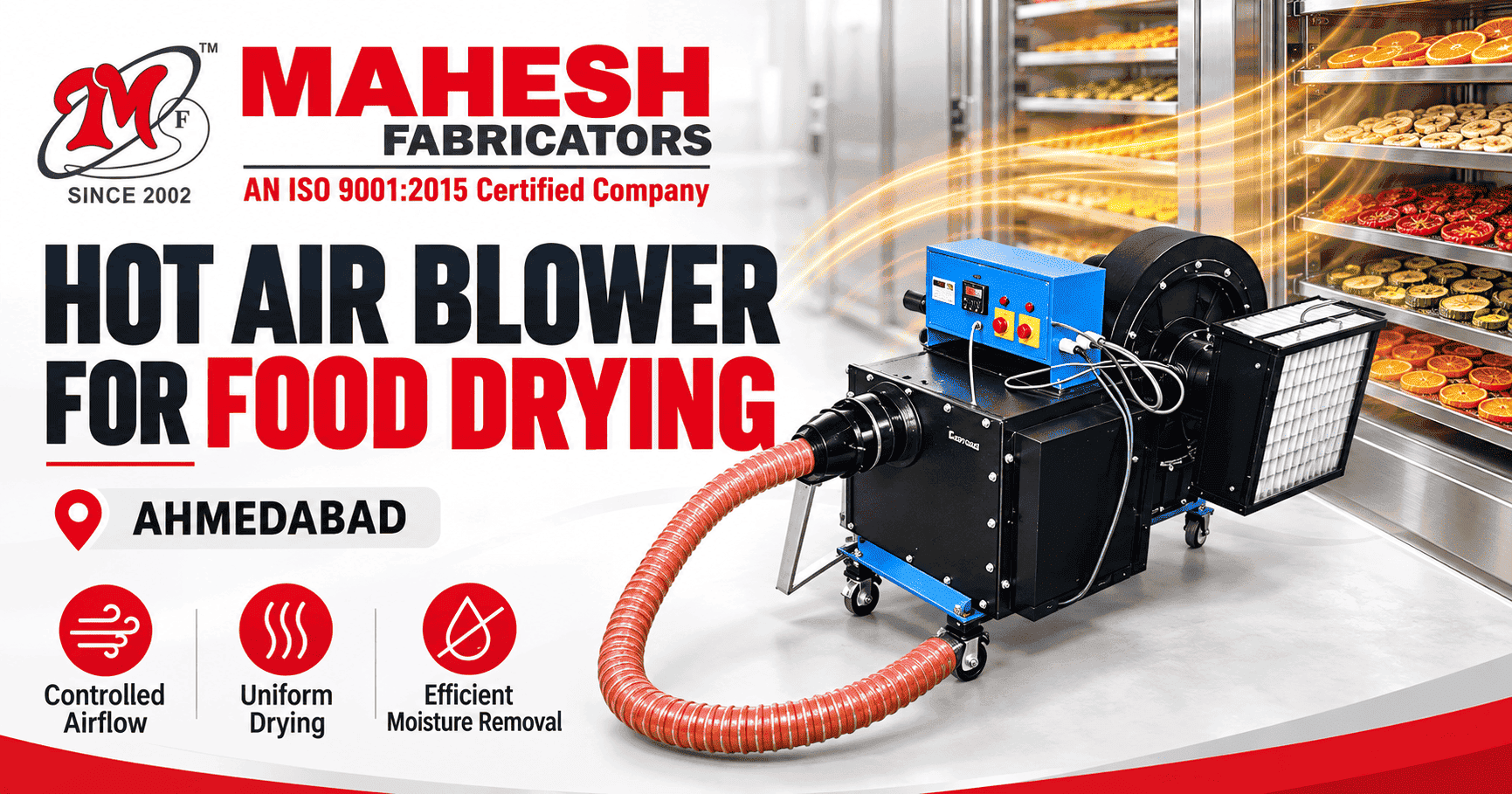
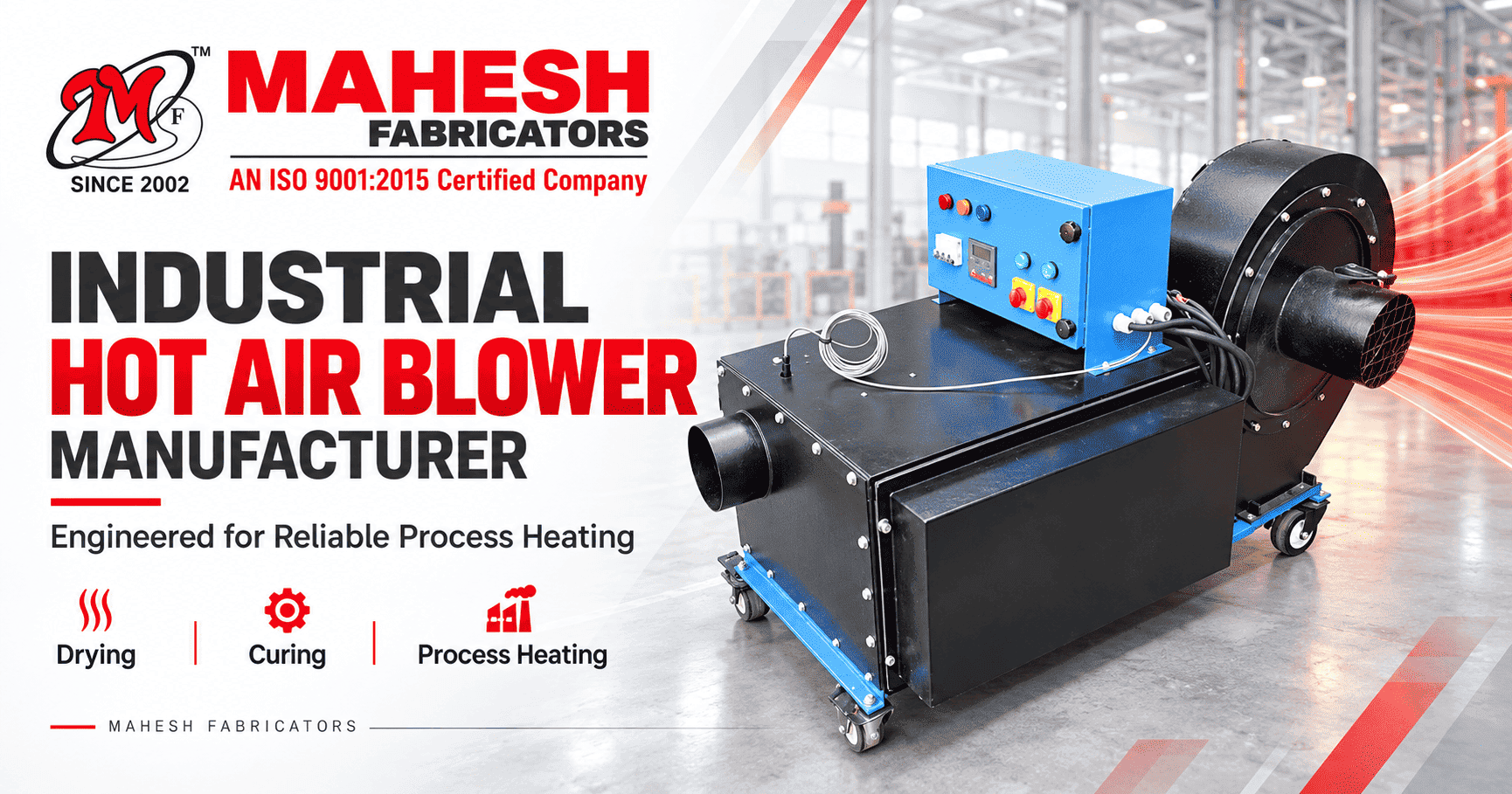
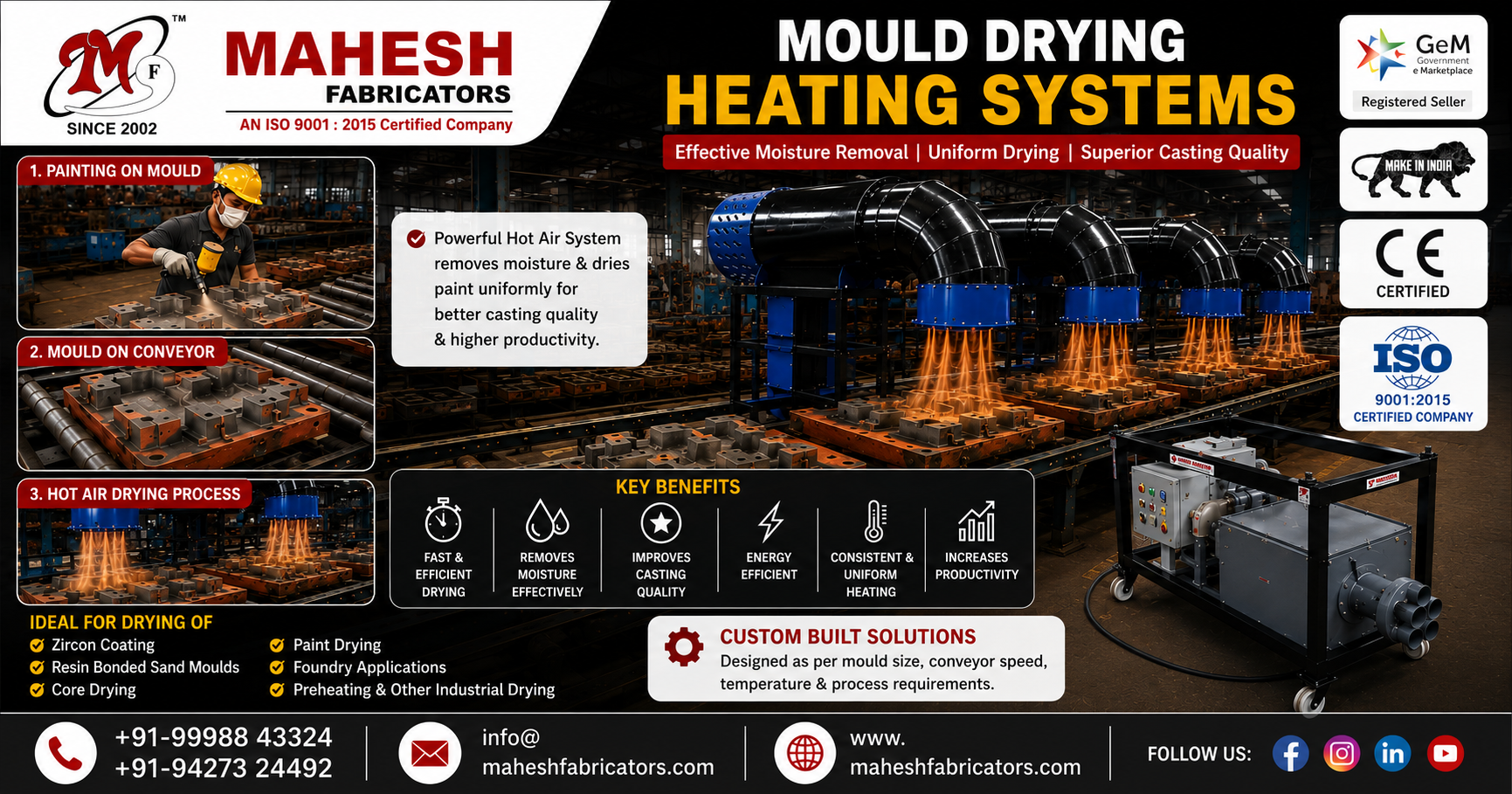
Mould drying heating systems are engineered industrial equipment designed to rapidly and uniformly heat moulds to specific temperatures, facilitating the evaporation of residual moisture or curing of coatings. These systems typically involve a controlled heat source, such as electric resistance heaters or hot air circulation, coupled with precise temperature monitoring and control mechanisms. The goal is to achieve the desired mould temperature without causing thermal shock or damage to the mould material. They are integral to processes that require moulds to be completely dry and at the correct operating temperature before use.
Key Features and Technical Specifications
- Precise Temperature Control: Digital PID controllers ensure stable temperatures within ±1°C tolerance.
- Uniform Heat Distribution: Advanced airflow design or radiant heating elements guarantee even temperature across the mould surface.
- Rapid Heating Capabilities: High-efficiency heating elements designed for quick ramp-up times.
- Durable Construction: Built with industrial-grade materials like stainless steel for longevity in demanding environments.
- Adjustable Airflow/Power Settings: Flexibility to customize heating parameters based on mould size and material.
- Safety Interlocks: Over-temperature protection and emergency shut-off features for operational safety.
- Customizable Dimensions: Systems can be tailored to fit specific mould sizes and workshop layouts.
- Energy Efficiency: Optimized design to minimize power consumption while maintaining performance.
Industrial Applications and Use Cases
- Plastic Injection Moulding: Drying moulds after cleaning or before a new production run to prevent defects like splay marks.
- Rubber Moulding: Ensuring moulds are free from moisture before vulcanization to achieve consistent product properties.
- Composite Manufacturing: Curing resins and removing moisture from moulds used in prepreg or RTM processes.
- Die Casting: Preheating dies to optimal temperatures to improve metal flow and reduce thermal stress.
- Pre-treatment of Moulds: Applying and curing specialized coatings or release agents on mould surfaces.
- Tool and Die Drying: Storing and preparing metalworking tools and dies by ensuring they are completely dry.
- Laboratory and R&D: Controlled drying and heating of experimental moulds and prototypes.
- Ceramics and Pottery: Drying complex ceramic moulds used in industrial production.
How to Choose the Right Mould Drying Heating System
Selecting the appropriate mould drying heating system is crucial for achieving desired results and maximizing ROI. Consider the following factors:
- Mould Size and Type: Determine the maximum dimensions and material of the moulds you will be drying. This dictates the required heating capacity and system size.
- Temperature Requirements: Identify the specific operating temperatures needed for your processes. Ensure the system can reliably achieve and maintain these temperatures.
- Drying Time and Throughput: Assess how quickly moulds need to be dried or heated. Higher throughput demands more powerful and efficient systems.
- Moisture Content and Type: Understand the level and nature of moisture to be removed. Some systems are better suited for high-humidity environments or specific contaminants.
- Energy Source and Availability: Consider your facility's available power supply (electricity, gas) and energy costs.
- Installation Space and Environment: Evaluate the available floor space and the operating environment (e.g., dusty, corrosive).
- Control System Sophistication: Decide on the level of automation and precision required for temperature profiling and data logging.
- Supplier Reputation and Support: Choose a manufacturer with a proven track record, good customer support, and after-sales service.
Quality Standards and Compliance
For industrial heating equipment, adherence to quality standards is non-negotiable. Manufacturers like Mahesh Fabricators, being ISO 9001-2015 certified, demonstrate a commitment to robust quality management systems. Buyers should look for systems that comply with relevant Indian Standards (IS) or international standards like IEC for electrical safety. Furthermore, understanding the specific application requirements might necessitate compliance with industry-specific standards, such as those for food-grade applications or hazardous environments. Verifying that the equipment is built with quality materials and undergoes rigorous testing ensures reliability, safety, and consistent performance.
Why Mahesh Fabricators' Experience and Capability Matter
With over 17 years of experience in manufacturing industrial air systems, Mahesh Fabricators brings a deep understanding of thermal processing and air handling to their mould drying heating systems. Founded in 2002 and based in Ahmedabad, the company has built a reputation for delivering robust and efficient solutions tailored to diverse industrial needs. Their ISO 9001-2015 certification underscores a commitment to quality control throughout the design and manufacturing process. Mahesh Fabricators focuses on understanding customer-specific requirements, offering custom-engineered solutions that ensure optimal performance, reduced maintenance, and user-friendly operation. Their technical expertise allows them to design systems that meet precise temperature and drying specifications, ensuring reliability for critical manufacturing processes.
Installation, Maintenance, and Care Tips
Proper installation and regular maintenance are key to the longevity and optimal performance of your mould drying heating system.
- Installation: Ensure the system is installed on a stable, level surface, away from flammable materials. Connect it to an appropriate power supply as per the manufacturer's specifications. Allow adequate clearance around the unit for ventilation and access.
- Initial Run: Before full production use, run the system at a lower temperature to check for any anomalies and ensure all controls are functioning correctly.
- Regular Cleaning: Keep the heating elements and air intake/outlet vents clean. Dust and debris can impede airflow and reduce efficiency. Follow manufacturer guidelines for cleaning procedures.
- Temperature Calibration: Periodically check the accuracy of the temperature controller against a calibrated external thermometer. Recalibrate if necessary.
- Component Checks: Inspect electrical connections, heating elements, and fan motors for signs of wear or damage. Address any issues promptly.
- Filter Maintenance: If your system includes air filters, clean or replace them according to the recommended schedule to maintain airflow quality.
- Professional Servicing: Schedule annual or bi-annual servicing by qualified technicians to ensure all components are functioning optimally and to identify potential issues before they cause downtime.
Frequently Asked Questions
The drying time depends on the size of the mould, the initial moisture content, and the system's heating capacity. Our systems are designed for efficient heating, significantly reducing drying times compared to natural methods.
Yes, our mould drying heating systems are versatile and can be used for various materials and processes, including rubber, composites, and even for preheating metal dies, provided the temperature requirements are within the system's capabilities.
With proper installation, regular maintenance, and adherence to operating guidelines, a well-built industrial heating system can last for many years, often exceeding a decade of reliable service.
Absolutely. Mahesh Fabricators specializes in custom-engineering solutions. We work closely with clients to design and manufacture systems that precisely match their specific mould dimensions and operational needs.
Our systems are equipped with multiple safety features, including over-temperature protection, emergency shut-off switches, and robust electrical insulation to ensure safe operation in industrial environments.
We provide comprehensive operational manuals and can offer on-site training for your personnel to ensure they can operate the system safely and effectively, maximizing its performance and lifespan.
Conclusion
For manufacturers in Ahmedabad seeking to optimize their production processes, enhance product quality, and reduce operational inefficiencies, investing in a reliable mould drying heating system is a strategic decision. These systems provide the precise temperature control and efficient moisture removal necessary to overcome environmental challenges and meet stringent production demands. By partnering with experienced manufacturers like Mahesh Fabricators, who offer ISO-certified quality, custom solutions, and dedicated support, businesses can ensure they acquire equipment that delivers consistent performance and long-term value.
Get In Touch
Mahesh Fabricators