Medium Pressure Blower Working Principle Explained
Medium pressure blowers are indispensable workhorses in modern industry, designed to deliver robust airflow under demanding conditions. Unlike their low or high-pressure counterparts, these blowers operate within a specific range, making them ideal for a multitude of applications requiring sustained air movement against moderate resistance. Understanding their working principle is key to appreciating their vital role in ensuring efficient operations across various sectors, from manufacturing and processing to ventilation and environmental control. This comprehensive guide delves into how these powerful machines function, their critical applications, the benefits they offer, and essential considerations for selecting the right medium pressure blower for your specific industrial needs.
The Core Working Principle of Medium Pressure Blowers
The fundamental operation of most medium pressure blowers relies on the principle of centrifugal force, though some designs may incorporate positive displacement mechanisms. The process can be broken down into several key stages:
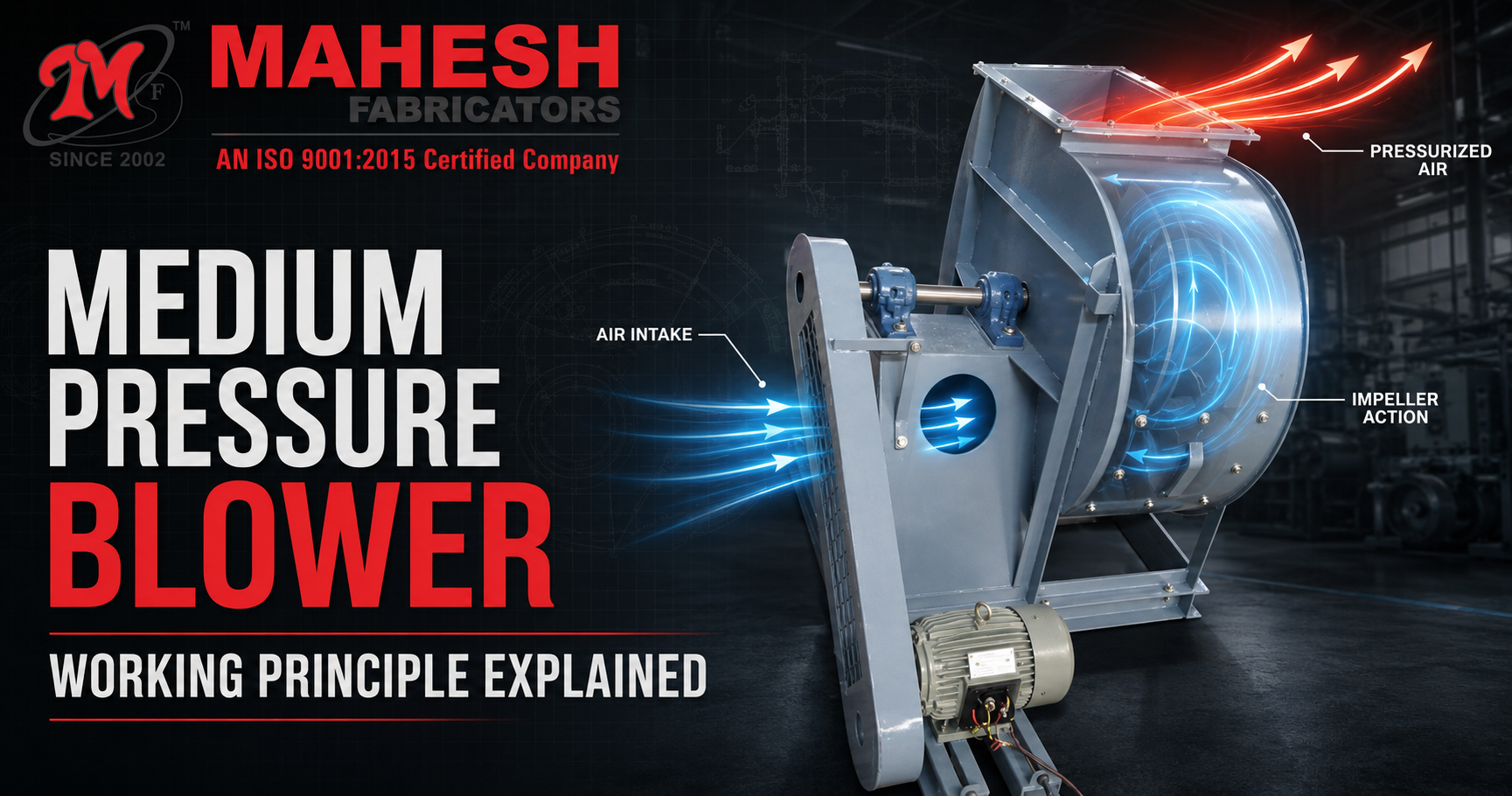
- Air Intake: Ambient air is drawn into the blower housing through an inlet nozzle.
- Impeller Action: The air then enters the rotating impeller, which is equipped with a series of blades. As the impeller spins at high speed, it imparts kinetic energy to the air molecules, accelerating them outwards radially.
- Velocity to Pressure Conversion: The high-velocity air leaving the impeller enters a volute or diffuser casing. This specially shaped casing gradually expands, slowing down the airflow. According to Bernoulli's principle, this reduction in velocity results in an increase in static pressure.
- Discharge: The pressurized air is then directed out of the blower through the discharge outlet, ready to be pushed through the connected ductwork or system.
This cycle effectively increases both the pressure and velocity of the air, enabling it to overcome system resistance and deliver the required airflow rate. The design of the impeller (often backward curved for efficiency in this pressure range) and the volute casing are critical in optimizing the conversion of velocity energy into static pressure, defining the blower's performance characteristics within the medium pressure spectrum (typically 500 mmWC to 3000 mmWC).
Diverse Applications of Medium Pressure Blowers
The versatility and robust performance of medium pressure blowers make them suitable for a wide array of industrial applications. Mahesh Fabricators, an ISO 9001-2015 certified company, manufactures these blowers for demanding environments, ensuring efficient and reliable operation. Key applications include:
- Industrial Ventilation and Cooling: Providing essential airflow for general ventilation, cooling machinery, and creating comfortable working environments in factories, warehouses, and workshops.
- Material Handling: Transporting bulk materials like powders, granules, and pellets through pneumatic conveying systems.
- Dust and Fume Extraction: Capturing and removing airborne contaminants, dust, and fumes from manufacturing processes in industries such as woodworking, plastics, and metal fabrication.
- Combustion Air Supply: Supplying the necessary air for furnaces, boilers, and other combustion equipment to ensure efficient burning and optimal performance.
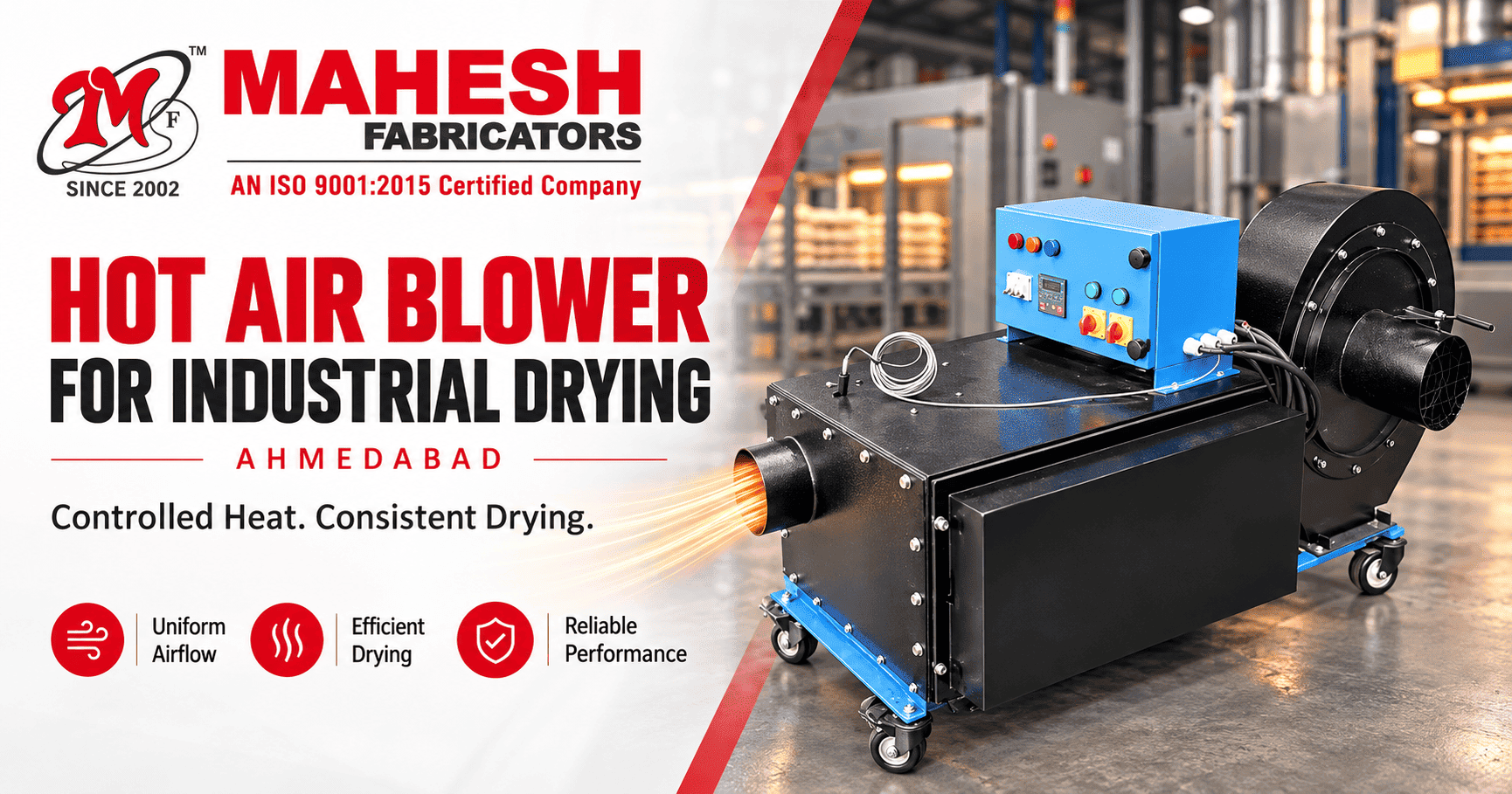
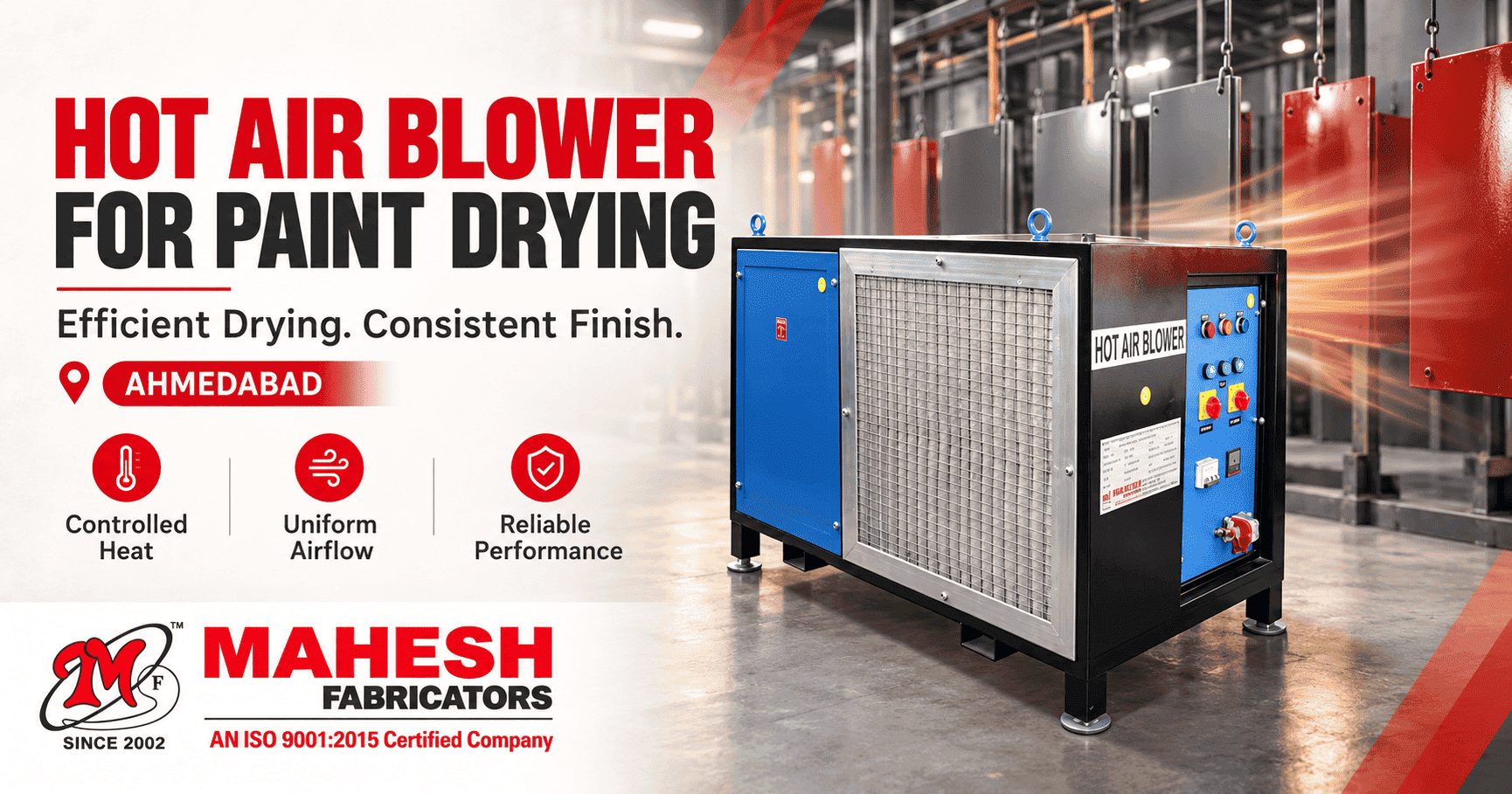
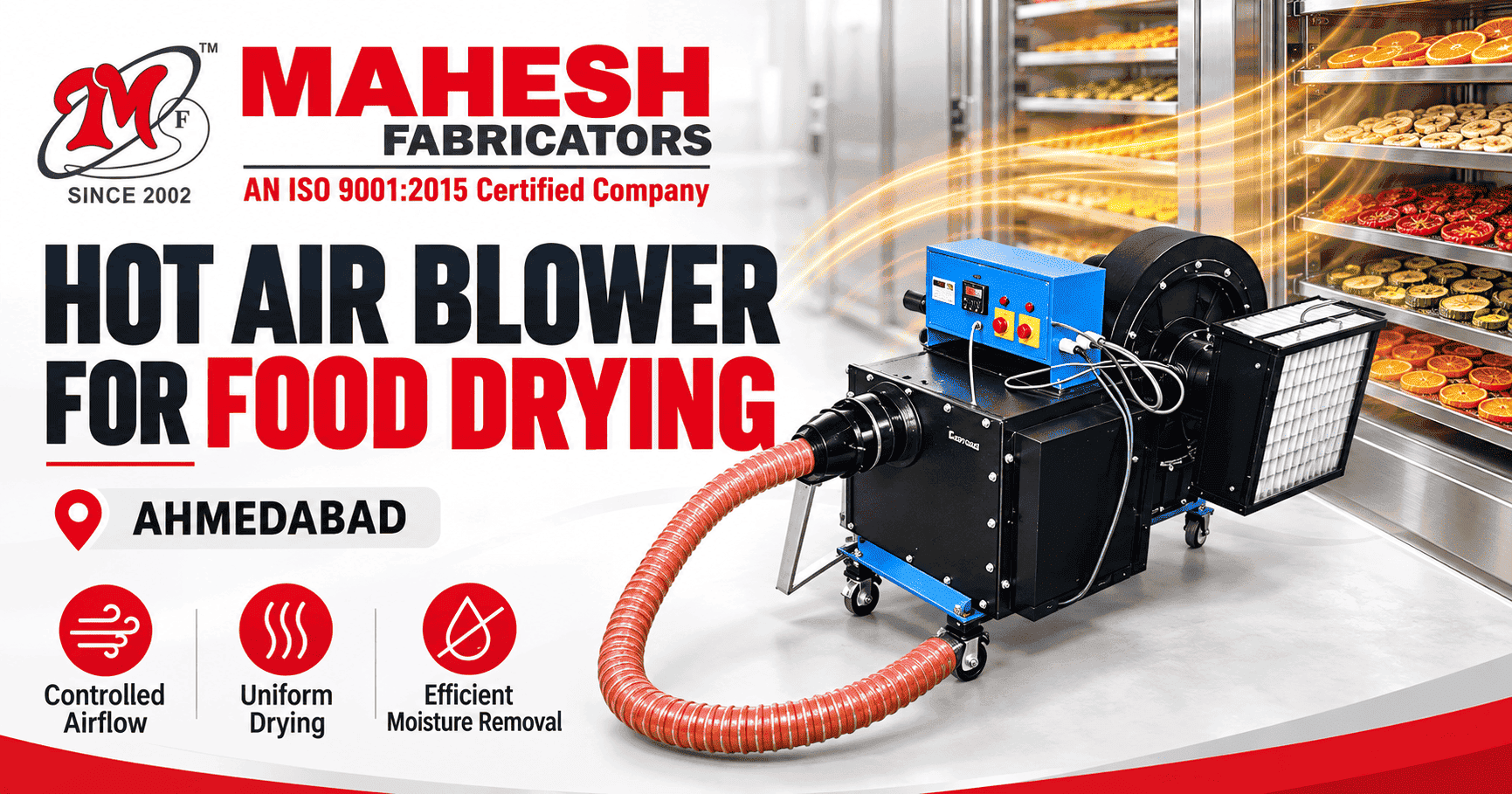
- Drying Processes: Circulating hot air for drying applications in industries like textiles, ceramics, and food processing.
- Process Air Systems: Providing conditioned air for specific industrial processes where controlled airflow and moderate pressure are required.
- Exhaust Systems: Removing stale air, odors, or potentially hazardous gases from enclosed spaces.
Their ability to handle various gases, dust-laden air, and even high-temperature environments further expands their utility across sectors like Textile, Pharma, Iron/Steel, Foundry, Ceramics, Plastics, Furnaces, Cotton/Woodworking, Plywood MFG, Coal, Cement, Chemical, and Hotels/Restaurants.
Key Benefits of Utilizing Medium Pressure Blowers
Investing in a quality medium pressure blower offers significant advantages for industrial operations. Mahesh Fabricators focuses on delivering blowers designed for superior performance and longevity:
Efficient Airflow Management
Delivers consistent airflow at required pressure levels, optimizing process efficiency.
Robust Construction
Built to withstand demanding industrial environments and continuous operation.
Reduced Maintenance Costs
Designed for reliability and ease of maintenance, minimizing downtime and operational expenses.
Versatile Application
Suitable for a broad range of tasks, from ventilation to material handling and dust extraction.
Superior Performance
Engineered for optimal performance, ensuring the right balance of airflow and pressure for specific needs.
Choosing the Right Medium Pressure Blower: A Buyer's Checklist
Selecting the appropriate medium pressure blower is crucial for achieving desired operational outcomes and avoiding costly mistakes. Consider these factors before making your purchase:
1. Airflow Requirements (CFM):
Determine the exact volume of air you need to move per minute (Cubic Feet per Minute - CFM). This is the primary factor in blower selection.
2. System Static Pressure:
Calculate the total resistance the blower must overcome in your system (ductwork, filters, dampers, etc.). Medium pressure blowers are rated for specific static pressure ranges (e.g., 500-3000 mmWC).
3. Operating Environment:
Consider the temperature, presence of dust, corrosive elements, or moisture in the air being handled. This influences material selection and design requirements.
4. Application Type:
Is it for continuous duty, intermittent use, clean air, or dust-laden air? Different applications may require specific impeller designs or material constructions.
5. Power Source and Efficiency:
Evaluate available power sources and select a blower that offers optimal energy efficiency to minimize long-term operating costs.
6. Noise Levels:
For applications in noise-sensitive environments, consider blowers with lower noise ratings or explore noise reduction measures.
7. Maintenance and Serviceability:
Choose a blower designed for ease of access to components requiring regular maintenance, such as bearings and impellers.
Buyer Insight: Always consult with a specialist when calculating system static pressure. Undersizing or oversizing a blower can lead to inefficient operation, increased energy consumption, and potential equipment damage.
Mahesh Fabricators: Your Trusted Partner for Industrial Air Systems
As an ISO 9001-2015 Certified Company founded in 2002, Mahesh Fabricators has established a strong reputation for manufacturing high-quality industrial air systems and air pollution control equipment. Our range of products includes efficient Medium Pressure Blowers, meticulously designed to meet the rigorous demands of various industries. We understand that superior performance, reduced maintenance, and user-friendly operation are paramount for our clients. Our blowers are engineered to provide reliable service, handling challenging conditions like dust, fumes, and elevated temperatures. By focusing on quality manufacturing and customer needs, Mahesh Fabricators provides solutions that enhance operational efficiency and contribute to a cleaner, safer industrial environment.
Frequently Asked Questions (FAQ)
What is the typical pressure range for a medium pressure blower?
Medium pressure blowers generally operate within a static pressure range of approximately 500 mmWC (millimeters of water column) to 3000 mmWC. This range distinguishes them from low-pressure fans and high-pressure compressors.
Can medium pressure blowers handle dusty or hot air?
Yes, many medium pressure blowers are designed to handle dusty air, fumes, and even high-temperature environments. The specific construction materials and impeller design will determine suitability for such conditions.
How does a medium pressure blower differ from a centrifugal fan?
While both use centrifugal force, medium pressure blowers are designed to operate at higher static pressures than standard centrifugal fans. They are suitable for applications requiring more force to move air through resistance, whereas centrifugal fans are typically used for moving large volumes of air with less resistance.
What is the role of the impeller in a medium pressure blower?
The impeller, with its rotating blades, is the heart of the blower. It accelerates the incoming air, converting rotational energy from the motor into kinetic energy of the airflow. This high-velocity air is then converted into static pressure by the casing.
Why is an ISO 9001-2015 certification important for a blower manufacturer?
An ISO 9001-2015 certification signifies that a manufacturer adheres to internationally recognized quality management standards. This indicates a commitment to consistent product quality, reliable processes, customer satisfaction, and continuous improvement in their operations.
Ready to Optimize Your Industrial Airflow?
Ensure your operations benefit from efficient and reliable air movement. Whether you need robust ventilation, effective dust extraction, or precise combustion air supply, the right medium pressure blower is key. Contact Mahesh Fabricators today to discuss your specific requirements and get a tailored solution.
Explore Solutions with Mahesh Fabricators