Industrial Vibration Isolators Buying Guide
Industrial vibration isolators are essential components designed to protect sensitive machinery, reduce noise pollution, and enhance the overall longevity and efficiency of industrial operations. By effectively dampening the vibrations generated by heavy machinery, these isolators prevent damage, minimize structural wear, and create a safer, more productive working environment. Selecting the correct vibration isolator, however, can be a complex process, requiring careful consideration of various technical and operational factors. This guide aims to demystify the selection process, offering insights into the types, benefits, and critical selection criteria for industrial vibration isolators, empowering you to make informed purchasing decisions.
Understanding Industrial Vibration Isolators
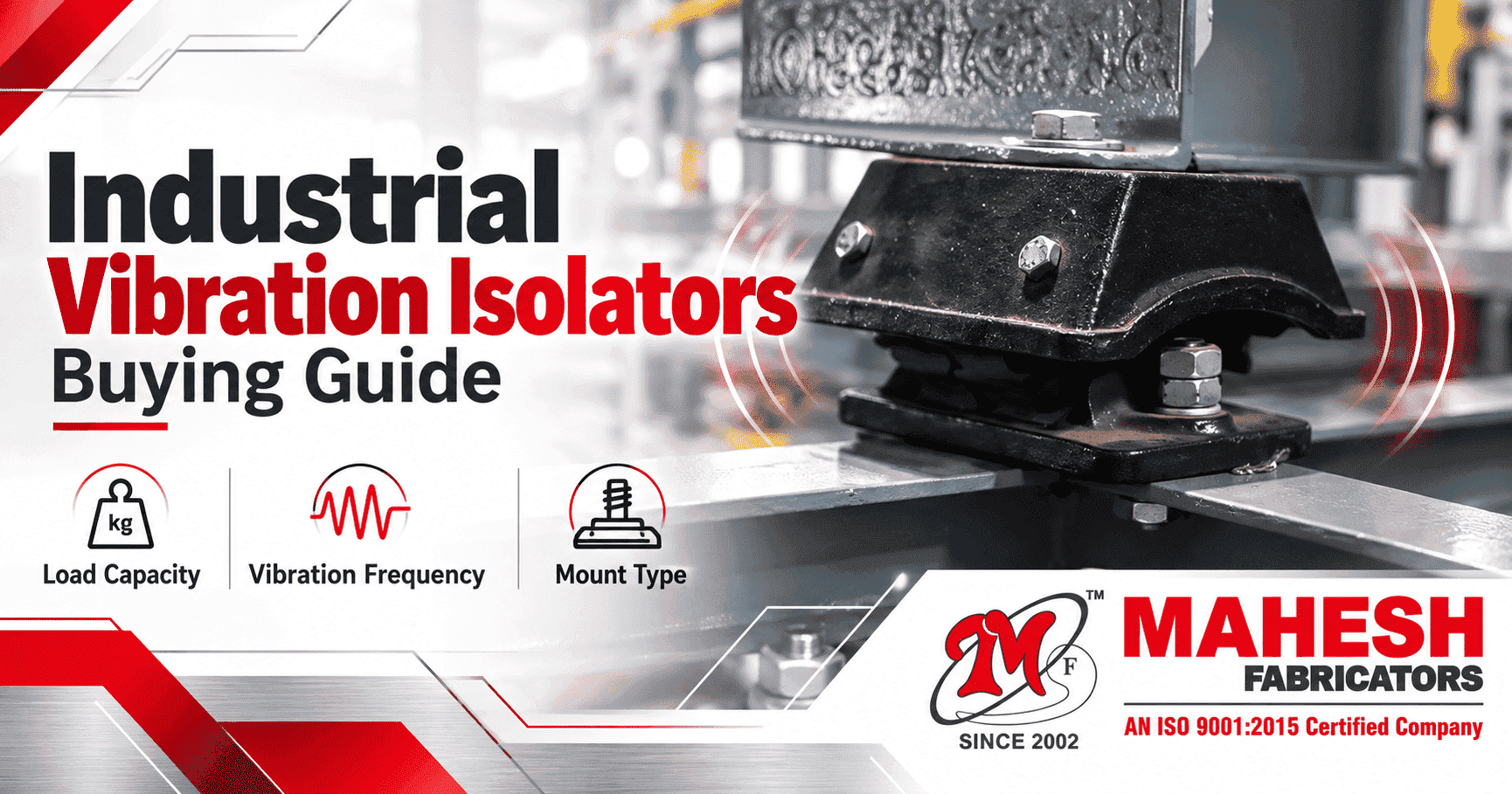
Industrial vibration isolators, also known as anti-vibration mounts or damping pads, are engineered devices that absorb and dissipate vibrational energy generated by industrial equipment. This energy, if unchecked, can lead to a cascade of negative effects, including premature equipment failure, structural damage to buildings, increased noise levels, and discomfort for personnel. By decoupling the vibrating machinery from its supporting structure, vibration isolators act as a buffer, significantly reducing the transmission of harmful oscillations.
The core principle behind vibration isolation lies in understanding the relationship between the mass of the equipment, the characteristics of the vibrations, and the isolator's ability to dampen these forces. Different types of isolators are designed to handle varying degrees of vibration and load capacities, making the selection process dependent on the specific application and machinery involved.
Key Benefits of Using Vibration Isolators
Implementing appropriate vibration isolators offers substantial advantages across a wide range of industrial settings:
- Equipment Protection: Isolators shield machinery from damaging shocks and vibrations, extending its operational life and reducing the need for frequent repairs.
- Noise Reduction: By absorbing vibrational energy, these devices significantly cut down on operational noise, creating a quieter and more comfortable workplace.
- Structural Integrity: They prevent vibrations from transferring to the building's structure, mitigating wear and tear on foundations, walls, and surrounding equipment.
- Improved Product Quality: For manufacturing processes requiring precision, minimizing vibrations can lead to higher quality outputs and fewer defects.
- Enhanced Worker Safety & Comfort: Reduced noise and vibration levels contribute to a safer and more ergonomic working environment, boosting employee morale and productivity.
Types of Industrial Vibration Isolators
Vibration isolators are broadly categorized based on their deflection capabilities and operating principles. The three primary types include:
Pads
Typically made from materials like rubber or cork, these are suitable for lighter loads and moderate vibration frequencies. They offer a basic level of isolation but are limited by their relatively low deflection capabilities.
Neoprene Mounts
These versatile mounts, often featuring metal and rubber construction, provide excellent durability and resistance to oils and chemicals. They are widely used for medium to heavy-duty applications and offer a good balance of isolation and load-bearing capacity.
Spring Isolators
Utilizing coiled springs, these isolators are designed for heavy machinery and applications requiring significant deflection and high levels of vibration isolation. They are particularly effective for low-frequency vibrations and can handle substantial loads.
Beyond these, isolators can also be classified as passive, active, or hybrid systems, depending on their complexity and how they manage vibrational energy.
Choosing the Right Vibration Isolator: A Buyer's Guide
Selecting the appropriate vibration isolator is critical for achieving optimal performance. Several factors must be carefully evaluated:
Key Selection Factors:
- Equipment Weight & Load Capacity: The isolator must be rated to safely support the weight of the equipment, considering its center of gravity. Exceeding the load capacity can render the isolator ineffective or cause failure.
- Disturbing Frequency: This is the frequency at which the machinery generates vibrations. The isolator's natural frequency should be significantly lower (typically at least 3 times lower) than the disturbing frequency to ensure effective isolation.
- Required Level of Damping: Different applications require varying degrees of vibration reduction. Consider the sensitivity of the equipment and the acceptable vibration levels.
- Operating Conditions: Assess environmental factors such as temperature, moisture, chemical exposure, and the presence of oils or greases, which can influence the choice of isolator material and design.
- Deflection Requirements: Greater deflection generally leads to better vibration absorption. Understand the necessary deflection for your specific application to achieve the desired isolation efficiency.
- Type of Load: Consider whether the loads are static or dynamic, and if there are any infrequent heavy loads or shock impacts to account for.
Buyer Insight:
Understanding the interplay between your equipment's dynamic characteristics and the isolator's properties is paramount. A mismatch can lead to resonance, amplifying vibrations instead of dampening them. Always consult manufacturer specifications and, if necessary, seek expert advice.
Applications Across Industries
Mahesh Fabricators' expertise in manufacturing industrial air pollution control equipment means they understand the importance of stable, vibration-free operations. Their vibration isolators are suitable for a wide array of industries that rely on heavy machinery and sensitive processes. These include:
- Textile manufacturing
- Pharmaceutical production
- Iron and Steel plants
- Foundries
- Ceramics and Glass production
- Plastics and Rubber processing
- Furnace and Boiler operations
- Woodworking and Plywood manufacturing
- Coal and Cement processing
- Chemical plants
- Hotels and Restaurants (for HVAC and kitchen equipment)
In each of these sectors, vibration isolators play a crucial role in maintaining equipment performance, ensuring product quality, and protecting the surrounding environment and workforce.
Ensuring Quality and Making the Right Choice
When investing in industrial vibration isolators, quality and reliability are non-negotiable. Look for manufacturers who adhere to stringent quality standards and can provide robust product solutions tailored to your needs. As an ISO 9001-2015 Certified Company founded in 2002, Mahesh Fabricators is committed to delivering high-quality industrial equipment, including vibration isolators designed for demanding applications.
Consider the following when evaluating potential suppliers and solutions:
- Manufacturer's Experience and Certifications: Partner with reputable manufacturers with proven track records and relevant quality certifications.
- Material Quality and Durability: Ensure the isolators are constructed from durable materials that can withstand the operational environment and provide long-lasting performance.
- Technical Support: Choose suppliers who offer strong technical support to assist with selection, installation, and troubleshooting. Mahesh Fabricators provides customer support and technical inquiries via phone and email to assist clients.
- Customization Options: For unique applications, inquire about the possibility of customized solutions to meet specific performance requirements.
Frequently Asked Questions
What is the primary function of industrial vibration isolators?
The primary function is to absorb and dissipate vibrational energy generated by industrial machinery, thereby protecting equipment, reducing noise, and preventing structural damage.
How do I determine the correct size of vibration isolator needed?
The correct size is determined by the weight of the equipment, the disturbing frequency of the machinery, and the required level of damping. It’s crucial that the isolator's load capacity is not exceeded and its natural frequency is significantly lower than the equipment's operating frequency.
Can vibration isolators reduce noise pollution?
Yes, by dampening the vibrations that cause noise, vibration isolators can significantly contribute to reducing overall noise levels in an industrial environment.
What environmental factors should I consider when selecting vibration isolators?
You should consider factors like temperature extremes, exposure to moisture, chemicals, oils, and UV radiation, as these can affect the performance and lifespan of the isolator material.
Are spring isolators suitable for all types of industrial machinery?
Spring isolators are best suited for heavy machinery and applications requiring high deflection and effective isolation from low-frequency vibrations. For lighter equipment or different vibration profiles, pads or neoprene mounts might be more appropriate.
Invest in Reliable Vibration Solutions
Protect your valuable industrial assets and optimize your operational environment with high-performance vibration isolators. For businesses seeking durable, effective, and reliable vibration isolation solutions, Mahesh Fabricators offers expertise backed by years of manufacturing experience and a commitment to quality. We understand the critical role these components play in diverse industrial applications.
Contact Mahesh Fabricators today to discuss your specific needs and explore how our vibration isolators can enhance your machinery's performance and longevity.
Learn More & Inquire Now