industrial hot air blower for textile drying industry
Optimize textile drying processes in Ahmedabad with efficient industrial hot air blowers. Understand features, applications, and selection criteria for reliable
Why This Matters in Ahmedabad
Ahmedabad stands as a significant hub for textile manufacturing, encompassing a wide range of activities from spinning and weaving to dyeing and finishing. The city's textile units require robust and energy-efficient drying solutions to maintain competitiveness and meet production targets. Effective hot air drying directly impacts the quality of finished goods, reduces processing times, and helps manage the substantial energy costs associated with textile production.
What Is an Industrial Hot Air Blower — Overview
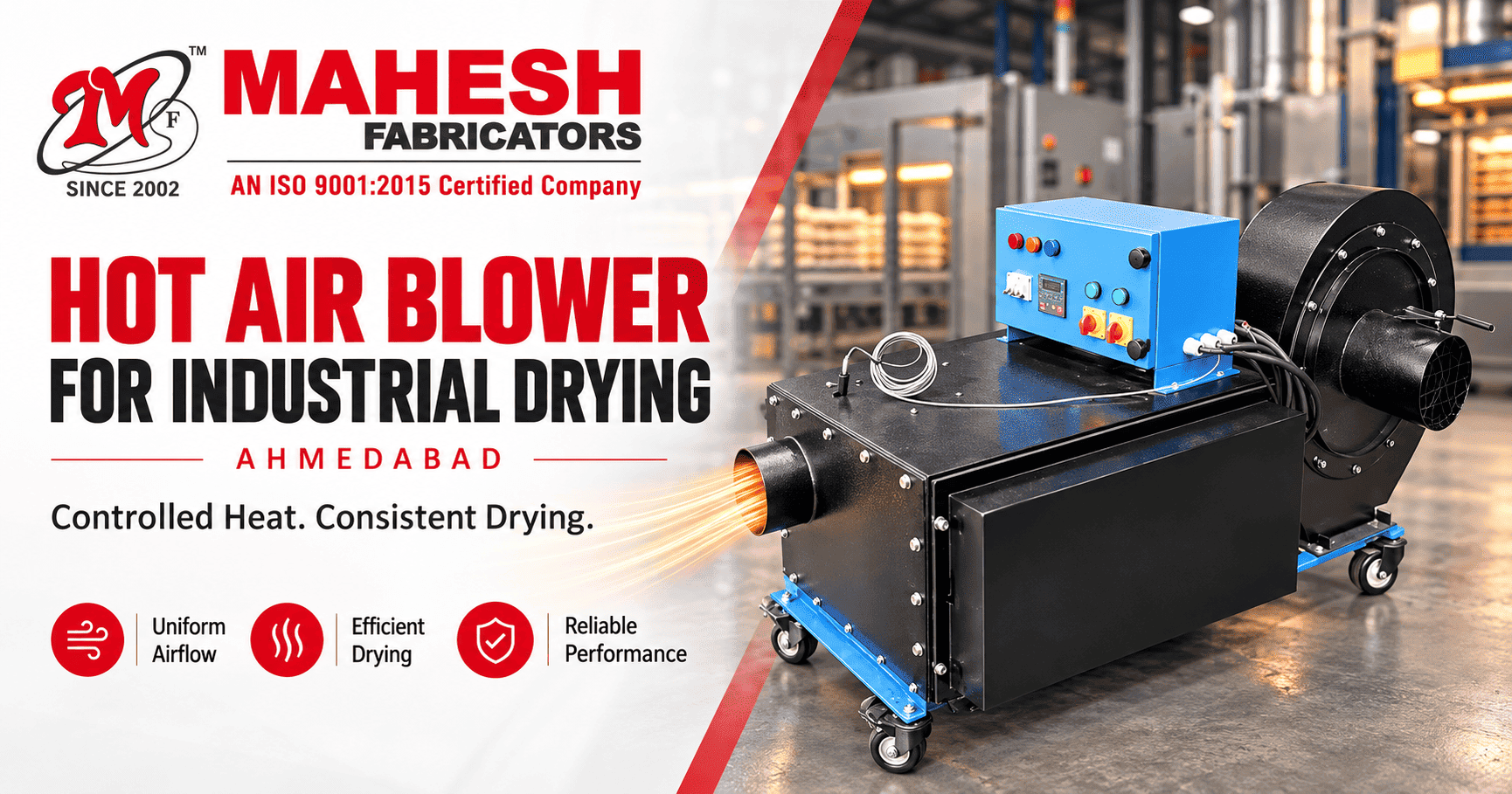
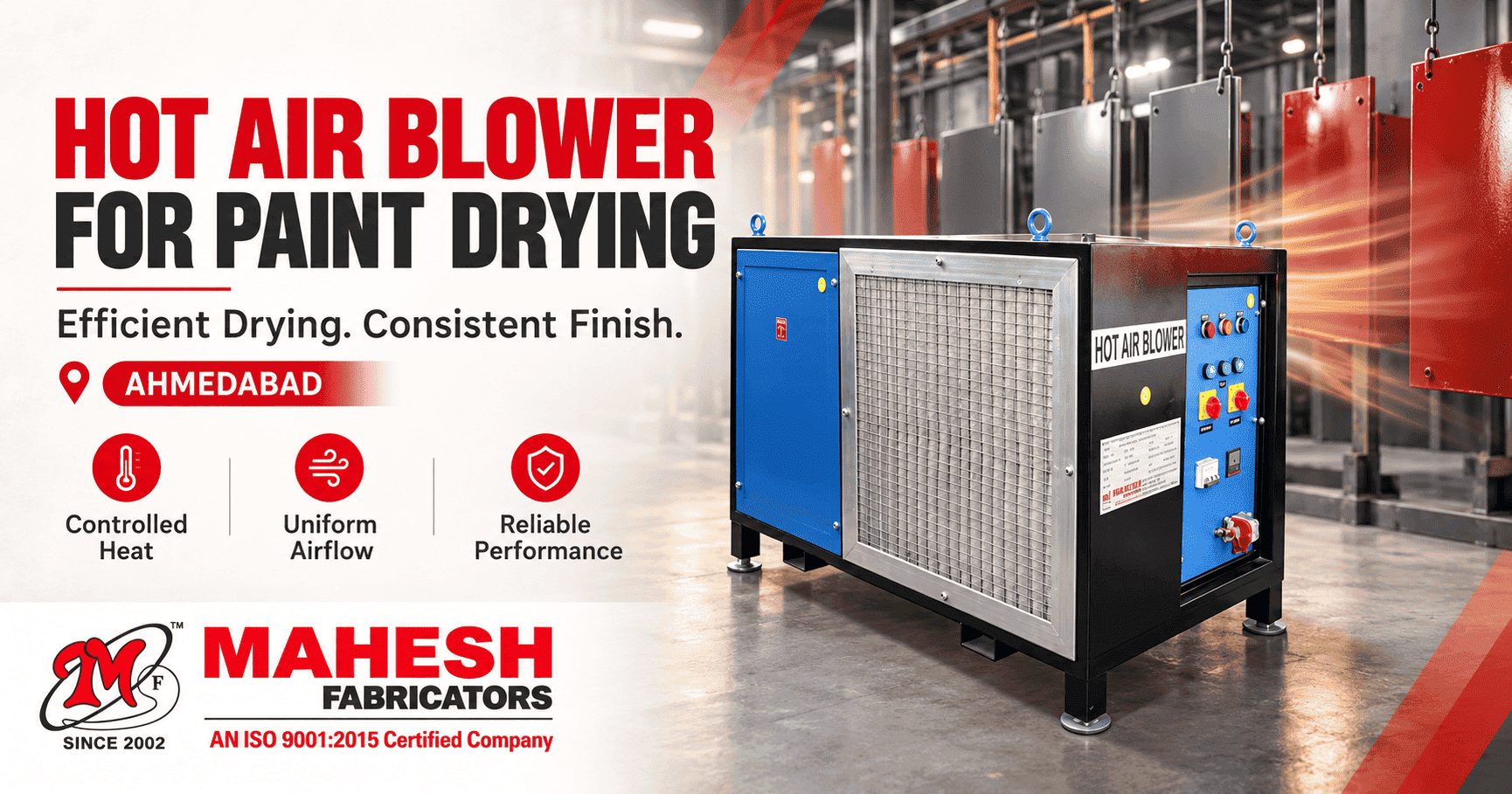
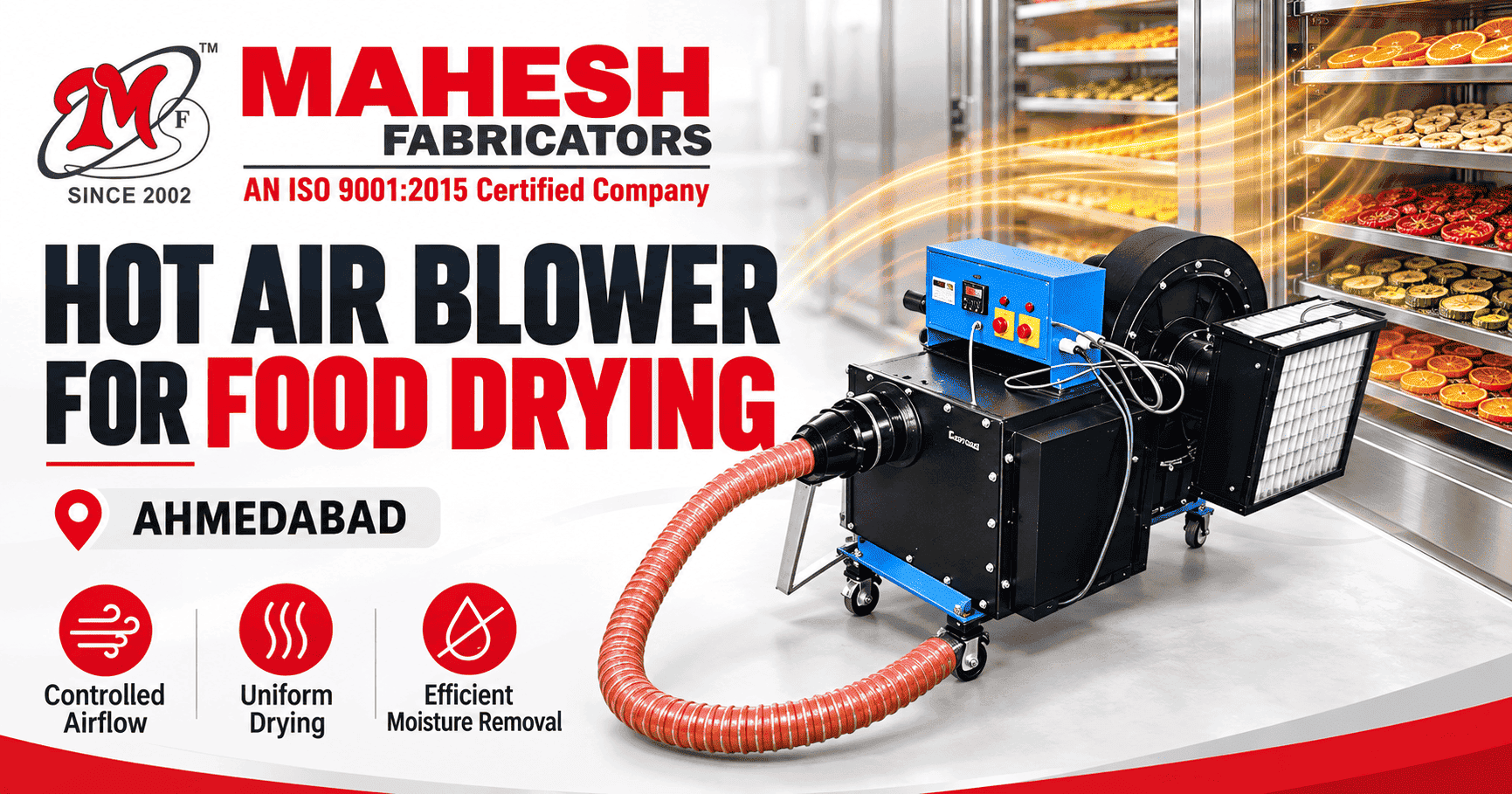
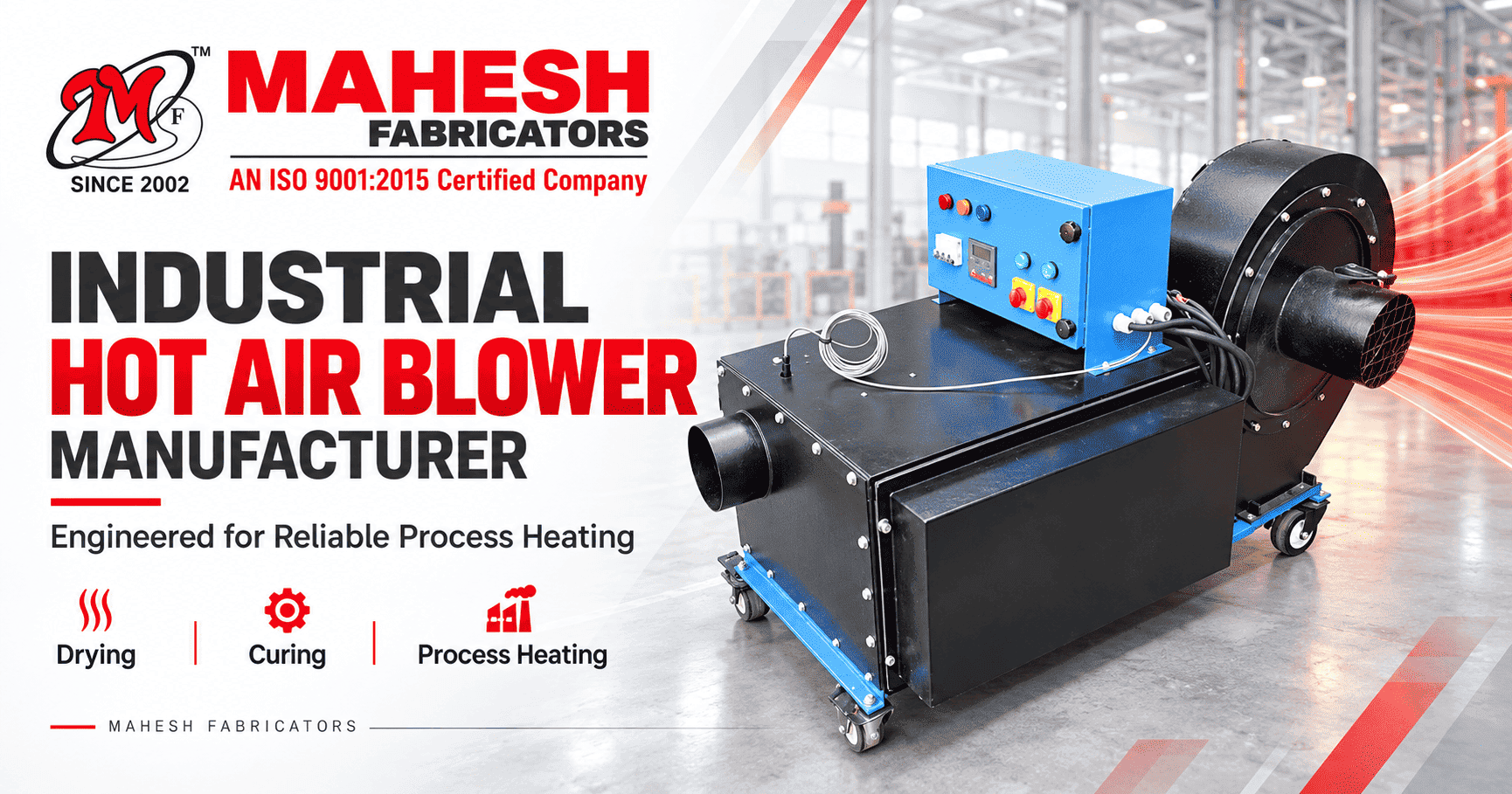
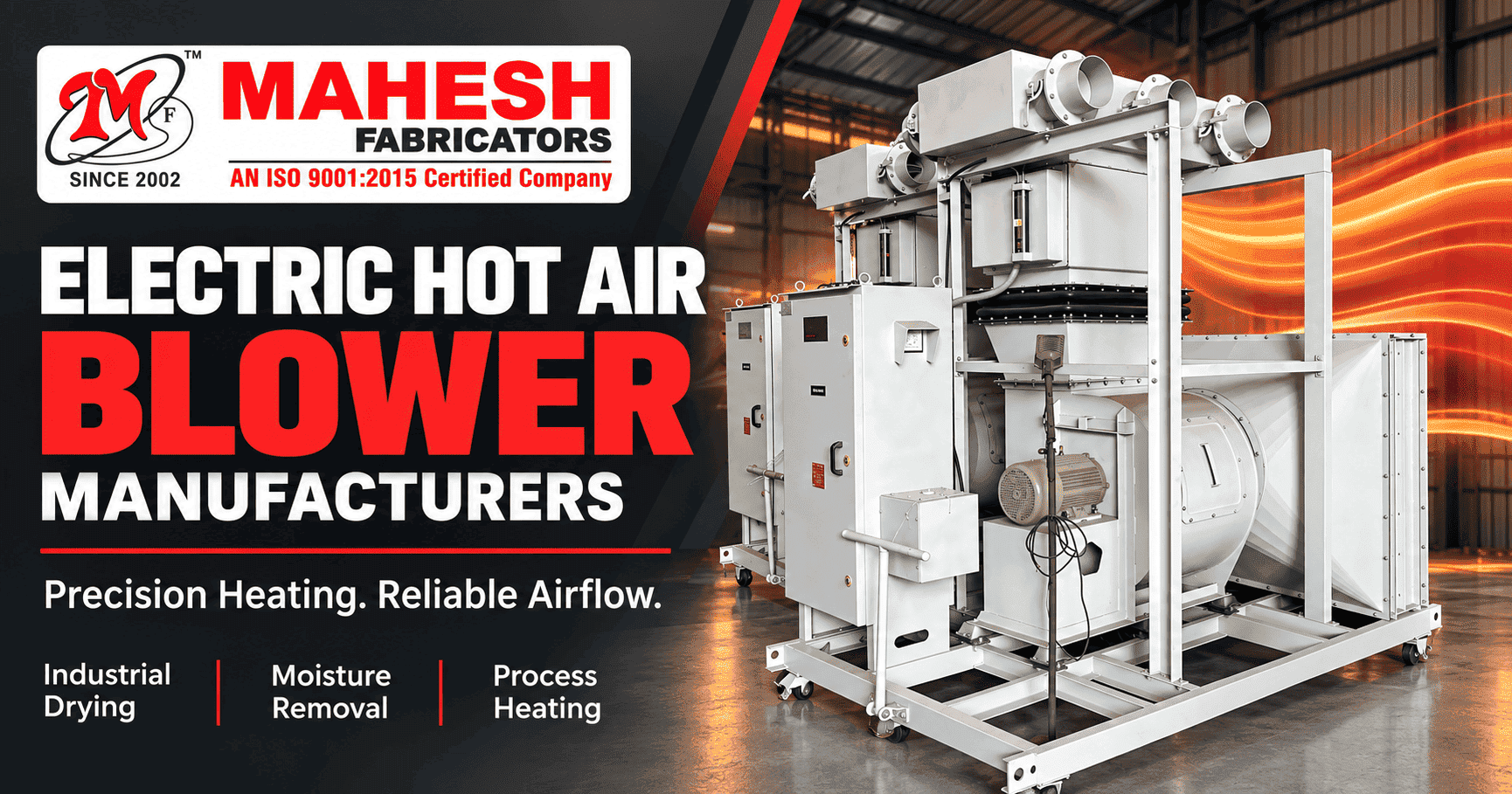
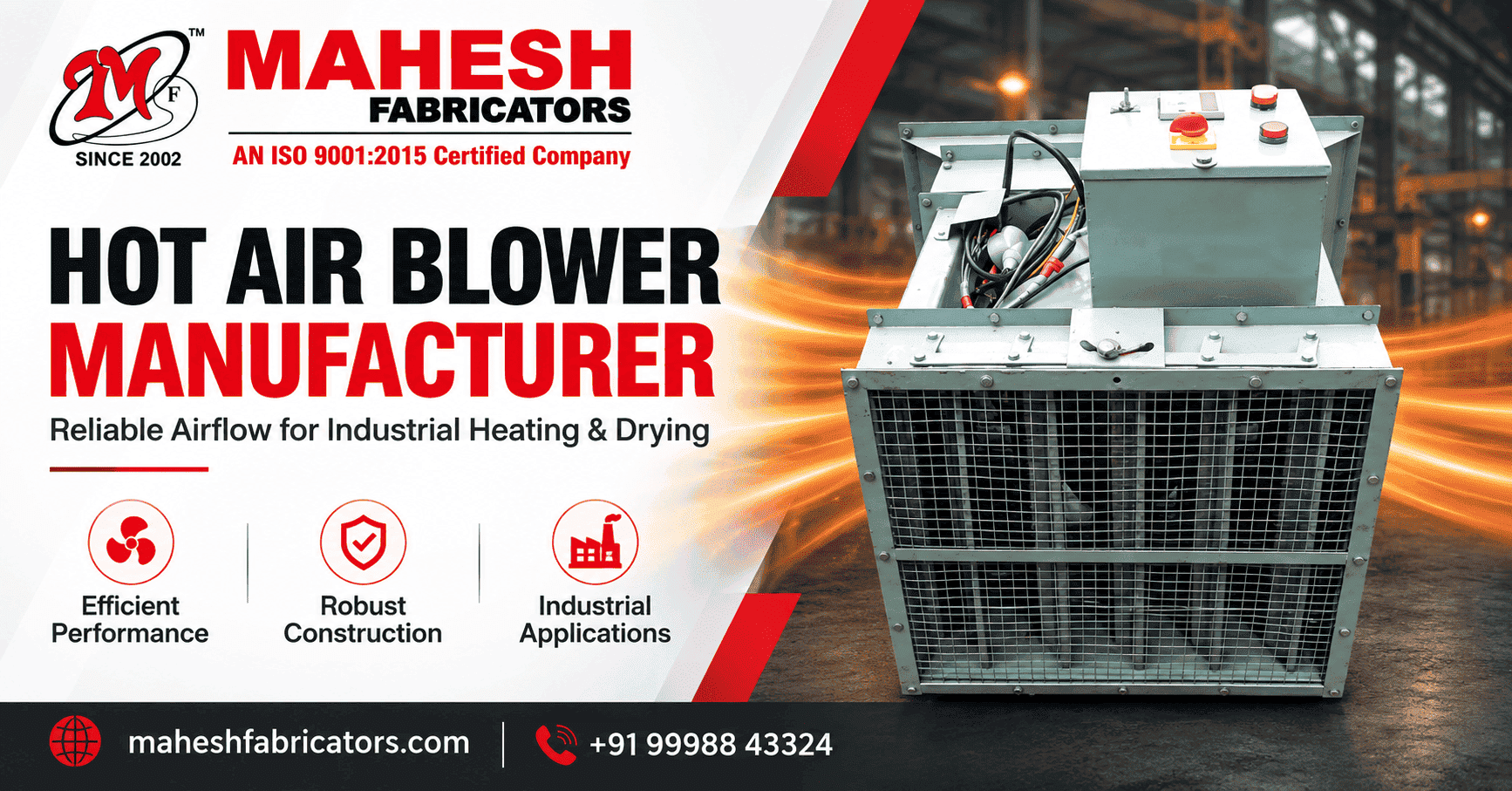
An industrial hot air blower is a specialized piece of equipment designed to generate and deliver a controlled stream of heated air for various industrial processes, primarily drying. It typically consists of a heating element, a powerful fan or blower, and a control system. The fan draws in ambient air, which is then passed over the heating elements to reach a specified temperature before being directed towards the material requiring drying.
These systems are engineered for continuous operation in demanding environments, ensuring uniform heat distribution and efficient moisture evaporation. Their design allows for precise temperature regulation and airflow adjustment, making them suitable for sensitive materials like textiles. The heated air effectively carries away moisture, leaving the textile products dry and ready for subsequent processing or packaging.
Key Features and Technical Specifications
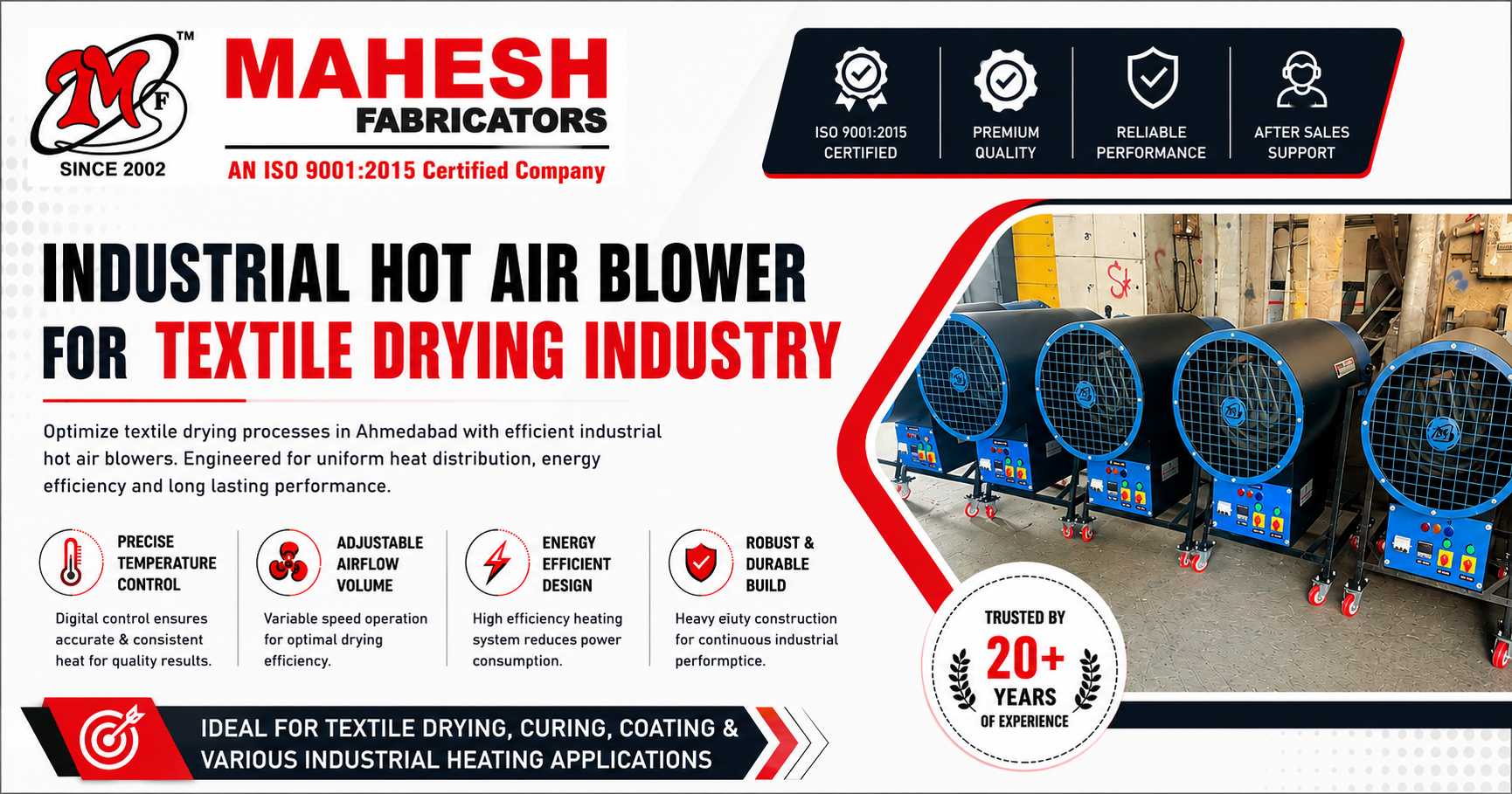
- Precise Temperature Control: Digital thermostats and sensors ensure consistent air temperature delivery, crucial for preventing fabric damage.
- Adjustable Airflow Volume: Variable speed drives on fans allow for optimization of air velocity and volume to suit different drying requirements.
- Energy-Efficient Heating Elements: High-grade heating coils or indirect heat exchangers minimize power consumption while maximizing heat transfer.
- Robust Construction: Heavy-duty steel casing and industrial-grade components ensure durability and long operational life in harsh environments.
- Integrated Safety Mechanisms: Overheat protection, thermal cut-outs, and emergency stop functions enhance operational safety.
- Low Noise Operation: Optimized fan and motor designs contribute to reduced noise levels, improving the working environment.
- Modular Design: Facilitates easier integration into existing production lines and simplifies maintenance procedures.
- Corrosion-Resistant Materials: Internal components are often constructed from materials resistant to moisture and chemical exposure, extending lifespan.
Industrial Applications and Use Cases
- Fabric Drying: Efficiently removes moisture from woven, knitted, and non-woven fabrics after washing, dyeing, or finishing processes.
- Yarn Drying: Dries spun yarns on cones or in hanks, preparing them for weaving or knitting.
- Dyeing and Finishing Curing: Provides controlled heat for curing dyes, resins, and chemical finishes applied to textiles.
- Garment Drying: Accelerates the drying of finished garments, reducing cycle times in apparel manufacturing.
- Printing Ink Drying: Used to dry water-based or solvent-based inks on printed textiles, ensuring adhesion and preventing smudging.
- Textile Coating Drying: Facilitates the drying and curing of various coatings applied to fabrics for specific properties like water repellency or flame resistance.
- Pre-heating Processes: Can be used to pre-heat textiles before further processing steps, improving material receptivity.
How to Choose the Right Industrial Hot Air Blower
Selecting an appropriate industrial hot air blower involves evaluating several critical factors to match the system to specific operational needs. Understanding these aspects helps ensure efficiency, reliability, and cost-effectiveness over the equipment's lifespan.
- Required Drying Capacity: Assess the volume of material to be dried per hour, its initial and final moisture content, and the desired drying time.
- Temperature Range and Precision: Determine the specific temperature requirements for your textile materials to avoid damage and achieve optimal drying.
- Energy Source and Efficiency: Consider the available power supply (electric, gas, steam) and evaluate the blower's energy consumption to minimize operating costs.
- Footprint and Integration: Evaluate the physical dimensions of the blower and its compatibility with your existing production line layout and space constraints.
- Material Compatibility: Ensure the blower's internal components are suitable for the specific chemicals or finishes used in your textile processes.
- Supplier Experience and Support: Choose a supplier with a proven track record in industrial air systems and reliable after-sales service, including spare parts availability.
- Safety and Compliance: Verify that the equipment meets relevant industrial safety standards and environmental regulations applicable to your operations.
Quality Standards and Compliance
Adherence to established quality standards is fundamental for industrial hot air blowers, particularly in the textile industry where product consistency is paramount. Buyers should look for manufacturers who demonstrate compliance with recognized certifications like ISO 9001-2015, which signifies a robust quality management system. This certification indicates that a company consistently provides products and services that meet customer and regulatory requirements. Additionally, verifying compliance with specific industrial safety norms and energy efficiency standards ensures operational reliability and contributes to a safer working environment. These standards help guarantee that the equipment is manufactured to high specifications, performs as expected, and contributes positively to the overall production process.
Why Company Experience and Capability Matters
The complexity of industrial drying applications, especially within the textile sector, demands a supplier with deep technical understanding and proven capability. A company with extensive experience, like Mahesh Fabricators, founded in 2002, brings valuable insights into designing and manufacturing industrial air systems. Their ISO 9001-2015 certification reflects a commitment to quality control throughout the manufacturing process, from material selection to final assembly. This experience translates into the ability to offer customized hot air blower solutions that precisely meet specific textile drying requirements, ensuring optimal performance and energy efficiency.
Mahesh Fabricators' technical team possesses the expertise to understand diverse industrial challenges and engineer solutions that integrate seamlessly into existing production lines. Their focus on durable construction and reliable operation means less downtime for clients. Furthermore, a strong emphasis on after-sales support and readily available spare parts ensures continuous operation and minimizes potential disruptions for textile manufacturers.
Installation, Maintenance and Care Tips
Proper installation and routine maintenance are crucial for maximizing the lifespan and efficiency of an industrial hot air blower. Following manufacturer guidelines will help ensure consistent performance and operational safety.
- Professional Installation: Always engage qualified technicians for installation to ensure correct sizing, proper electrical connections, and secure mounting.
- Optimal Placement: Position the blower in a location that allows for adequate airflow intake and exhaust, avoiding obstructions that could impede performance.
- Regular Filter Cleaning: Periodically clean or replace air intake filters to prevent dust and lint buildup, which can reduce airflow and efficiency.
- Heater Element Inspection: Routinely inspect heating elements for signs of wear or damage, replacing them as needed to maintain consistent heat output.
- Fan and Motor Checks: Lubricate fan bearings according to manufacturer specifications and check motor mounts for stability and vibration.
- Control System Calibration: Periodically verify the accuracy of temperature sensors and control systems to ensure precise heat regulation.
- Ductwork Integrity: Inspect all ducting for leaks, blockages, or damage that could compromise airflow and heat delivery to the drying area.
- Safety Feature Testing: Regularly test safety interlocks, emergency stops, and thermal cut-outs to confirm they are fully functional.
Frequently Asked Questions
An industrial hot air blower enhances drying efficiency by delivering a consistent, controlled stream of heated air directly to the textile material. This accelerates the evaporation of moisture from fabrics and yarns, significantly reducing drying times compared to ambient air drying. The precise temperature and airflow control also help prevent overdrying or damage to sensitive materials, ensuring uniform moisture removal and improving overall product quality.
Industrial hot air blowers are versatile and can be used to dry a wide range of textile materials. This includes natural fibers like cotton, wool, and linen, as well as synthetic fabrics such as polyester, nylon, and rayon. They are also effective for blended fabrics and specialized textiles used in technical applications. The key is to adjust the temperature and airflow settings according to the specific properties and moisture content of each fabric type.
Energy consumption is a significant operational cost for industrial hot air blowers. Factors influencing this include the blower's heating element efficiency, motor power, insulation quality, and the overall design. Modern blowers often incorporate features like variable frequency drives (VFDs) for fan speed control and advanced temperature regulation to optimize energy use. Selecting a blower sized correctly for the application also prevents unnecessary energy waste.
Precise temperature control is critically important in textile drying to prevent damage to delicate fabrics and ensure consistent drying results. Too high a temperature can scorch or weaken fibers, alter dye colors, or cause shrinkage. Too low a temperature prolongs drying times and wastes energy. An industrial hot air blower with accurate temperature regulation allows manufacturers to maintain optimal conditions for each specific textile material.
Regular maintenance for an industrial hot air blower typically involves cleaning or replacing air filters, inspecting heating elements for wear, and lubricating fan bearings. It also includes checking motor mounts, ensuring the integrity of ductwork, and calibrating control systems. Adhering to a scheduled maintenance plan helps prevent unexpected breakdowns, maintains operational efficiency, and extends the overall service life of the equipment.
Yes, industrial hot air blowers are often designed with modularity in mind, allowing for seamless integration into existing textile drying lines. Manufacturers can customize the blower's size, configuration, and ducting connections to fit specific layouts and operational requirements. This adaptability minimizes disruption to current production setups while upgrading drying capabilities and improving overall process efficiency.
Conclusion
Efficient drying is a cornerstone of productivity and quality in the textile industry, particularly in a competitive market like Ahmedabad. Industrial hot air blowers offer a reliable and controlled solution for moisture removal, directly impacting fabric quality, production speed, and energy expenditure. When considering such an investment, it is essential to evaluate the specific technical requirements of your operation and partner with a supplier who brings extensive experience and a commitment to quality. Choosing a well-engineered system from a reputable manufacturer ensures long-term performance and contributes significantly to operational success.
Get In Touch
Mahesh Fabricators