Industrial hot air blower for pharmaceuticals
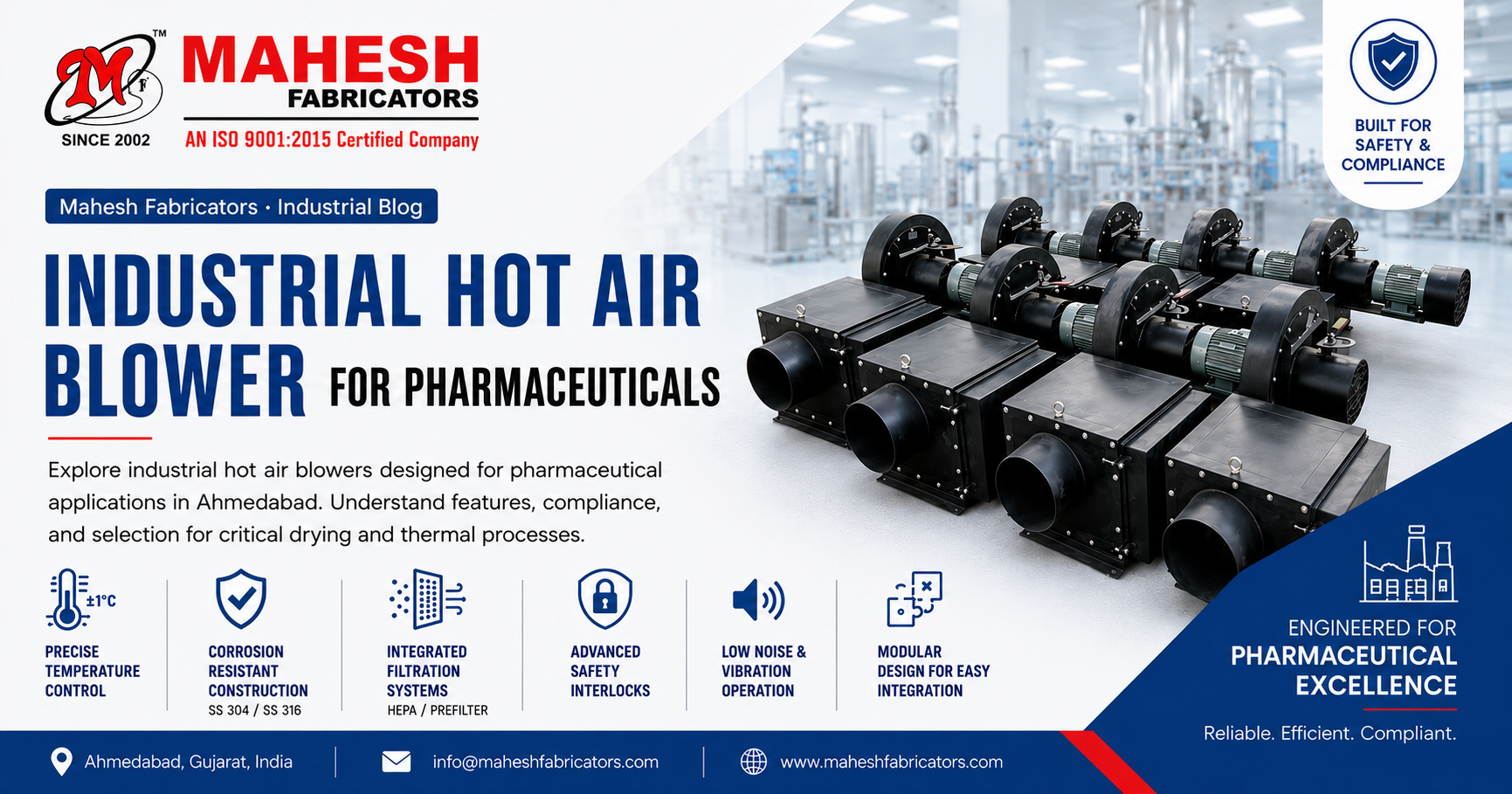
Explore industrial hot air blowers designed for pharmaceutical applications in Ahmedabad. Understand features, compliance, and selection for critical drying and
Why This Matters in Ahmedabad
Ahmedabad stands as a significant hub for pharmaceutical manufacturing and research in India. The region hosts numerous large-scale pharmaceutical plants, R&D centers, and allied industries, all requiring advanced processing equipment. With stringent regulatory demands and a focus on innovation, the demand for specialized industrial hot air blowers designed for pharmaceutical applications is consistently high. Local manufacturers and suppliers who understand these specific industry needs play a vital role in supporting this critical sector's growth and compliance.
What is an Industrial Hot Air Blower for Pharmaceuticals — Overview
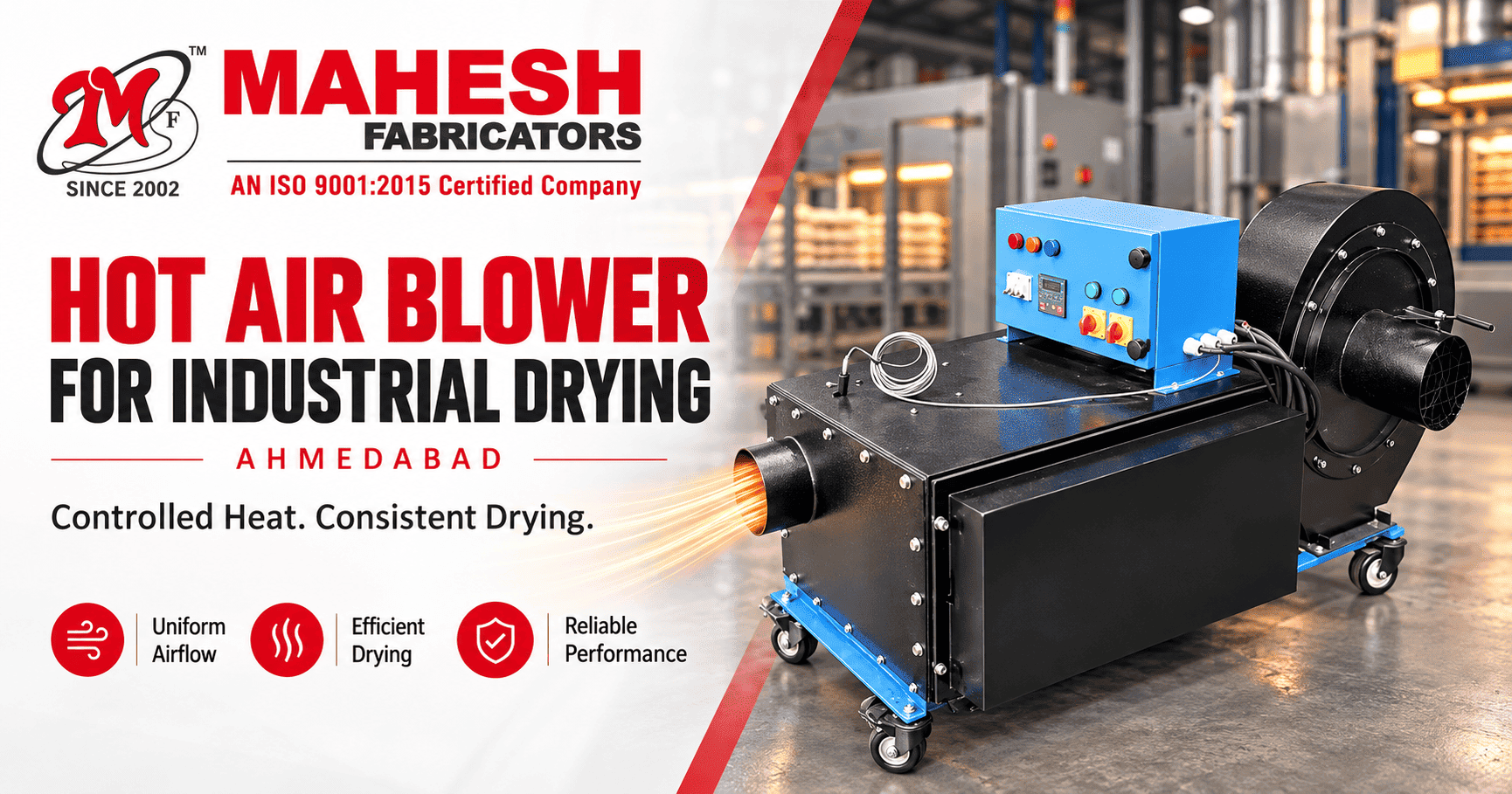
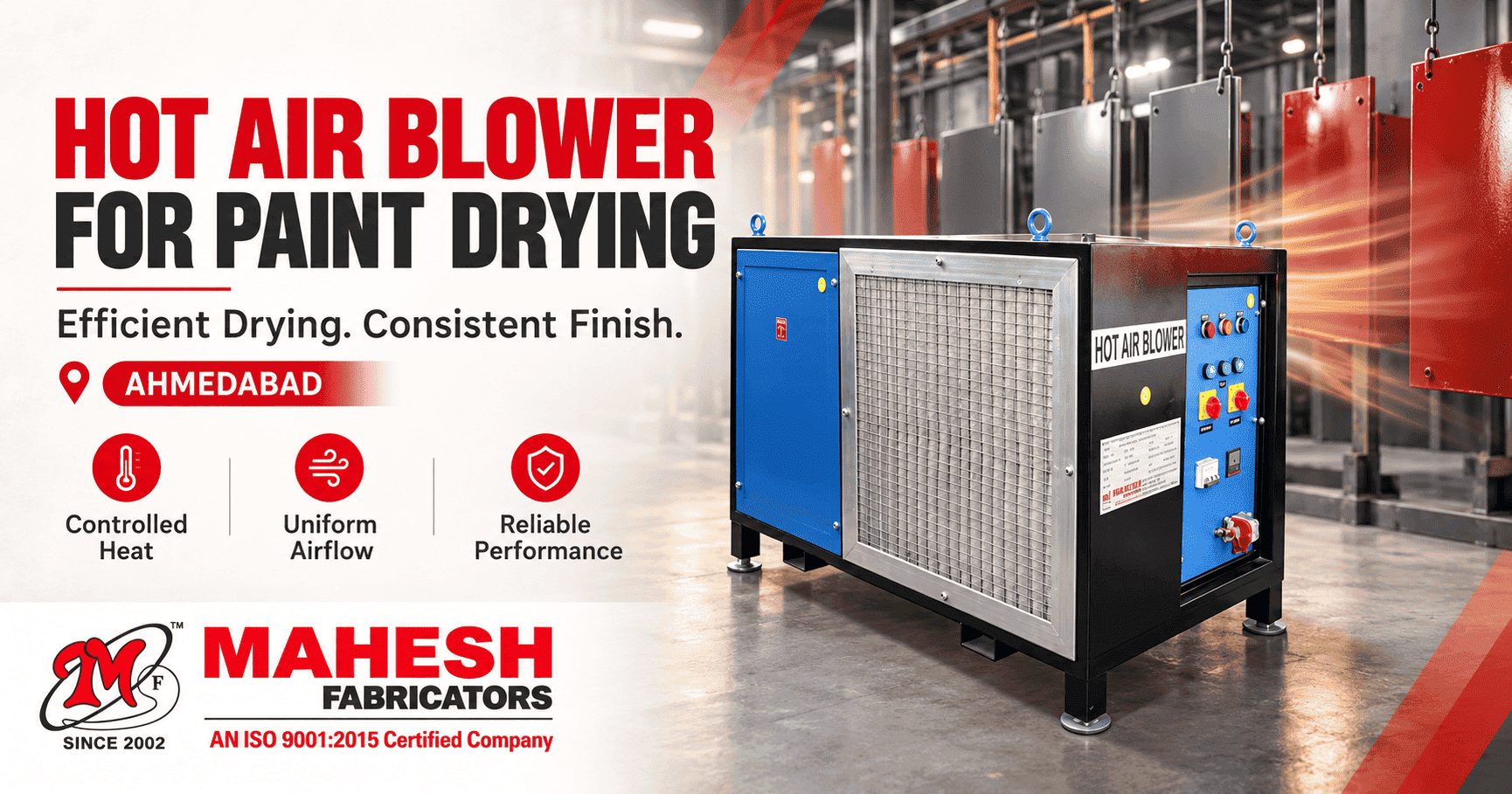
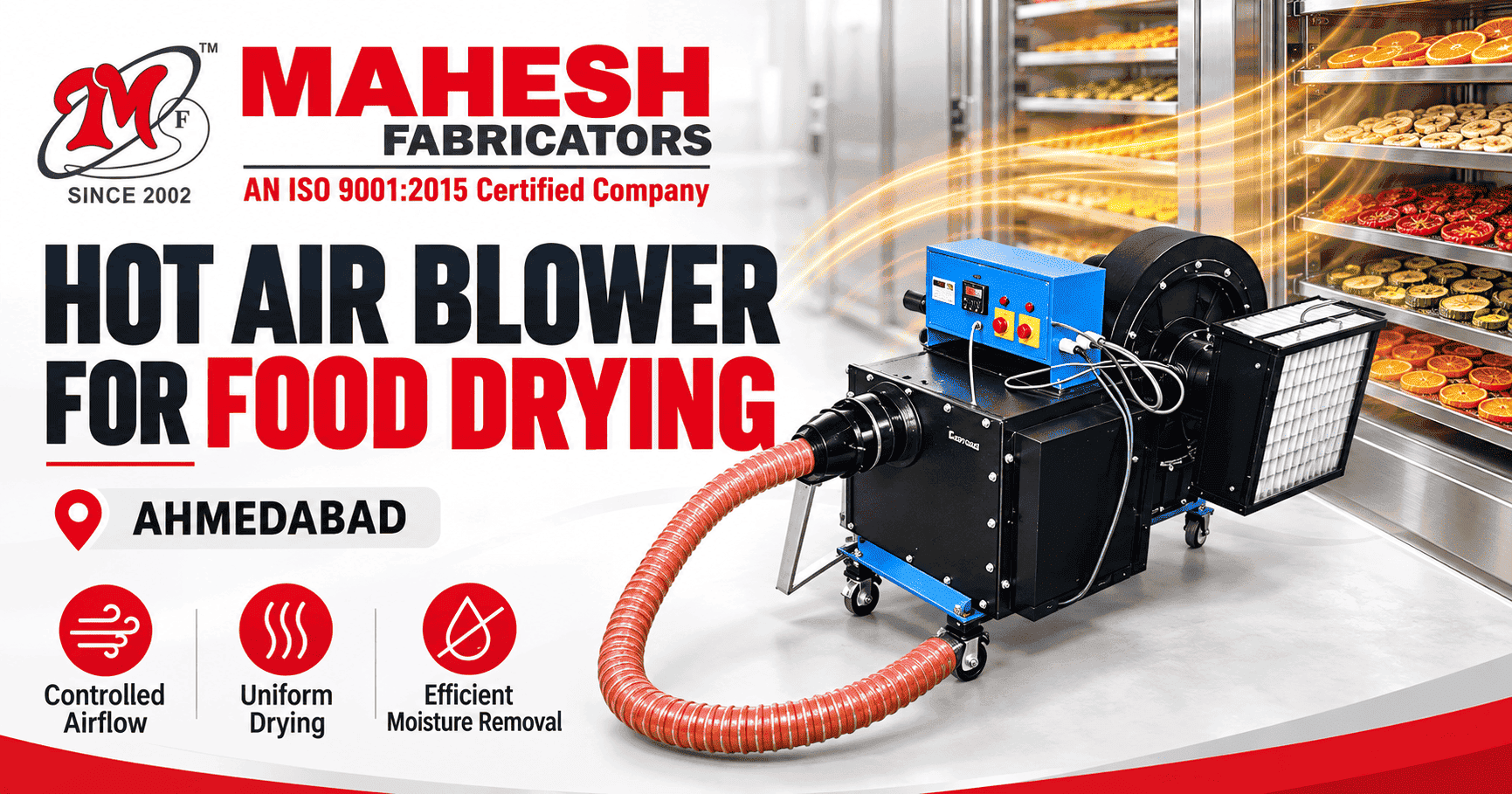
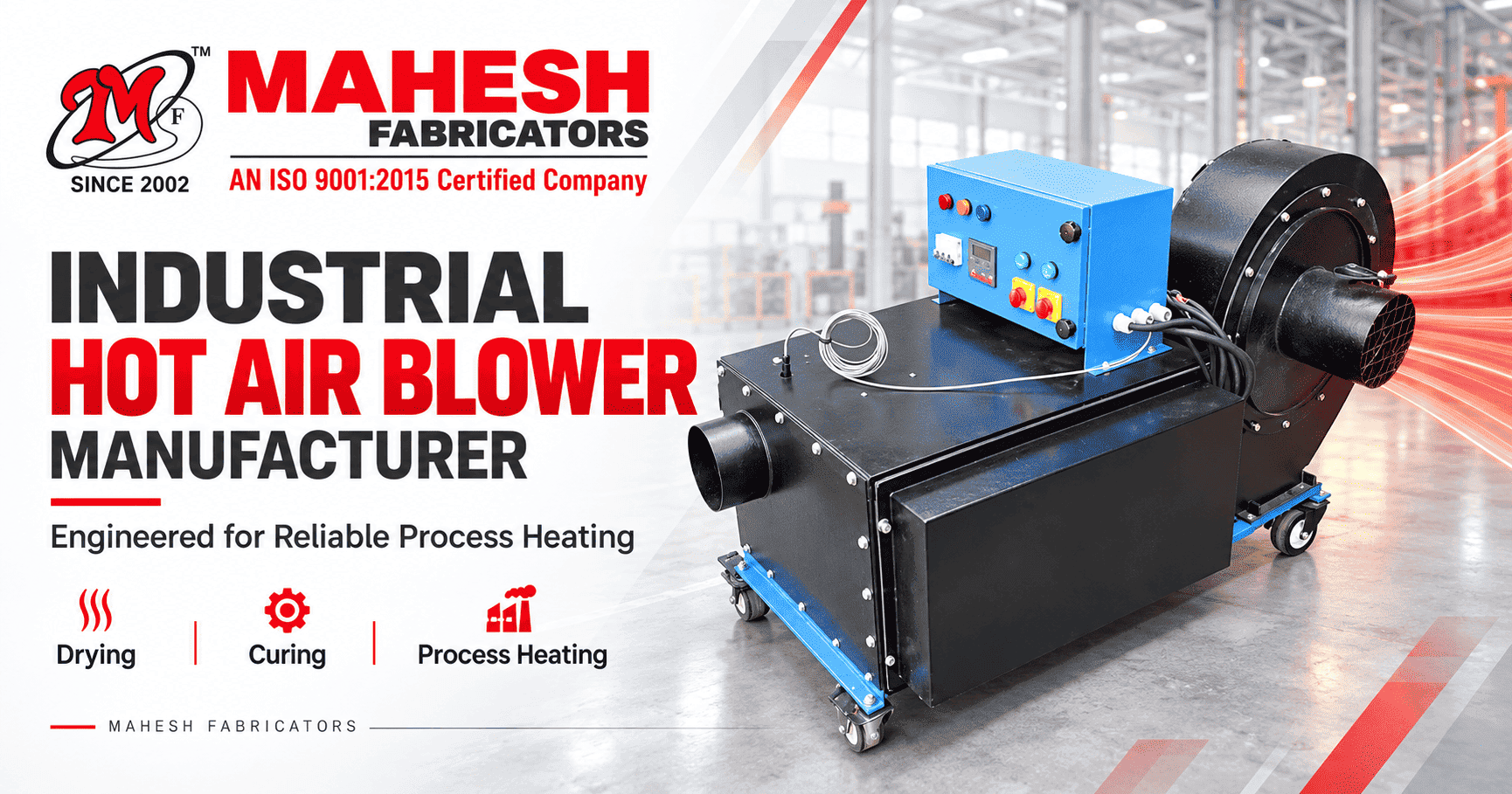
An industrial hot air blower for pharmaceuticals is a specialized system designed to deliver a controlled stream of heated air for various processes within drug manufacturing. Unlike general-purpose blowers, these units are engineered to meet the strict hygiene, temperature accuracy, and material compatibility requirements of the pharma sector. They typically consist of a fan or blower, a heating element (electric or fuel-fired), and a control system to regulate airflow and temperature. Their primary function is to facilitate drying, sterilization, curing, and other thermal processes while maintaining product integrity and preventing contamination.
Key Features and Technical Specifications
- Precise Temperature Control: Maintains air temperature within narrow tolerances, often ±1-2°C, critical for sensitive pharmaceutical compounds.
- High-Efficiency Heating Elements: Designed for rapid heating and energy conservation, reducing operational costs.
- Corrosion-Resistant Construction: Utilizes stainless steel (SS 304, SS 316) for all contact parts to prevent contamination and ensure longevity.
- Integrated Filtration Systems: Incorporates HEPA or pre-filters to deliver clean, particle-free hot air, essential for cleanroom environments.
- Advanced Safety Interlocks: Features over-temperature protection, airflow sensors, and emergency shut-off mechanisms.
- Low Noise and Vibration Operation: Engineered for stable performance, minimizing disruption in sensitive production areas.
- Modular Design: Allows for easy integration into existing production lines and simplifies maintenance.
Industrial Applications and Use Cases
- Tablet and Granule Drying: Accelerates the removal of moisture from pharmaceutical tablets, granules, and powders after wet granulation or coating processes.
- Sterilization of Equipment and Containers: Provides dry heat sterilization for glassware, containers, and processing equipment in aseptic manufacturing.
- Fluid Bed Drying: Supplies heated air for fluid bed dryers used in pharmaceutical and nutraceutical production to achieve uniform drying.
- Coating Processes: Delivers controlled hot air for drying and curing of film coatings on tablets and capsules, ensuring even distribution and adhesion.
- Oven and Chamber Heating: Used as a heat source for industrial ovens and drying chambers in pharmaceutical laboratories and production facilities.
- Cleanroom HVAC Systems: Integrates into HVAC systems to provide temperature-controlled, filtered air for maintaining cleanroom conditions.
How to Choose the Right Industrial Hot Air Blower
Selecting an appropriate industrial hot air blower for pharmaceutical use requires careful consideration of several factors to ensure optimal performance and compliance. The right choice supports efficient operations and maintains product quality.
- Capacity and Airflow Requirements: Evaluate the volume of air needed and the required temperature range for your specific drying or heating process.
- Material of Construction: Verify that all air contact surfaces are made from pharmaceutical-grade stainless steel (e.g., SS 304, SS 316) to prevent contamination.
- Filtration System: Confirm the presence and type of air filtration (e.g., HEPA filters) to meet cleanroom standards and prevent particulate ingress.
- Control System Accuracy: Assess the precision of temperature and airflow controls, along with data logging capabilities for validation purposes.
- Certifications and Compliance: Ensure the manufacturer adheres to relevant industry standards and offers equipment suitable for GMP environments.
- Supplier Experience and Support: Choose a supplier with a proven track record in the pharmaceutical sector, offering reliable after-sales service and technical assistance.
- Customization Options: Determine if the blower can be tailored to fit unique process requirements, space constraints, or integration with existing machinery.
Quality Standards and Compliance
For industrial hot air blowers used in pharmaceuticals, adherence to strict quality standards and regulatory compliance is non-negotiable. Buyers must verify that equipment meets Good Manufacturing Practices (GMP) guidelines, which dictate the design, operation, and maintenance of manufacturing facilities and processes. Relevant standards often include ISO 9001 for quality management systems, ensuring consistent product quality. Furthermore, specific material certifications for stainless steel components, validation documentation, and calibration certificates for temperature and airflow sensors are crucial. These measures collectively ensure the safety, purity, and efficacy of pharmaceutical products.
Why Company Experience and Capability Matters
Choosing a manufacturer with extensive experience in industrial air systems, particularly for the pharmaceutical sector, provides significant advantages. Mahesh Fabricators, established in 2002, brings over two decades of specialized knowledge in designing and manufacturing industrial air solutions. Our ISO 9001-2015 certification reflects a commitment to quality management throughout our processes. We focus on robust manufacturing techniques, utilizing appropriate materials and precision engineering to deliver reliable industrial hot air blowers. Our technical team understands the specific demands of pharmaceutical applications, from controlled temperature delivery to maintaining hygienic conditions. This capability allows us to offer systems that integrate effectively into complex production lines, backed by consistent quality control and dependable after-sales support.
Installation, Maintenance and Care Tips
Proper installation, regular maintenance, and diligent care are essential for the long-term performance and reliability of an industrial hot air blower in pharmaceutical settings.
- Professional Installation: Ensure the blower is installed by qualified technicians, following manufacturer guidelines and local safety codes. Proper alignment and secure mounting prevent vibration and ensure efficient operation.
- Airflow Path Integrity: Verify that the ducting system is sealed and free from leaks, preventing contamination and maintaining consistent airflow to the process area.
- Filter Monitoring and Replacement: Regularly check the pressure drop across air filters (pre-filters, HEPA filters) and replace them according to the manufacturer's schedule or when differential pressure indicates clogging.
- Heating Element Inspection: Periodically inspect heating elements for signs of wear, corrosion, or damage. Ensure electrical connections are secure and free from oxidation.
- Bearing Lubrication: Follow the manufacturer's recommendations for lubricating motor and fan bearings to prevent premature wear and ensure smooth operation.
- Control System Calibration: Calibrate temperature and airflow sensors regularly to maintain accuracy and ensure precise process control.
- Cleanliness Protocols: Adhere to strict cleaning protocols for external surfaces and accessible internal components, especially in cleanroom environments, to prevent microbial growth and particulate accumulation.
Frequently Asked Questions
Industrial hot air blowers for pharmaceuticals are typically designed to achieve a wide range of temperatures, often from ambient up to 250-350°C, with precise control. The specific range depends on the heating element's capacity and the application's requirements, such as drying sensitive compounds or sterilizing equipment. These systems are engineered to maintain consistent temperatures within narrow tolerances, which is critical for product integrity and process validation in pharmaceutical manufacturing.
To ensure air purity for cleanroom applications, industrial hot air blowers for pharmaceuticals incorporate multi-stage filtration systems. This typically includes pre-filters to remove larger particles, followed by high-efficiency particulate air (HEPA) filters. These filters capture microscopic particles, ensuring that the delivered hot air meets the stringent particulate cleanliness standards required for various cleanroom classifications, preventing contamination of pharmaceutical products.
Energy efficiency in pharmaceutical hot air blowers is a significant consideration due to continuous operation and high energy consumption. Modern blowers feature high-efficiency heating elements, optimized fan designs, and advanced insulation to minimize heat loss. Integrated control systems allow for precise temperature management, preventing overshooting and reducing energy waste. Selecting a system with robust insulation and efficient components can lead to substantial operational cost savings over time.
Yes, industrial hot air blowers can often be customized to meet the unique demands of specific pharmaceutical processes. Customization options include varying airflow rates, temperature ranges, material specifications (e.g., different grades of stainless steel), specialized filtration, and integration with existing control systems. Manufacturers like Mahesh Fabricators work closely with clients to design solutions that precisely fit their operational requirements, ensuring optimal performance and compliance.
Safety features are paramount for hot air blowers in pharmaceutical environments. Crucial features include over-temperature protection, which automatically shuts down the heater if temperatures exceed set limits. Airflow interlocks ensure the heating element only operates when sufficient airflow is present, preventing overheating. Emergency stop buttons, robust electrical isolation, and clear operational indicators are also essential for protecting both personnel and sensitive pharmaceutical products.
A recommended maintenance schedule for industrial hot air blowers in pharmaceutical settings typically involves daily visual checks, weekly filter inspections, and monthly or quarterly detailed inspections. Annual professional servicing is also advised, including calibration of sensors, inspection of electrical components, and comprehensive cleaning. Adhering to this schedule helps ensure continuous, reliable operation, maintains air quality, and extends the lifespan of the equipment.
Conclusion
The role of an industrial hot air blower for pharmaceuticals in Ahmedabad is critical for maintaining the quality, safety, and efficacy of medicinal products. From precise temperature control to stringent air purity, these systems are integral to various manufacturing processes. When considering such equipment, factors like technical specifications, adherence to quality standards, and the manufacturer's proven experience are paramount. Partnering with a capable and experienced supplier ensures access to reliable, compliant, and efficient hot air solutions tailored to the demanding pharmaceutical environment.
Get In Touch
Mahesh Fabricators