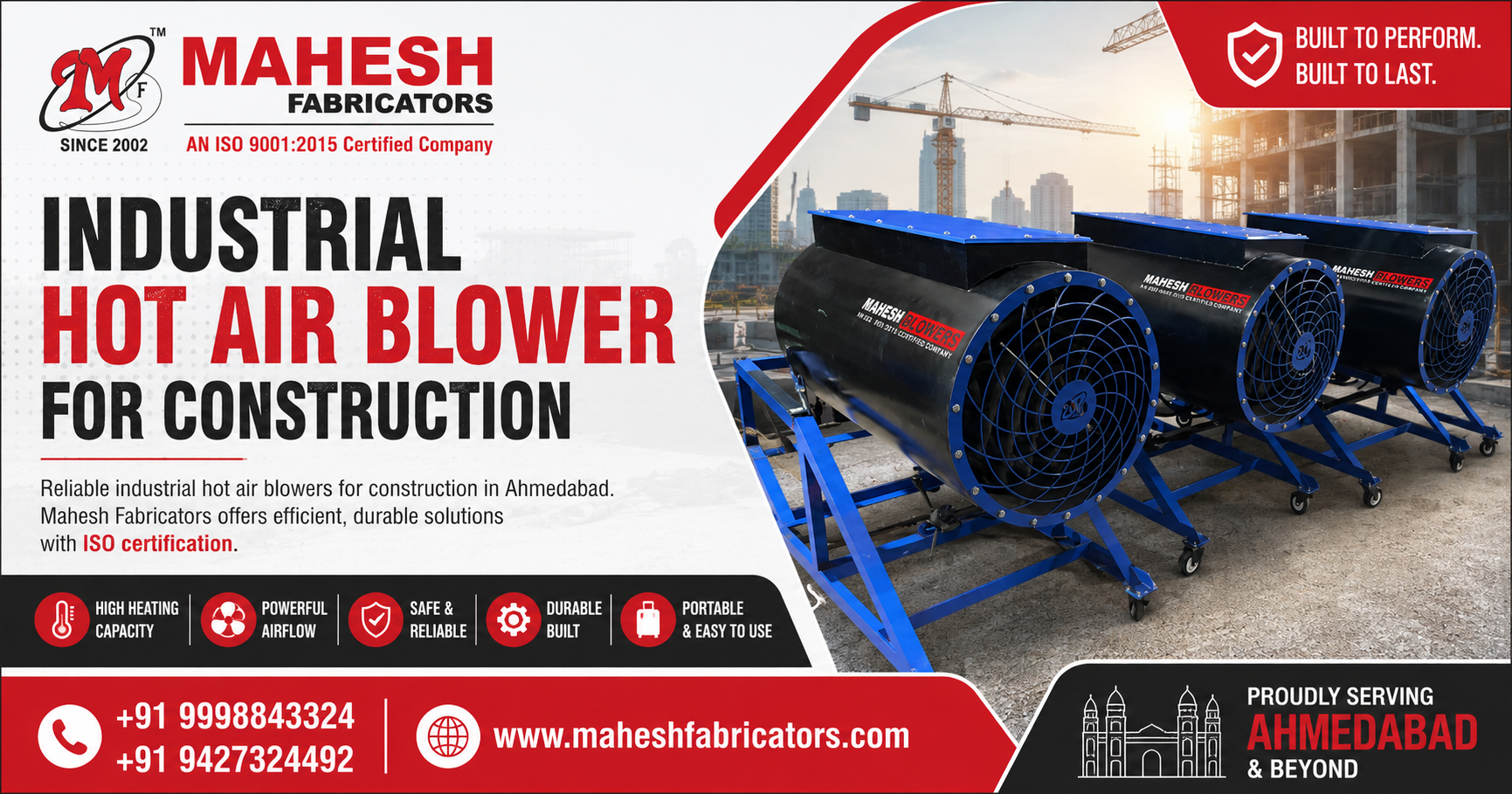
Industrial hot air blower for construction
Reliable industrial hot air blowers for construction in Ahmedabad. Mahesh Fabricators offers efficient, durable solutions with ISO certification.
Why This Matters in Ahmedabad
Ahmedabad, a bustling industrial and commercial hub in Gujarat, experiences a diverse climate. While summers are intensely hot, winters can bring cooler temperatures that may affect certain construction processes, such as concrete curing or material drying. Furthermore, specialized construction activities, like asphalt paving or the operation of temporary site facilities, often require a consistent source of heated air. The city's ongoing infrastructure development and numerous real estate projects create a continuous demand for robust construction equipment, including effective hot air solutions.
What is an Industrial Hot Air Blower? — Overview
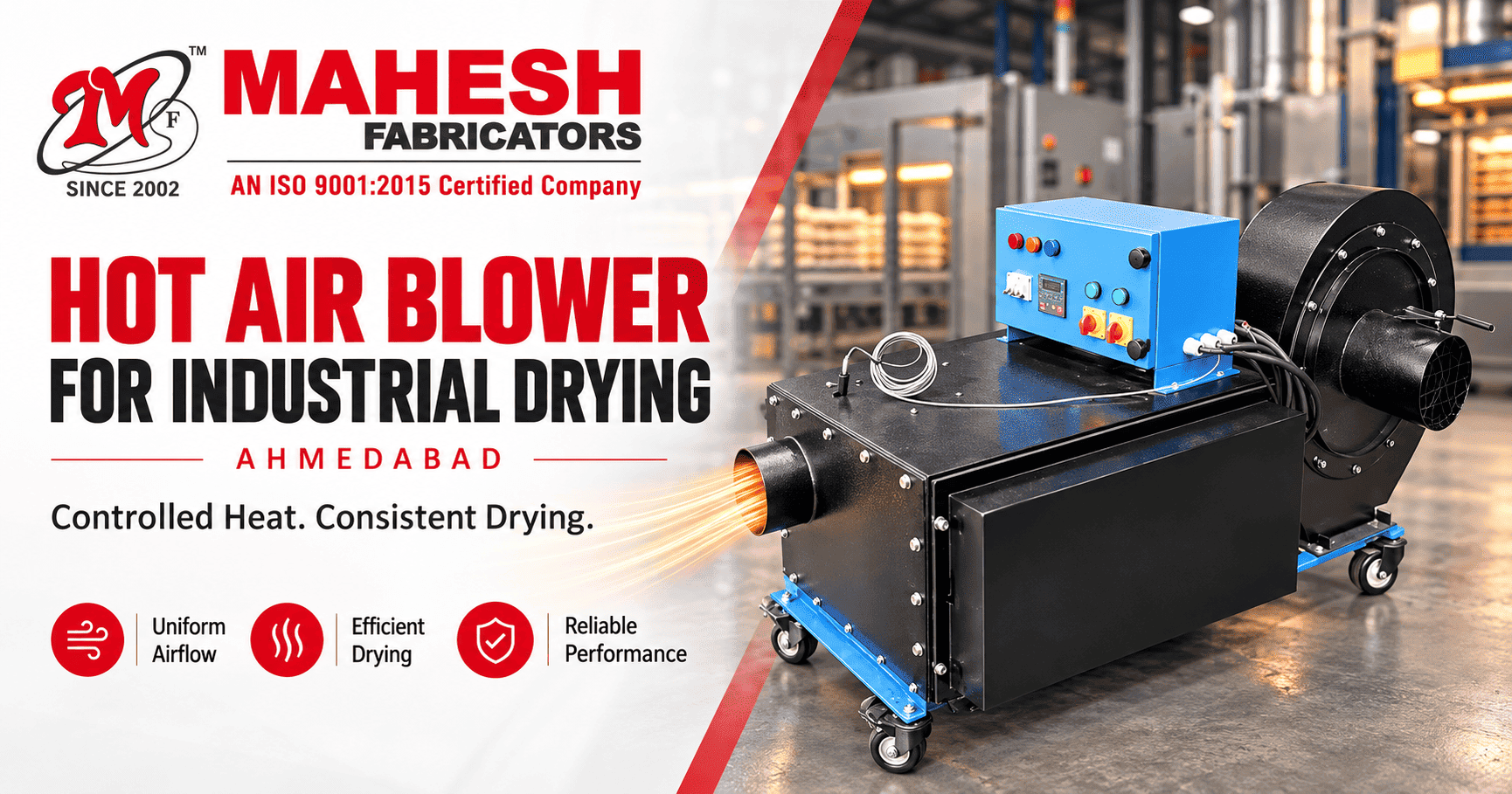
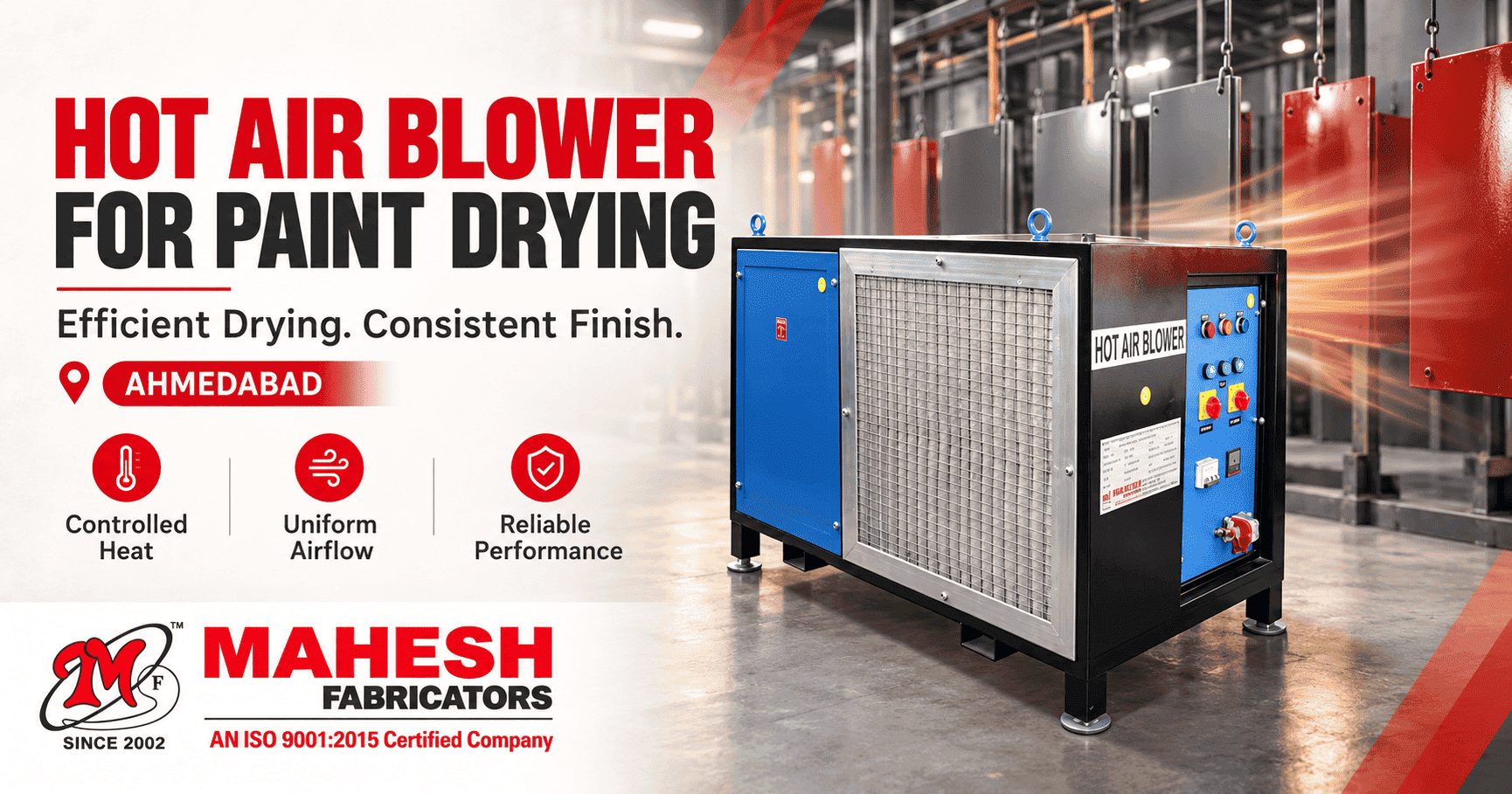
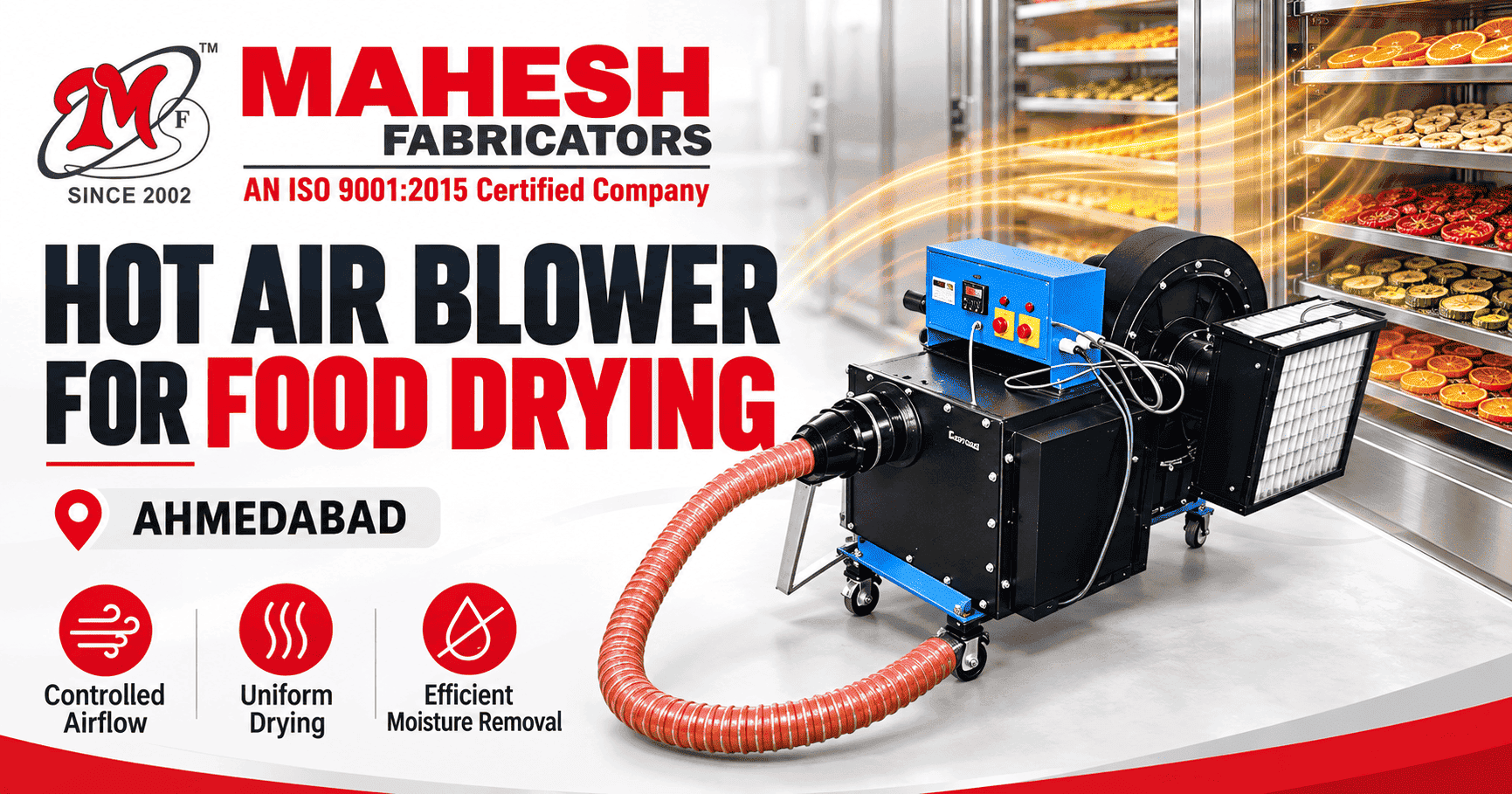
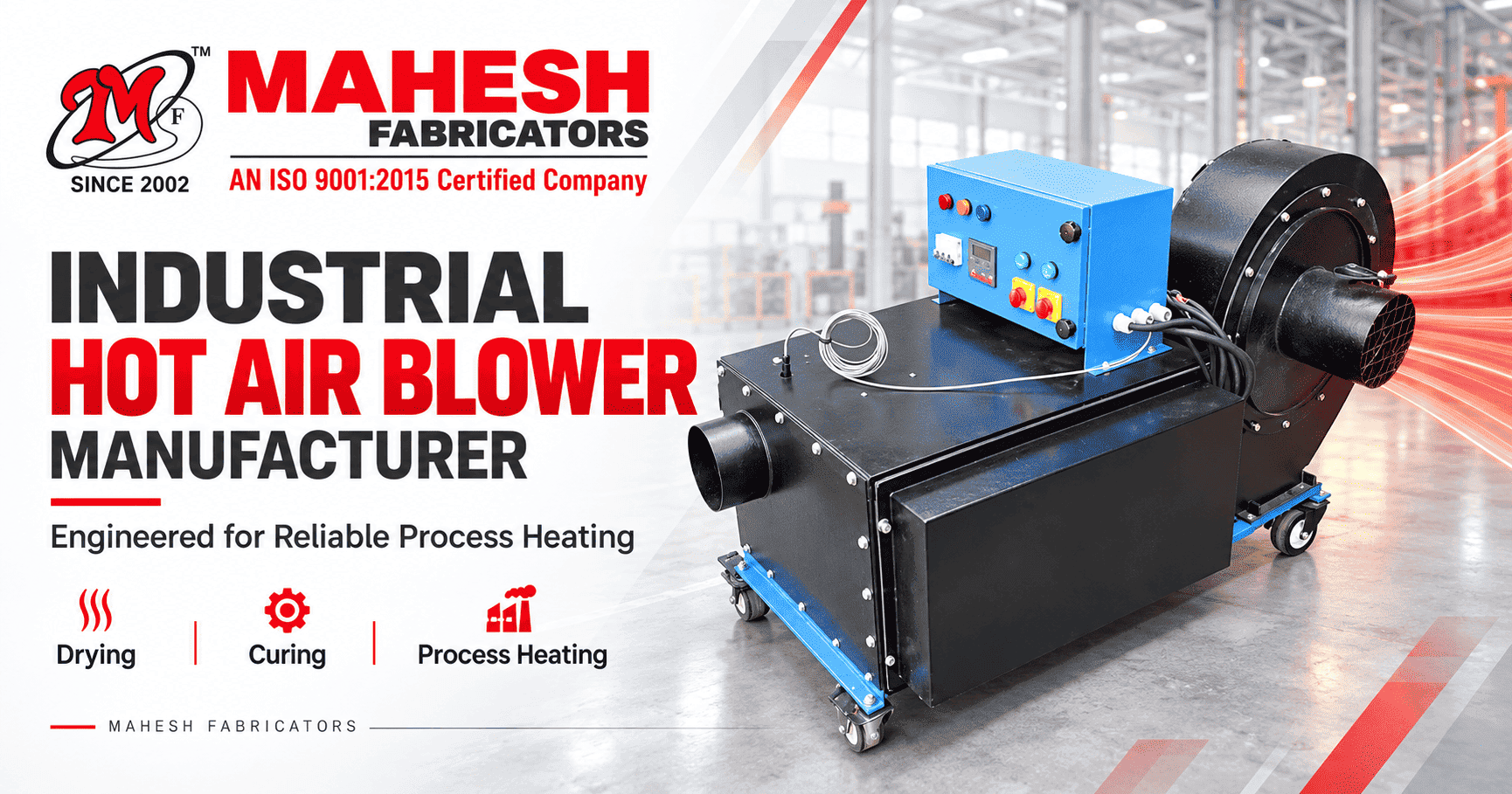
An industrial hot air blower is a piece of equipment designed to generate and deliver heated air at specific temperatures and volumes. It typically consists of a fan that draws in ambient air, a heating element (which can be electric, gas, or diesel-fired), and a housing with an outlet to direct the heated airflow. These units are built for demanding environments, offering durability and consistent performance. They are crucial for applications requiring rapid drying, thawing, heating of enclosed spaces, or facilitating chemical processes on construction sites.
Key Features and Technical Specifications
When evaluating industrial hot air blowers for construction, several technical aspects are paramount for ensuring optimal performance and safety:
- Heating Capacity: Measured in kilowatts (kW) or British Thermal Units (BTU) per hour, indicating the volume of heat the unit can produce.
- Airflow Rate: Specified in cubic feet per minute (CFM) or cubic meters per hour (CMH), determining how much air the blower can move.
- Temperature Control: Features for precise adjustment of output air temperature to suit various applications.
- Fuel Type: Options include electric, propane, natural gas, or diesel, influencing operational cost and site suitability.
- Thermostat Integration: Allows for automatic temperature regulation, preventing overheating and saving energy.
- Safety Features: Overheat protection, flame failure detection (for fuel-fired units), and robust construction for durability.
- Portability: Design considerations like wheels, handles, and compact size for easy transport around a construction site.
- Ducting Compatibility: Ability to connect flexible or rigid ducting to direct heated air precisely where needed.
Industrial Applications and Use Cases in Construction
Industrial hot air blowers serve a multitude of critical functions on construction sites in and around Ahmedabad:
- Concrete Curing: Accelerating the curing process of concrete in cold weather conditions to meet project deadlines.
- Material Drying: Rapidly drying wet materials, such as plaster, paint, or freshly laid flooring, to speed up subsequent work phases.
- Thawing Frozen Ground: Melting ice and snow from excavation areas or access routes to allow work to proceed.
- Temporary Site Heating: Providing a comfortable working environment in site offices, storage areas, or partially enclosed structures during colder periods.
- Asphalt Paving: Heating asphalt to maintain its workability and ensure proper compaction during road construction and repair.
- Dust Suppression: In some applications, heated air can assist in drying surfaces, which can indirectly help manage dust.
- Preheating Equipment: Warming up sensitive machinery or materials before operation in low temperatures.
- Water Pipe Thawing: Safely thawing frozen water pipes on construction sites without damaging them.
How to Choose the Right Industrial Hot Air Blower
Selecting the appropriate industrial hot air blower requires careful consideration of your specific construction needs. Here's a checklist to guide your decision:
- Project Scale and Heating Requirements: Determine the volume of the space to be heated or the amount of material to be dried. This will dictate the necessary heating capacity and airflow.
- Site Power Availability: Assess whether your site has access to sufficient electrical power for electric models or if a fuel-powered unit (propane, diesel) is more practical.
- Environmental Conditions: Consider ambient temperature, humidity, and potential for extreme weather, which might influence the required output and safety features.
- Safety Standards and Certifications: Ensure the blower meets relevant safety standards for industrial equipment and is from a reputable manufacturer. Look for certifications like ISO.
- Durability and Build Quality: Construction sites are harsh environments. Opt for units constructed from robust materials designed to withstand dust, moisture, and physical impact.
- Ease of Operation and Maintenance: Choose a unit that is straightforward to operate, refuel (if applicable), and maintain.
- Supplier Reputation and Support: Partner with a supplier known for reliable products and good after-sales service, including technical support and spare parts availability.
- Portability and Installation: Evaluate how easily the unit can be moved between work areas and how simple its setup and connection to power or fuel sources are.
Quality Standards and Compliance
For industrial hot air blowers used in construction, adherence to quality standards and compliance with safety regulations are non-negotiable. Manufacturers like Mahesh Fabricators, an ISO 9001-2015 certified company, demonstrate a commitment to quality management systems. This certification indicates that their manufacturing processes, from design to delivery, are consistently monitored and controlled to meet customer and regulatory requirements. Buyers should look for equipment that has undergone rigorous testing and meets national or international safety standards relevant to heating appliances and industrial machinery. Verifying these aspects ensures the blower will perform reliably and safely, minimizing risks on the job site.
Why Mahesh Fabricators' Experience and Capability Matters
With over 17 years of experience in manufacturing industrial air systems, Mahesh Fabricators brings a deep understanding of the challenges faced by industries in Ahmedabad and beyond. Founded in 2002, the company has built a reputation for delivering robust and efficient solutions. Their ISO 9001-2015 certification is a testament to their structured approach to quality control and customer satisfaction throughout the entire manufacturing process.
Mahesh Fabricators’ technical capability is evident in their ability to design and produce a wide range of industrial blowers and air systems, including hot air blowers tailored for demanding applications like construction. Their commitment extends to ensuring products offer reduced maintenance costs and user-friendly operations, critical factors for busy construction sites. By focusing on superior performance and meeting specific customer expectations, Mahesh Fabricators provides reliable equipment that construction professionals can depend on.
Installation, Maintenance, and Care Tips
Proper installation, regular maintenance, and careful care are essential for maximizing the lifespan and performance of your industrial hot air blower.
Installation
Always place the blower on a stable, level surface, away from flammable materials.
Ensure adequate ventilation around the unit to prevent overheating.
Connect fuel lines (if applicable) securely and check for leaks before operation.
For electric models, ensure the power supply is adequate and properly grounded.
If using ducting, ensure it is properly attached and does not restrict airflow.
Maintenance
- Regular Cleaning: Keep the air intake and outlet grilles free of dust and debris. Clean the exterior of the unit regularly.
- Filter Checks: Inspect and clean or replace air filters as per the manufacturer's recommendations to maintain airflow efficiency.
- Fuel System Inspection (for fuel-fired units): Periodically check fuel filters, lines, and connections for wear or blockages.
- Electrical Components: For electric models, ensure all wiring is secure and free from damage.
- Burner/Heating Element: Follow manufacturer guidelines for inspecting and cleaning the heating element or burner assembly.
Care Tips
Always operate the blower within its specified temperature and airflow limits.
Never leave a running blower unattended, especially on a busy construction site.
Store the unit in a dry, protected area when not in use.
Refer to the manufacturer's manual for detailed maintenance schedules and troubleshooting.
- Use only approved replacement parts for any repairs.
Frequently Asked Questions
The size of the hot air blower depends on the volume of the space you need to heat or the area you need to dry, as well as the ambient temperature. For construction, consider factors like concrete curing needs, material drying speed, and the overall square footage of the work area. A higher heating capacity and airflow rate are generally needed for larger areas or colder conditions.
The choice depends on site infrastructure. Electric blowers are cleaner and simpler if a reliable, high-capacity power source is available. Fuel-powered units (propane, diesel) offer greater portability and are ideal for sites without readily available electricity, but require fuel management and ventilation for exhaust fumes.
Always ensure the blower is placed on a stable surface, away from flammable materials. Maintain adequate ventilation, and never leave the unit unattended. For fuel-fired units, regularly check for fuel leaks and ensure proper exhaust venting. Follow all manufacturer safety guidelines and ensure the unit has overheat protection.
Yes, industrial hot air blowers are highly effective for accelerating the drying time of paint, plaster, concrete, and other construction materials. The controlled flow of heated air helps to quickly evaporate moisture, allowing subsequent work to proceed faster and reducing the risk of issues caused by slow drying.
Filter maintenance frequency depends on the operating environment. On dusty construction sites, filters may need to be checked and cleaned weekly, or even more often. Refer to the manufacturer's manual for specific recommendations, as clogged filters significantly reduce efficiency and can damage the unit.
ISO 9001-2015 certification signifies that Mahesh Fabricators adheres to internationally recognized standards for quality management systems. This means their processes for design, manufacturing, and customer service are consistently monitored and improved to ensure product quality, reliability, and customer satisfaction. It provides assurance of their commitment to delivering dependable industrial air systems.
Conclusion
For construction projects in Ahmedabad requiring efficient and reliable heated air solutions, an industrial hot air blower is an essential piece of equipment. From accelerating concrete curing in cooler weather to ensuring materials dry properly, these units play a vital role in maintaining project timelines and quality. When selecting a blower, prioritize capacity, fuel type, safety features, and durability. Partnering with experienced manufacturers like Mahesh Fabricators, an ISO 9001-2015 certified company with a proven track record, ensures you receive equipment built to the highest standards, backed by expertise and a commitment to performance.
Get In Touch
Mahesh Fabricators