Industrial Hot Air Blower Applications in Textile, Pharma & Food Industries
Explore industrial hot air blower applications in Textile, Pharma, and Food sectors in Ahmedabad, Gujarat. Understand features, selection, and compliance for ef
Why This Matters in Ahmedabad, Gujarat
Ahmedabad, a major industrial city in Gujarat, hosts a significant concentration of textile mills, pharmaceutical manufacturing units, and food processing plants. These industries are characterized by high production volumes and stringent quality control requirements. The demand for precise temperature management and rapid drying or heating processes makes industrial hot air blowers indispensable. Local manufacturers and processors rely on robust, energy-efficient air systems to maintain competitive edge and meet regulatory standards within this thriving industrial landscape.
What is an Industrial Hot Air Blower — Overview
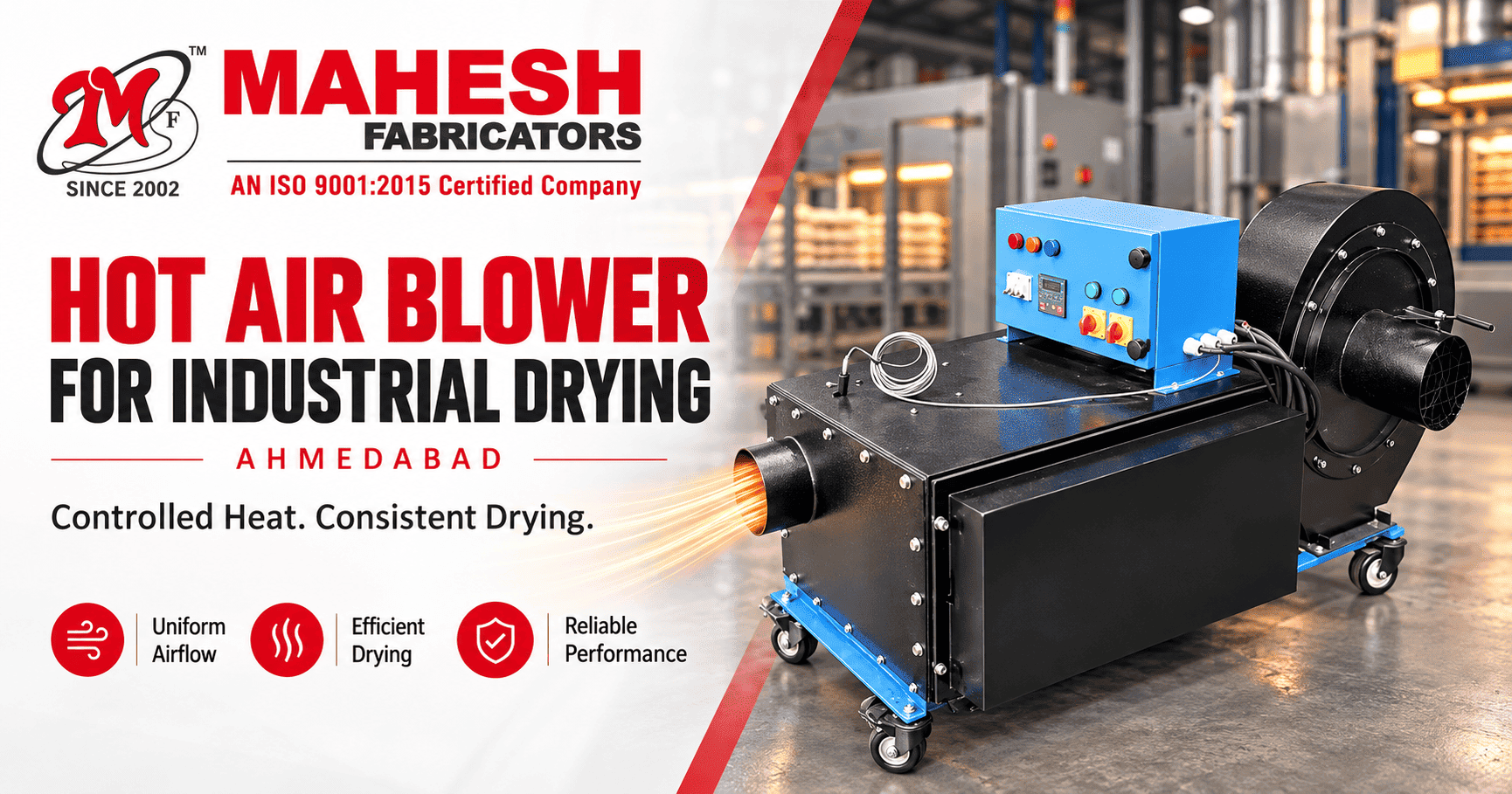
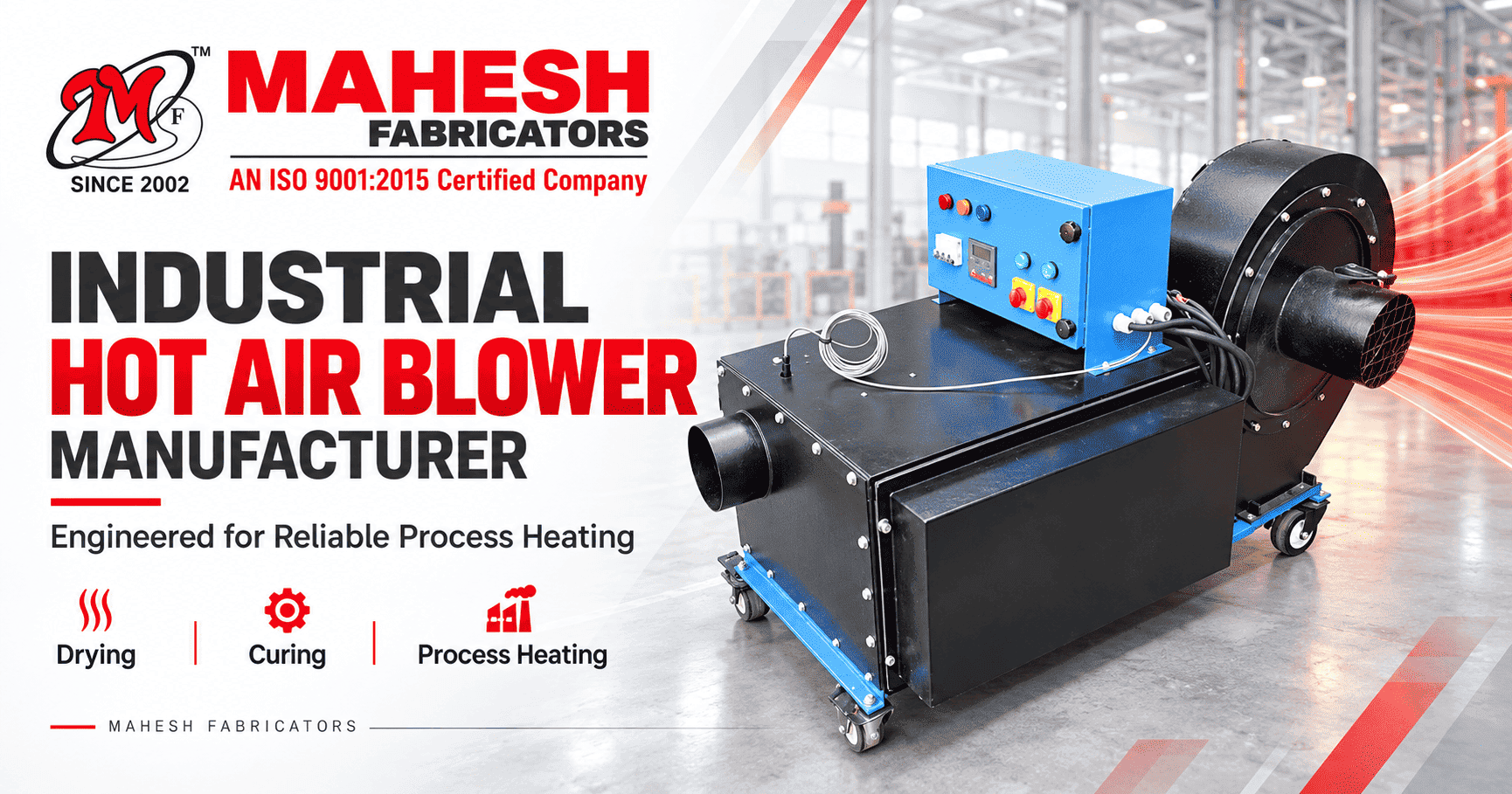
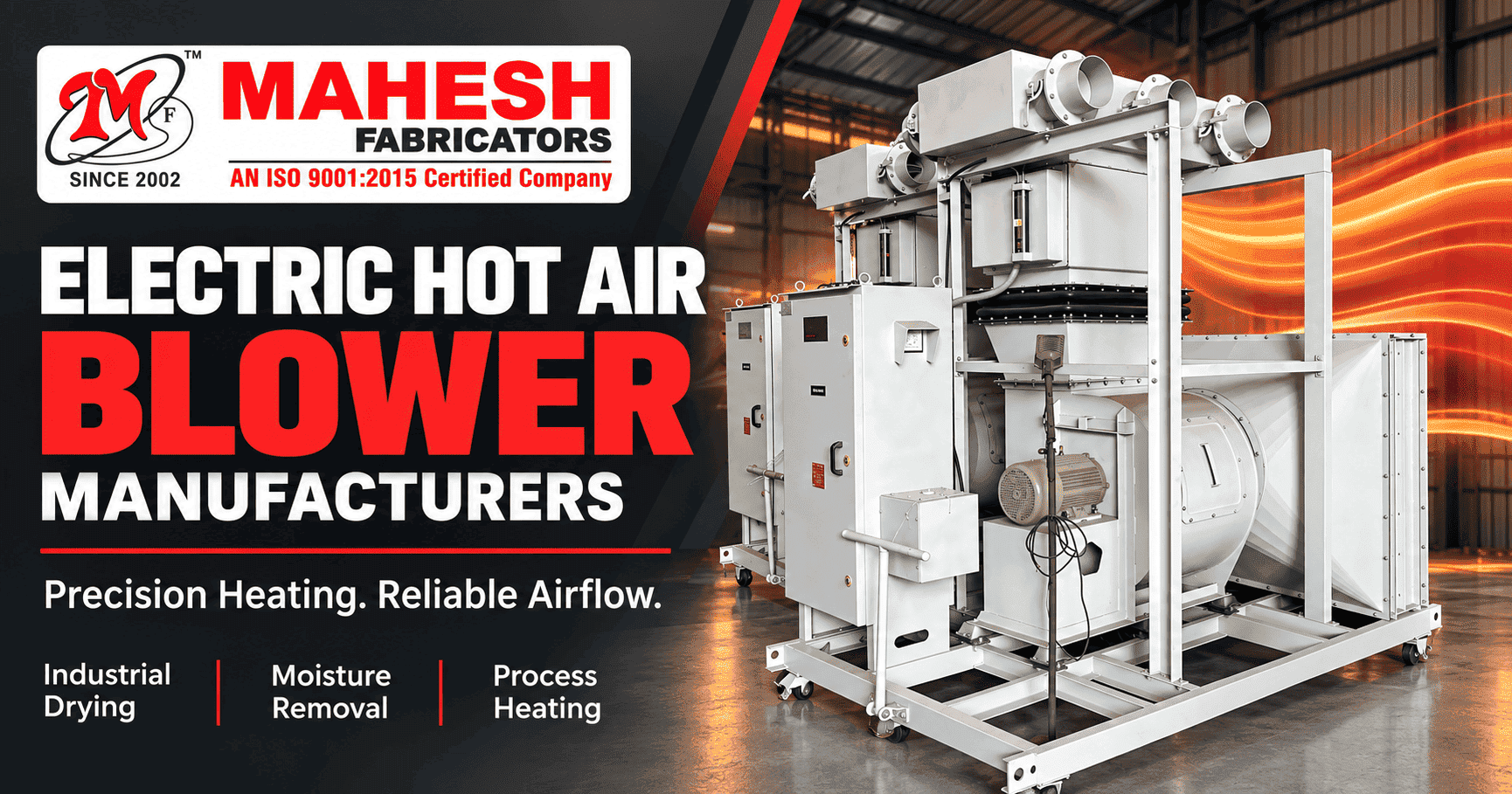
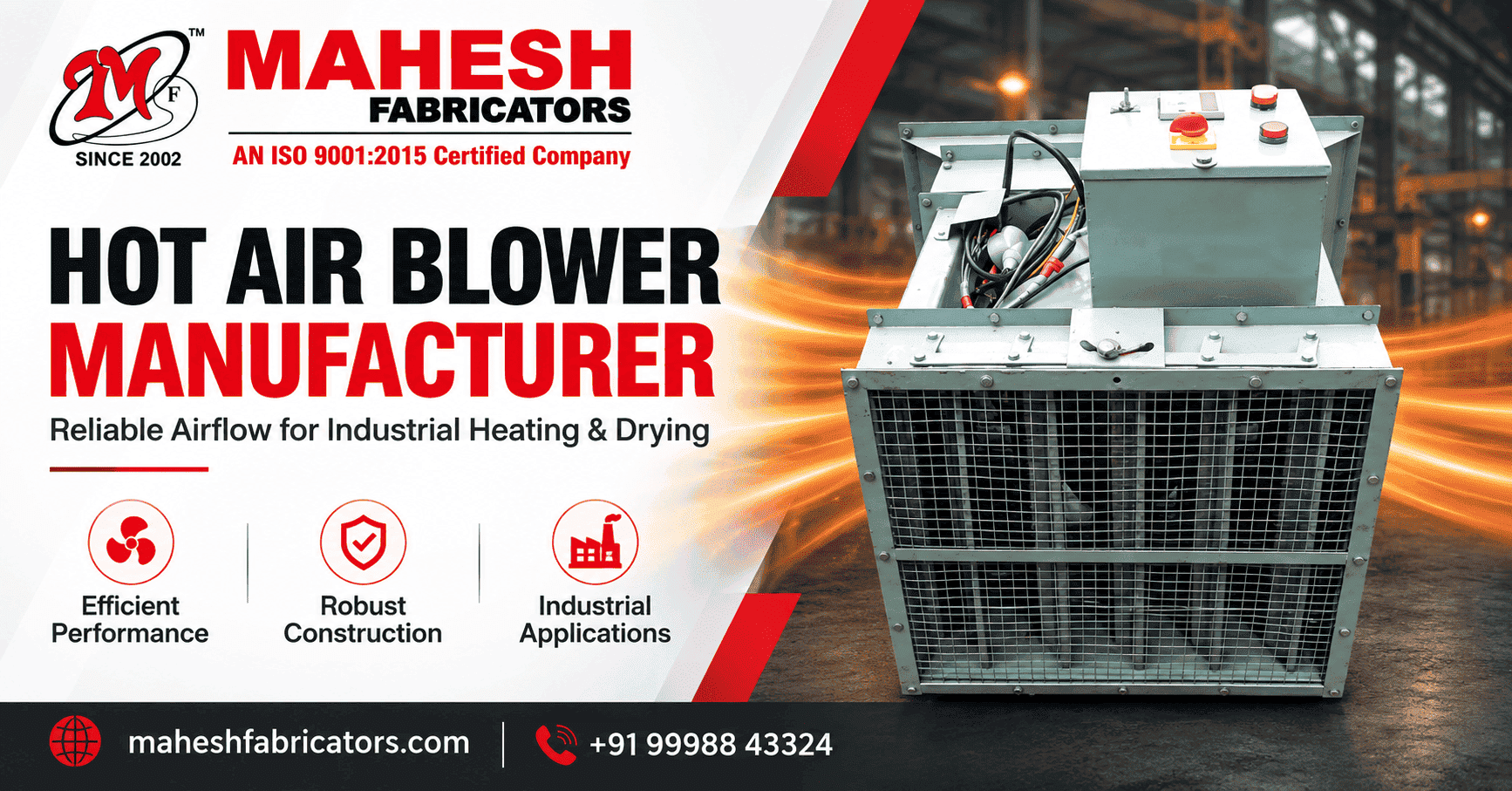
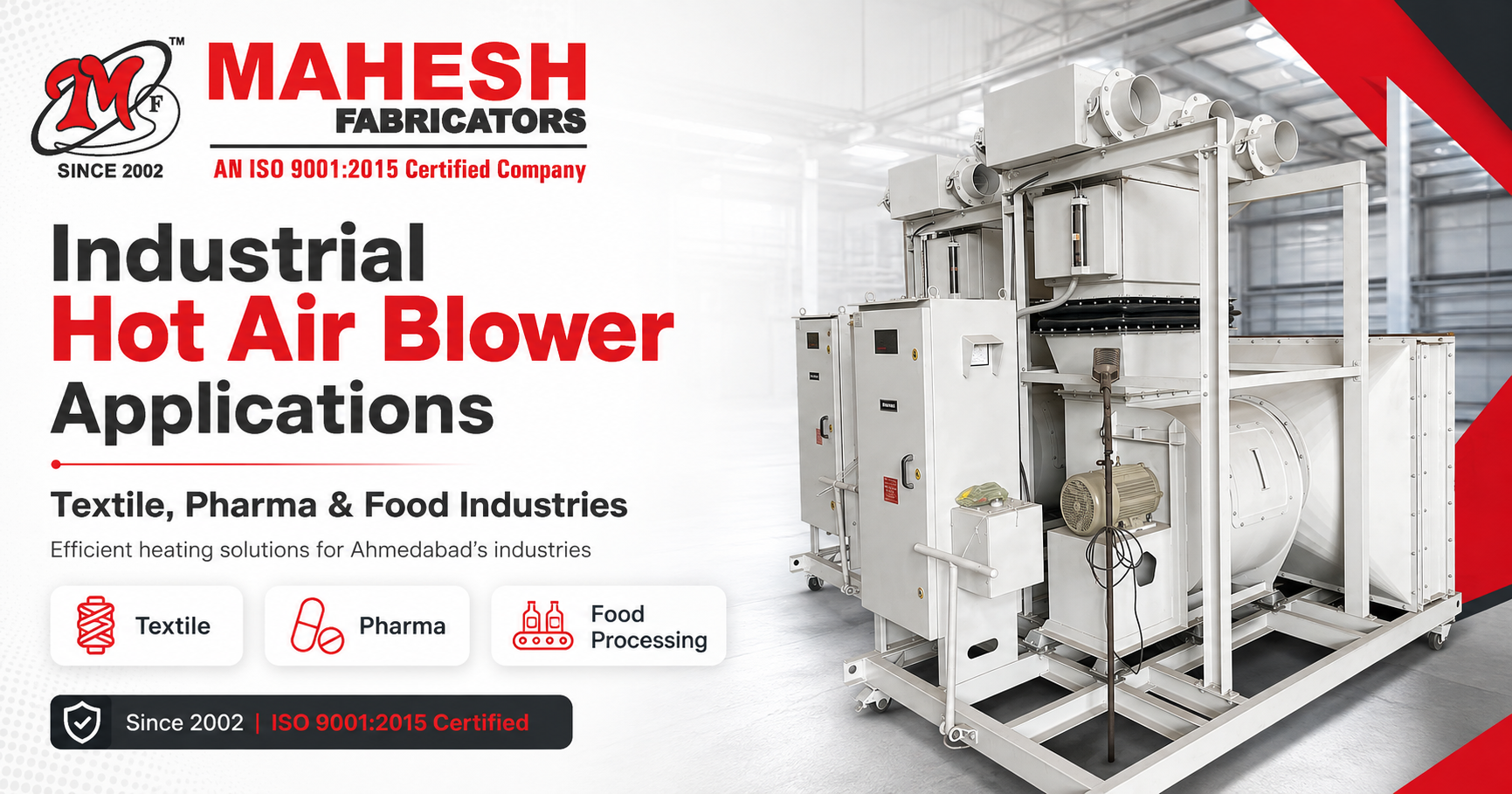
An industrial hot air blower is a specialized machine designed to generate and deliver a controlled stream of heated air for various industrial processes. It typically consists of a fan or blower, a heating element (electric, gas, or oil-fired), and a control system to regulate temperature and airflow. These systems are engineered for continuous operation, offering precise temperature control and uniform heat distribution. They are crucial for applications where direct flame contact is unsuitable or where specific temperature profiles are required for material processing.
Key Features and Technical Specifications
- Robust Construction: Designed for continuous industrial operation with heavy-duty materials.
- Precise Temperature Control: Integrated thermostats and sensors for accurate heat regulation, often within ±1°C.
- Variable Airflow Control: Adjustable fan speeds or damper systems to manage air volume and velocity.
- Energy-Efficient Heating Elements: Optimized designs for electric, gas, or oil heating to minimize operational costs.
- Safety Interlocks: Over-temperature protection, airflow sensors, and emergency shut-off mechanisms.
- Insulated Casing: Reduces heat loss and improves energy efficiency while maintaining external safety.
- High-Temperature Bearings: Engineered to withstand elevated operating temperatures for extended lifespan.
Industrial Applications and Use Cases
- Textile Industry: Used for drying fabrics after dyeing or washing, heat setting synthetic fibers, and curing printed textiles to ensure color fastness and material stability.
- Pharmaceutical Industry: Essential for drying granules, powders, and coated tablets in fluid bed dryers or tray dryers, ensuring moisture content meets strict pharmacopoeial standards.
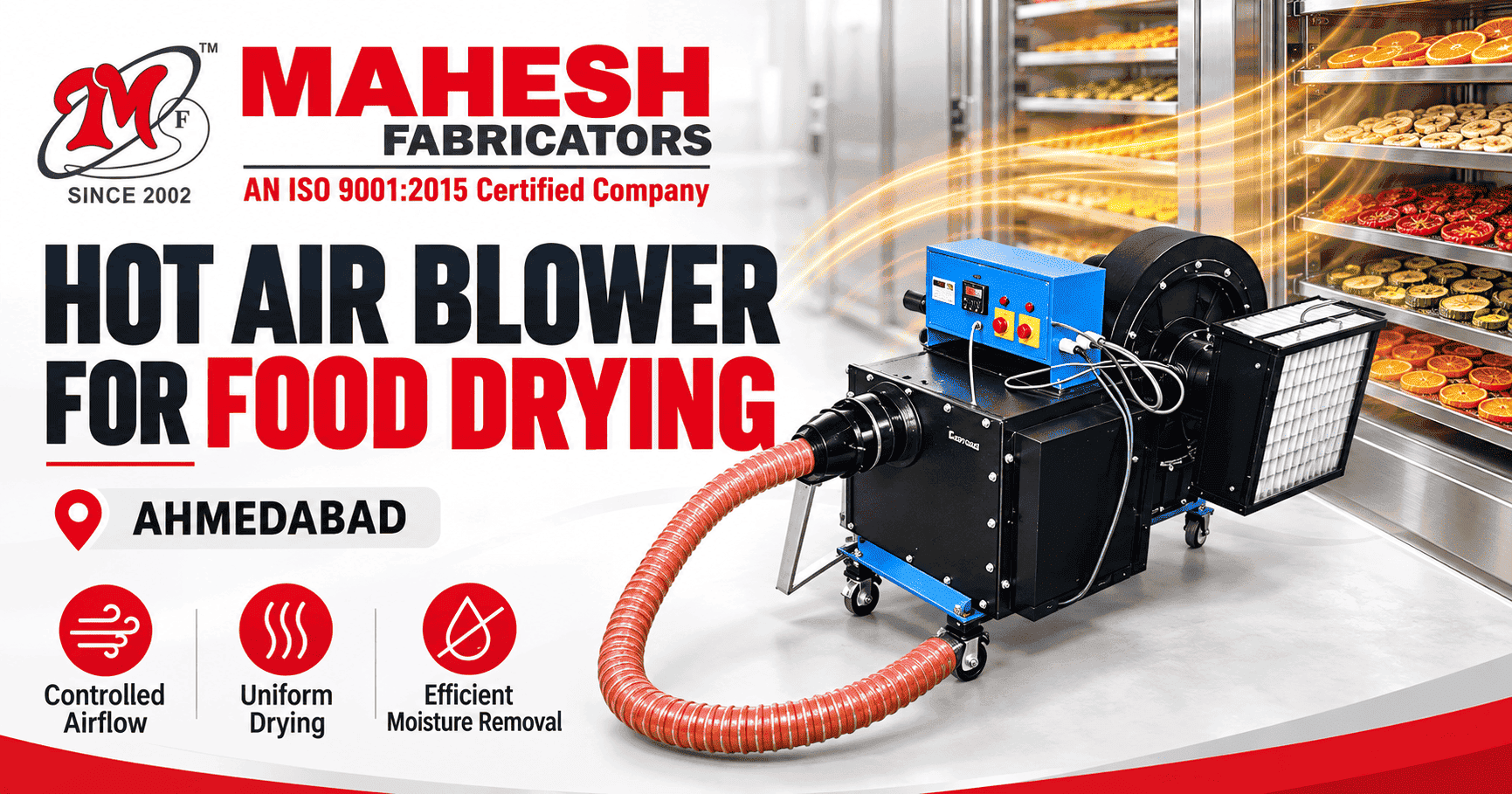
- Food Processing Industry: Applied in dehydration of fruits, vegetables, and spices, baking processes, roasting nuts or coffee beans, and sterilizing packaging materials.
- Chemical Processing: Facilitates drying of chemical compounds, pigments, and resins, and provides controlled heating for various reaction processes.
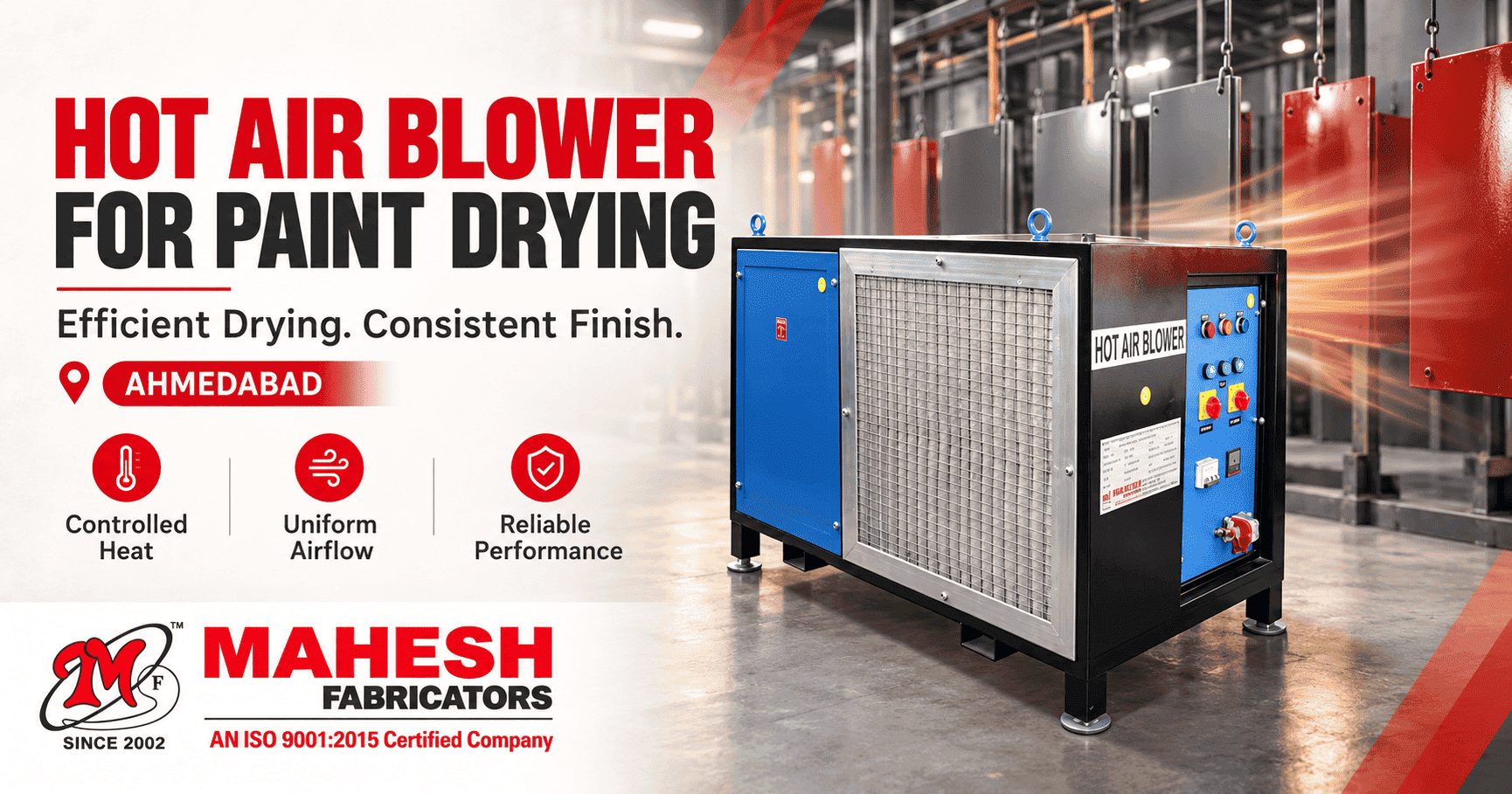
- Automotive Sector: Utilized for paint drying, curing adhesive bonds, and pre-heating components before assembly.
- Plastics Manufacturing: Aids in pre-heating plastic sheets for thermoforming and drying plastic granules to prevent moisture-related defects.
How to Choose the Right Industrial Hot Air Blower
Selecting an appropriate industrial hot air blower requires careful consideration of several operational factors. The right choice ensures optimal performance, energy efficiency, and longevity for your specific application. Evaluating these points helps align the equipment with your production demands and quality objectives.
- Capacity and Airflow Requirements: Determine the necessary air volume (CFM or m³/hr) and temperature range based on your process and material volume.
- Heating Source: Choose between electric, gas, or oil-fired systems depending on energy availability, cost, and safety regulations at your facility.
- Temperature Uniformity: Assess the system's ability to maintain consistent temperature distribution across the processing area, crucial for product quality.
- Material Compatibility: Ensure the blower's construction materials are suitable for the operating environment and do not contaminate the product stream.
- Control System Sophistication: Look for advanced PLC-based controls, PID temperature regulation, and user-friendly interfaces for precise operation.
- Certifications and Standards: Verify that the manufacturer adheres to relevant industry standards and safety certifications.
- Supplier Experience and Support: Consider the supplier's track record, customization capabilities, and availability of after-sales service and spare parts.
Quality Standards and Compliance
Adherence to quality standards is paramount for industrial hot air blowers, especially in sensitive sectors like pharma and food. Buyers should verify that equipment manufacturers comply with recognized quality management systems such as ISO 9001-2015. This certification indicates a commitment to consistent product quality and continuous improvement. Additionally, specific industry standards, such as those for food contact materials or pharmaceutical cleanroom compatibility, must be met. Checking for compliance with local electrical safety codes and environmental regulations is also essential to ensure safe and lawful operation.
Why Mahesh Fabricators' Experience and Capability Matters
Mahesh Fabricators, an ISO 9001-2015 Certified Company, has been a reliable manufacturer of industrial air systems since 2002. Our extensive experience, spanning over two decades, allows us to understand the nuanced requirements of industries in Ahmedabad and beyond. We focus on designing and developing hot air blowers that offer reduced maintenance costs and user-friendly operations, ensuring efficient and superior performance. Our technical team possesses deep expertise in manufacturing processes, quality control, and the ability to customize solutions for specific industrial challenges. This commitment to engineering precision and reliable delivery ensures that our clients receive systems tailored to their exact needs, backed by consistent after-sales support.
Installation, Maintenance and Care Tips
Proper installation and routine maintenance are critical for the longevity and efficient operation of industrial hot air blowers. Following manufacturer guidelines helps prevent downtime and ensures consistent performance.
- Professional Installation: Always engage qualified technicians for installation to ensure correct electrical connections, ducting, and safety clearances.
- Regular Cleaning: Periodically clean heating elements, fan blades, and air filters to prevent dust buildup, which can reduce efficiency and cause overheating.
- Bearing Lubrication: Follow the manufacturer's schedule for lubricating motor and fan bearings to minimize friction and extend component life.
- Electrical System Checks: Routinely inspect wiring, connections, and control panels for any signs of wear, corrosion, or loose contacts.
- Temperature Sensor Calibration: Calibrate temperature sensors and controllers regularly to maintain accuracy in heat regulation.
- Ductwork Integrity: Check ducting for leaks or damage that could lead to heat loss or inefficient air delivery.
- Safety System Verification: Test safety interlocks and emergency shut-off systems periodically to ensure they are fully functional.
Frequently Asked Questions
Industrial hot air blowers offer precise temperature control and uniform heat distribution, which is crucial for sensitive materials in textile, pharma, and food industries. They prevent direct flame contact, reducing the risk of product degradation or contamination, and allow for controlled drying or curing processes that enhance product quality and consistency.
Yes, industrial hot air blowers are highly customizable. Manufacturers can tailor aspects such as heating capacity, airflow volume, temperature range, material of construction, and control system sophistication to meet specific process requirements, space constraints, and energy source preferences of a facility.
Modern industrial hot air blowers are designed with energy efficiency in mind, incorporating insulated casings, efficient heating elements, and precise temperature controls. This minimizes heat loss and ensures that energy is used effectively to achieve the desired temperature, leading to lower operational costs compared to less controlled heating methods.
Routine maintenance for hot air blowers includes regular cleaning of filters and heating elements, lubrication of bearings, inspection of electrical connections, and calibration of temperature sensors. Adhering to a scheduled maintenance plan helps ensure optimal performance, extends the equipment's lifespan, and prevents unexpected breakdowns.
Safety is paramount. Key considerations include ensuring proper ventilation, installing over-temperature protection and emergency shut-off systems, and adhering to electrical safety codes. Operators should be trained on safe operating procedures, and regular checks of safety interlocks and alarms are essential to prevent accidents.
Industrial hot air blowers commonly utilize electric, natural gas, or oil-fired heating elements. The choice of heating source often depends on factors such as energy availability at the facility, operational costs, environmental regulations, and the specific temperature requirements of the industrial application.
Conclusion
Industrial hot air blowers are indispensable assets for achieving precise thermal processing in the textile, pharmaceutical, and food industries, particularly in a manufacturing hub like Ahmedabad. Their ability to deliver controlled, consistent heat directly impacts product quality, operational efficiency, and overall productivity. When considering an investment, evaluating factors such as technical specifications, application-specific needs, adherence to quality standards, and the supplier's proven experience is crucial. Partnering with a knowledgeable manufacturer ensures you acquire a system that not only meets your current demands but also supports your long-term operational goals.
Get In Touch
Mahesh Fabricators