Industrial Cooling Systems Manufacturer
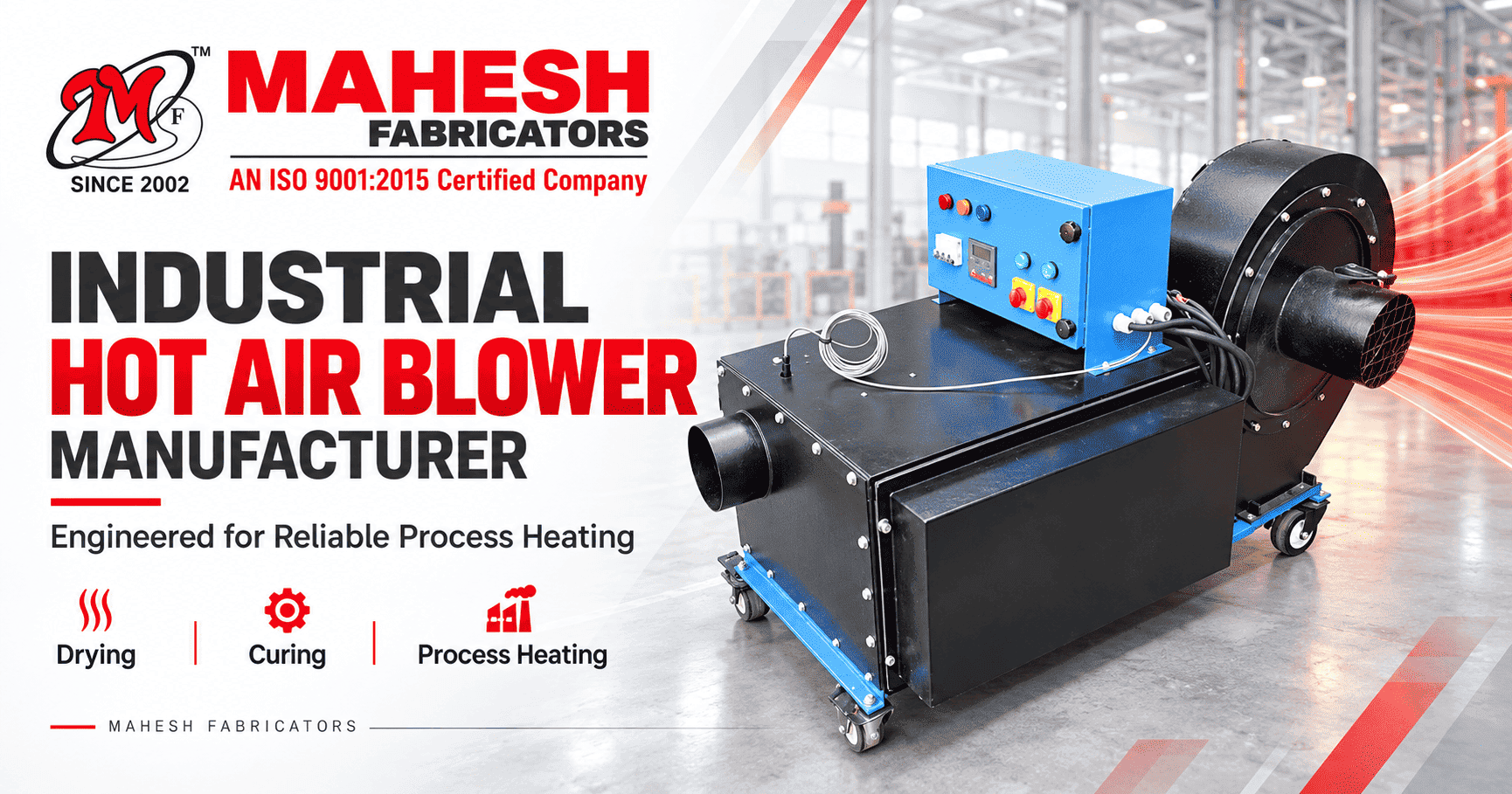
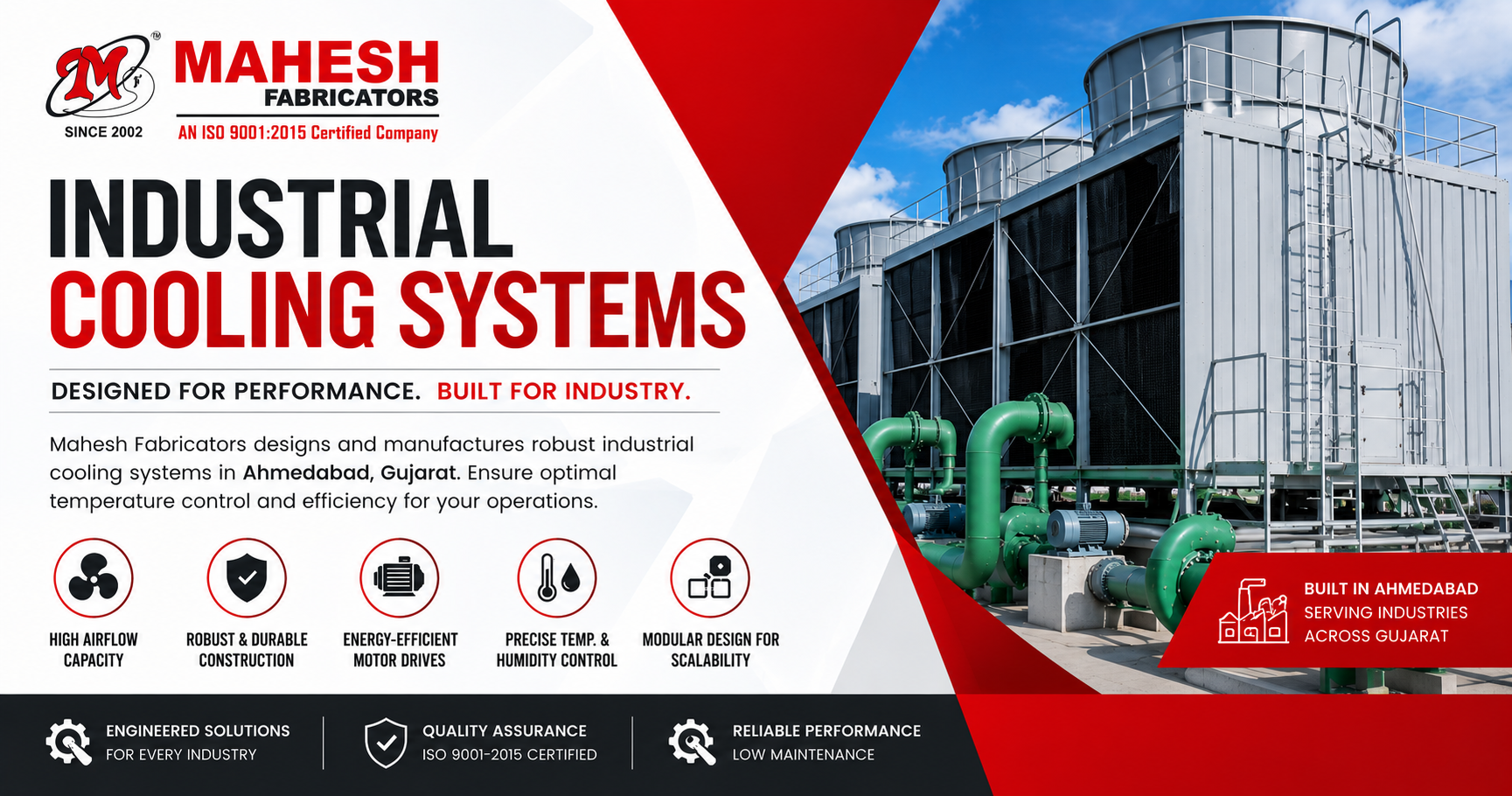
Mahesh Fabricators designs and manufactures robust industrial cooling systems in Ahmedabad, Gujarat. Ensure optimal temperature control and efficiency for your
Why This Matters in Ahmedabad, Gujarat
Gujarat's industrial landscape, particularly around Ahmedabad, is characterized by a high concentration of manufacturing units in textiles, pharmaceuticals, chemicals, steel, and ceramics. Many of these industries generate significant process heat, demanding robust cooling solutions to prevent overheating, ensure product integrity, and maintain worker comfort. The region's climate also adds to the challenge, making efficient heat management a year-round necessity for sustained productivity and compliance with safety regulations.
What is Industrial Cooling Systems — Overview
Industrial cooling systems encompass a range of technologies designed to remove excess heat from industrial processes, machinery, or entire facilities. Unlike commercial air conditioning, these systems are built for heavy-duty, continuous operation and often handle extreme temperatures or specific environmental requirements. They typically involve components like industrial fans, blowers, heat exchangers, and ventilation ducts, working in concert to circulate air, exhaust hot air, or facilitate evaporative cooling. The primary goal is to regulate internal temperatures, protect sensitive equipment, and optimize production processes.
Key Features and Technical Specifications
Effective industrial cooling systems incorporate specific design and material choices to meet demanding operational needs. These features ensure longevity, efficiency, and performance in challenging environments.
- High Airflow Capacity: Engineered for significant air movement to rapidly dissipate heat from large industrial spaces or specific process points.
- Robust Construction Materials: Utilizes heavy-gauge steel, corrosion-resistant coatings, and durable components suitable for continuous industrial use.
- Energy-Efficient Motor Drives: Incorporates high-efficiency motors and variable frequency drives (VFDs) to optimize power consumption based on cooling demand.
- Precise Temperature and Humidity Control: Systems can be designed with integrated sensors and controls to maintain specific environmental parameters.
- Low Noise and Vibration Operation: Designed with balanced impellers and sturdy housings to minimize operational noise and structural vibration.
- Modular Design for Scalability: Components are often modular, allowing for easier expansion or modification to meet evolving industrial requirements.
- Integrated Filtration Systems: Can include pre-filters and fine filters to protect internal components and maintain air quality in sensitive applications.
- Compliance with Safety Standards: Manufactured to adhere to relevant industrial safety and environmental regulations.
Industrial Applications and Use Cases
Industrial cooling systems are indispensable across a wide spectrum of manufacturing and processing environments, addressing unique thermal challenges in each sector.
- Textile Mills: Managing heat and humidity generated by spinning, weaving, and dyeing processes to prevent fiber degradation and ensure worker comfort.
- Pharmaceutical Manufacturing: Maintaining controlled temperatures in cleanrooms and processing areas to preserve product stability and purity.
- Steel and Metal Foundries: Exhausting intense heat from furnaces, casting areas, and rolling mills to protect equipment and improve air quality.
- Ceramic and Tile Plants: Cooling kilns and drying areas, as well as general ventilation to manage dust and heat.
- Chemical Processing Facilities: Dissipating heat from exothermic reactions and cooling storage tanks to ensure safety and process control.
- Power Generation Plants: Cooling critical components like generators, turbines, and control rooms to prevent overheating and ensure reliable operation.
- Food Processing and Grain Plants: Maintaining specific temperatures for storage, processing, and packaging to prevent spoilage and meet hygiene standards.
- Plastic and Masterbatch Production: Cooling molds and machinery to ensure product consistency and extend equipment lifespan.
- Mining and Crushing Operations: Providing ventilation and cooling in enclosed spaces to manage dust, heat, and improve air quality for personnel.
- Wood and Laminate Manufacturing: Controlling temperatures in drying ovens and pressing areas to optimize product quality and reduce fire risk.
How to Choose the Right Industrial Cooling System
Selecting an appropriate industrial cooling system requires a thorough evaluation of several key factors to ensure it meets specific operational demands and delivers long-term value.
- Assess Cooling Load Requirements: Accurately determine the total heat generated by machinery, processes, and environmental factors within your facility.
- Consider Energy Efficiency: Evaluate the system's power consumption and look for features like VFDs or high-efficiency motors to minimize operating costs.
- Material Compatibility and Durability: Ensure the system's construction materials can withstand the specific environmental conditions, such as corrosive agents or high dust levels.
- Maintenance and Accessibility: Choose systems designed for straightforward maintenance, with easily accessible components for routine servicing and cleaning.
- Supplier Experience and Reputation: Partner with a manufacturer possessing a proven track record in designing and installing reliable industrial cooling solutions.
- Customization Capabilities: Verify the manufacturer can tailor the system's design, capacity, and features to integrate seamlessly with your existing infrastructure and processes.
- Certifications and Compliance: Confirm the manufacturer adheres to relevant industry standards and holds certifications like ISO 9001-2015, indicating a commitment to quality.
- After-Sales Support: Inquire about the availability of technical support, spare parts, and service contracts to ensure continuous operational reliability.
Quality Standards and Compliance
Adherence to stringent quality standards and compliance protocols is non-negotiable for industrial cooling systems. Manufacturers should follow recognized frameworks to ensure product reliability, safety, and performance. Buyers should verify that a supplier holds certifications such as ISO 9001-2015, which demonstrates a commitment to quality management systems throughout design, manufacturing, and service. Additionally, systems should comply with relevant industrial safety norms, environmental regulations, and specific industry standards for air quality, noise levels, and energy consumption. Verifying these credentials provides assurance that the cooling solution will perform as expected and meet regulatory requirements.
Why Mahesh Fabricators' Experience and Capability Matters
Mahesh Fabricators, an ISO 9001-2015 Certified Company, has been a trusted name in industrial air systems since 2002, bringing over two decades of specialized experience to the field. Our deep understanding of air dynamics, fan and blower technology, and industrial ventilation forms the foundation of our capability in manufacturing effective industrial cooling systems. We focus on precision engineering, utilizing robust materials and advanced manufacturing processes at our Ahmedabad facility. Our technical team possesses the expertise to design customized cooling solutions that integrate seamlessly with diverse industrial operations, ensuring optimal temperature control and process efficiency. This commitment to quality control, reliable delivery, and comprehensive after-sales support ensures our clients receive durable and high-performing systems tailored to their specific needs.
Installation, Maintenance and Care Tips
Proper installation and regular maintenance are crucial for the long-term performance and efficiency of any industrial cooling system. Following these guidelines helps extend equipment life and ensures consistent operation.
- Professional Installation: Always engage experienced technicians for installation to ensure correct alignment, secure mounting, and proper electrical connections. Incorrect installation can lead to inefficiencies, premature wear, and safety hazards.
- Regular Cleaning: Periodically clean fan blades, impellers, and air ducts to prevent dust and debris buildup, which can reduce airflow and strain motors. Use appropriate cleaning agents and methods for the specific materials.
- Filter Replacement: If your system includes air filters, check and replace them according to the manufacturer's schedule. Clogged filters restrict airflow and decrease cooling efficiency.
- Motor and Bearing Inspection: Routinely inspect motors for signs of overheating, unusual noises, or excessive vibration. Lubricate bearings as recommended to prevent friction and wear.
- Belt Tension Check: For belt-driven systems, verify belt tension regularly. Loose belts can slip, reducing efficiency, while overly tight belts can stress bearings.
- Control System Calibration: Periodically calibrate temperature and humidity sensors and control systems to ensure accurate readings and precise environmental management.
- Structural Integrity: Inspect the system's housing, supports, and ductwork for any signs of corrosion, damage, or loose fasteners. Address any issues promptly to maintain structural integrity.
- Professional Servicing: Schedule annual or semi-annual comprehensive inspections and servicing by qualified professionals. This can identify potential issues before they lead to costly breakdowns.
Frequently Asked Questions
Mahesh Fabricators specializes in manufacturing industrial cooling systems that primarily utilize advanced air handling technologies. This includes robust industrial fans, centrifugal and axial blowers, and comprehensive ventilation systems designed to exhaust hot air, circulate cool air, and facilitate evaporative cooling processes. Our expertise lies in engineering air-based solutions for effective temperature management in various industrial environments.
Industrial cooling systems enhance process efficiency by maintaining optimal operating temperatures for machinery and production lines. This prevents equipment from overheating, which can lead to breakdowns, reduced output, and compromised product quality. By ensuring stable thermal conditions, these systems help machinery run at peak performance, minimize downtime, and contribute to consistent product outcomes.
Several factors influence the design of an industrial cooling system, including the facility's size and layout, the specific heat load generated by processes and equipment, ambient environmental conditions, and required temperature and humidity levels. We also consider energy efficiency goals, noise constraints, and the presence of corrosive agents or airborne particulates in the environment.
The frequency of maintenance for industrial cooling systems depends on their operating environment, usage intensity, and specific components. Generally, routine checks like cleaning filters and inspecting motors should occur monthly or quarterly. More comprehensive professional servicing, including lubrication and calibration, is typically recommended on an annual or semi-annual basis to ensure optimal performance and longevity.
Yes, Mahesh Fabricators excels in providing customized industrial cooling solutions. We understand that every industrial facility has unique thermal challenges and operational requirements. Our engineering team works closely with clients to assess their specific needs, designing and manufacturing systems that are precisely tailored in terms of capacity, airflow, material specifications, and control features to integrate seamlessly with existing infrastructure.
Choosing an ISO 9001-2015 certified manufacturer like Mahesh Fabricators ensures that you are partnering with a company committed to consistent quality management. This certification signifies adherence to internationally recognized standards for design, production, installation, and service. It provides assurance of reliable product quality, efficient processes, continuous improvement, and a customer-focused approach, leading to more dependable and high-performing industrial cooling systems.
Conclusion
Effective industrial cooling is fundamental to maintaining operational integrity, ensuring product quality, and safeguarding personnel in demanding manufacturing environments. Selecting the right industrial cooling systems manufacturer, particularly in a dynamic industrial hub like Ahmedabad, requires careful consideration of experience, technical capability, and a commitment to quality standards. By focusing on robust design, energy efficiency, and reliable support, businesses can implement cooling solutions that contribute significantly to their long-term productivity and success.
Get In Touch
Mahesh Fabricators