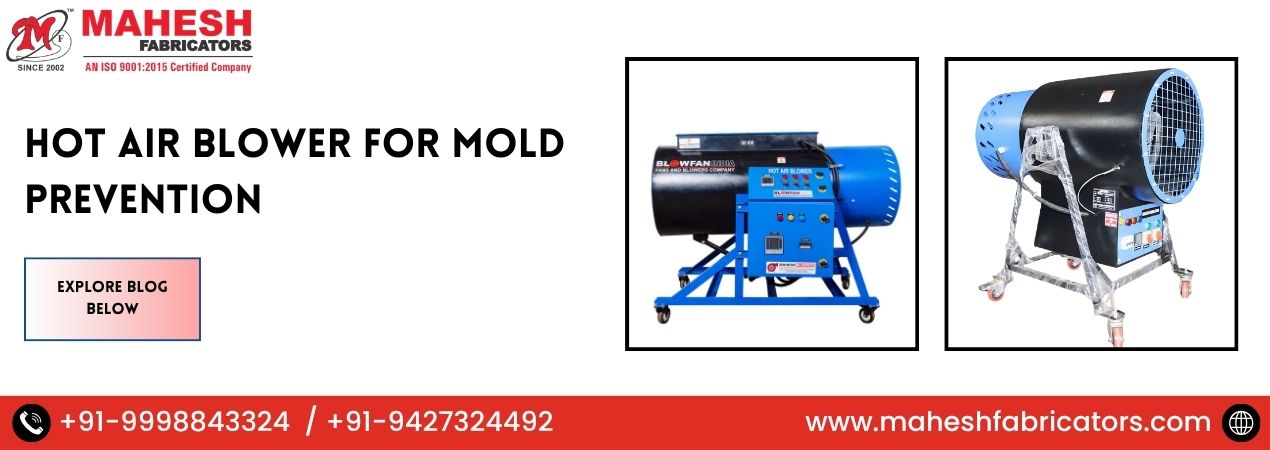
Hot Air Blower for Mold Prevention
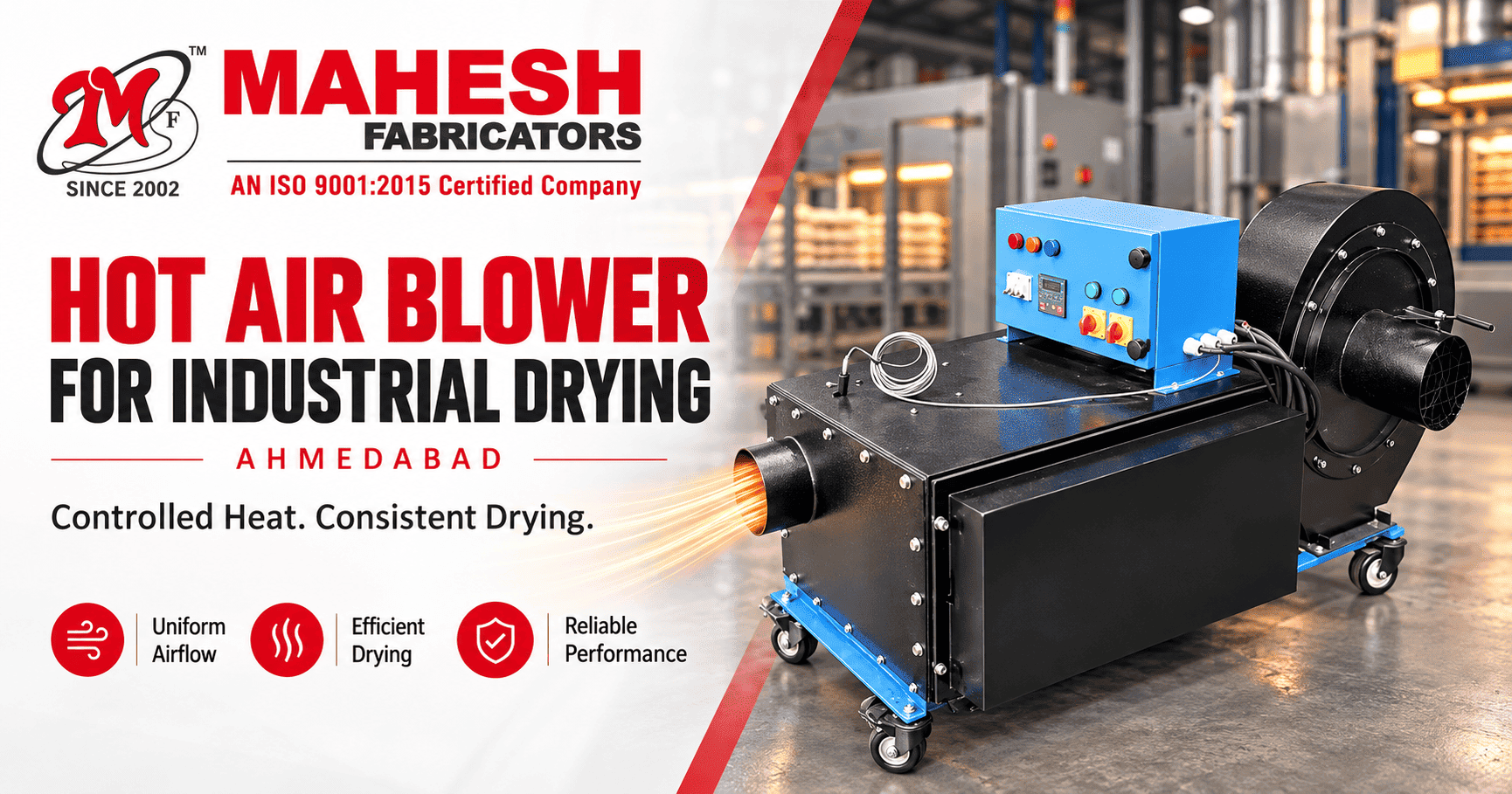
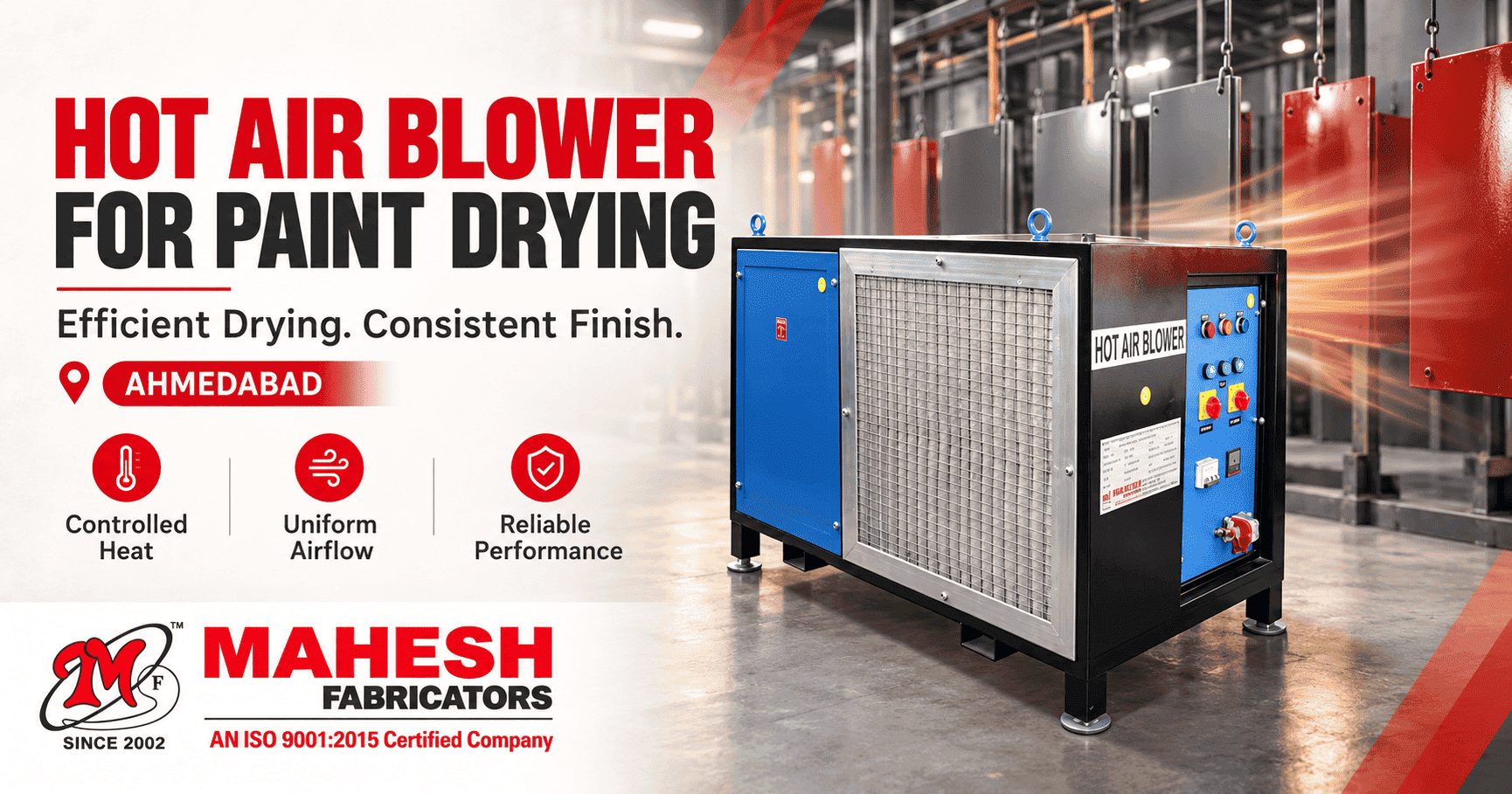
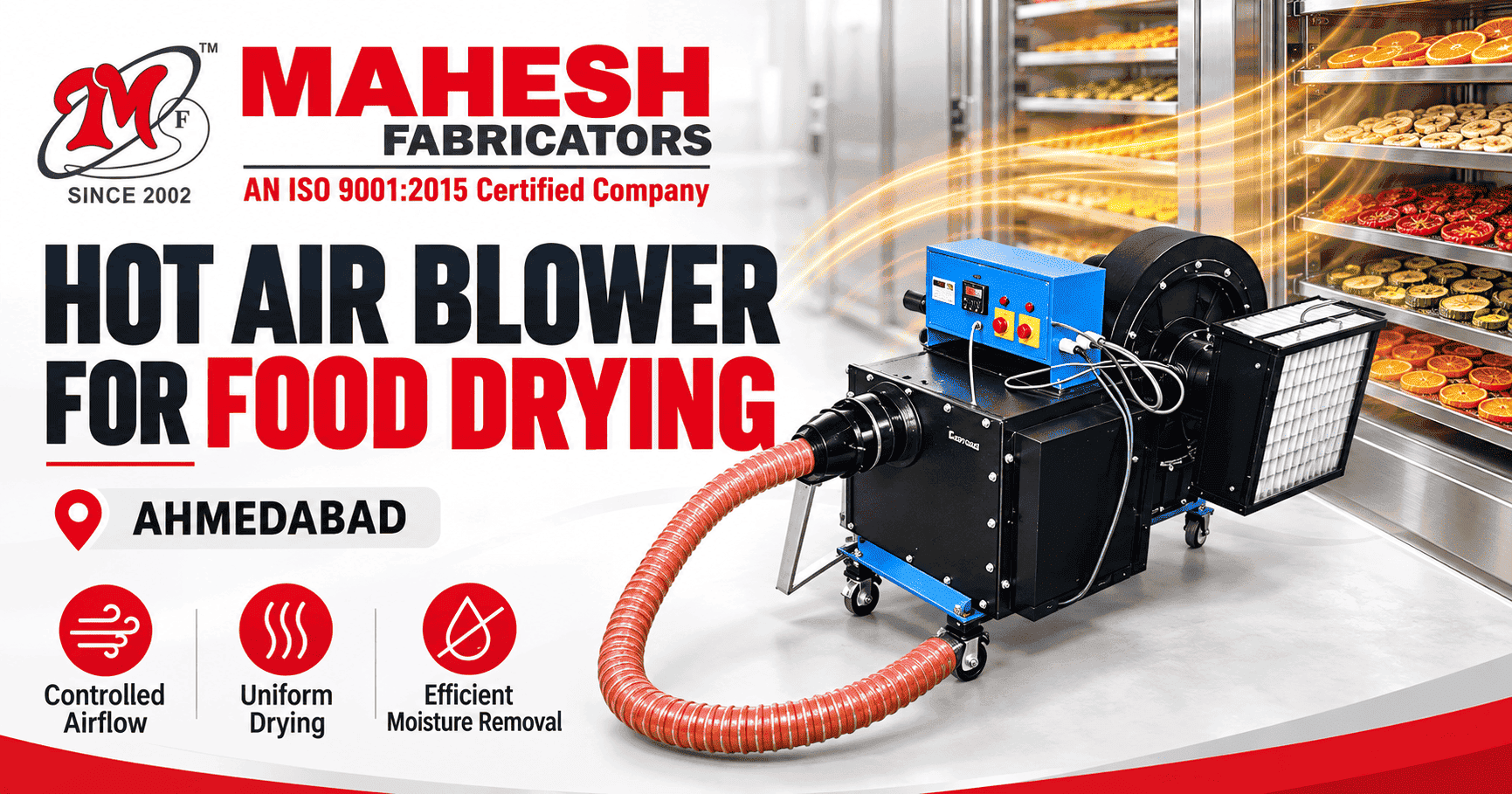
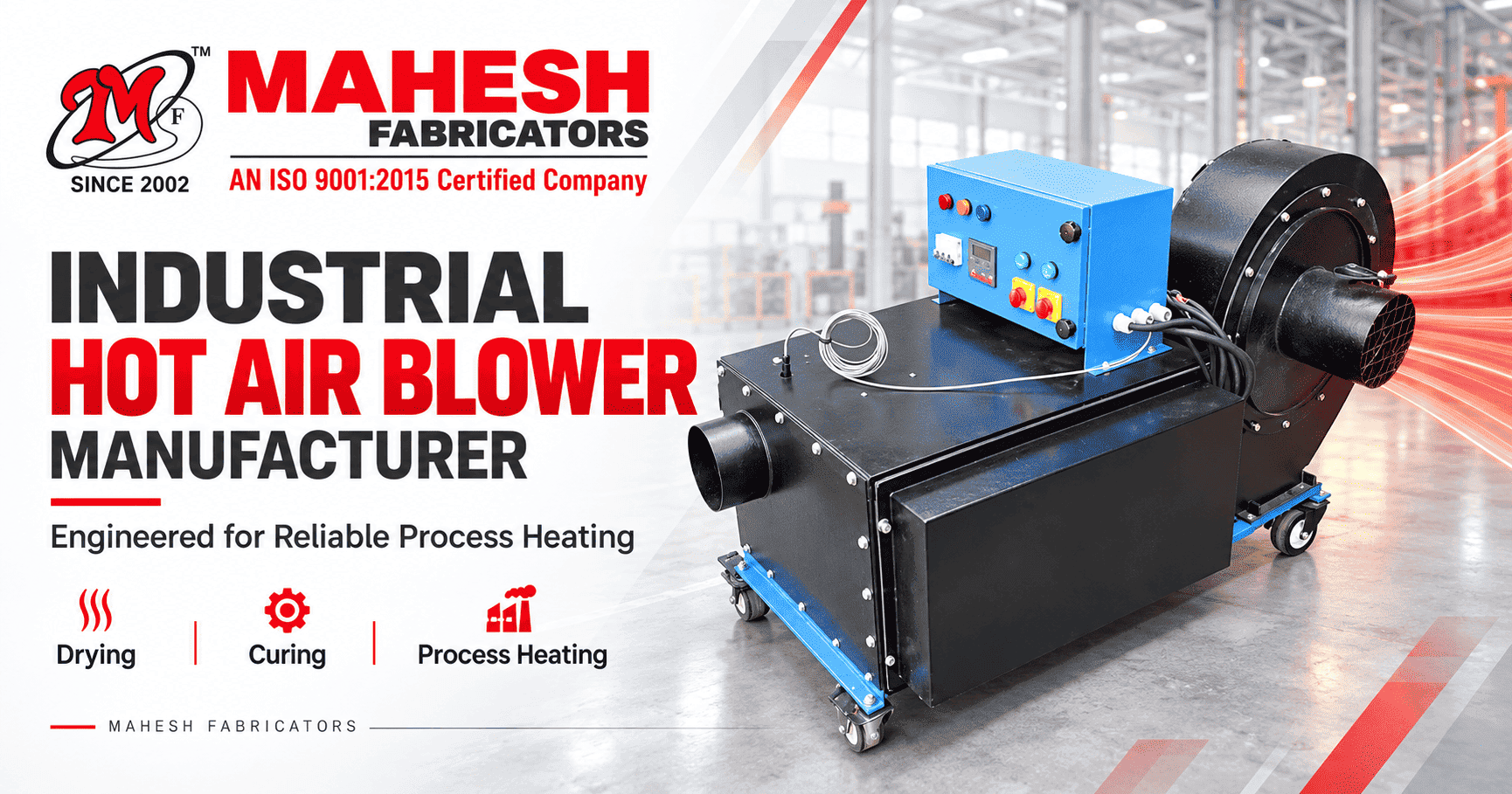
Hot air blower for mold prevention is an important industrial air movement solution used in areas where moisture control, surface drying, ventilation support, and process stability are required. In many manufacturing units, storage areas, processing facilities, and material handling environments, excess moisture can create conditions where mold, fungus, dampness, and unpleasant odors may develop. A hot air blower helps reduce these risks by supplying controlled heated airflow to the required area or process.
Mold prevention is not only related to cleanliness. It is closely connected with temperature balance, air circulation, drying efficiency, humidity control, and material protection. When air remains stagnant or surfaces stay damp for a long time, mold growth can affect product quality, storage conditions, machinery surfaces, packaging materials, and workplace hygiene. A properly selected hot air blower supports faster drying and helps maintain a more controlled industrial environment.
Mahesh Fabricators is an ISO 9001-2015 certified company founded in 2002 and engaged in the manufacturing of industrial air pollution control equipment, industrial fans, centrifugal blowers, blower accessories, dust collectors, and air handling solutions. With practical experience in industrial blower manufacturing, the company focuses on engineering-based solutions designed for reliable performance in demanding industrial applications.
Understanding Hot Air Blower for Mold Prevention
A hot air blower for mold prevention works by moving heated air across a surface, material, room, duct, chamber, or production area. The heated airflow helps reduce moisture from surfaces and supports controlled drying. This makes it useful in industries where dampness can affect raw materials, finished goods, packaging, machinery components, or production quality.
Mold usually develops in areas where moisture, poor air circulation, and suitable temperature conditions exist together. A hot air blower helps break this condition by improving air movement and reducing surface dampness. It does not replace proper cleaning, ventilation planning, or humidity management, but it plays a valuable role in maintaining dry and stable operating conditions.
In industrial environments, the requirement is different from simple room heating. The blower must deliver consistent air volume, suitable pressure, dependable heating support, and long operating life. This is why industrial hot air blowers are designed with stronger construction, stable airflow delivery, and application-specific performance considerations.
How a Hot Air Blower Supports Moisture Control
A hot air blower creates forced airflow with heat. This combination is useful because moving air alone may not be enough in damp conditions, and heat alone may not spread evenly without airflow. When both are combined, the drying process becomes more effective and uniform.
The blower pushes hot air toward the target area. As this heated air passes over wet or damp surfaces, it helps evaporate moisture. Continuous airflow carries this moisture away from the surface, reducing the possibility of mold-friendly conditions. The result is better drying performance and improved environmental control.
In many applications, hot air blowers are used after washing, cleaning, coating, processing, packaging, or storage activities. They may also be used in areas where humidity naturally remains high due to process conditions, weather changes, or limited ventilation.
Key Benefits of Hot Air Blower for Mold Prevention
A hot air blower offers practical benefits for industries that need controlled drying and moisture management.
Helps reduce surface dampness and moisture accumulation Supports faster drying after washing, cleaning, or processing Improves air circulation in moisture-prone areas Useful for continuous and batch-type industrial operations Can be selected according to airflow and heating requirementsThese benefits depend on correct blower selection, proper installation, suitable operating conditions, and regular maintenance.
Industrial Applications of Hot Air Blower for Mold Prevention
Hot air blowers are used across many industries where mold prevention and drying support are required. Their application depends on the type of material, drying area, moisture level, airflow requirement, and process condition.
Packaging material drying Textile and fabric drying support Food processing equipment drying areas Pharmaceutical and chemical process support Plastic and rubber product drying Paint, coating, and surface treatment support Air circulation in damp process zonesEach application requires a different air volume, temperature range, pressure level, and blower configuration. This is why technical assessment is important before selecting a hot air blower.
Important Factors to Consider Before Selecting a Hot Air Blower
Choosing the right hot air blower for mold prevention requires a practical understanding of the working environment. A blower that is too small may not provide enough drying effect, while an oversized blower may consume unnecessary energy or create process imbalance.
Important selection points include:
Required airflow volume Temperature requirement Area or chamber size Moisture level in the process Type of material being dried Safety and maintenance accessIndustries should also consider whether the blower will be used for direct drying, indirect air circulation, ducted air supply, or process heating support. Correct selection improves efficiency and helps ensure long-term performance.
Maintenance Practices for Reliable Performance
Regular maintenance helps keep a hot air blower working efficiently. Dust accumulation, blocked airflow, loose connections, worn parts, or poor ventilation can reduce blower output and affect heating performance. In moisture-related applications, maintenance becomes even more important because blower efficiency directly supports drying results.
Basic maintenance includes checking the airflow path, inspecting motor condition, cleaning filters or guards if used, observing unusual noise or vibration, checking electrical connections, and ensuring the heating system works safely. Any ducting connected to the blower should also be inspected for leakage or blockage.
A properly maintained hot air blower supports consistent mold prevention, reduces downtime, and extends equipment life.
Why Mahesh Fabricators for Industrial Hot Air Blower Solutions
Mahesh Fabricators brings experience in industrial blower manufacturing, air pollution control equipment, centrifugal fans, blower accessories, and air handling solutions. The company’s background in industrial airflow applications helps in understanding practical requirements such as airflow volume, pressure, operating environment, material handling, and process reliability.
As an ISO 9001-2015 certified company founded in 2002, Mahesh Fabricators works with industries that need dependable blower systems for different air movement needs. For mold prevention applications, the right blower solution should be based on actual site conditions, drying requirements, and long-term operational expectations.
A hot air blower is most effective when it is selected as part of a complete moisture control approach. This includes airflow planning, correct installation, regular operation monitoring, and maintenance support.
FAQs
Conclusion
Hot air blower for mold prevention is a practical solution for industries that need controlled drying, moisture reduction, and improved air circulation. Mold-related issues often begin with damp surfaces, poor ventilation, and stagnant air. By supplying heated airflow, a hot air blower helps reduce these conditions and supports cleaner, more stable industrial operations.
For manufacturing units, storage spaces, processing plants, and material handling areas, moisture control is directly linked with product quality, equipment care, hygiene, and operational reliability. A properly selected and maintained hot air blower can help industries manage these challenges more effectively.
Mahesh Fabricators, an ISO 9001-2015 certified company founded in 2002, provides industrial blower and air handling solutions designed for practical industrial requirements. With experience in centrifugal blowers, industrial fans, dust collectors, blower accessories, and air pollution control equipment, the company supports industries looking for reliable airflow-based solutions for demanding applications.