Hot Air Blower
Industrial heating systems play a critical role in modern manufacturing processes where controlled hot air circulation is essential for productivity, material handling, drying, curing, and thermal processing. A hot air blower is widely used in industrial operations where a continuous supply of heated airflow is required to support process efficiency and maintain temperature consistency.
Designed for controlled air movement at elevated temperatures, hot air blowers support a wide range of industrial applications where precision heating, energy efficiency, and operational reliability are important. Industries rely on these systems to maintain process stability while improving heat transfer performance across diverse production environments.
With growing demand for thermal efficiency and process optimization, hot air blower systems have become important equipment in sectors involved in drying, heating, moisture removal, ventilation, and specialized industrial processes.
Understanding Hot Air Blower Working Principles
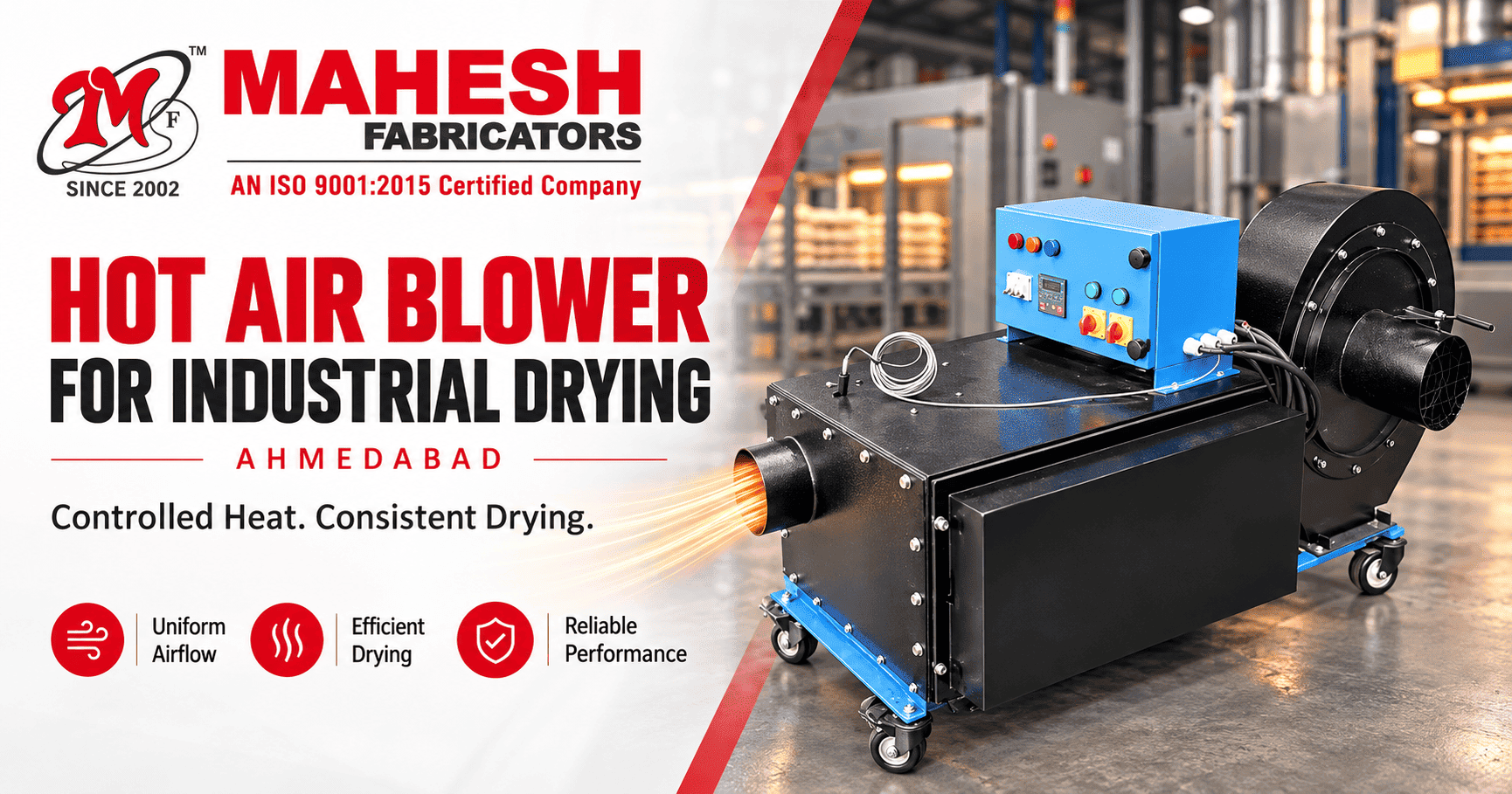
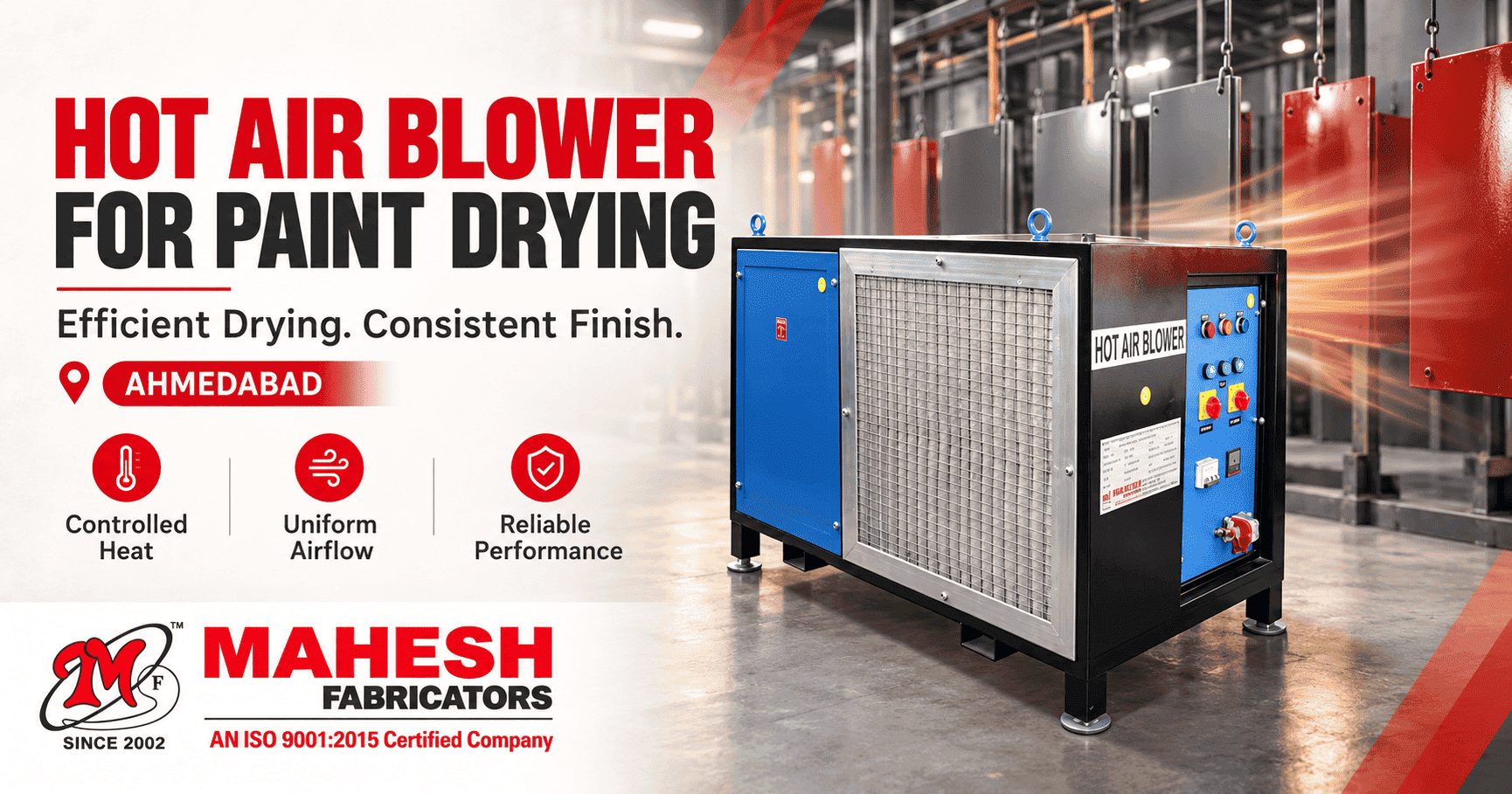
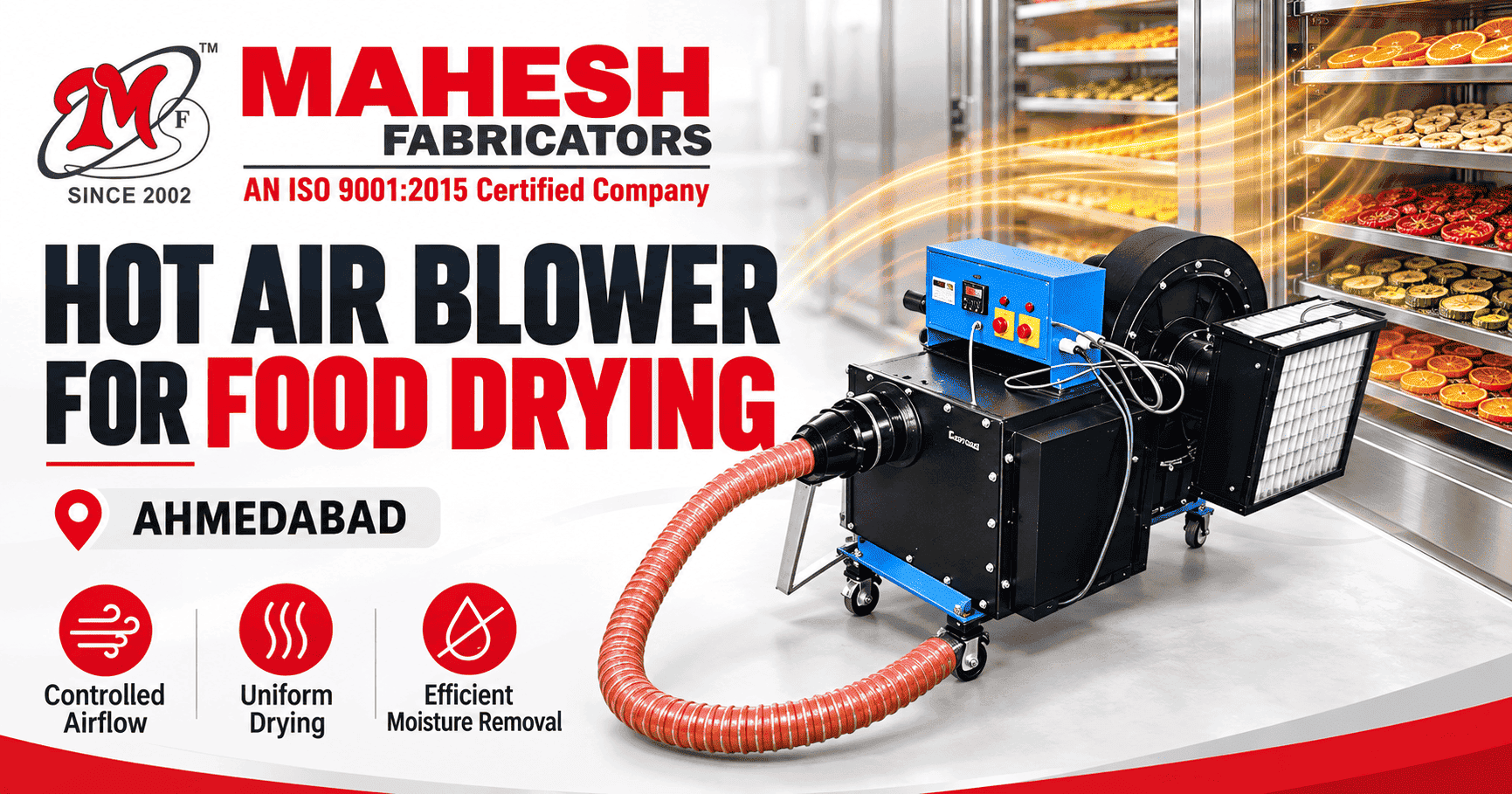
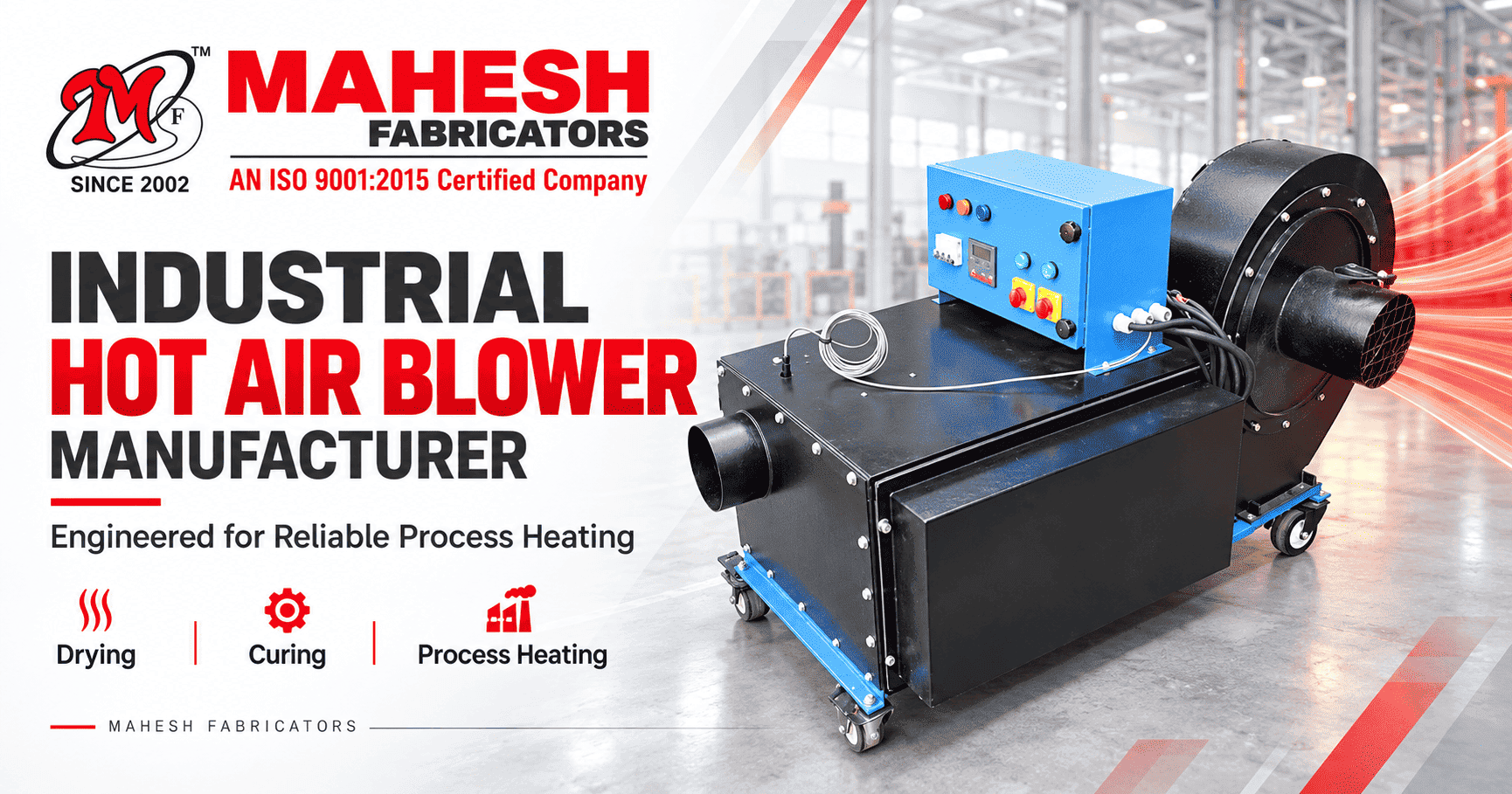
A hot air blower is designed to generate and circulate heated air through a blower mechanism integrated with heating elements or thermal sources. The system typically draws in ambient air, passes it through a controlled heating chamber, and delivers heated airflow at the required pressure and volume levels.
The effectiveness of a hot air blower often depends on airflow design, temperature control capability, insulation efficiency, material construction, and heat distribution performance. Well-engineered systems help maintain uniform heating, reduce energy loss, and support long-duration industrial use.
In many industrial processes, consistent airflow temperature is critical. Variations in heated air delivery can affect product quality, drying performance, and overall process stability. For this reason, industrial users often consider heating consistency a major factor when evaluating blower systems.
Applications of Hot Air Blower Systems
Hot air blowers are used across varied industrial environments where controlled heated airflow is required. Their versatility allows integration into both standard and specialized operations.
Common applications include:
- Industrial drying processes
- Powder and granule drying
- Chemical processing operations
- Food processing heat applications
- Plastic and polymer processing
Their broad application range makes them valuable in industries focused on controlled heating, production efficiency, and process reliability.
Key Features Considered in Industrial Hot Air Blowers
Industrial buyers often evaluate several technical and performance factors before selecting a hot air blower. Beyond heating output alone, long-term operational efficiency depends on engineering quality and system suitability.
Important considerations often include:
- Temperature handling capability
- Airflow volume and pressure performance
- Heat distribution uniformity
- Corrosion-resistant construction materials
- Energy-efficient design
These factors contribute directly to process performance, equipment life, and energy optimization.
Role of Hot Air Blowers in Process Efficiency
In many manufacturing environments, heating systems directly affect throughput and product quality. A properly engineered hot air blower helps improve process consistency while supporting controlled operating conditions.
For drying and curing operations, balanced hot airflow can reduce moisture variation and improve product uniformity. In thermal processing, controlled heat circulation can support better material handling and more predictable process outcomes.
Energy efficiency is another reason industries focus on blower selection. Systems designed with optimized airflow and reduced heat losses can contribute to lower operating costs while maintaining the required thermal output.
As industries continue to prioritize process optimization, equipment performance increasingly depends on how effectively heating systems integrate with production requirements.
Customization in Hot Air Blower Systems
Standard configurations may suit many applications, but some industrial processes require customized airflow or temperature arrangements.
Customization may involve changes in:
- Air volume requirements
- Static pressure levels
- Heating capacities
- Material of construction
- Temperature control systems
Custom engineering often helps align blower performance with process-specific operating conditions while improving overall efficiency.
Importance of Material and Build Quality
Industrial heating equipment often operates under demanding thermal conditions, making material quality an important selection factor.
High-temperature-resistant components, durable blower housings, precision-balanced impellers, and robust assemblies contribute to operational stability.
In certain environments, corrosion resistance may also be important depending on process exposure.
Build quality affects not only performance but also maintenance intervals and lifecycle reliability, which is why experienced industrial buyers pay close attention to construction standards.
Energy Efficiency Trends in Hot Air Blower Systems
Energy optimization continues to influence industrial equipment selection.
Modern hot air blower systems increasingly focus on improved airflow efficiency, reduced heat loss, and optimized thermal transfer. Efficient systems can support sustainability goals while reducing energy-related operating costs.
Industries seeking better process economics often consider energy performance alongside core technical specifications when evaluating blower systems.
As thermal process demands evolve, efficiency-focused design continues to shape equipment preferences.
Conclusion
A hot air blower remains an important industrial solution wherever controlled heated airflow is essential for process efficiency and operational reliability. From drying and thermal processing to specialized heating applications, these systems support productivity across varied industries.
Understanding performance factors, application requirements, build quality, and process suitability helps industrial buyers make informed equipment decisions aligned with long-term operational goals.
Frequently Asked Questions
Call Sales Call Technical