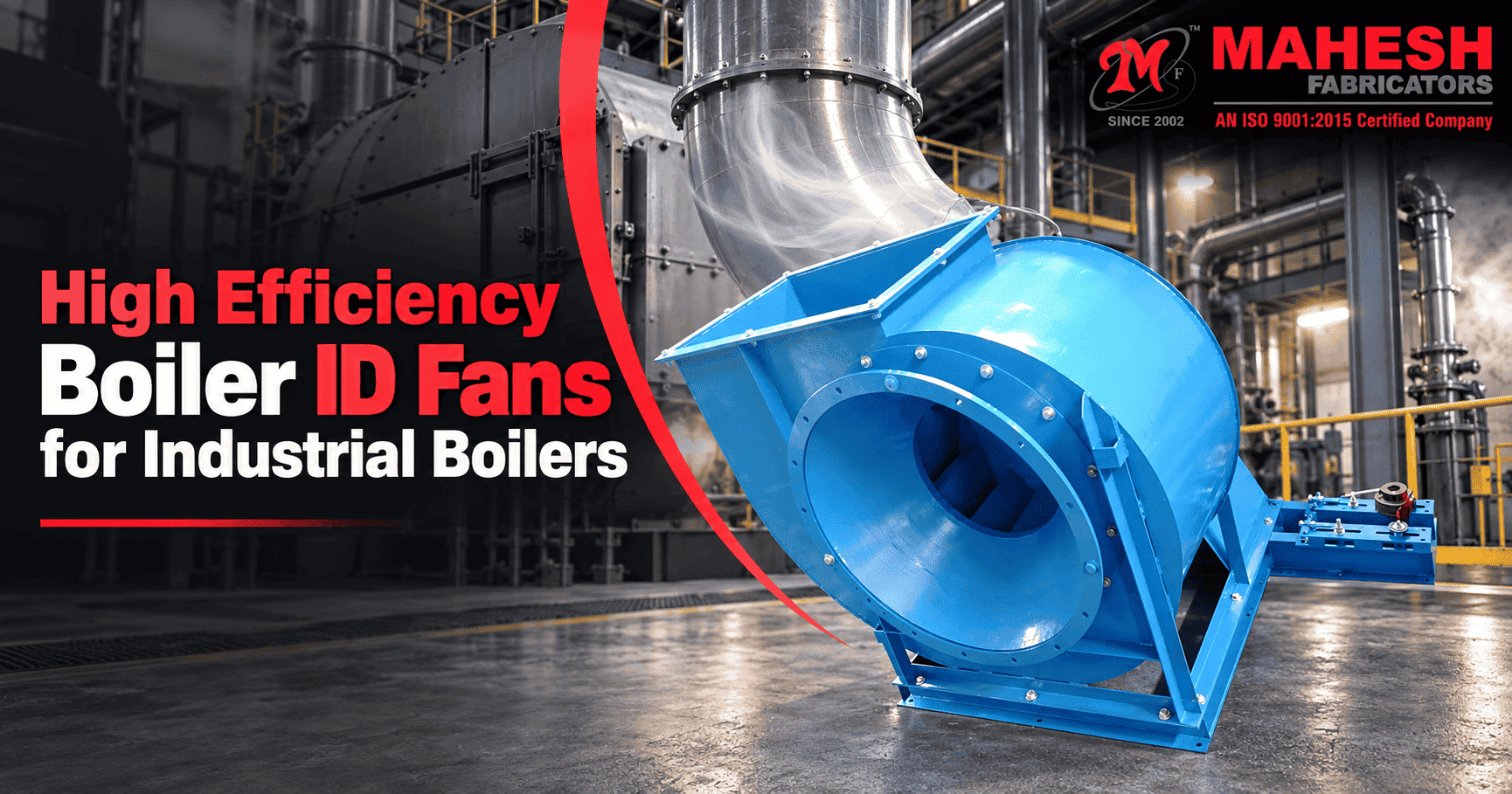
High Efficiency Boiler ID Fans for Industrial Boilers
In the heart of every industrial boiler operation lies the crucial task of managing airflow for efficient combustion and flue gas evacuation. High Efficiency Boiler Induced Draft (ID) Fans are pivotal components designed to perform this vital function, ensuring optimal performance, environmental compliance, and operational longevity. This article delves into the significance of these fans, their applications, benefits, and how to select the most suitable ones for industrial needs.
Understanding Boiler ID Fans and Efficiency
Industrial boilers generate heat by burning fuel, a process that requires a carefully controlled supply of combustion air and the effective removal of flue gases. Induced Draft (ID) fans are primarily responsible for drawing the flue gases from the boiler furnace and discharging them through the chimney or stack. This creates a negative pressure within the boiler, facilitating the flow of fresh air for combustion and preventing the leakage of harmful gases into the plant environment.
The concept of "high efficiency" in this context refers to fans that deliver the required airflow and static pressure while consuming the minimum amount of energy. Inefficient fans can lead to:
- Increased energy consumption, driving up operational costs.
- Reduced boiler performance due to inadequate draft.
- Potential for flue gas leakage, posing safety and environmental risks.
- Premature wear and tear on fan components and the boiler system.
Therefore, selecting high-efficiency Boiler ID Fans is not merely an operational choice but a strategic investment in the efficiency, safety, and economic viability of industrial processes.
Applications of High Efficiency Boiler ID Fans
High Efficiency Boiler ID Fans are indispensable across a wide spectrum of industries that rely on steam generation. Their primary function is to maintain the correct draft conditions necessary for complete combustion and the safe expulsion of combustion by-products. Key industrial applications include:
Power Generation
In thermal power plants, large boilers generate steam to drive turbines. ID fans are critical for managing the massive volume of flue gases produced, ensuring efficient combustion and emissions control.
Manufacturing & Chemical Processing
Numerous manufacturing processes, from textiles to chemicals, utilize boilers for heat and process steam. ID fans ensure stable operation and safety in these demanding environments.
Petroleum Refineries & Petrochemicals
Refineries rely heavily on boilers for process heat. Efficient ID fans are essential for maintaining precise draft control in high-temperature, high-pressure environments.
Marine Applications
Large vessels often use boilers for propulsion and onboard power. Compact and efficient ID fans are vital for space-constrained marine boiler systems.
Agro-Industry
Industries like sugar mills use boilers for process heat. ID fans help manage combustion air and flue gas in these energy-intensive operations.
Key Benefits of High Efficiency Boiler ID Fans
Investing in high-efficiency Boiler ID Fans offers significant advantages that translate directly to improved operational performance and reduced costs:
- Enhanced Energy Savings: Optimized aerodynamic design and robust construction minimize power consumption, leading to substantial reductions in electricity bills.
- Improved Combustion Efficiency: Precise draft control ensures the optimal air-to-fuel ratio, leading to more complete combustion, higher heat output, and reduced fuel waste.
- Reduced Emissions: Efficient operation contributes to better control over combustion processes, helping facilities meet stringent environmental regulations by minimizing the release of pollutants.
- Extended Equipment Lifespan: Stable operating conditions and reduced stress on boiler components, such as the economizer and air preheater, prolong the life of the entire system.
- Enhanced Safety: By effectively removing flue gases, ID fans prevent the buildup of hazardous substances like carbon monoxide within the boiler room and plant premises.
- Lower Maintenance Costs: Durable construction and balanced operation reduce vibrations and wear, leading to fewer breakdowns and lower maintenance expenditure.
Buyer's Guide: Selecting the Right High Efficiency Boiler ID Fan
Choosing the correct ID fan is critical for ensuring your industrial boiler operates at peak efficiency and safety. Consider the following factors carefully:
Essential Features to Consider
- Fan Type and Design: Forward-curved, backward-inclined, or airfoil blade designs each offer different efficiency and operating characteristics. Backward-inclined and airfoil blades are typically preferred for high-efficiency applications due to their non-overloading power characteristics and better efficiency at higher static pressures.
- Material of Construction: The fan casing and impeller should be constructed from materials resistant to the corrosive and abrasive nature of flue gases. High-grade steel alloys, stainless steel, or specialized coatings may be necessary depending on the flue gas composition and temperature.
- Impeller Balancing: Static and dynamic balancing of the impeller is crucial for minimizing vibration, ensuring smooth operation, and extending the life of bearings and seals.
- Robust Casing: The fan housing must be durable enough to withstand the operating conditions, including temperature, pressure, and potential particulate abrasion.
- Sealing Arrangements: Effective shaft sealing prevents air leakage and contamination of bearings, which is vital for both efficiency and longevity.
- Drive System: Consider the motor efficiency, coupling type, and any necessary speed control mechanisms (like Variable Frequency Drives - VFDs) to match operating requirements and maximize energy savings.
Key Selection Criteria
When specifying your requirements, ensure you have the following information readily available:
- Required Airflow (CFM or m³/h): The volume of flue gas that needs to be moved.
- Static Pressure (inches w.g. or Pa): The total resistance the fan must overcome, including resistance from the boiler, ductwork, pollution control equipment (like ESPs or bag filters), and chimney.
- Gas Temperature (°C or °F): Flue gas temperature affects air density and material selection.
- Flue Gas Composition: Presence of corrosive elements (like sulfur compounds) or abrasive particles dictates material requirements.
- Operating Environment: Ambient temperature, altitude, and space constraints influence fan selection and motor specifications.
- Noise Level Requirements: Some installations have strict limits on operational noise.
Buyer Insight
Don't underestimate the importance of flue gas analysis and a thorough site survey. Understanding the exact conditions the fan will operate under is paramount for selecting a unit that provides long-term, efficient service without unexpected maintenance issues.
Quality Checks Before Purchase
Ensure the manufacturer provides comprehensive documentation and guarantees:
- Performance Curves: Verify that the fan's performance curves clearly indicate its operating point within its high-efficiency range.
- Material Certifications: Request documentation for the materials used in the impeller and casing, especially if high temperatures or corrosive gases are involved.
- Balancing Reports: A certificate of impeller balancing (both static and dynamic) is essential.
- Test Reports: Look for evidence of factory performance testing if required.
Mahesh Fabricators: Your Partner for Industrial Boiler Fans
At Mahesh Fabricators, we understand the critical role that reliable and efficient ID fans play in industrial operations. We are committed to providing robust fan solutions designed to meet the demanding requirements of various industries. Our focus is on engineering fans that deliver consistent performance, energy savings, and operational reliability, ensuring your boilers function at their best.
We specialize in fabricating industrial fans engineered for challenging environments. Our expertise allows us to offer solutions tailored to specific airflow, pressure, and temperature conditions. By prioritizing quality in materials and manufacturing processes, we aim to deliver fans that contribute positively to your plant's efficiency and safety standards.
Request a Tailored Fan Solution
Partner with Mahesh Fabricators for your next industrial fan requirement. We work closely with clients to understand their unique operational challenges and deliver fan solutions that optimize performance. Contact us to discuss your specific needs for High Efficiency Boiler ID Fans and discover how our commitment to quality and engineering excellence can benefit your operations.
Frequently Asked Questions
What is the primary function of an ID fan in an industrial boiler?
The primary function of an Induced Draft (ID) fan is to create a negative pressure within the boiler system, drawing flue gases from the furnace and expelling them through the chimney or stack. This ensures proper combustion by facilitating airflow and safely removes potentially harmful exhaust gases from the work environment.
How does fan efficiency impact boiler operations?
Higher fan efficiency means the fan uses less energy to move the required volume of flue gas. This leads to reduced electricity consumption, lower operational costs, and can contribute to better combustion control, potentially improving overall boiler thermal efficiency and reducing fuel usage.
What materials are typically used for Boiler ID Fans?
Materials depend on the flue gas conditions. Common materials include various grades of carbon steel, stainless steel (e.g., SS304, SS316), and specialized alloys or coatings for highly corrosive or high-temperature environments to ensure durability and resistance to wear and chemical attack.
How do I determine the correct size of ID fan needed?
Sizing an ID fan requires detailed information about the boiler's operation, including the required airflow rate, the total static pressure the fan must overcome (considering boiler, ductwork, and pollution control equipment resistance), flue gas temperature, and composition. Consulting with a fan manufacturer or engineer is recommended.
Conclusion
High Efficiency Boiler ID Fans are fundamental to the safe, efficient, and environmentally compliant operation of industrial boilers. By carefully considering the applications, benefits, and crucial selection criteria, businesses can invest in fan technology that not only meets immediate operational needs but also contributes to long-term cost savings and sustainability goals. Mahesh Fabricators is dedicated to providing robust, high-performance fan solutions that empower industrial processes.