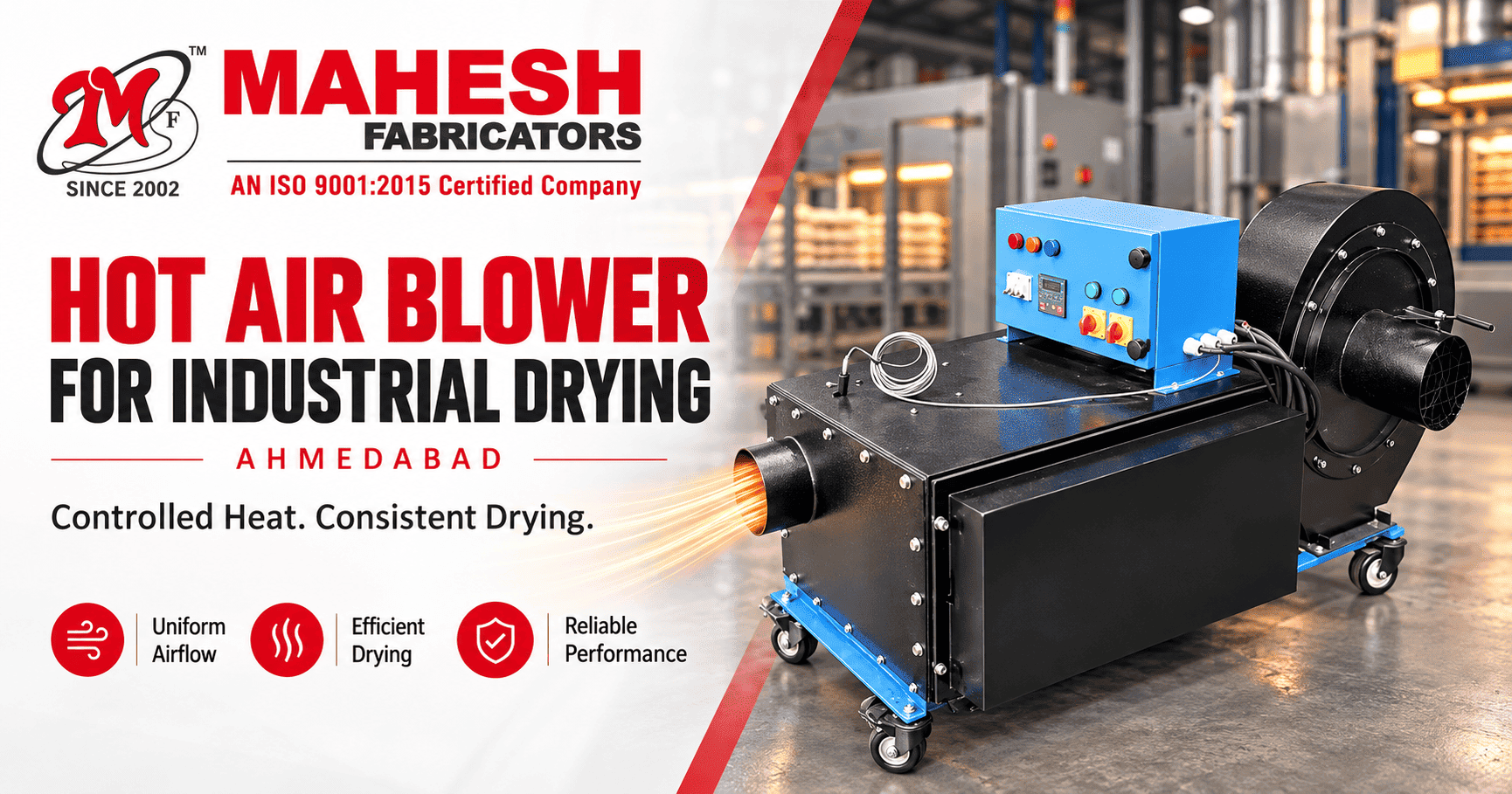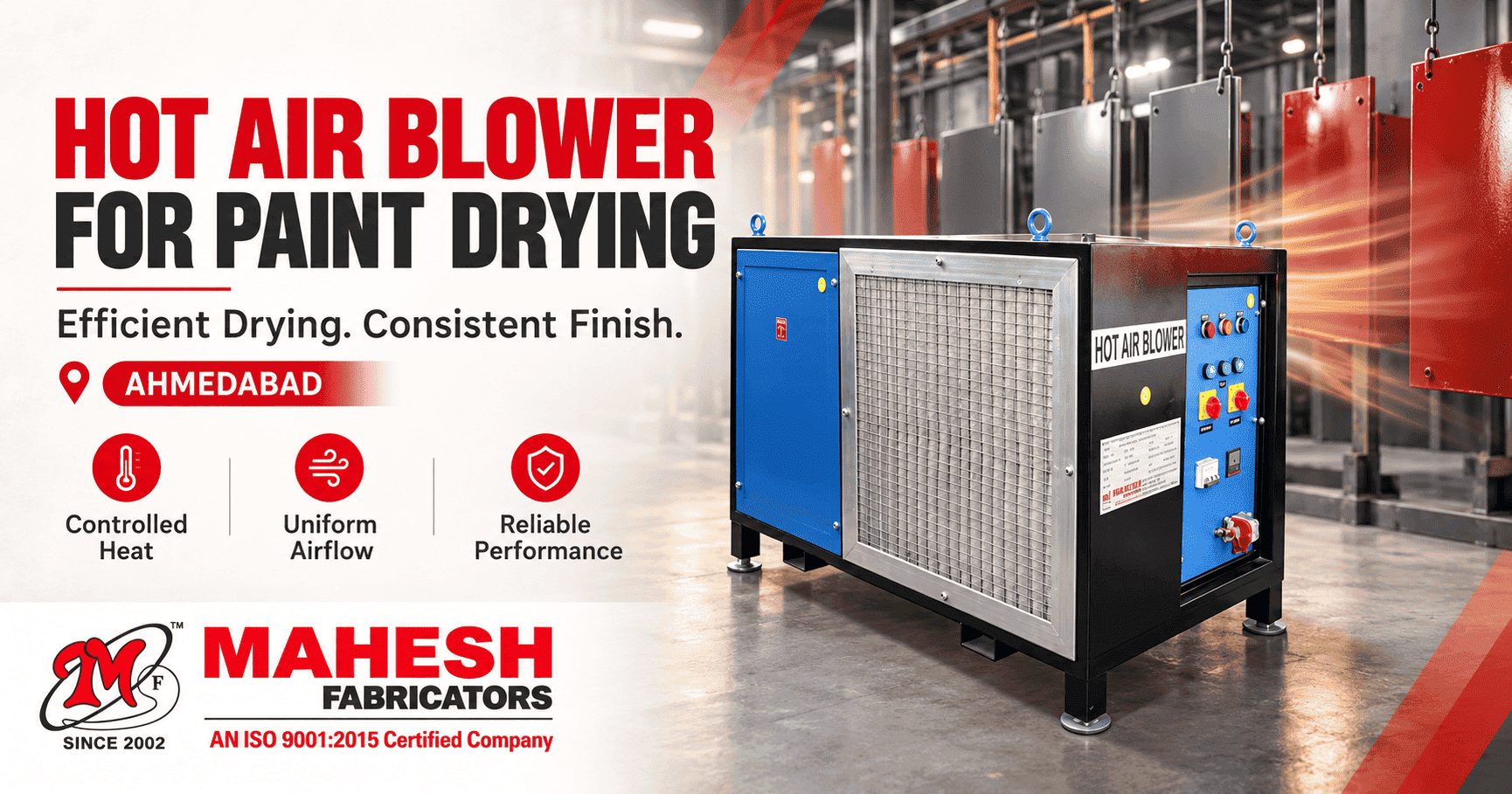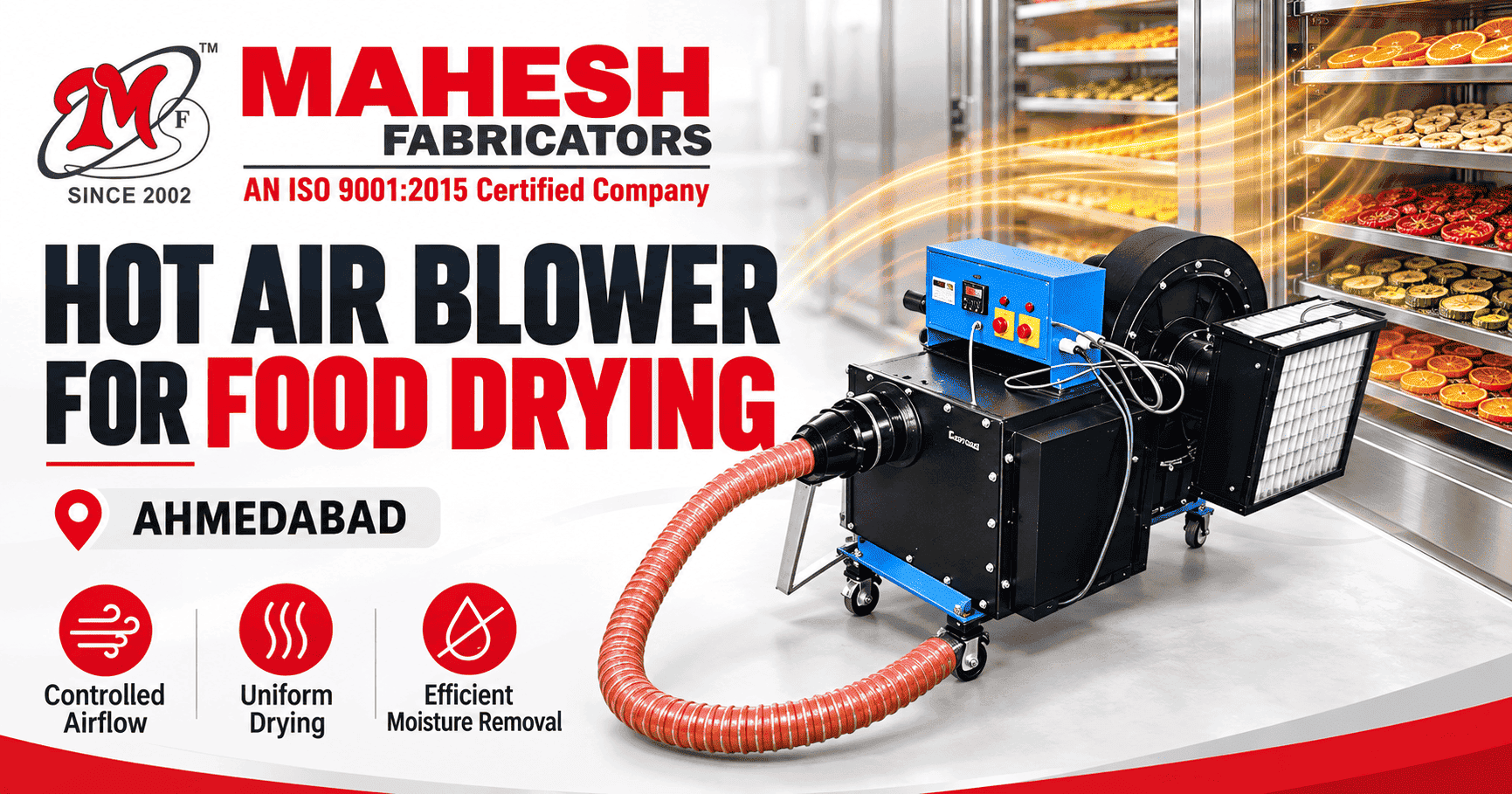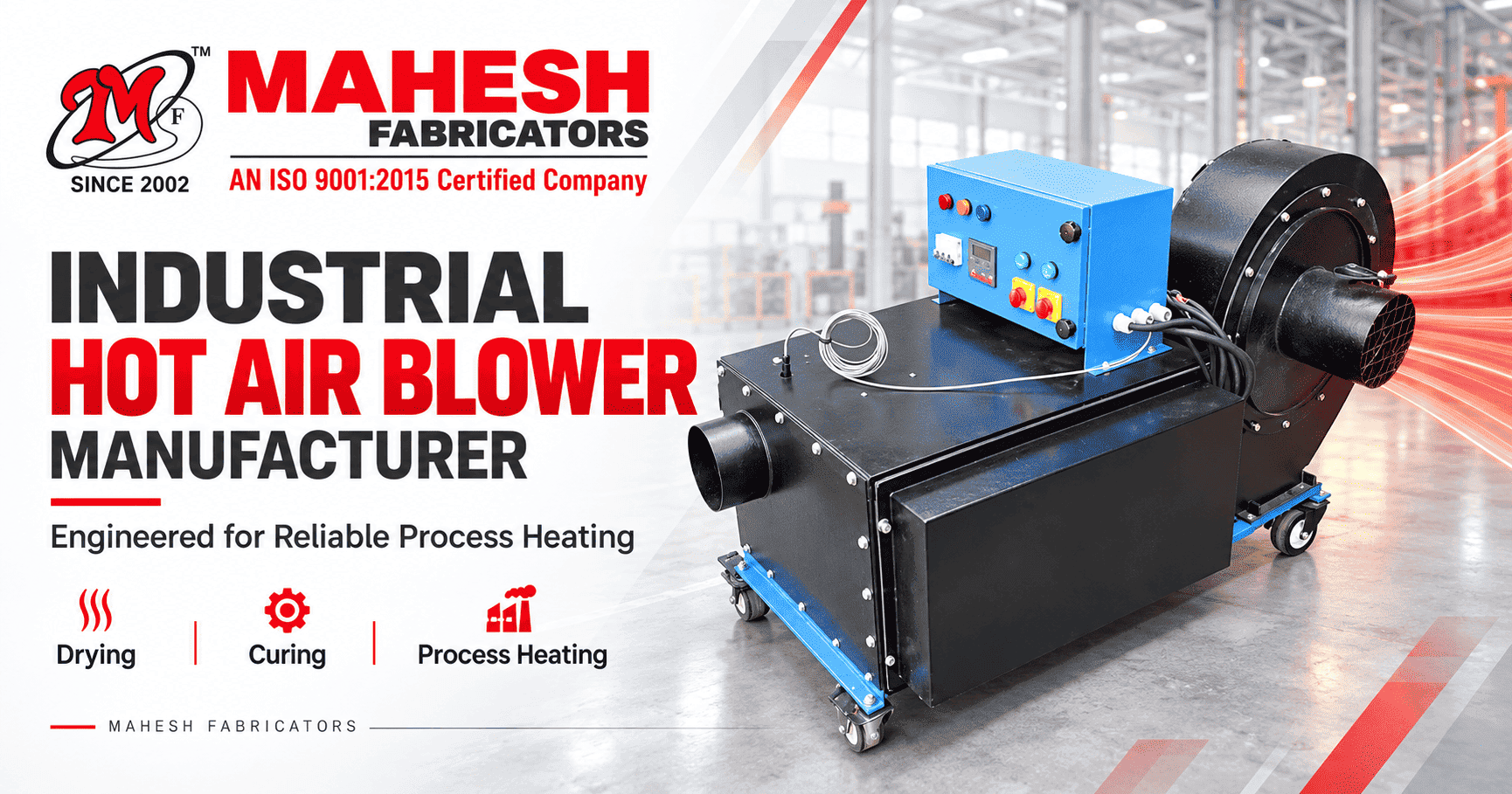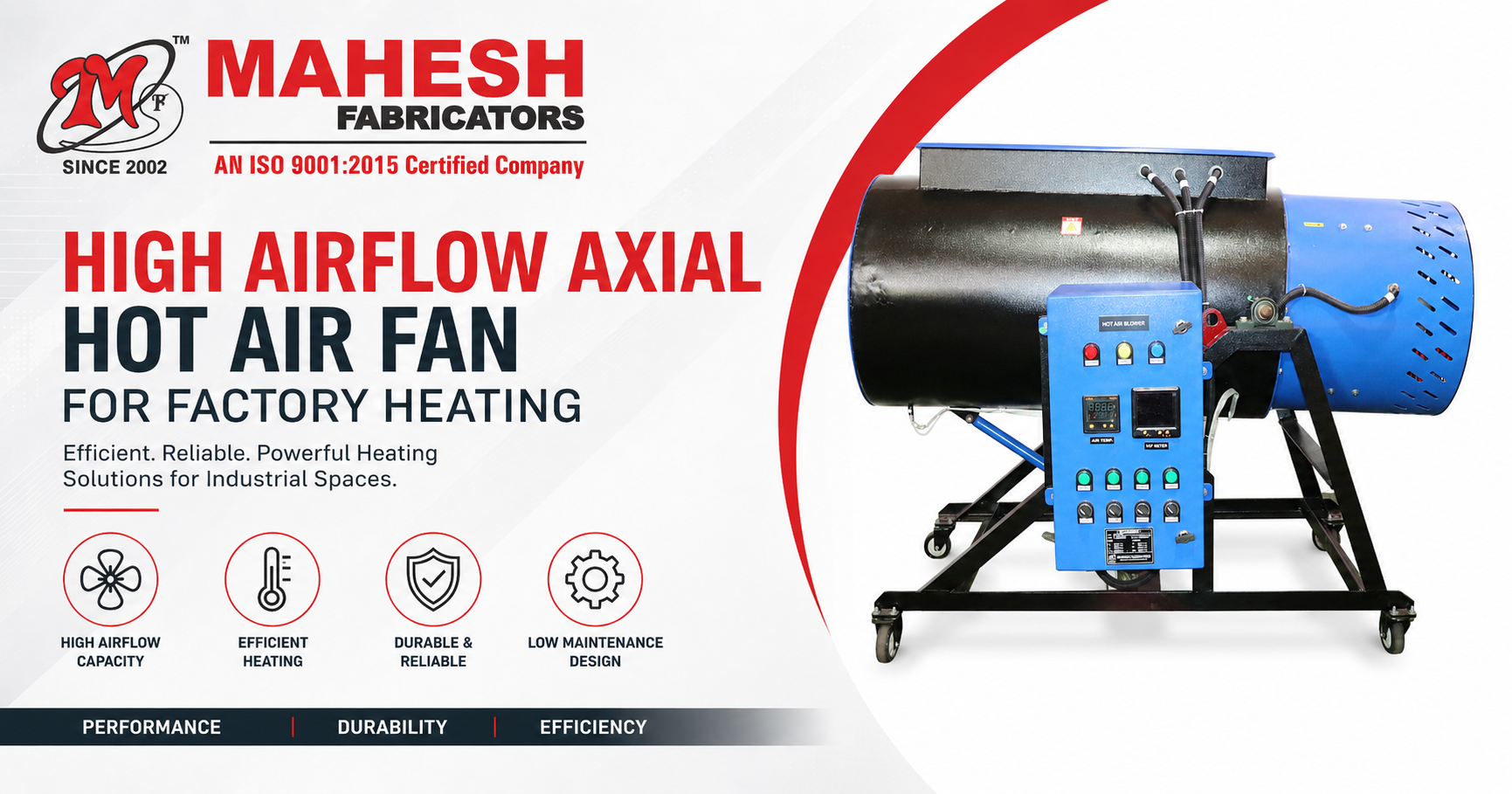
high airflow axial hot air fan for factory heating
Expertly designed high airflow axial hot air fans for factory heating in Ahmedabad. Enhance your industrial space with efficient, reliable solutions from Mahesh
What is a High Airflow Axial Hot Air Fan? — Overview
A high airflow axial hot air fan is an industrial ventilation device designed to move large volumes of air efficiently, often with the added capability of heating that air. Unlike centrifugal fans that create pressure, axial fans move air parallel to their shaft, similar to a propeller. The "high airflow" designation signifies its capacity to displace a substantial amount of air per unit of time, measured in cubic feet per minute (CFM) or cubic meters per hour (CMH). When integrated with a heating element, these fans become powerful units for rapidly warming large industrial spaces, ensuring consistent temperature distribution.
Key Features and Technical Specifications
- High Airflow Capacity: Designed to move significant volumes of air, ensuring rapid and even heating of large factory floors.
- Robust Construction: Built with heavy-duty materials like mild steel or stainless steel for durability in demanding industrial environments.
- Efficient Motor: Equipped with powerful, energy-efficient motors to handle continuous operation and high airflow demands.
- Integrated Heating Element: Features a reliable heating coil or element (electric, steam, or hot water) to warm the air as it passes through.
- Axial Flow Design: Propeller-type fan blades move air directly along the fan's axis, ideal for high-volume displacement.
- Adjustable Louvers/Dampers: May include features for directing airflow and controlling its intensity.
- Thermal Overload Protection: Safety feature to prevent motor damage due to overheating.
- Low Noise Operation: Engineered for reduced noise levels, contributing to a better working environment.
Industrial Applications and Use Cases
- Textile Mills: Maintaining consistent temperatures for yarn spinning, weaving, and fabric finishing processes.
- Pharmaceutical Manufacturing: Ensuring controlled environments for sensitive drug production and packaging.
- Food Processing Plants: Providing warmth for drying, baking, or maintaining specific ambient temperatures for ingredients.
- Warehousing and Storage: Preventing freezing or maintaining optimal conditions for stored goods.
- Automotive Workshops: Heating large garage spaces for mechanics to work comfortably.
- Paint Booths and Drying Areas: Providing controlled warm air for efficient paint curing and drying.
- General Factory Heating: Warming large open-plan manufacturing floors to improve worker comfort and productivity.
- Greenhouses and Agricultural Facilities: Maintaining ideal temperatures for plant growth.
How to Choose the Right High Airflow Axial Hot Air Fan
Selecting the appropriate fan is crucial for effective and efficient factory heating. Consider these factors:
- Required Airflow (CFM/CMH): Calculate the volume of air needed to heat your specific space based on its dimensions and desired temperature rise.
- Heating Capacity (kW/BTU): Determine the heating power required to achieve the target temperature in your environment.
- Space Dimensions: Larger spaces require fans with higher airflow and heating capacity.
- Power Source Availability: Ensure compatibility with your facility's electrical supply or other heating medium (steam, hot water).
- Mounting Options: Consider wall-mounted, floor-standing, or ducted configurations based on your facility layout.
- Durability and Material: Choose materials resistant to the specific industrial conditions (e.g., corrosive elements, high dust).
- Safety Features: Look for thermal overload protection and compliance with relevant safety standards.
- Supplier Reputation and Support: Partner with a manufacturer known for quality, reliability, and after-sales service.
Quality Standards and Compliance
When investing in industrial heating solutions, adherence to quality standards is non-negotiable. Manufacturers like Mahesh Fabricators, an ISO 9001-2015 certified company, demonstrate a commitment to quality management systems. Buyers should look for fans that are manufactured in accordance with relevant Indian Standards (IS) or international standards like IEC for electrical components. Compliance with safety regulations ensures that the equipment is not only effective but also safe to operate in a factory setting, minimizing risks of electrical hazards or mechanical failures. Verifying certifications and manufacturing practices provides confidence in the product's longevity and performance.
Why Mahesh Fabricators' Experience and Capability Matters
With over 17 years of experience since its founding in 2002, Mahesh Fabricators has established a strong foundation in manufacturing industrial air systems. As an ISO 9001-2015 certified company, their commitment to quality is embedded in their processes. Their expertise spans the design and development of a wide range of industrial fans and blowers, including high airflow axial hot air fans tailored for specific factory heating needs. They understand the diverse requirements of industries in Ahmedabad and Gujarat, from textiles to pharmaceuticals, and engineer solutions that offer reduced maintenance and user-friendly operations. Their capability to deliver efficient, superior performance ensures that clients receive equipment built to last and perform reliably.
Installation, Maintenance, and Care Tips
Proper installation and regular maintenance are key to maximizing the lifespan and efficiency of your high airflow axial hot air fan.
- Installation: Ensure the fan is securely mounted in its intended location, whether wall-mounted or floor-standing. Verify electrical connections are made by a qualified electrician, adhering to all safety codes. For ducted systems, ensure all connections are airtight to prevent airflow loss.
- Initial Run: After installation, run the fan for a short period without the heating element engaged to check for any unusual noises or vibrations.
- Regular Cleaning: Periodically clean the fan blades, motor housing, and heating elements to remove dust and debris that can impede airflow and reduce efficiency.
- Motor Lubrication: Follow the manufacturer's recommendations for motor lubrication, typically involving greasing at specified intervals.
- Electrical Checks: Have the electrical components and wiring inspected periodically by a qualified technician to ensure safety and proper function.
- Heating Element Inspection: Regularly check the heating element for any signs of damage or wear.
- Vibration Monitoring: Pay attention to any increase in vibration, which could indicate a need for balancing or bearing replacement.
Frequently Asked Questions
Its primary function is to efficiently circulate and heat large volumes of air within an industrial space, ensuring a consistent and comfortable working temperature. This is crucial for worker well-being, process stability, and preventing damage to materials sensitive to cold.
Axial fans move air parallel to their shaft, ideal for high-volume air displacement over shorter distances, making them suitable for direct heating of large open areas. Centrifugal fans create higher pressure and are better for moving air through ducts or overcoming resistance.
The required airflow depends on the size of your factory space, the desired temperature rise, the level of insulation, and the number of air changes per hour needed for adequate ventilation and heating.
High airflow axial fans are generally efficient for their task of moving large air volumes. When paired with modern heating elements and properly sized for the application, they can provide an energy-effective solution for industrial heating needs.
Routine maintenance includes cleaning fan blades and housing, checking motor lubrication, inspecting electrical connections, and ensuring the heating element is functioning correctly. Periodic professional checks for bearings and overall system integrity are also recommended.
These specific units are designed for heating applications, incorporating a heating element. While the axial fan itself moves air, its heating capability is its primary purpose. For cooling, separate systems like air conditioners or evaporative coolers would be needed.
Conclusion
Maintaining an optimal working temperature in industrial facilities across Ahmedabad is vital for operational efficiency and employee comfort. High airflow axial hot air fans offer a powerful and effective solution for this challenge. By understanding the technical specifications, application suitability, and the importance of quality manufacturing, businesses can select a system that delivers reliable performance. Partnering with experienced manufacturers like Mahesh Fabricators, who prioritize quality, compliance, and customer support, ensures that your investment in factory heating is sound and contributes positively to your industrial operations.
Get In Touch
Mahesh Fabricators