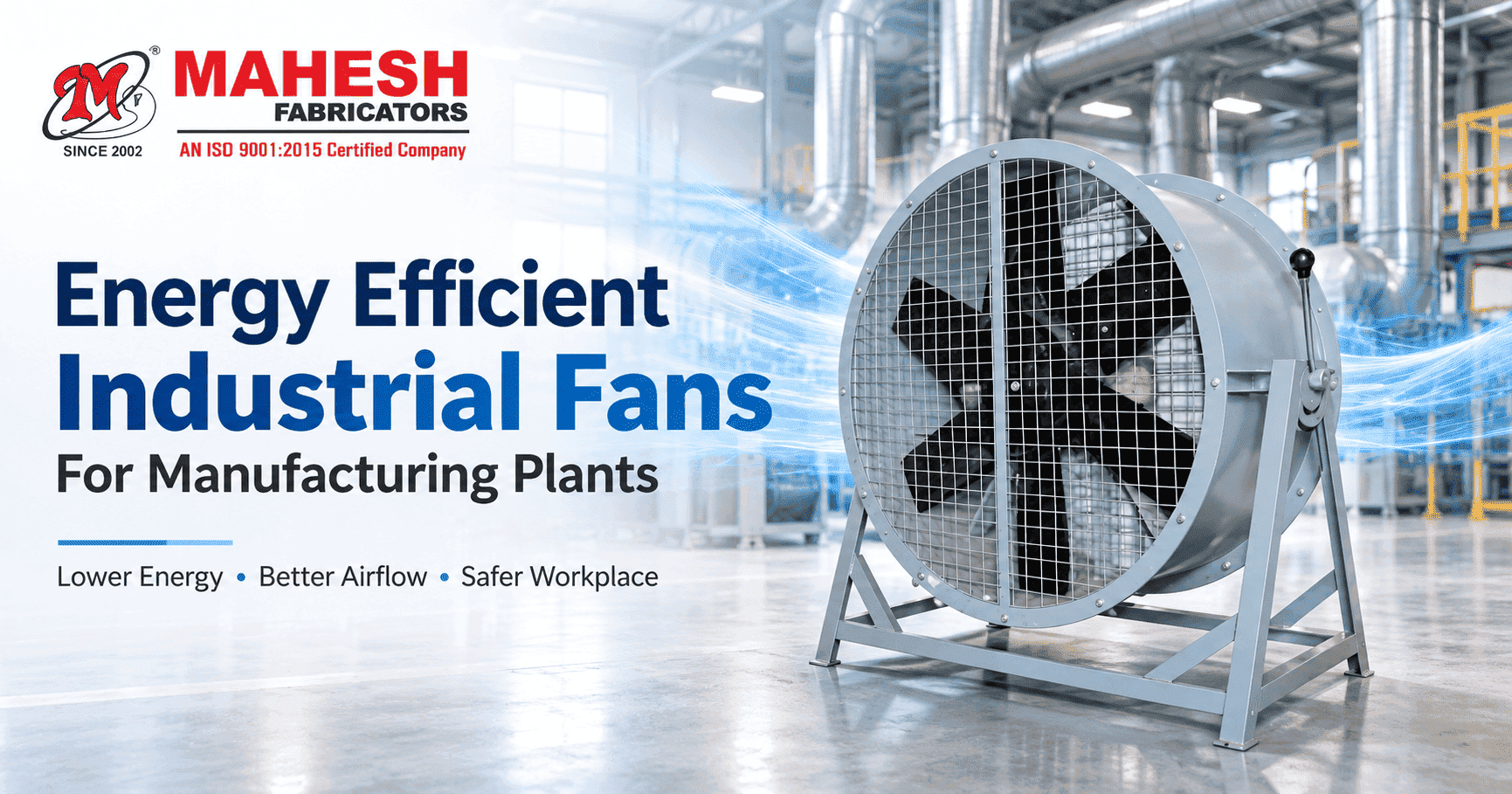
Energy Efficient Industrial Fans for Manufacturing Plants
In the relentless pursuit of operational efficiency and sustainability, manufacturing plants are increasingly turning to advanced technologies to optimize energy consumption. Among the most impactful yet often overlooked areas is industrial ventilation and air movement. Energy-efficient industrial fans represent a critical investment for modern manufacturing facilities, offering substantial cost savings, improved working conditions, and a reduced environmental footprint. This guide delves into why these fans are indispensable for manufacturing plants and how to select the right solutions.
Understanding Energy Efficient Industrial Fans
Traditional industrial fans can be significant energy drains, contributing a large portion to a plant's overall electricity bill. Energy-efficient industrial fans are engineered with advanced design principles and components to maximize airflow while minimizing power consumption. This is achieved through several key innovations:
- Optimized Blade Design: Aerodynamically superior blade profiles reduce air resistance and turbulence, allowing for greater air movement with less energy input.
- High-Efficiency Motors: Utilizing motors designed for maximum energy conversion efficiency ensures that more electrical energy is translated into mechanical rotation, minimizing waste heat and power loss.
- Variable Speed Drives (VSDs): VSDs allow fan speed to be adjusted based on actual demand rather than running at full speed constantly. This precise control offers substantial energy savings, especially in applications with fluctuating ventilation requirements.
These features collectively ensure that manufacturing plants can maintain optimal air quality and process conditions without the excessive energy expenditure associated with older fan technologies.
Key Applications in Manufacturing
The versatility of industrial fans makes them crucial across a wide spectrum of manufacturing processes. Energy-efficient models enhance these applications by providing necessary air movement sustainably:
Process Ventilation
Removing heat, fumes, and airborne contaminants generated by machinery and processes to maintain safe and productive working conditions.
HVAC Systems
Circulating conditioned air throughout large manufacturing spaces to ensure consistent temperature and humidity levels, critical for both employee comfort and sensitive manufacturing processes.
Material Handling
Used in pneumatic conveying systems to move bulk materials like powders, granules, or chips efficiently and with reduced energy usage.
Dust Collection & Fume Extraction
Capturing and removing dust, smoke, and hazardous vapors at the source, preventing their spread and ensuring a cleaner, safer environment.
Tangible Benefits of Energy Efficient Fans
Investing in energy-efficient industrial fans yields significant advantages that impact a manufacturing plant's bottom line and operational sustainability:
Reduced Operational Costs
The most immediate benefit is a noticeable reduction in electricity bills. Lower energy consumption directly translates to lower operating expenses, freeing up capital for other investments.
Improved Air Quality and Safety
Effective ventilation systems, powered by efficient fans, ensure that workplaces are free from pollutants, excess heat, and stagnant air. This enhances employee health, safety, and productivity.
Enhanced Sustainability and Compliance
By minimizing energy usage, these fans help reduce a plant's carbon footprint. This aligns with growing corporate sustainability goals and aids in meeting environmental regulations.
Increased Equipment Lifespan
Efficient operation often means less strain on motors and components, potentially leading to a longer service life for the fan equipment itself.
Buyer's Guide: Selecting the Right Energy Efficient Fan
Choosing the correct industrial fan requires careful consideration of your plant's specific needs. Here are key factors to evaluate:
Application Requirements
What is the primary purpose? Ventilation, dust collection, cooling, or material transport? Each requires different airflow and pressure characteristics.
Airflow Rate (CFM) and Static Pressure (SP)
Determine the volume of air that needs to be moved (CFM) and the resistance it will encounter (SP) from ducts, filters, or hoods. The fan must be capable of meeting these specific demands.
Environmental Conditions
Consider the temperature, humidity, and presence of corrosive elements or abrasive dusts that might affect fan material and performance.
Motor Efficiency and Control
Look for fans equipped with high-efficiency motors and the option for VSDs to maximize energy savings. Ensure the motor is appropriately sized for the load.
Noise Levels
Evaluate the operational noise, especially if the fan is located near work areas or sensitive equipment. Consider noise reduction measures if necessary.
Durability and Maintenance
Select fans constructed from robust materials designed for continuous industrial operation. Easy access for maintenance can also reduce downtime.
Mahesh Fabricators: Tailored Ventilation Solutions
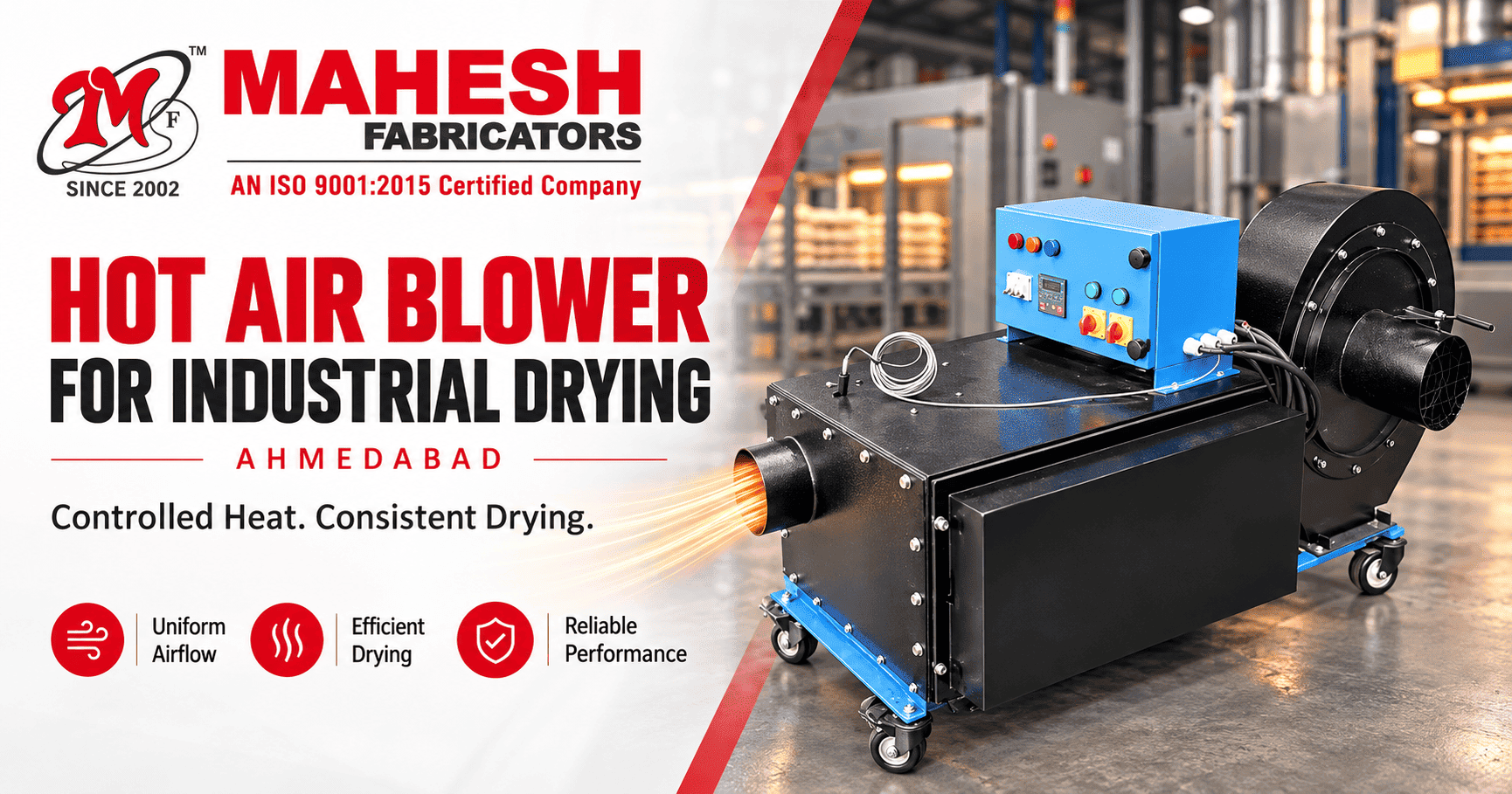
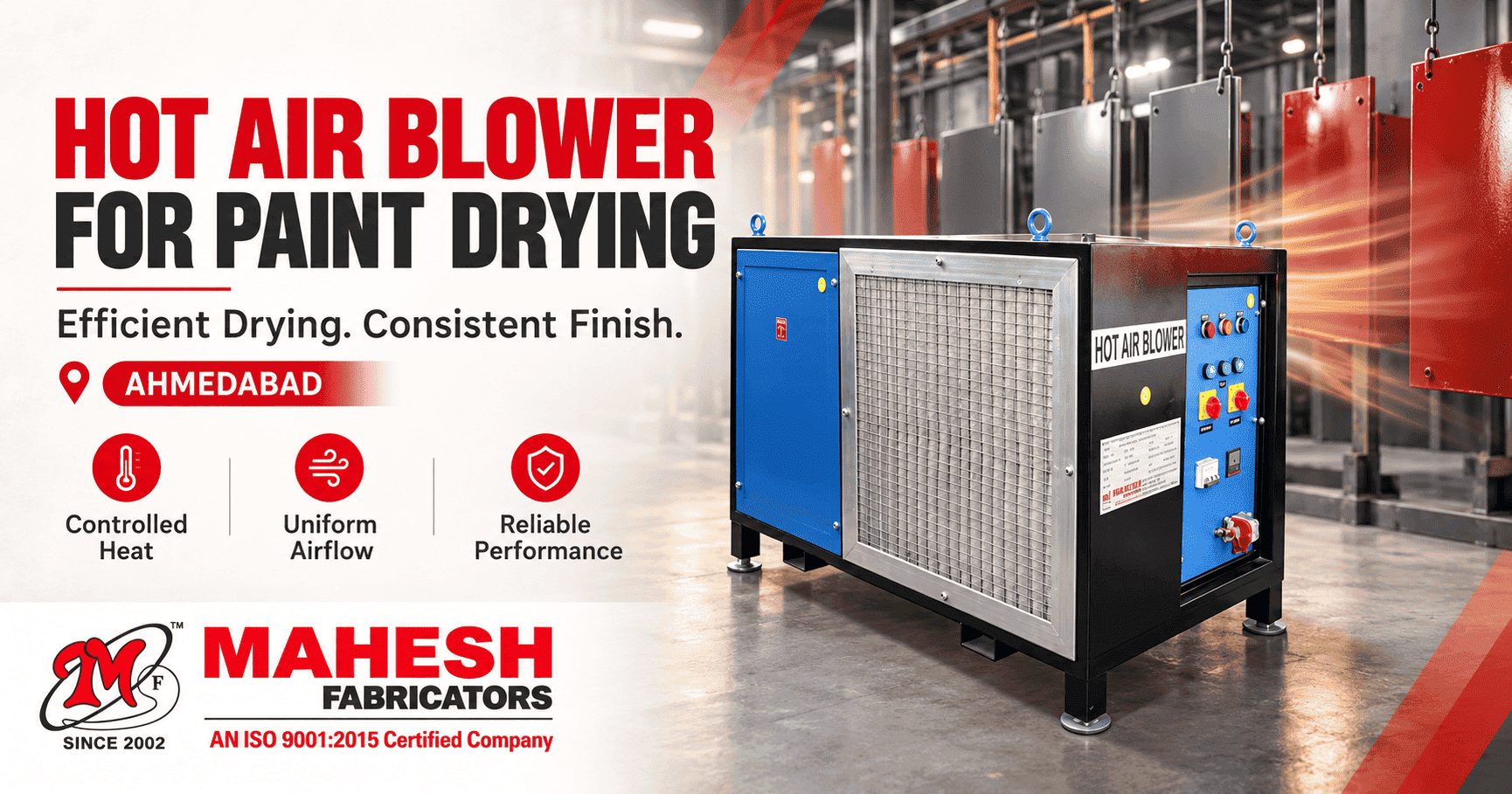
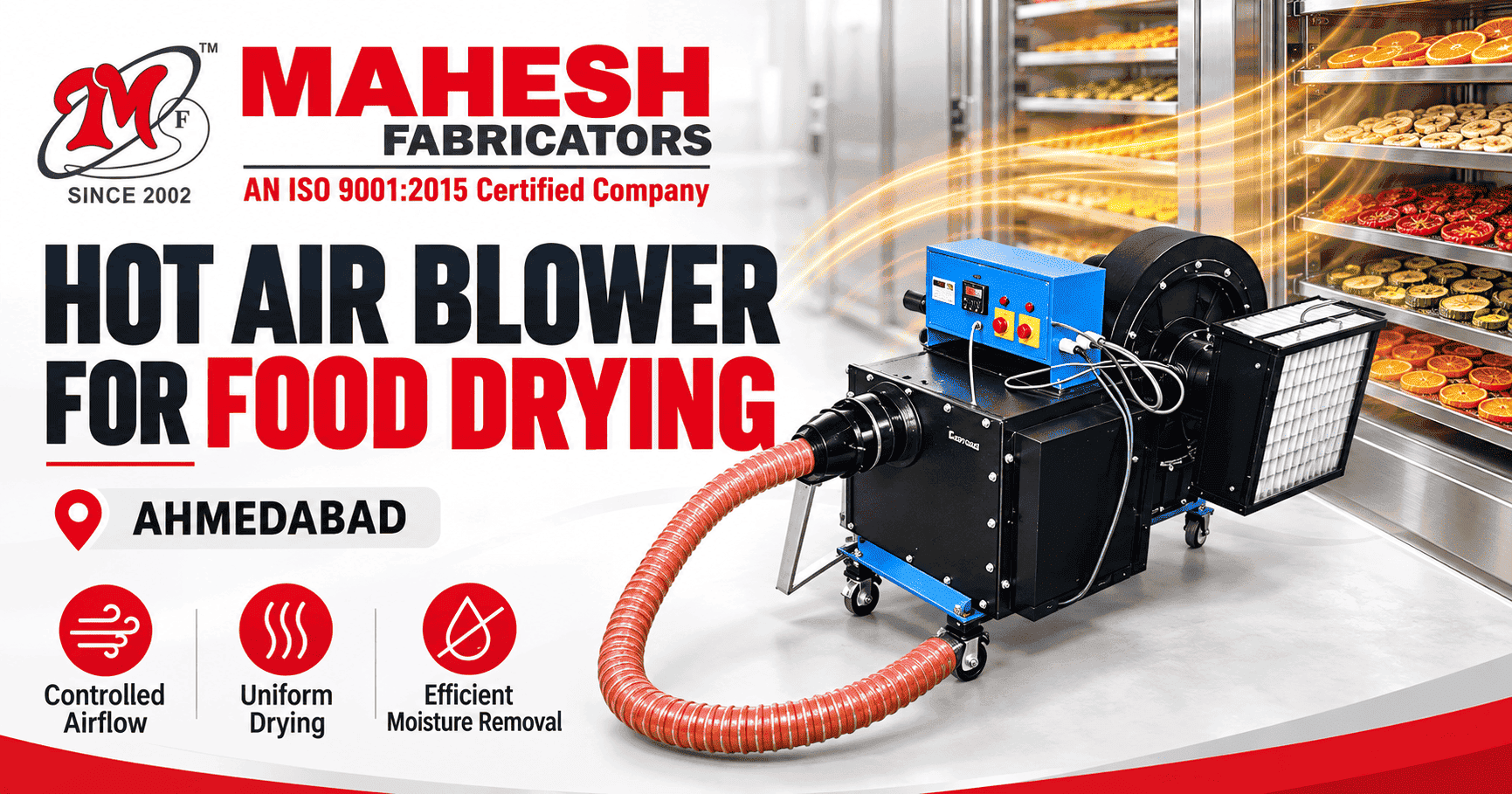
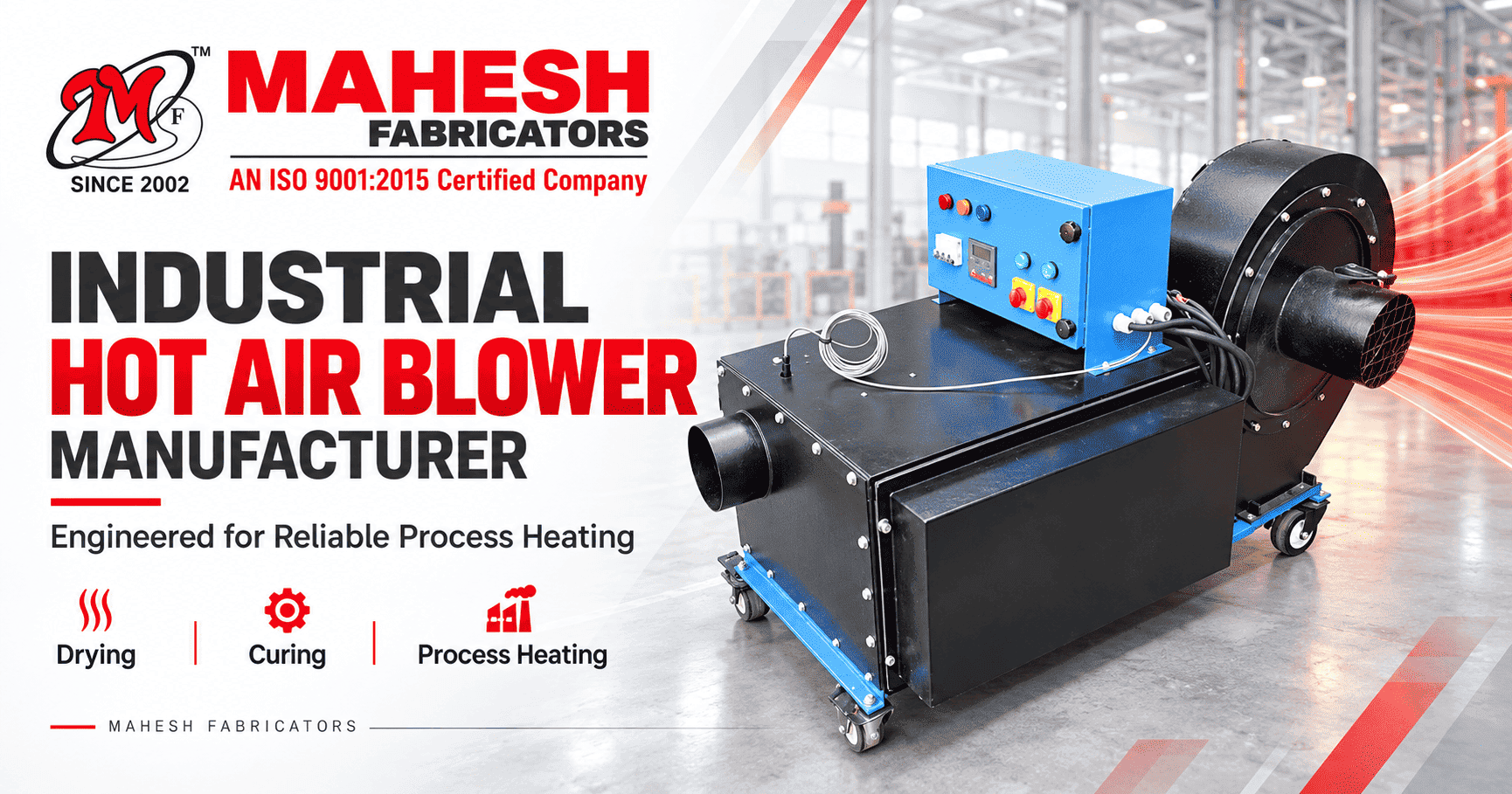
Mahesh Fabricators understands that a one-size-fits-all approach rarely works in manufacturing. The company specializes in manufacturing and supplying a diverse range of industrial fans, including robust axial flow fans and versatile centrifugal blowers, designed to meet the unique challenges of different industrial environments. Leveraging their expertise, they offer custom-designed fan solutions to precisely match specific ventilation, material handling, and dust collection requirements.
By focusing on the performance and efficiency needs of each client, Mahesh Fabricators ensures that the ventilation systems integrate seamlessly into existing plant operations, delivering optimal air movement and contributing to overall operational efficiency and a better working environment.
Frequently Asked Questions
How do energy-efficient fans reduce costs?
Energy-efficient fans use advanced designs and components like optimized blades and high-efficiency motors to move more air with less electricity. Features such as Variable Speed Drives (VSDs) allow for precise airflow control, preventing wasted energy when full capacity isn't needed.
What are the main types of industrial fans used in manufacturing?
Common types include axial flow fans, which move air parallel to the shaft, suitable for high volume, low pressure applications like general ventilation, and centrifugal blowers, which use an impeller to increase air pressure, ideal for ducted systems, dust collection, and material handling.
Can custom-designed fans offer better energy efficiency?
Yes, custom-designed fans can be engineered to perfectly match the specific airflow, pressure, and operational demands of a particular application. This precise tailoring often leads to higher efficiency compared to standard, off-the-shelf models.
What benefits beyond cost savings do these fans provide?
Beyond energy savings, these fans significantly improve workplace air quality by effectively removing heat, fumes, and contaminants. This leads to a safer, healthier, and more productive environment for employees, while also reducing the plant's overall carbon footprint.
Optimize Your Plant's Airflow and Efficiency
Ready to reduce energy costs and enhance your manufacturing environment? Mahesh Fabricators offers a comprehensive range of industrial fans and custom solutions to meet your specific needs. Contact us today to discuss your requirements and discover how our energy-efficient fans can benefit your plant.
Request a Consultation