Electronics manufacturing hot air blower
Expertly designed hot air blowers for electronics manufacturing in Ahmedabad. Enhance your processes with reliable, efficient solutions from Mahesh Fabricators.
Why This Matters in Ahmedabad
Ahmedabad is a significant industrial hub in Gujarat, with a growing presence in the electronics manufacturing sector. The city's dynamic economic environment fosters innovation and production across various industries, including electronics. As these manufacturing operations scale up, the need for specialized industrial equipment like high-performance hot air blowers becomes increasingly vital. Reliable thermal processing equipment is essential for maintaining the quality and integrity of sensitive electronic components, supporting the region's manufacturing growth and technological advancement.
What is an Electronics Manufacturing Hot Air Blower? — Overview
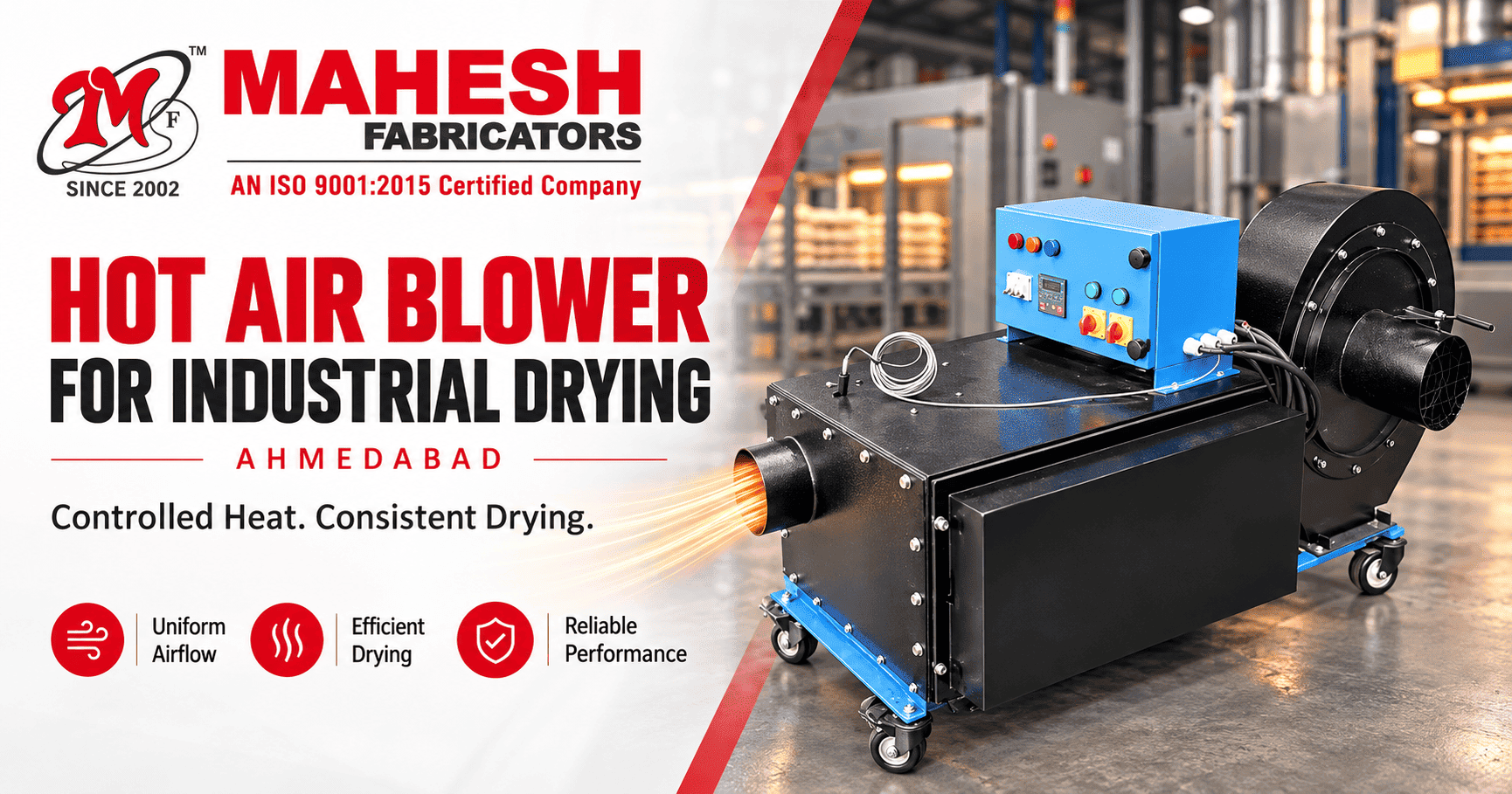
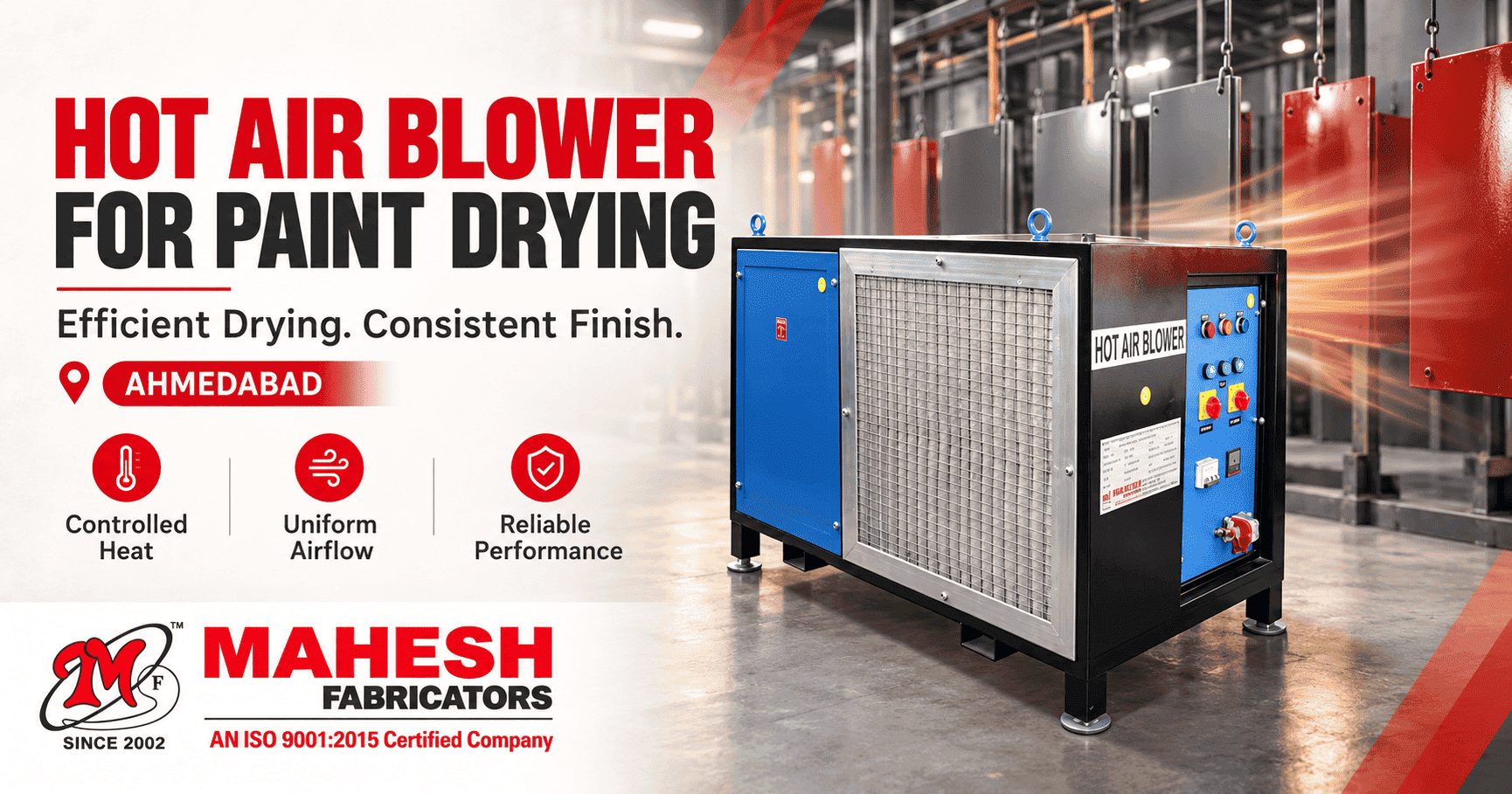
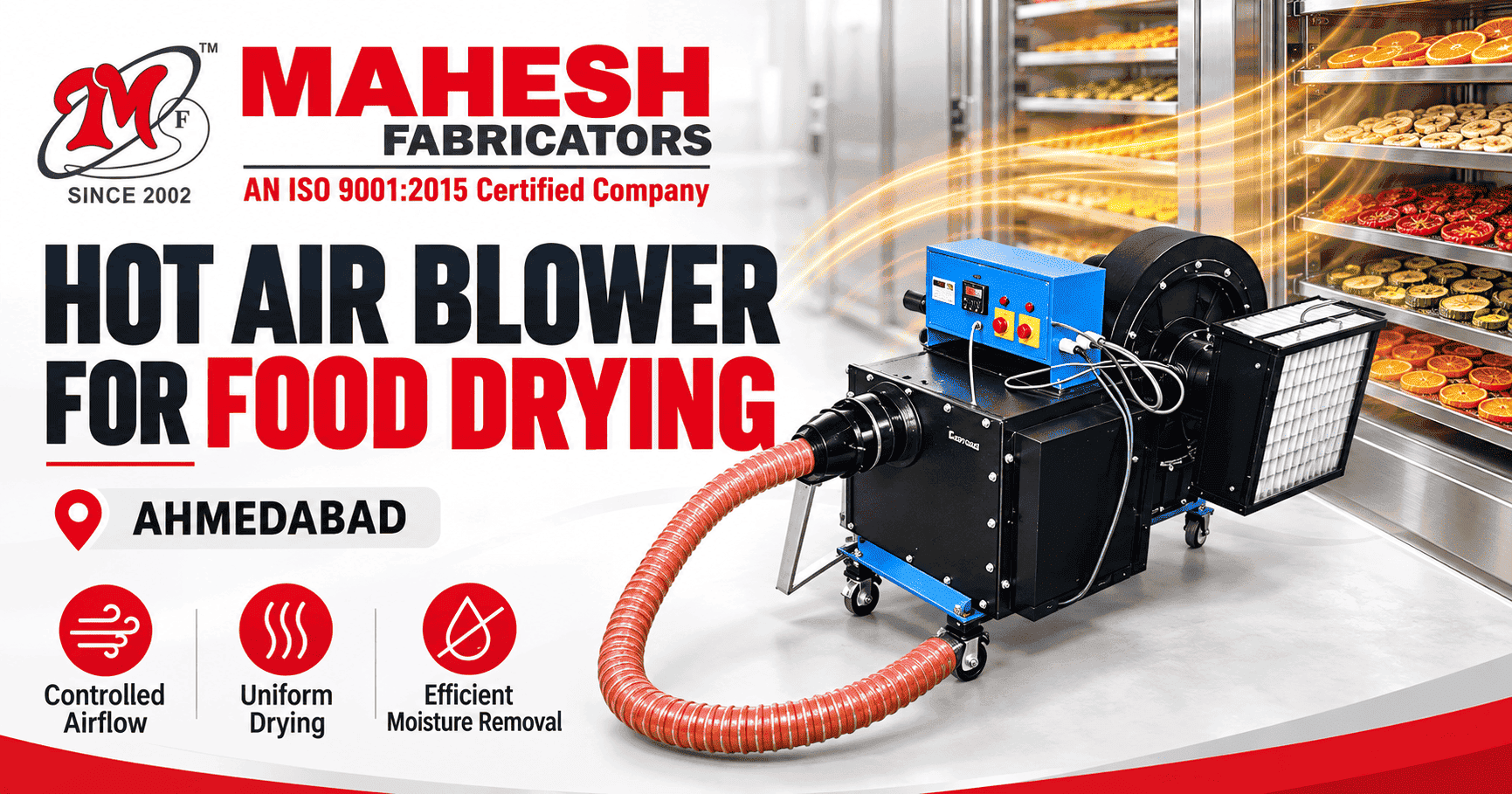
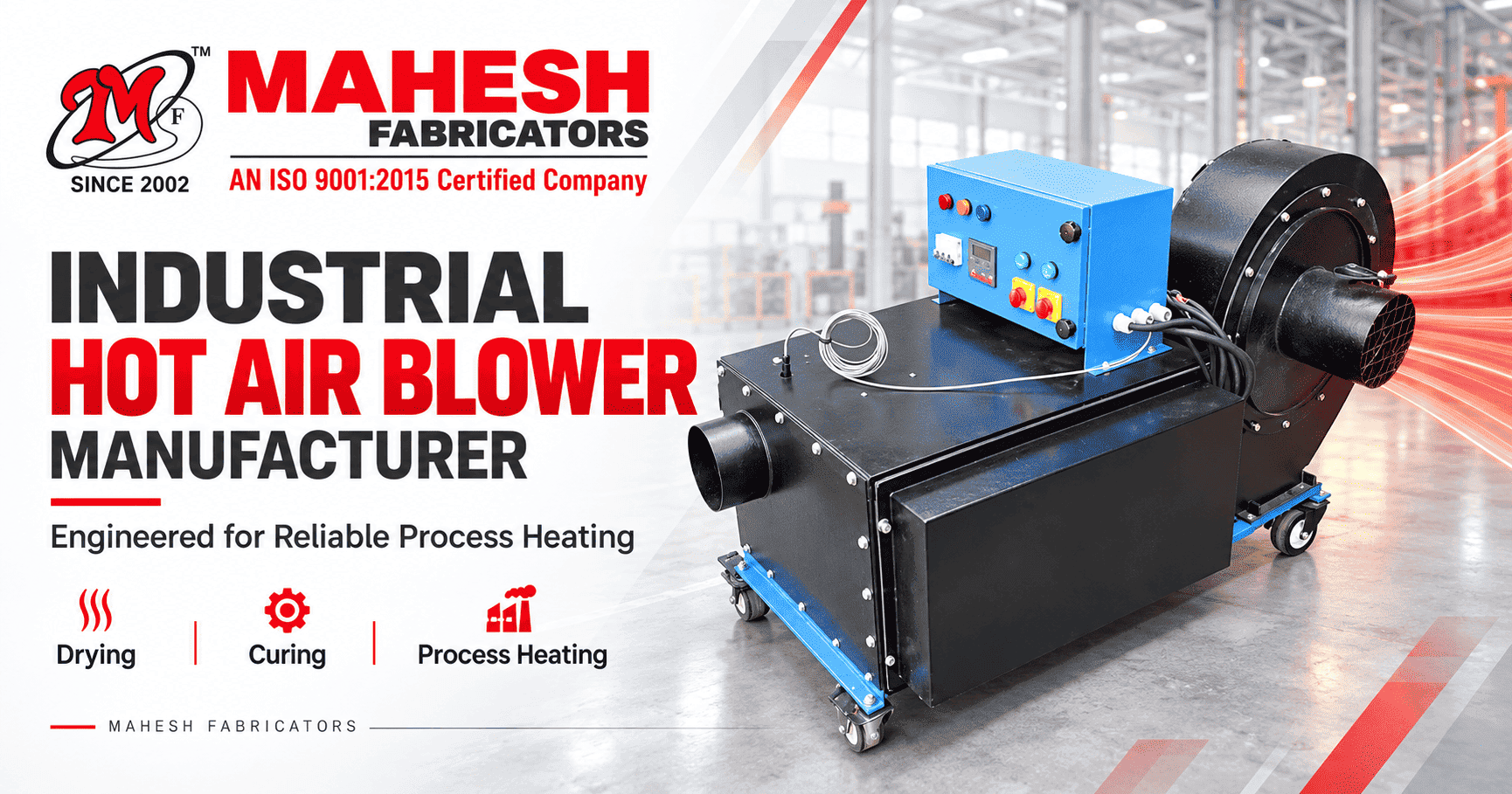
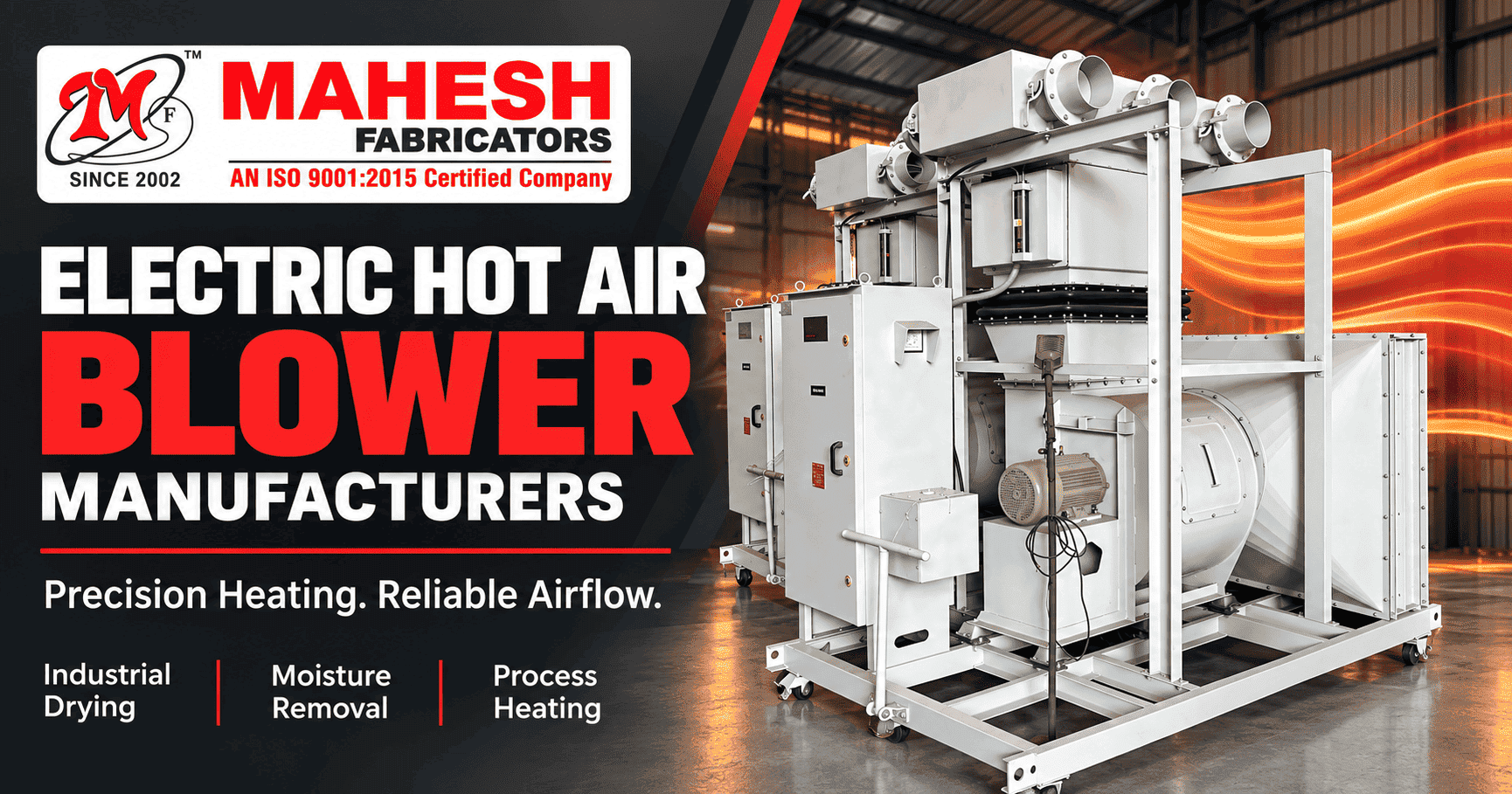
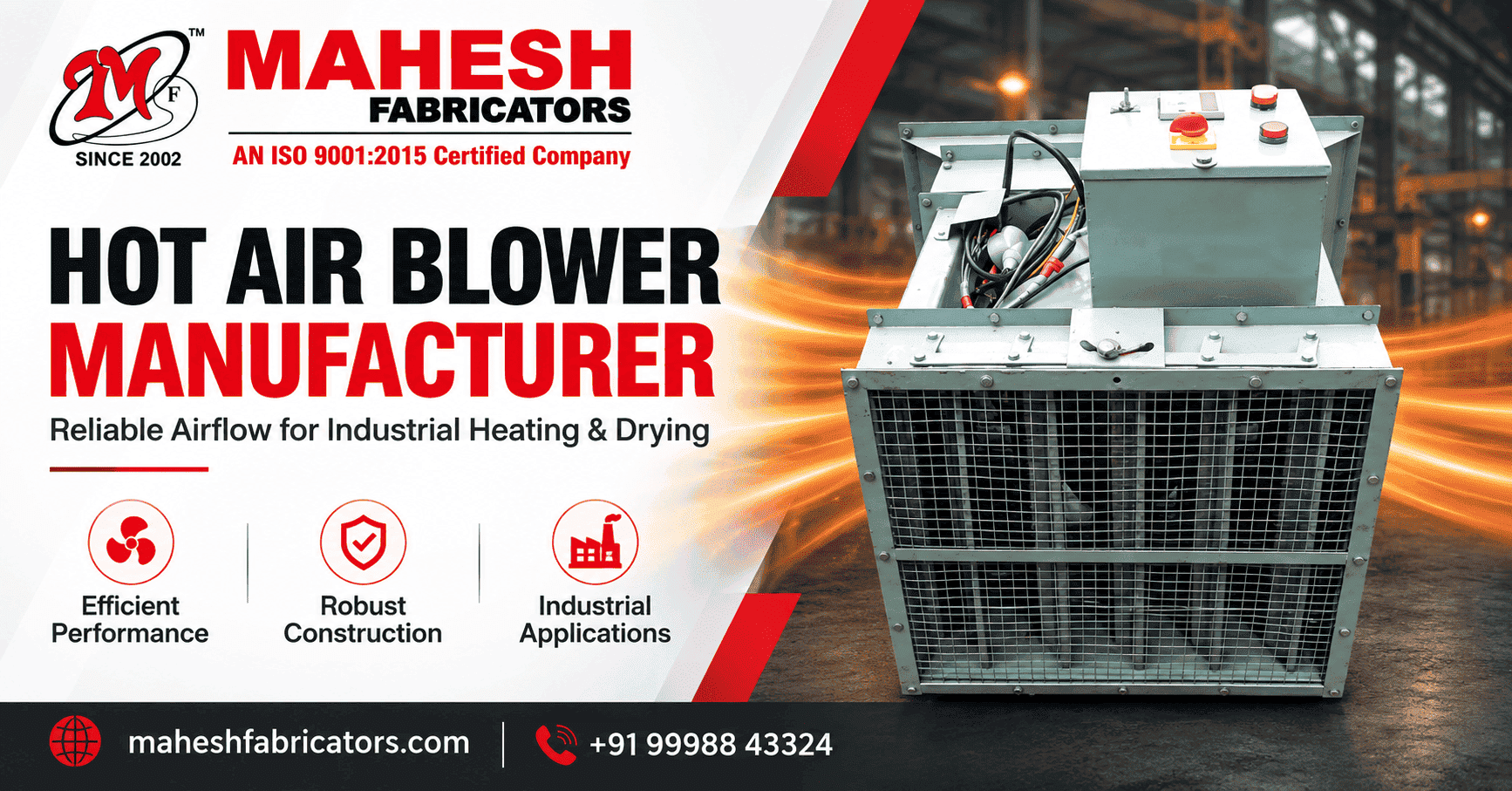
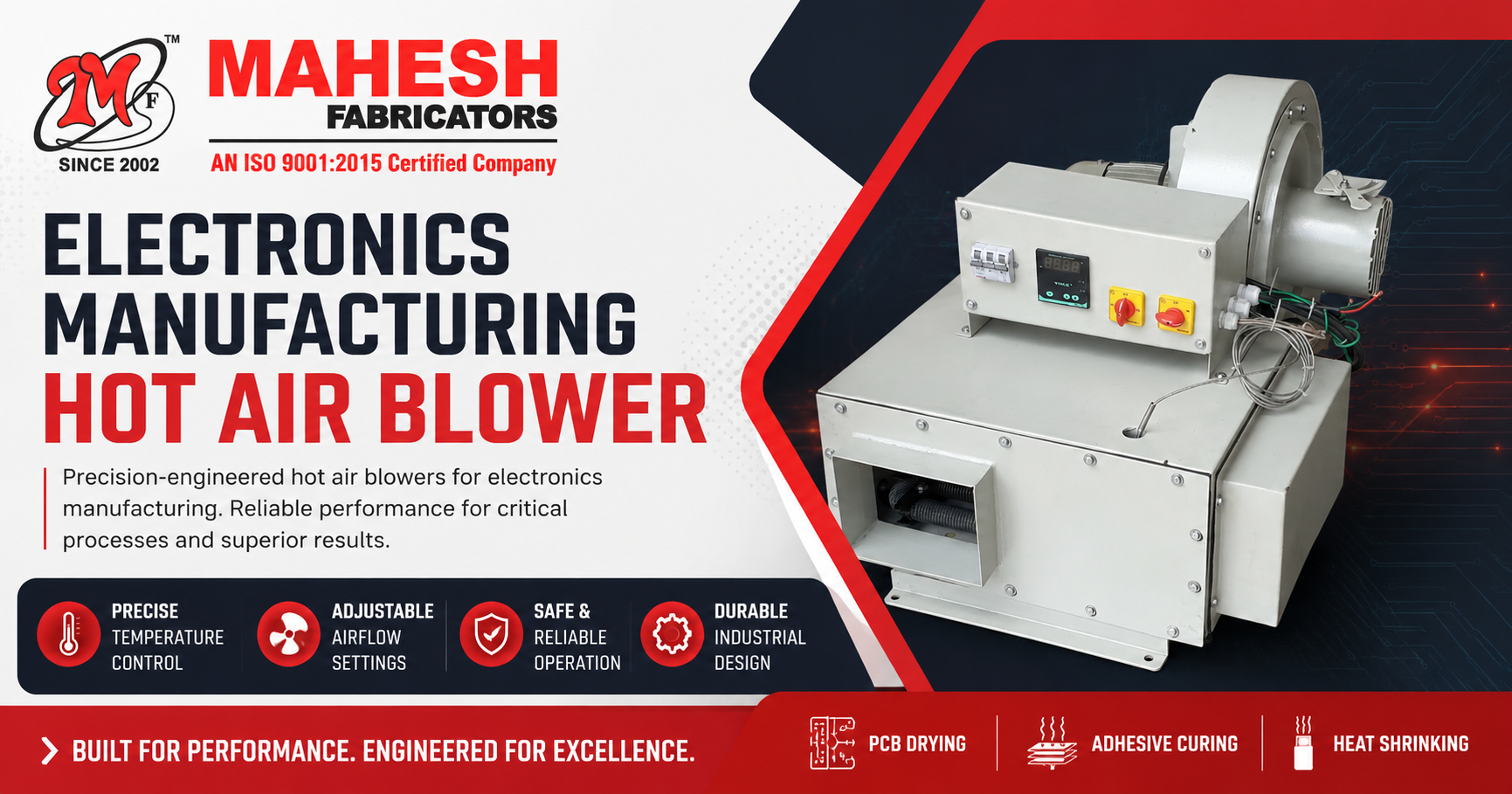
An electronics manufacturing hot air blower is a specialized industrial device designed to generate and deliver heated air at precise temperatures and controlled volumes. Unlike standard fans, these blowers incorporate heating elements (such as electric coils or gas burners) to raise the air temperature to specific setpoints required for various manufacturing processes. They are engineered to provide consistent, uniform airflow, crucial for applications like drying solder paste, curing adhesives, heat shrinking components, or ensuring cleanroom environments. The design focuses on delivering reliable thermal performance without compromising the integrity of delicate electronic parts.
Key Features and Technical Specifications
When evaluating hot air blowers for electronics manufacturing, several key features and specifications are paramount for optimal performance and reliability:
- Precise Temperature Control: Digital or analog controls allowing for accurate temperature settings within a narrow tolerance range (e.g., ±1°C).
- Variable Airflow Adjustment: Ability to adjust the volume of air delivered to suit different process requirements and component sensitivities.
- High-Quality Heating Elements: Durable, efficient heating elements (e.g., Nichrome wire, ceramic) designed for longevity and consistent heat output.
- Robust Construction: Industrial-grade materials (e.g., stainless steel, heavy-gauge mild steel) for durability in demanding manufacturing environments.
- Integrated Safety Features: Overheat protection, thermal cut-offs, and secure electrical connections to prevent hazards.
- Uniform Air Distribution: Impeller and housing design optimized for consistent, non-turbulent airflow across the target area.
- Compact and Ergonomic Design: Suitable for integration into existing production lines or workstations without consuming excessive space.
- Low Noise Operation: Engineered for minimal noise disruption in a typical manufacturing facility.
Industrial Applications and Use Cases
Hot air blowers are indispensable in numerous stages of electronics manufacturing, ensuring quality and efficiency:
- Component Drying: Rapidly and safely drying moisture from PCBs, components, or assembled devices after cleaning or flux removal.
- Adhesive Curing: Providing controlled heat to cure specialized adhesives, encapsulants, and potting compounds used in electronic assembly.
- Solder Paste Drying: Uniformly drying solder paste applied to PCBs before reflow soldering, preventing defects.
- Heat Shrinking: Applying localized heat to shrink tubing or insulation around wire connections and components.
- Conformal Coating Curing: Accelerating the curing process of conformal coatings applied to protect PCBs from environmental factors.
- Burn-in Testing: Providing elevated temperatures for component or system burn-in tests to identify early failures.
- Cleanroom Environmental Control: Maintaining specific temperature and humidity levels in sensitive cleanroom areas.
- Stencil Cleaning: Assisting in the drying of stencils after cleaning processes in SMT lines.
How to Choose the Right Electronics Manufacturing Hot Air Blower
Selecting the correct hot air blower is crucial for your specific electronics manufacturing needs. Consider these factors:
- Temperature Range and Stability: Verify the blower can achieve and maintain the exact temperature range required for your processes with minimal fluctuation.
Airflow Capacity (CFM/m³/hr): Ensure the airflow volume is sufficient for your application but not so high that it could damage sensitive components.
- Heating Power (kW): Match the heating capacity to the volume of air and the desired temperature rise for efficient operation.
- Power Requirements: Confirm compatibility with your facility's electrical supply (voltage, phase, frequency).
- Durability and Material Quality: Look for robust construction suitable for continuous industrial use.
- Safety Certifications: Check for compliance with relevant electrical and safety standards.
- Supplier Reputation and Support: Choose a manufacturer with a proven track record and reliable after-sales service.
- Customization Options: Determine if the blower can be modified to fit specific dimensional constraints or process needs.
Quality Standards and Compliance
For electronics manufacturing, adherence to stringent quality standards and compliance is non-negotiable. Manufacturers of hot air blowers should demonstrate a commitment to quality through recognized certifications. An ISO 9001-2015 certification, like that held by Mahesh Fabricators, signifies a robust quality management system that ensures consistency in design, manufacturing, and customer service. Buyers should look for equipment that meets relevant electrical safety standards (e.g., CE marking where applicable) and is built with materials that do not introduce contaminants into sensitive manufacturing environments. Verifying the manufacturer's quality control processes and their ability to provide documentation on material traceability and performance testing adds another layer of assurance.
Why Mahesh Fabricators' Experience and Capability Matters
With over 17 years of experience since its founding in 2002, Mahesh Fabricators has established a deep understanding of industrial air systems, including specialized hot air blowers for demanding applications like electronics manufacturing. As an ISO 9001-2015 certified company, their commitment to quality is embedded in their manufacturing processes. Their technical team possesses the expertise to design and fabricate blowers that meet precise operational requirements, ensuring consistent temperature control and reliable airflow critical for electronics production.
Mahesh Fabricators focuses on building robust, user-friendly equipment with reduced maintenance needs, directly addressing the operational efficiency goals of manufacturers. Their capability extends to understanding the diverse needs of industries served, allowing them to tailor solutions. This experience, combined with a dedication to superior performance and cost-effectiveness, makes them a trusted partner for businesses in Ahmedabad and beyond seeking dependable industrial air solutions.
Installation, Maintenance, and Care Tips
Proper installation, regular maintenance, and careful operation are key to maximizing the lifespan and performance of your electronics manufacturing hot air blower.
- Installation: Ensure the blower is installed on a stable, level surface, away from flammable materials. Verify all electrical connections are made by a qualified electrician according to local codes and the manufacturer's specifications. Ensure adequate ventilation around the unit to prevent overheating.
- Initial Startup: Before full operation, run the blower at a lower temperature setting to check for any unusual noises or vibrations. Confirm airflow is directed as intended.
- Regular Cleaning: Keep the air intake and outlet grilles clean and free from dust and debris. This is crucial for maintaining airflow efficiency and preventing motor strain.
- Filter Maintenance: If your blower is equipped with an air filter, inspect and clean or replace it regularly according to the manufacturer's recommendations. Clogged filters significantly reduce airflow and can lead to overheating.
- Heating Element Inspection: Periodically check the heating elements for any signs of damage or excessive wear.
- Motor Lubrication: Follow the manufacturer's guidelines for motor lubrication, if applicable. Many industrial motors are sealed for life, while others require periodic greasing.
- Electrical Checks: Have a qualified technician perform periodic checks on electrical components, wiring, and safety cut-offs to ensure continued safe operation.
- Storage: If the unit needs to be stored, ensure it is clean, dry, and protected from dust and moisture.
Frequently Asked Questions
A hot air blower in electronics manufacturing is used to provide controlled heated air for various processes. This includes drying components after cleaning, curing adhesives and coatings, shrinking insulation, and ensuring precise temperature conditions for sensitive assembly stages, all vital for product quality and reliability.
A standard industrial fan moves ambient air, whereas a hot air blower incorporates a heating element to raise the temperature of the air it delivers. This capability to provide precise, elevated temperatures is what makes it essential for specific manufacturing applications where thermal processing is required.
Yes, high-quality hot air blowers designed for electronics manufacturing feature precise temperature control systems, often digital, allowing operators to set and maintain specific temperatures within very narrow tolerances to avoid damaging sensitive electronic components.
Power requirements vary significantly based on the blower's size, airflow capacity, and heating power. They can range from standard single-phase power for smaller units to three-phase power for larger, higher-capacity industrial models, typically requiring dedicated circuits.
Airflow consistency is extremely important. Uniform and stable airflow ensures that heat is applied evenly across components or surfaces, preventing hot spots or uneven drying/curing, which can lead to manufacturing defects and product failure.
Routine maintenance usually involves cleaning air intake filters and grilles to ensure optimal airflow, checking heating elements for wear, and ensuring electrical connections are secure. Periodic professional inspection of the motor and safety features is also recommended.
Conclusion
For electronics manufacturers in Ahmedabad and the surrounding regions, selecting the right hot air blower is a critical decision that directly impacts production quality, efficiency, and product reliability. Understanding the specific thermal requirements of your processes, verifying precise temperature and airflow control, and ensuring robust, safe construction are key. Mahesh Fabricators, with their ISO 9001-2015 certification and extensive experience in industrial air systems, offers a reliable source for these specialized blowers. Their commitment to quality manufacturing and understanding of industrial applications ensures that you can find a solution that meets your demanding electronics manufacturing needs, supporting your operational excellence.
Get In Touch
Mahesh Fabricators