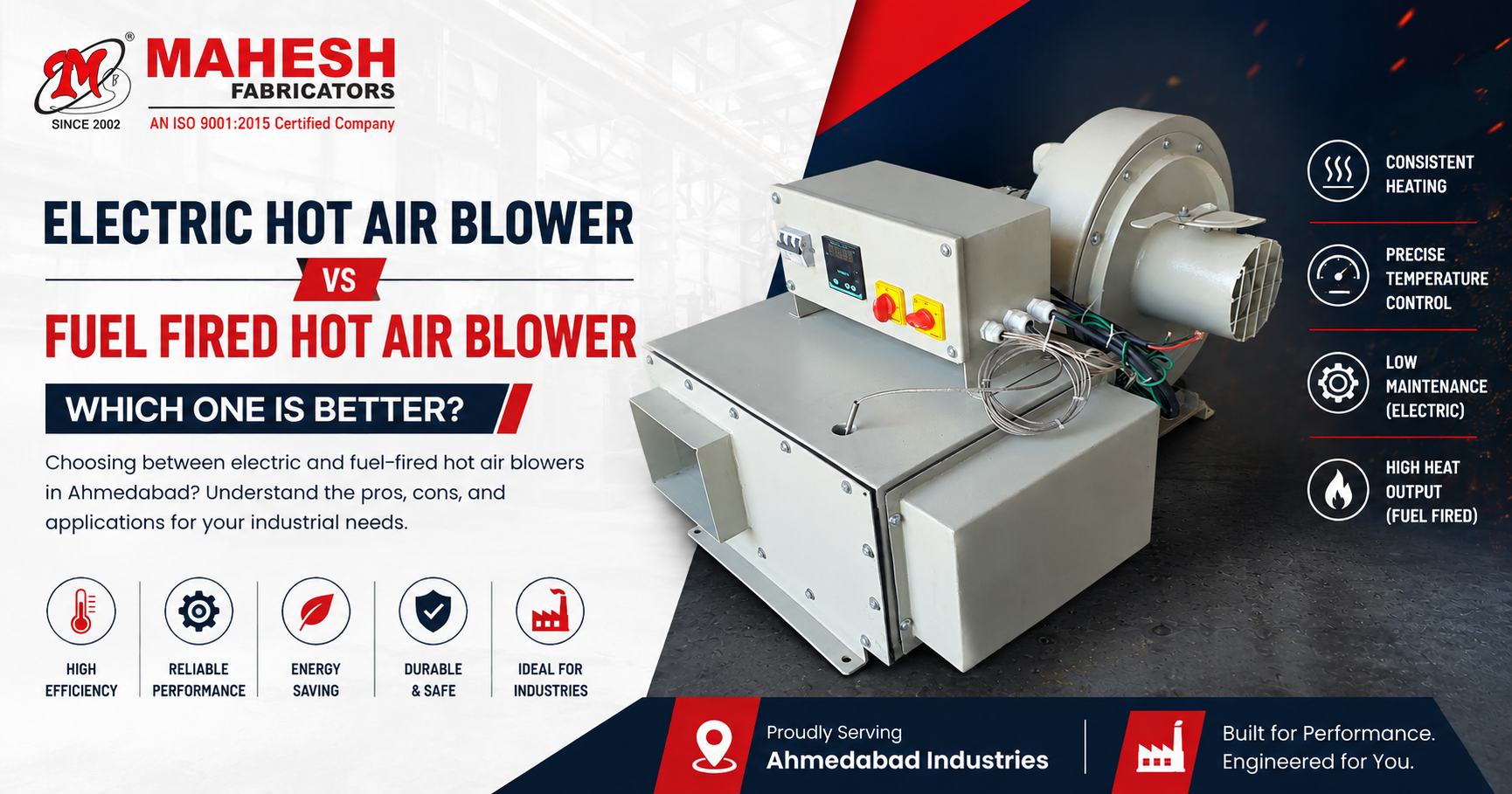
Electric Hot Air Blower vs Fuel Fired Hot Air Blower: Which One Is Better?
Choosing between electric and fuel-fired hot air blowers in Ahmedabad? Understand the pros, cons, and applications for your industrial needs.
Why This Matters in Ahmedabad
Ahmedabad, a bustling industrial hub in Gujarat, relies heavily on efficient manufacturing and processing. Industries like textiles, pharmaceuticals, chemicals, and ceramics are prominent, all of which often require controlled heating and drying. The city's dynamic economic activity means that operational efficiency and energy management are constant concerns for businesses. Choosing the correct hot air blower directly impacts production timelines, energy expenditure, and the quality of finished goods. Mahesh Fabricators, with its deep roots in Ahmedabad, understands these local industrial demands intimately.
What is a Hot Air Blower? — Overview
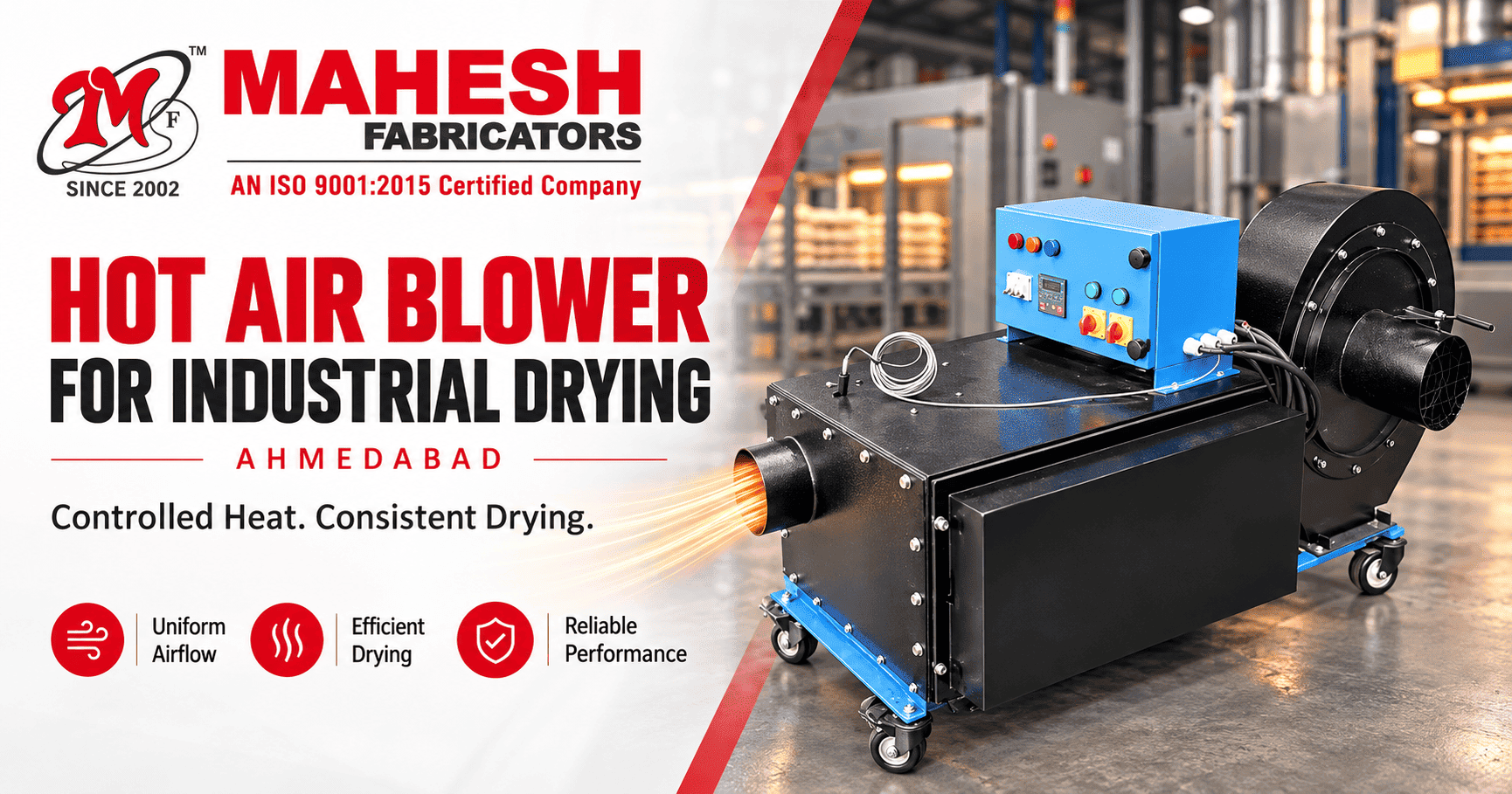
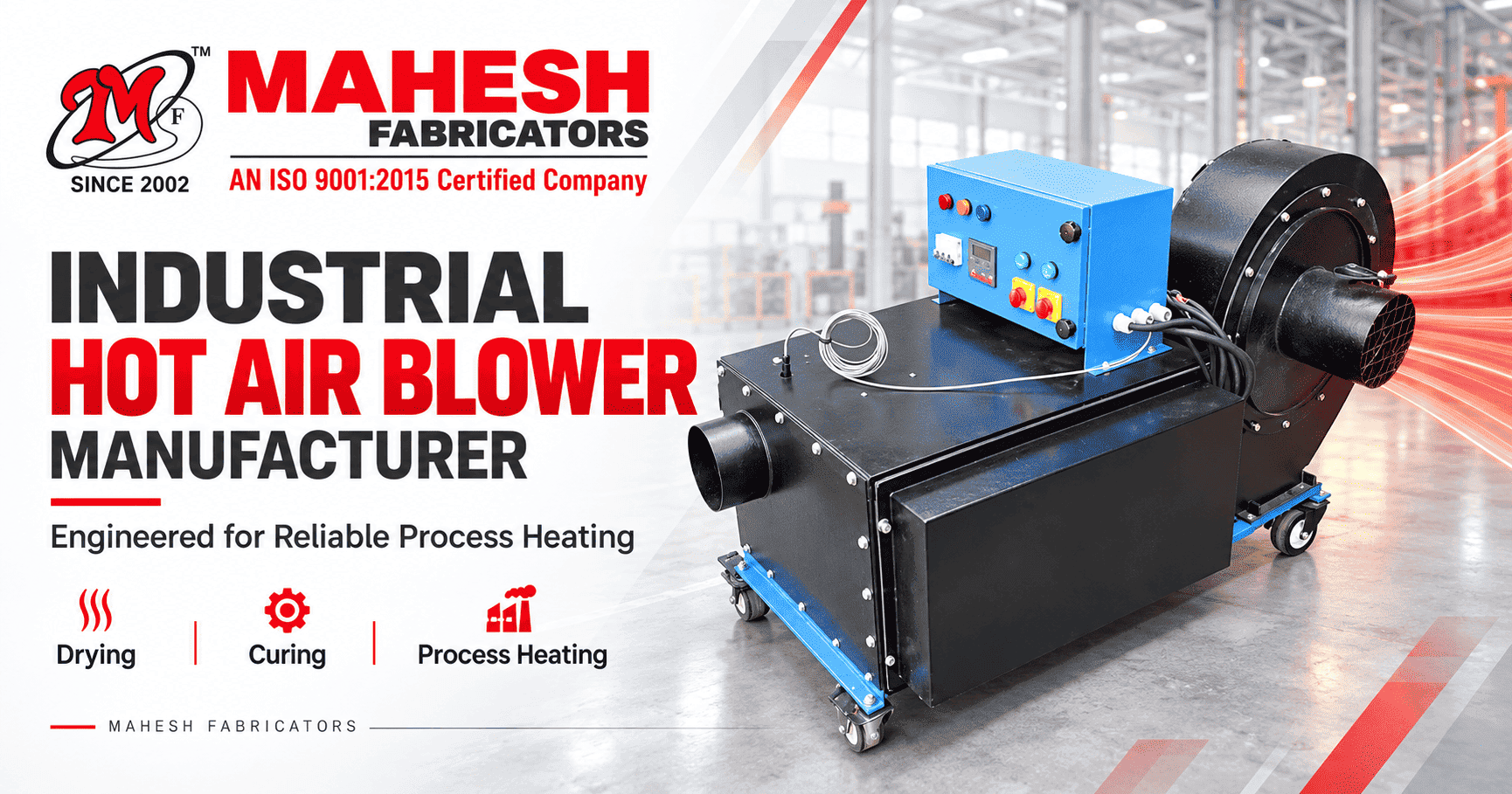
A hot air blower is an industrial device designed to heat and move air for various applications, including drying, curing, heating spaces, and material processing. It works by drawing in ambient air, passing it through a heating element or combustion chamber, and then propelling the heated air using a fan or blower mechanism. The temperature and volume of the air can be precisely controlled to meet specific process requirements. These systems are essential for ensuring consistent product quality and efficient operational cycles in many manufacturing settings.
Key Features and Technical Specifications
- Heating Mechanism: Electric blowers use resistive heating elements, while fuel-fired units employ direct or indirect combustion of fuels like natural gas, LPG, or diesel.
- Temperature Control: Both types offer adjustable temperature settings, but fuel-fired units may have a wider range and faster response times for extreme temperatures.
- Airflow Capacity: Available in a wide range of CFM (Cubic Feet per Minute) and static pressure ratings to suit different ducting and process needs.
- Power Source: Electric models require a stable electrical supply, whereas fuel-fired units need a fuel source and ignition system.
- Efficiency: Electric blowers are generally more efficient in converting electrical energy to heat, but fuel costs can be a significant factor. Fuel-fired units can be highly efficient if properly maintained and fueled.
- Emissions: Electric blowers produce no direct emissions at the point of use, making them environmentally cleaner. Fuel-fired units produce combustion byproducts that require venting.
- Installation Complexity: Electric units are typically simpler to install, requiring only electrical connections. Fuel-fired units require fuel lines, exhaust systems, and sometimes more complex safety interlocks.
- Maintenance: Electric blowers generally have lower maintenance requirements, mainly focused on fan components. Fuel-fired units require regular cleaning of burners, heat exchangers, and exhaust systems.
Industrial Applications and Use Cases
- Textile Drying: Rapidly drying fabrics after dyeing or finishing processes.
- Pharmaceutical Drying: Efficiently drying powders, granules, and finished products in a controlled environment.
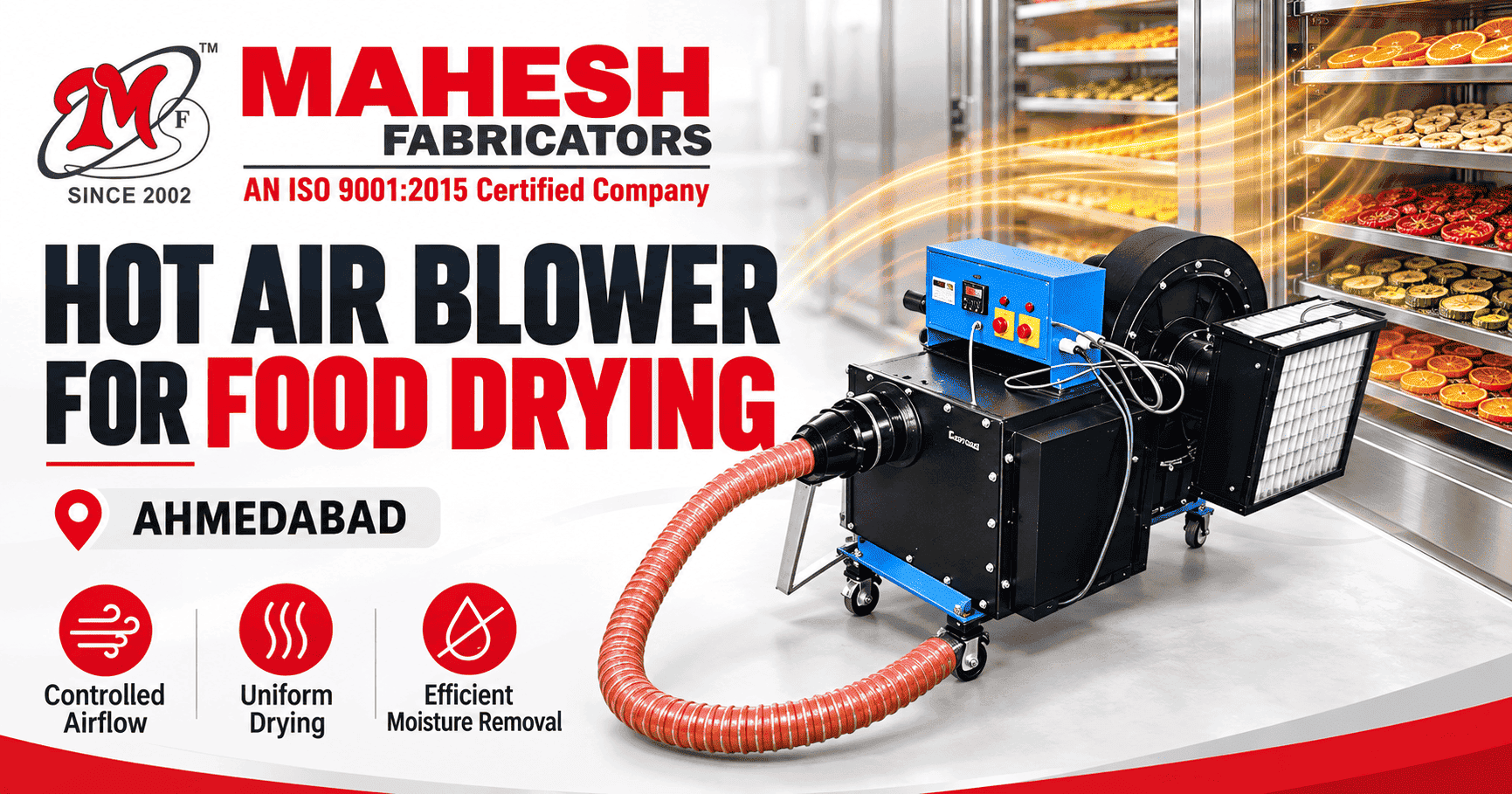
- Food Processing: Dehydrating fruits, vegetables, and grains, or pasteurizing products.
- Woodworking and Furniture: Drying lumber to prevent warping and cracking, or curing finishes.
- Chemical Processing: Heating reactors, drying chemical compounds, or facilitating specific reactions.
- Ceramics and Pottery: Firing kilns or drying greenware before glazing.
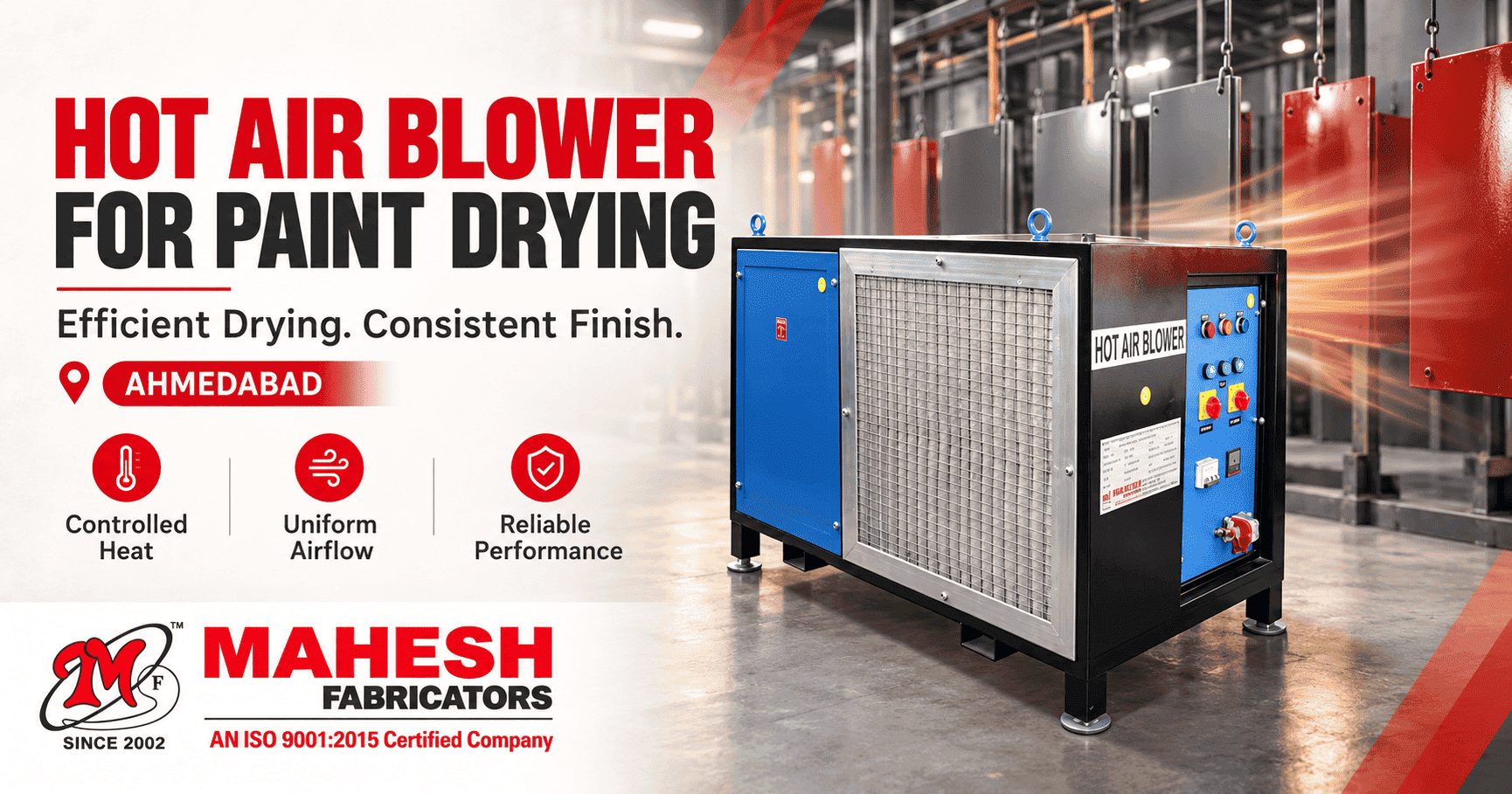
- Paint and Coating Curing: Accelerating the curing process for paints and coatings on various substrates.
- Industrial Cleaning: Providing heated air for cleaning and sanitizing equipment.
How to Choose the Right Hot Air Blower
Selecting the appropriate hot air blower involves a careful assessment of your specific industrial requirements. Consider the following factors to make an informed decision:
- Process Temperature Requirements: Determine the exact temperature range needed for your application. Some processes demand very high temperatures that might be more easily achieved with fuel-fired systems.
- Energy Availability and Cost: Evaluate the cost and reliability of electricity versus available fuels (LPG, natural gas, diesel) in your Ahmedabad location. Fluctuating energy prices can significantly impact operational costs.
- Airflow and Volume Needs: Calculate the required airflow (CFM) and pressure to ensure adequate coverage and circulation for your process.
- Space and Installation Constraints: Assess the available space for the unit, ducting, and any necessary exhaust or fuel storage.
- Environmental Regulations and Emissions: Consider local environmental standards regarding air emissions. Electric blowers offer a cleaner alternative if emissions are a concern.
- Maintenance Capacity and Budget: Factor in the ongoing maintenance requirements and associated costs for both electric and fuel-fired systems.
- Safety Considerations: Both types have safety protocols, but fuel-fired systems involve combustion risks that require robust safety features and regular checks.
- Supplier Expertise and Support: Choose a manufacturer with a proven track record and strong after-sales support for installation, maintenance, and troubleshooting.
Quality Standards and Compliance
For any industrial equipment, adherence to quality standards and compliance with relevant regulations is non-negotiable. In India, manufacturers often follow standards set by the Bureau of Indian Standards (BIS) or international certifications like ISO. For hot air blowers, particularly those used in sensitive industries like pharmaceuticals or food processing, compliance with specific industry standards for hygiene, material safety, and operational integrity is crucial. Mahesh Fabricators, as an ISO 9001-2015 certified company, demonstrates a commitment to quality management systems, ensuring that their products are manufactured under controlled conditions and meet defined specifications. Buyers should always verify that the equipment meets any specific certifications required for their industry and application.
Why Mahesh Fabricators' Experience and Capability Matters
With over 17 years of experience in manufacturing industrial air systems, Mahesh Fabricators brings a wealth of practical knowledge to the table. Founded in 2002, the company has consistently focused on delivering robust and efficient solutions tailored to the Indian industrial environment. Their ISO 9001-2015 certification underscores a commitment to quality control throughout the manufacturing process, from design to final assembly. This dedication ensures that each hot air blower, whether electric or fuel-fired, is built for reliability and performance.
The team at Mahesh Fabricators possesses deep technical expertise in airflow dynamics and thermal engineering, enabling them to design systems that precisely match customer requirements. Their capability extends to offering customized solutions, recognizing that off-the-shelf products may not always be suitable for unique industrial challenges. Furthermore, their established presence in Ahmedabad means they understand the local market's specific needs and can provide responsive after-sales support, including installation guidance and maintenance assistance. This holistic approach, combining manufacturing excellence with customer-centric service, builds trust and ensures long-term operational satisfaction.
Installation, Maintenance, and Care Tips
Proper installation and regular maintenance are vital for the longevity and optimal performance of any hot air blower.
Installation
Ensure the unit is installed on a stable, level surface, away from flammable materials.
Verify that all electrical connections are made by a qualified electrician, adhering to local codes.
For fuel-fired units, ensure proper ventilation and exhaust systems are installed to safely expel combustion gases. Fuel lines should be leak-tested.
Ducting should be correctly sized and sealed to prevent air leaks and ensure efficient airflow.
Maintenance
- Regular Cleaning: Keep the air intake filters clean to prevent dust buildup, which can restrict airflow and reduce efficiency. For fuel-fired units, regularly clean the burner assembly and heat exchanger.
- Component Checks: Periodically inspect fan blades for damage or imbalance, and check motor bearings for lubrication and wear.
- Electrical System (Electric Blowers): Inspect wiring for any signs of damage or loose connections.
- Fuel System (Fuel-Fired Blowers): Check for fuel leaks, ensure ignition systems are functioning correctly, and monitor combustion for efficiency.
- Thermostat Calibration: Ensure temperature controls are accurate and calibrated as per manufacturer recommendations.
- Professional Servicing: Schedule annual or bi-annual servicing with a qualified technician to perform in-depth checks and address any potential issues before they become major problems.
Following these guidelines will help ensure your hot air blower operates safely, efficiently, and reliably for years to come.
Frequently Asked Questions
Electric hot air blowers are generally more efficient in converting energy to heat, as there are minimal energy losses. However, the overall cost-effectiveness depends heavily on the prevailing electricity rates versus fuel prices in Ahmedabad.
Yes, but only if they are equipped with a proper indirect heating system and a robust, properly installed exhaust system to vent all combustion byproducts safely outside the building. Direct-fired units are generally not suitable for indoor use where air quality is critical.
With proper installation, regular maintenance, and quality manufacturing, both electric and fuel-fired industrial hot air blowers can last between 10 to 20 years or even longer. The lifespan is influenced by operating hours, environmental conditions, and the quality of components used.
Sizing depends on factors like the required temperature rise, airflow volume (CFM), the size of the space or material to be heated, and the efficiency of your ducting system. Mahesh Fabricators can assist in calculating these parameters based on your specific process needs.
Electric hot air blowers produce no direct emissions at the point of use, making them a cleaner option from an environmental perspective. Fuel-fired units produce combustion gases, which, while manageable with proper venting, contribute to local air quality considerations.
Maintenance for electric units primarily involves cleaning or replacing air filters, checking fan belts and bearings, inspecting electrical connections, and ensuring the heating elements are functioning correctly. They generally require less complex maintenance than fuel-fired systems.
Conclusion
The choice between an electric and a fuel-fired hot air blower hinges on a thorough evaluation of your industrial process, energy resources, and operational priorities in Ahmedabad. Electric blowers offer cleaner operation and simpler maintenance, making them ideal for applications where precise temperature control and minimal emissions are key. Fuel-fired blowers, on the other hand, can be advantageous for very high-temperature requirements or where fuel is more cost-effective than electricity, provided that emissions and combustion safety are managed effectively. Mahesh Fabricators, with its extensive experience and commitment to quality, provides reliable industrial air systems and expert guidance to help you select the most suitable solution for your specific needs, ensuring efficient and effective operation for your business.
Get In Touch
Mahesh Fabricators