Dust Collection System
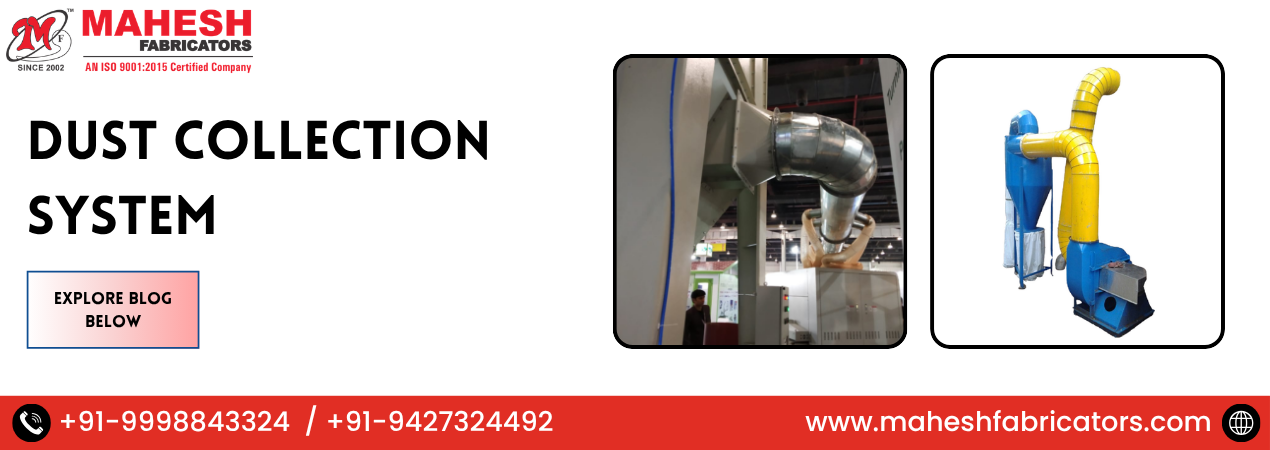
Industrial environments generate dust, fine particles, and airborne contaminants during routine operations. These particles can affect worker health, machinery performance, and overall workplace safety. A dust collection system is designed to capture, filter, and remove these contaminants, ensuring cleaner air and a safer working environment. It plays a critical role in maintaining safety compliance while supporting efficiency across various industries.
A properly designed dust collection system works by extracting contaminated air, separating dust particles through filtration, and releasing purified air back into the workspace or environment. This process helps prevent the buildup of hazardous particles and supports long-term sustainability in industrial operations.
Understanding the Working Principle of a Dust Collection System
A dust collection system operates through a structured mechanism involving air movement, filtration, and dust separation. The process begins by drawing contaminated air through a blower or fan. This air is then passed through a series of filters where dust particles are captured and separated.
The cleaned air is either recirculated into the workspace or safely discharged, depending on the system design. The collected dust is stored in a receptacle or hopper, where it can be disposed of or reused based on the application. This continuous process ensures effective control of airborne contaminants without disrupting production.
Key Components of a Dust Collection System
Every dust collection system consists of essential components that work together to ensure reliable performance. These components are designed to handle varying dust loads and industrial conditions.
Blower or fan responsible for air movement
Dust filters that capture fine and coarse particles
Filter cleaning system to maintain efficiency
Dust collection hopper or receptacle
Ducting system for air transport
Control system for monitoring and operation
Each component performs a specific function, ensuring the system operates smoothly even under demanding industrial conditions.
Benefits of Installing a Dust Collection System
A well-designed dust collection system offers several advantages beyond air purification. It contributes to improved efficiency, safety, and operational consistency.
Improved air quality for workers and equipment
Reduced health risks from airborne particles
Enhanced machine performance with lower maintenance needs
Compliance with environmental and safety regulations
Controlled dust handling and disposal
Increased productivity due to cleaner working conditions
These benefits highlight the importance of integrating an efficient dust collection system into industrial processes.
Importance of Dust Collection in Industrial Environments
Dust collection is not only about maintaining cleanliness; it directly impacts operational safety, equipment lifespan, and regulatory compliance. Industries involved in cutting, grinding, material handling, or chemical processing generate airborne particles that must be effectively controlled.
Without a proper dust collection system, these particles can accumulate in the air and on surfaces, leading to risks such as respiratory issues, fire hazards, and equipment damage. Efficient dust collection helps maintain a controlled environment where production can continue without interruptions caused by contamination or safety concerns.
How to Choose the Right Dust Collection System
Selecting the right dust collection system requires careful evaluation of several factors. The system should align with the type of dust generated, airflow requirements, and workspace conditions.
Nature and size of dust particles
Volume of air to be filtered
Type of industrial process
Available installation space
Maintenance and cleaning requirements
Compliance with safety standards
A well-planned selection process ensures consistent performance and long-term reliability.
Future Trends in Dust Collection Technology
Advancements in technology are continuously enhancing the efficiency and capabilities of dust collection systems. Modern systems incorporate automated controls, energy-efficient components, and advanced filtration methods.
Smart monitoring enables real-time performance tracking, allowing proactive maintenance and system optimization. Energy-efficient designs help reduce operational costs while maintaining high filtration performance. These developments are shaping more reliable and sustainable dust collection solutions.
Conclusion
A dust collection system is an essential part of modern industrial operations, ensuring cleaner air, improved safety, and consistent production performance. By effectively managing airborne particles, it supports both operational efficiency and environmental responsibility. Proper system selection, regular maintenance, and ongoing technological advancements continue to strengthen its role in industrial air quality management.
Industries that prioritize efficient dust control benefit from improved workplace conditions and reduced health risks. Advanced systems also contribute to better compliance with environmental and safety regulations.
Investing in reliable dust collection technology ensures long-term operational stability and minimizes unexpected downtime. It also enhances the overall productivity of industrial processes.