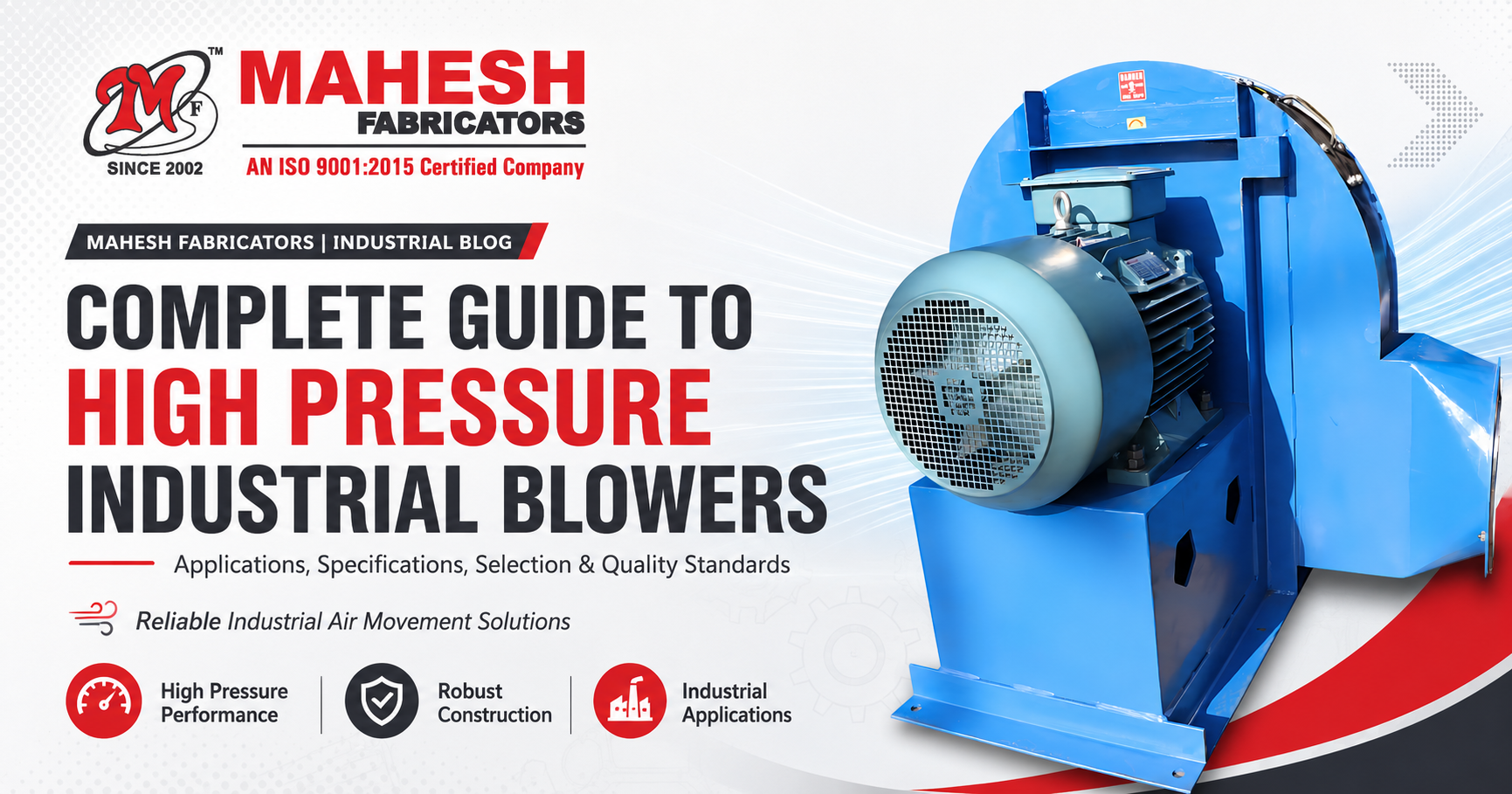
Complete Guide to High Pressure Industrial Blowers
Expert guide to high pressure industrial blowers in Ahmedabad. Learn about applications, selection, and quality from Mahesh Fabricators.
What are High Pressure Industrial Blowers? — Overview
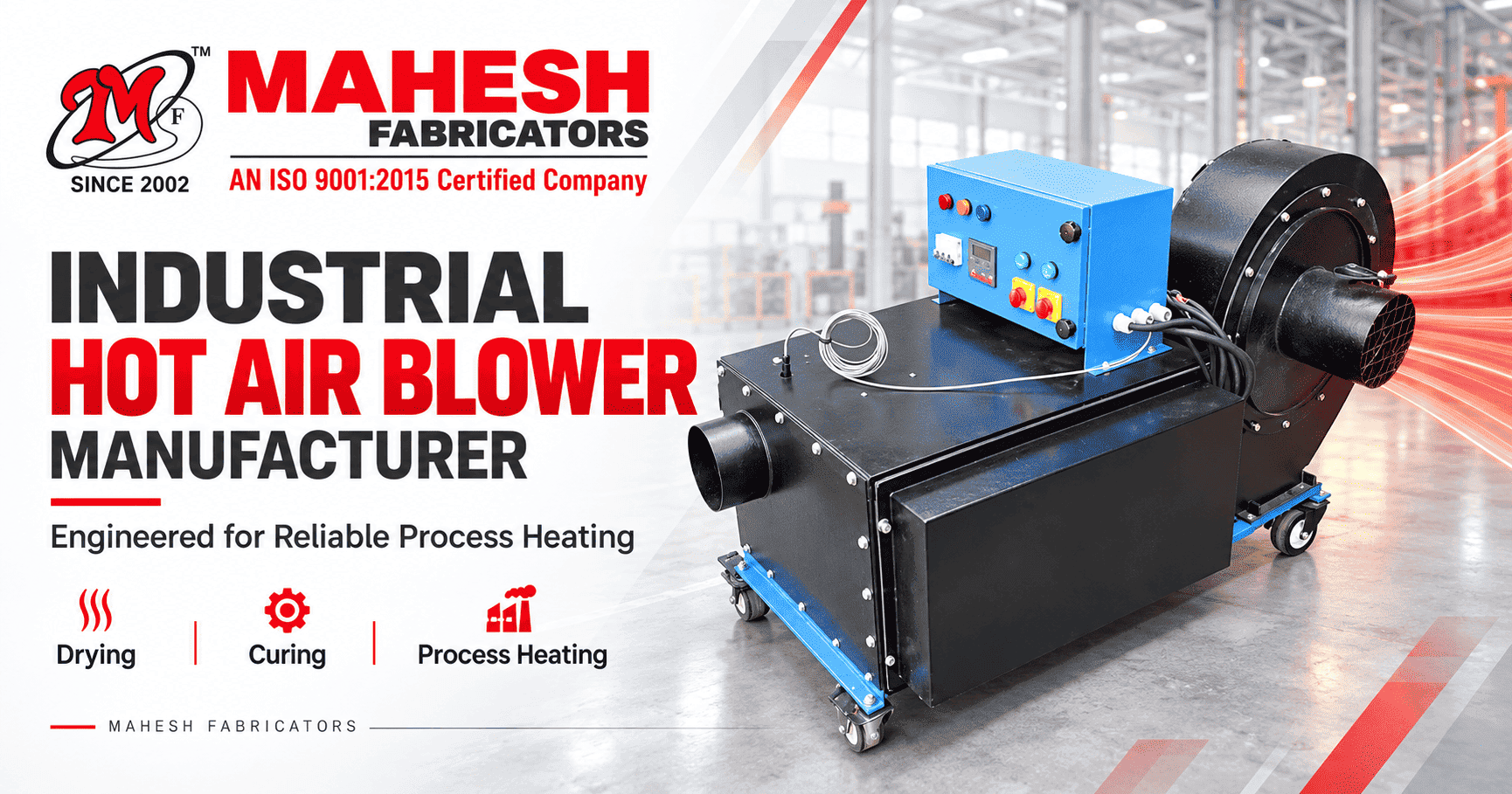
High pressure industrial blowers are specialized fans designed to generate a substantial static pressure, enabling them to move air against significant resistance. Unlike low-pressure fans, which are suited for general ventilation, these units are engineered to overcome obstacles like ductwork, filters, material beds, or high-temperature gases. They typically feature robust construction, powerful motors, and impeller designs optimized for high-pressure, lower-volume airflow. Their primary function is to force or draw air through a system, making them indispensable for applications requiring concentrated air delivery or efficient exhaust.
Key Features and Technical Specifications
When evaluating high pressure industrial blowers, several technical aspects are crucial for ensuring optimal performance and longevity:
- Robust Casing Construction: Typically fabricated from heavy-gauge steel or stainless steel for durability and resistance to harsh environments.
- High-Efficiency Impeller Design: Aerodynamically optimized impellers (e.g., backward-inclined, radial blade) designed for maximum pressure generation with minimal energy consumption.
- Heavy-Duty Bearings: Industrial-grade bearings that can withstand continuous operation and high radial/axial loads.
- Direct or Belt Drive Options: Offering flexibility in motor selection and speed control based on application requirements.
- Motor Specifications: Sized appropriately for the required airflow and pressure, often with options for explosion-proof or high-temperature motors.
- Material of Construction: Selection of materials (e.g., carbon steel, stainless steel, special alloys) based on the nature of the air being handled (corrosive, abrasive, high-temperature).
- Sealing Arrangements: Effective seals to prevent leakage and protect bearings from contaminants.
- Mounting Configurations: Available in various configurations (e.g., foot-mounted, flanged) to suit installation needs.
Industrial Applications and Use Cases
The versatility of high pressure industrial blowers makes them essential across a wide spectrum of industries:
- Material Handling: Pneumatic conveying of powders, granules, and bulk materials in industries like cement, plastics, and food processing.
- Combustion Air Supply: Providing forced air to furnaces, boilers, and kilns to ensure efficient fuel burning in metal processing, ceramics, and power generation.
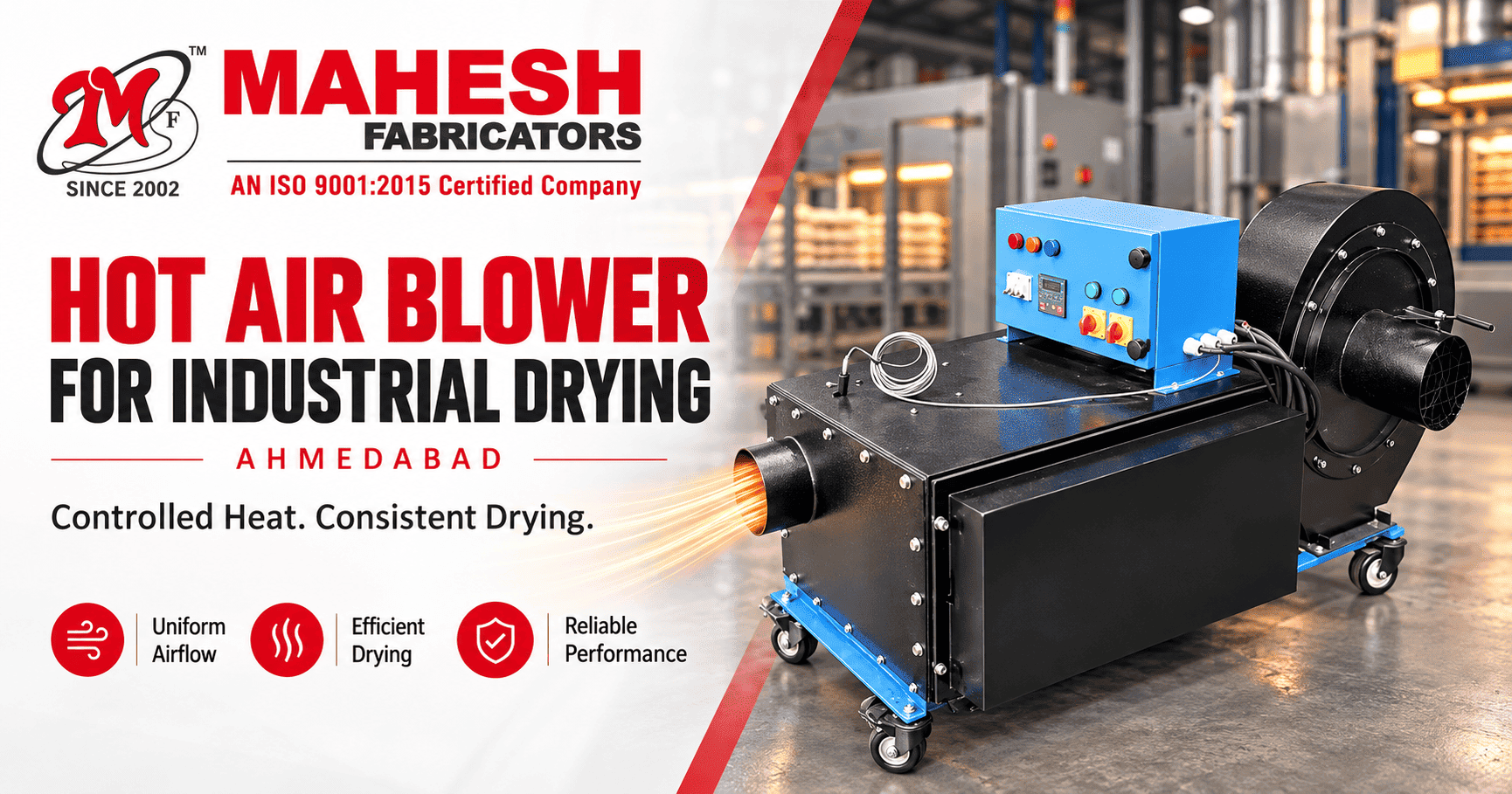
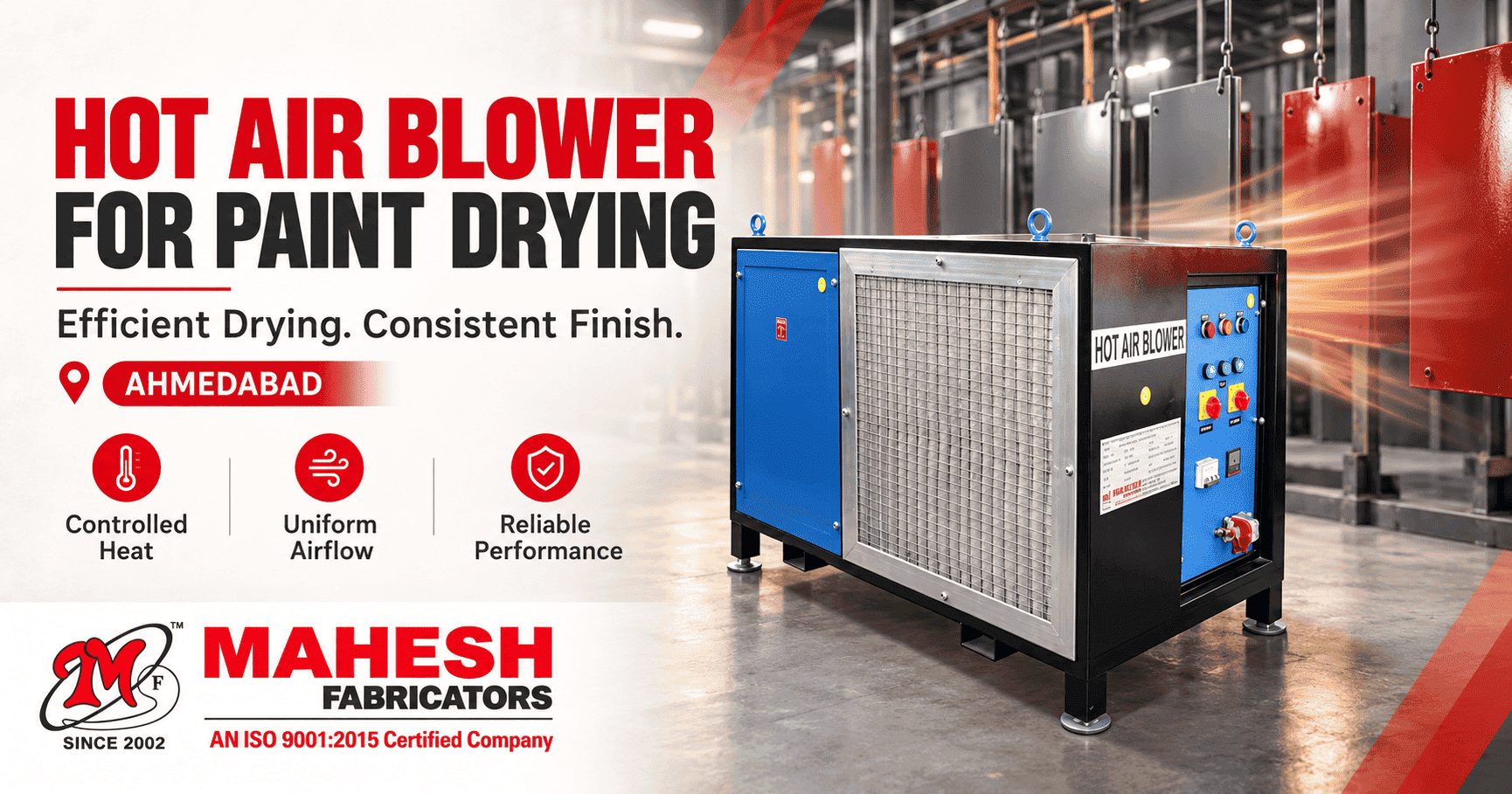
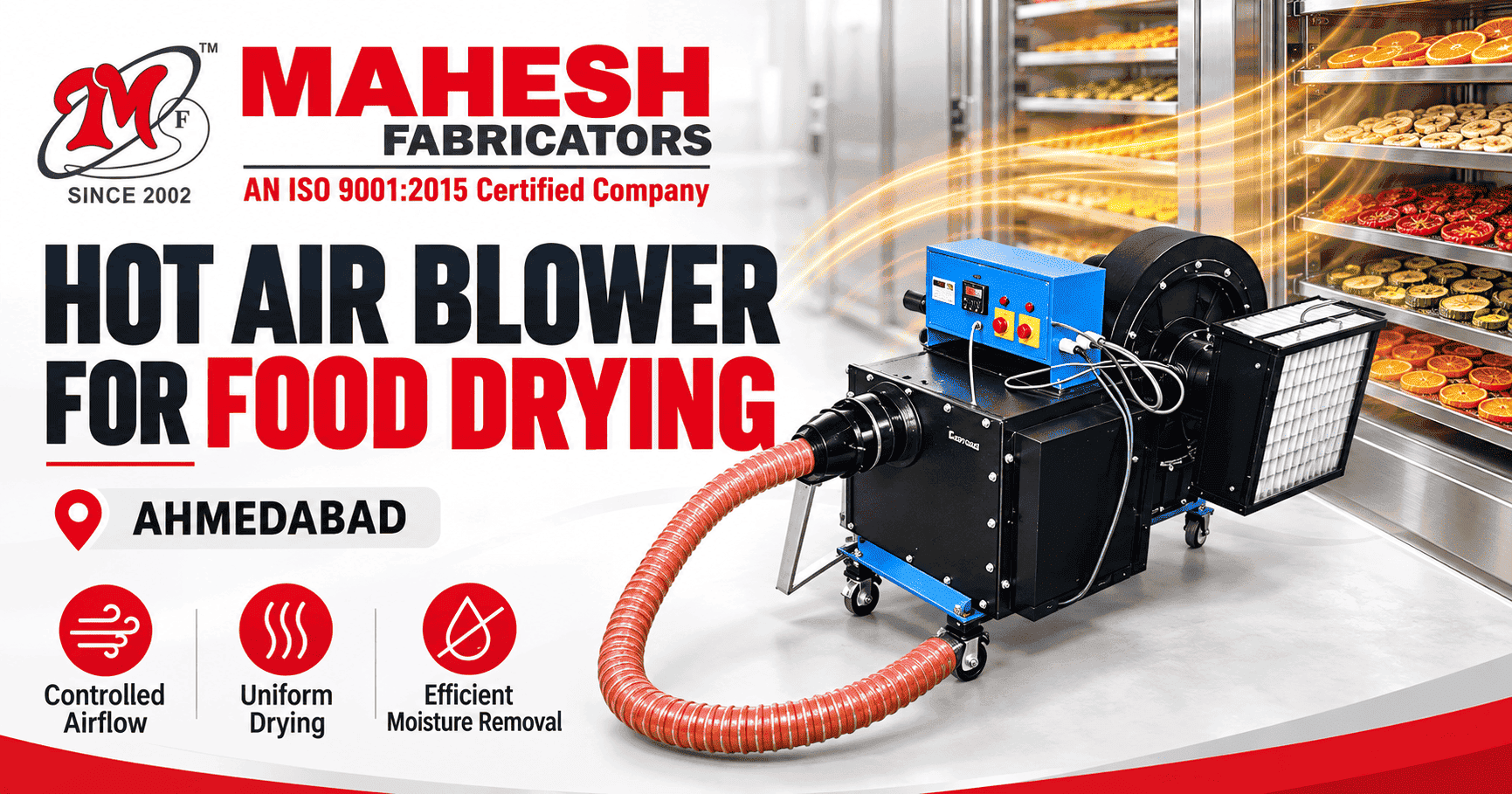
- Drying Systems: Driving air through industrial dryers for textiles, wood, paper, and food products.
- Dust Collection and Fume Extraction: Creating the necessary suction to pull airborne contaminants into dust collectors or exhaust systems in foundries, metal fabrication, and chemical plants.
- Process Ventilation: Supplying or exhausting air in chemical processing, pharmaceutical manufacturing, and plating operations where specific atmospheric conditions are required.
- Cooling Systems: Delivering high-velocity air for cooling hot materials or equipment in foundries and manufacturing lines.
- Aeration: Supplying air for aeration in wastewater treatment or aquaculture.
- Ventilation in Confined Spaces: Ensuring adequate air exchange in tunnels, mines, or large industrial enclosures.
How to Choose the Right High Pressure Industrial Blower
Selecting the correct high pressure industrial blower is a critical decision that impacts efficiency, cost, and safety. Consider these factors:
- Required Airflow (CFM/CMH): Determine the volume of air needed for your specific application.
- Required Static Pressure (inches w.g./Pa): Identify the total resistance the blower must overcome, including ductwork, filters, and process equipment.
- Temperature of the Air/Gas: Specify the operating temperature, as this influences material selection and motor requirements.
- Nature of the Air/Gas: Note if the air is clean, dusty, corrosive, abrasive, or explosive, which dictates the construction materials and safety features.
- Noise Level Requirements: Consider any site-specific noise limitations.
- Power Availability: Ensure compatibility with available electrical power supply.
- Space Constraints: Evaluate the physical dimensions and mounting options available.
- Efficiency and Energy Consumption: Look for blowers designed for high efficiency to minimize operating costs.
- Reliability and Maintenance: Assess the expected lifespan and ease of maintenance.
- Supplier Reputation and Support: Choose a manufacturer with a proven track record and strong after-sales service.
Quality Standards and Compliance
For industrial operations in Ahmedabad and beyond, adherence to quality standards and compliance is non-negotiable. High pressure industrial blowers should be manufactured in accordance with recognized industry standards. For instance, ISO 9001:2015 certification, held by Mahesh Fabricators, signifies a commitment to robust quality management systems throughout the design, manufacturing, and delivery process. Buyers should verify that the blowers meet relevant national or international standards for performance, safety, and construction, especially if handling hazardous materials or operating in regulated environments. This ensures the equipment is reliable, safe, and performs as specified.
Why Mahesh Fabricators' Experience and Capability Matters
With over 17 years of experience since its founding in 2002, Mahesh Fabricators has established a deep understanding of industrial air systems. As an ISO 9001-2015 certified company, our manufacturing processes are rigorously controlled to ensure consistent quality and performance. Our technical team possesses extensive expertise in designing and fabricating high pressure industrial blowers tailored to specific application needs. We focus on robust construction, efficient aerodynamic designs, and the selection of appropriate materials to ensure durability and reliability in demanding industrial settings.
Our capability extends to understanding the unique challenges faced by industries in Ahmedabad and Gujarat, allowing us to provide solutions that are not only effective but also cost-efficient and user-friendly. We pride ourselves on our ability to deliver products that meet stringent customer expectations, backed by a commitment to reduced maintenance and superior operational performance. This dedication to quality, experience, and customer satisfaction makes Mahesh Fabricators a trusted partner for your industrial blower requirements.
Installation, Maintenance, and Care Tips
Proper installation and regular maintenance are key to maximizing the lifespan and performance of your high pressure industrial blower.
- Installation: Ensure the blower is installed on a solid, level foundation to minimize vibration. Proper alignment of the motor and blower shaft is critical, especially for belt-driven units. Connect ductwork securely, ensuring no leaks that could reduce efficiency.
- Initial Run-In: For new installations, a brief run-in period without load may be recommended by the manufacturer to allow components to seat properly.
- Lubrication: Regularly check and replenish lubricant in bearings according to the manufacturer's schedule. Use the specified type and grade of lubricant.
- Belt Tension: For belt-driven units, periodically check and adjust belt tension. Worn or damaged belts should be replaced promptly.
- Vibration Monitoring: Pay attention to any unusual vibrations or noises, which can indicate bearing wear, imbalance, or misalignment.
- Cleaning: Keep the blower housing, impeller, and surrounding area clean to prevent dust buildup, which can affect performance and lead to overheating.
- Performance Checks: Periodically monitor airflow and pressure to ensure the blower is operating within its design parameters. Any significant deviation may indicate a problem.
- Impeller Inspection: Inspect the impeller for signs of wear, erosion, or damage, especially if handling abrasive materials.
Frequently Asked Questions
Fans are designed for moving large volumes of air at low pressure. Blowers operate at higher pressures than fans, typically between 0.5 and 2.0 PSI (35 to 140 mbar), and move moderate volumes. Compressors are designed to deliver air at very high pressures, usually above 2.0 PSI, and are used for applications requiring significant force.
Sizing involves calculating the required airflow (CFM or CMH) and the total system resistance or static pressure (inches w.g. or Pa). This requires understanding your process, ductwork, and any filtration or equipment in the air path. Consulting with a blower manufacturer or engineer is highly recommended.
Yes, many high pressure industrial blowers can be designed to handle elevated temperatures. This typically involves using special materials for the impeller and casing, extended shafts, and cooling arrangements for the bearings and motor to prevent damage from heat.
Routine maintenance includes lubrication of bearings, checking belt tension (if applicable), inspecting for vibration and noise, and cleaning the unit. Periodic checks of the impeller for wear and ensuring proper airflow are also important.
Modern high pressure industrial blowers are designed with efficiency in mind. Features like optimized impeller aerodynamics and high-efficiency motors contribute to reduced energy consumption. Selecting a blower that closely matches your application's airflow and pressure requirements is crucial for optimal energy use.
ISO 9001:2015 certification indicates a strong quality management system. Depending on the application, other certifications related to safety (e.g., ATEX for explosive atmospheres) or specific industry standards may be relevant.
Conclusion
High pressure industrial blowers are vital components for numerous industrial processes in Ahmedabad, driving efficiency, safety, and environmental compliance. Selecting the right unit involves a thorough understanding of your application's specific airflow and pressure demands, as well as considering factors like temperature, material composition, and operational environment. By partnering with an experienced and quality-certified manufacturer like Mahesh Fabricators, you gain access to reliable equipment designed for demanding industrial use. Prioritizing robust construction, efficient design, and ongoing maintenance will ensure your high pressure industrial blowers deliver consistent performance for years to come.
Get In Touch
Mahesh Fabricators