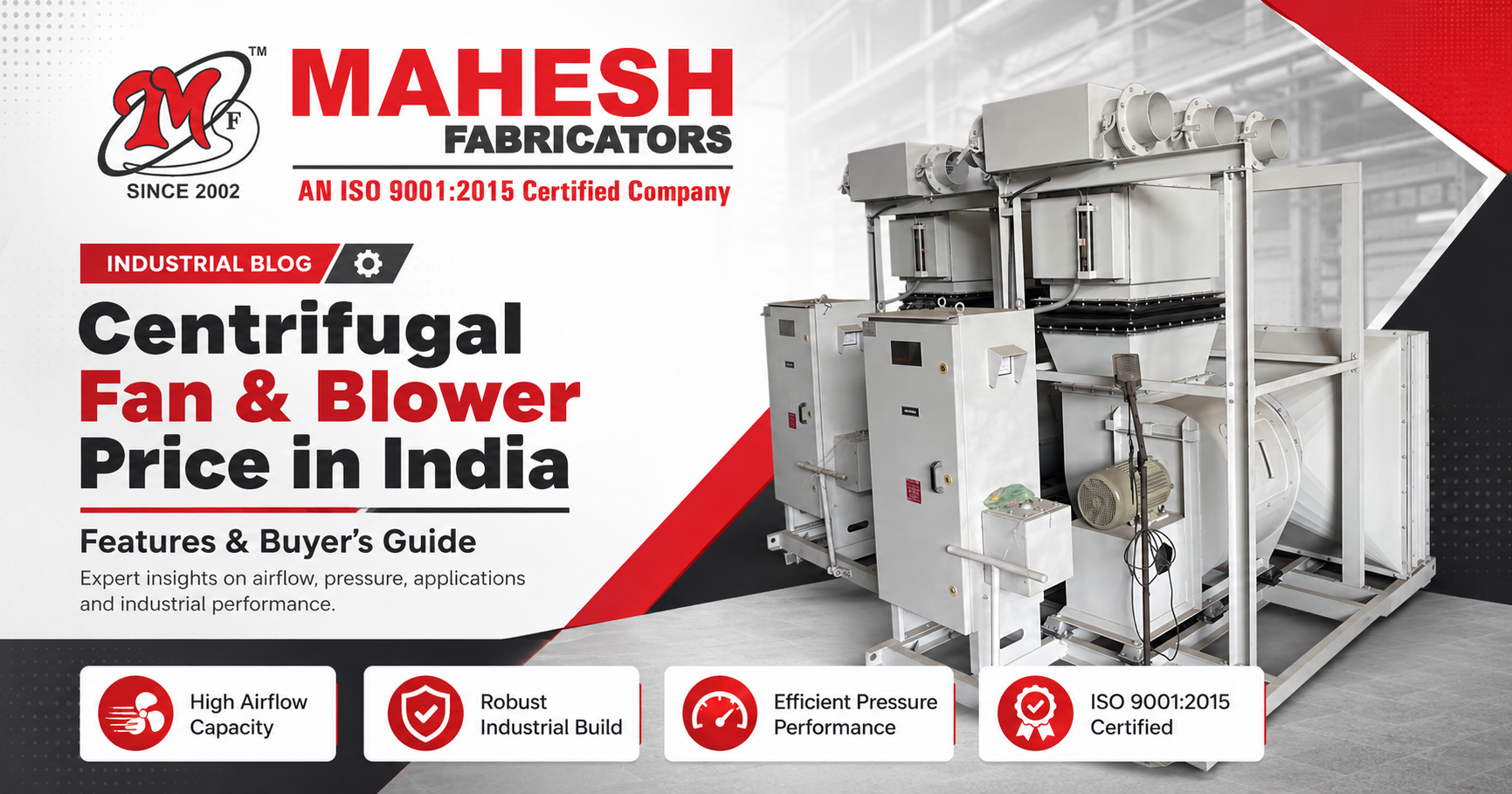
Centrifugal Fan & Blower Price in India: Features & Buyer's Guide
Expert guide to centrifugal fans & blowers in Ahmedabad. Learn features, applications, and how to choose the right unit for your industrial needs.
What is a Centrifugal Fan & Blower? An Overview
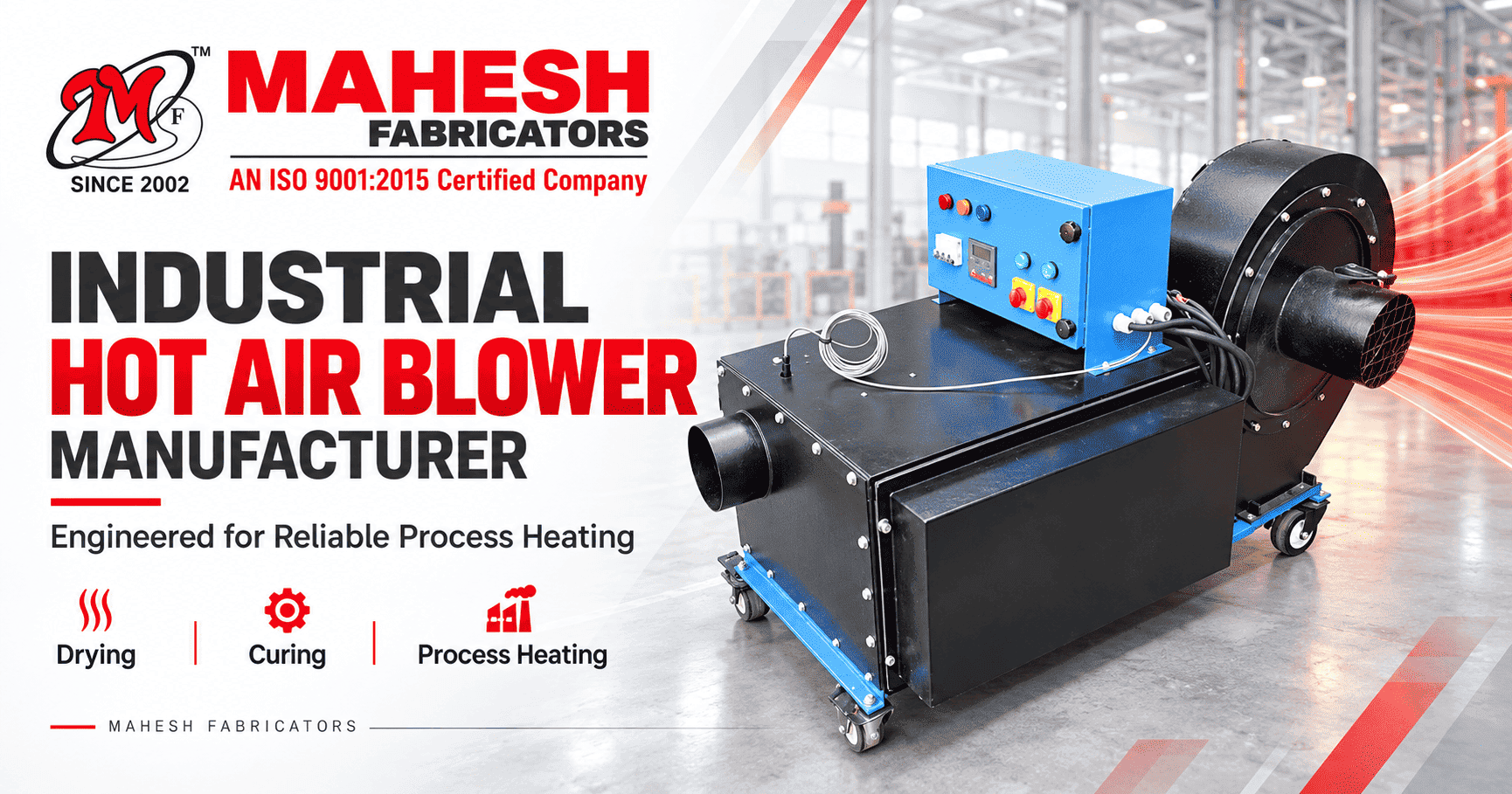
A centrifugal fan, often referred to as a blower, is a mechanical device designed to move air or other gases using rotational energy. It works by drawing air into its housing and then accelerating it outwards by means of a rotating impeller, also known as a fan wheel. This outward motion creates a pressure difference, forcing the air through an outlet. Unlike axial fans that move air parallel to the shaft, centrifugal fans move air at a 90-degree angle to the inlet. This design allows them to generate higher pressures, making them suitable for applications where air needs to be pushed or pulled through resistance, such as ductwork or filters.
Key Features and Technical Specifications
When evaluating centrifugal fans and blowers, several key features and specifications are crucial for determining suitability and performance:
- Impeller Type: Different impeller designs (e.g., forward-curved, backward-inclined, radial) are optimized for specific airflow and pressure characteristics, as well as handling particulate matter.
- Airflow Capacity (CFM/CMH): The volume of air the fan can move per unit of time, measured in Cubic Feet per Minute (CFM) or Cubic Meters per Hour (CMH).
- Static Pressure (Inches W.G./Pa): The pressure the fan can generate to overcome resistance in the system, such as ductwork, filters, or dampers.
- Motor Power (HP/kW): The electrical power required to drive the fan, directly influencing its performance and energy consumption.
- Housing Material: Typically constructed from steel, stainless steel, or FRP (Fiber Reinforced Plastic) for durability and corrosion resistance, depending on the application environment.
- Outlet Size and Configuration: Dictates how the fan integrates with existing ductwork or exhaust systems.
- Operating Temperature Range: Specifies the ambient and process air temperatures the fan can safely handle.
- Noise Level (dB): An important consideration for workplace comfort and regulatory compliance.
Industrial Applications and Use Cases
Centrifugal fans and blowers are versatile pieces of equipment, finding application across a wide spectrum of industrial processes:
- Ventilation and Air Conditioning: Providing fresh air intake and exhaust for buildings, workshops, and cleanrooms.
- Material Handling: Conveying lightweight bulk materials like grains, sawdust, or plastic pellets using air streams.
- Dust Collection Systems: Powering dust collectors and baghouses to remove particulate matter from the air in manufacturing environments.
- Combustion Air Supply: Delivering precise amounts of air to furnaces, boilers, and kilns for efficient burning.
- Process Cooling: Circulating air to cool machinery, electronic components, or finished products.
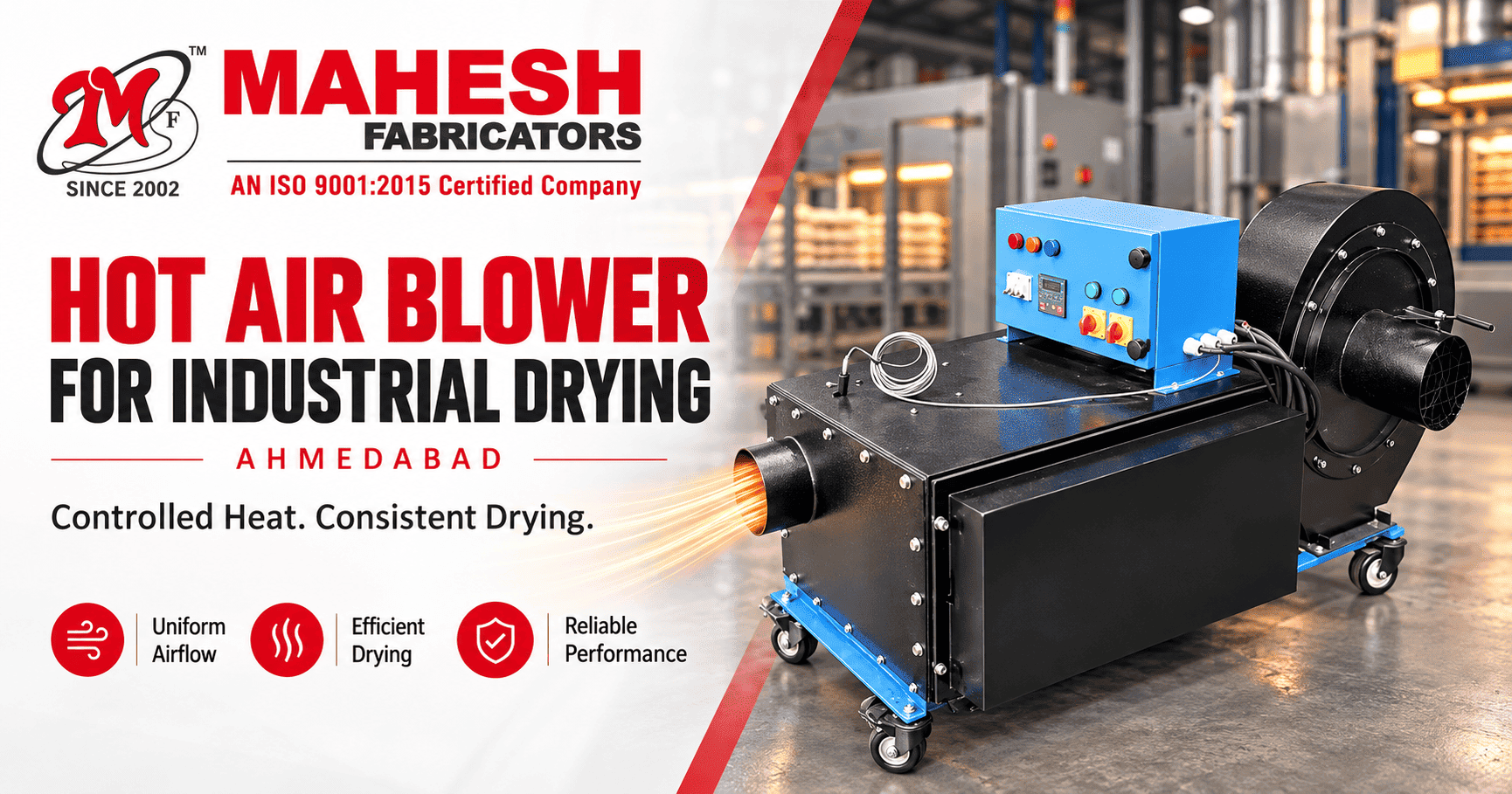
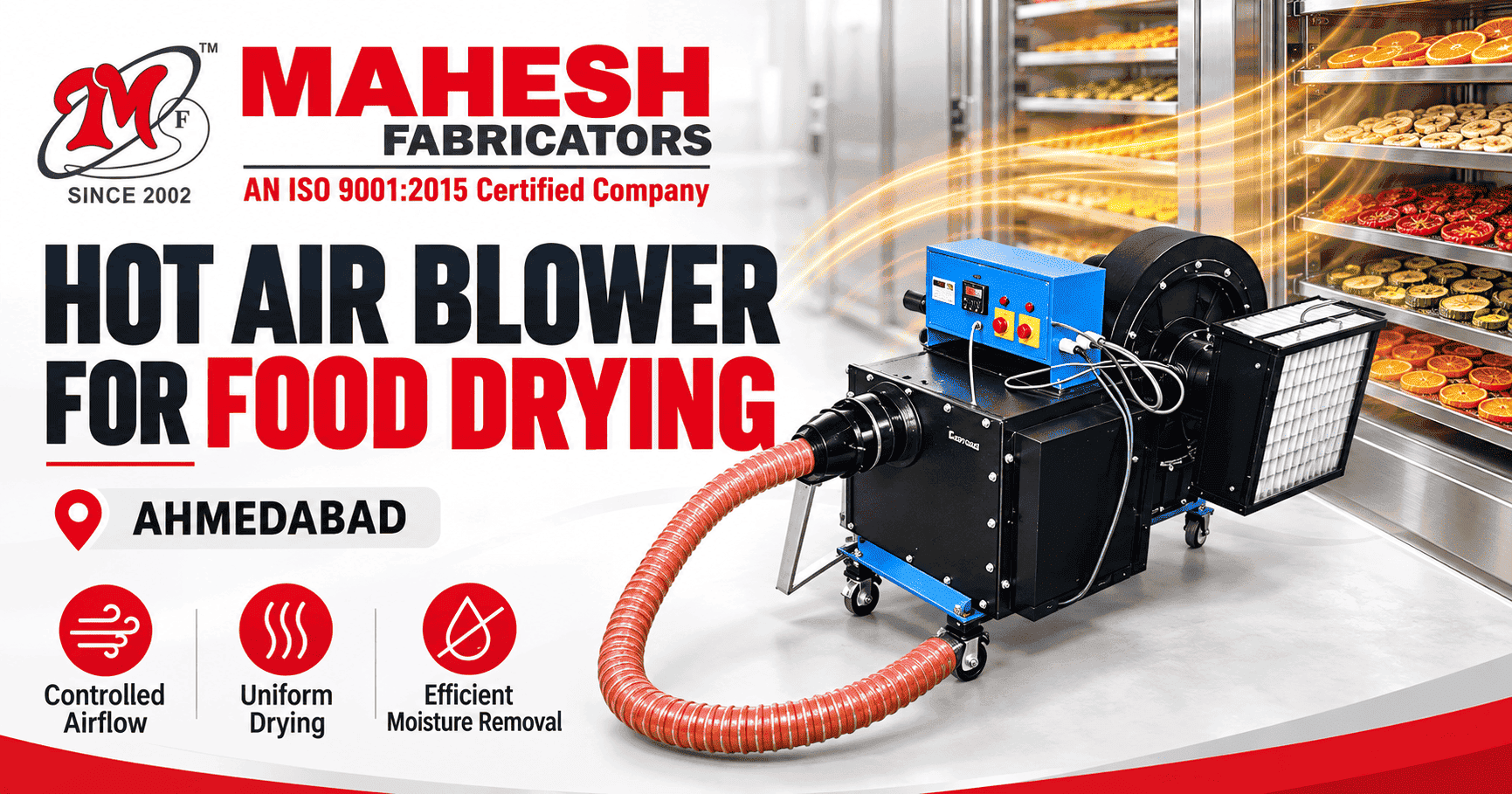
- Drying Systems: Providing heated or ambient air for industrial drying processes in industries like textiles or food processing.
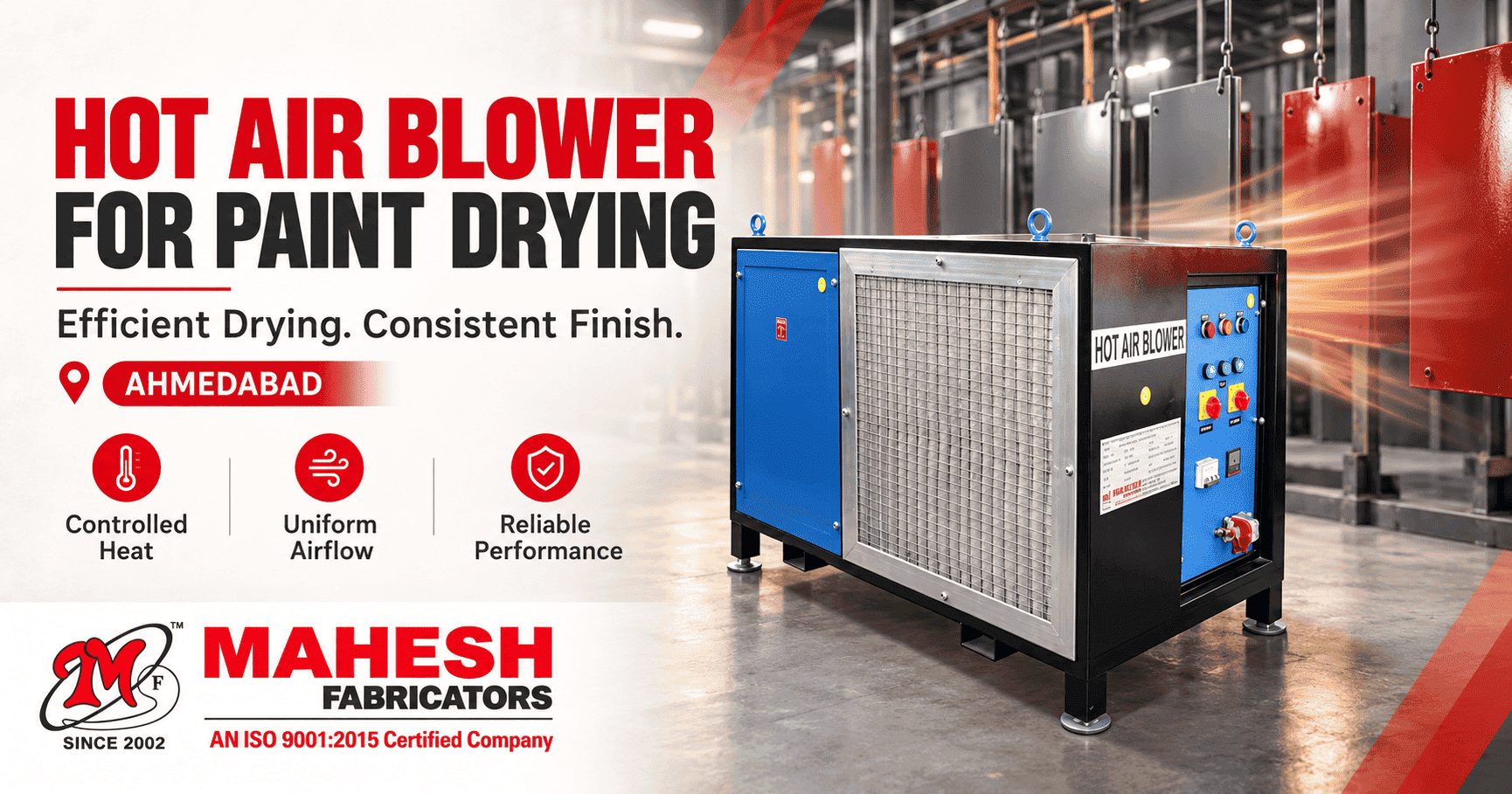
- Fume Extraction: Removing hazardous or unpleasant fumes from chemical processing, welding, or painting operations.
- HVLS (High Volume, Low Speed) Fans: Large-diameter centrifugal fans used for destratification and air circulation in large spaces like warehouses.
How to Choose the Right Centrifugal Fan & Blower
Selecting the appropriate centrifugal fan or blower involves careful consideration of your specific operational needs. Use this checklist to guide your decision:
- Define Airflow and Pressure Requirements: Accurately calculate the volume of air (CFM/CMH) and the static pressure (Inches W.G./Pa) needed for your application. This is the most critical step.
- Identify the Gas/Air Stream Characteristics: Note the temperature, presence of dust, moisture, corrosive elements, or other contaminants in the air being moved. This impacts material selection and impeller type.
- Consider Space and Mounting Constraints: Determine the available space for installation and whether the fan needs to be floor-mounted, wall-mounted, or roof-mounted.
- Evaluate Motor Efficiency and Power: Select a motor that provides sufficient power without excessive energy consumption. Look for energy-efficient options.
- Check for Necessary Certifications: Ensure the fan meets relevant industry standards and safety certifications for your specific application and location.
- Assess Noise Level Requirements: If operating in an environment with strict noise regulations or for worker comfort, consider models with lower decibel ratings or noise reduction accessories.
- Determine Required Durability and Material: Choose housing and impeller materials that can withstand the operating environment, especially if dealing with corrosive substances or high temperatures.
- Evaluate Supplier Support and Service: Look for a manufacturer with a proven track record, good customer support, and readily available spare parts.
Quality Standards and Compliance
For industrial applications, especially in a manufacturing hub like Ahmedabad, adhering to quality standards and compliance is non-negotiable. Manufacturers like Mahesh Fabricators, an ISO 9001-2015 certified company, demonstrate a commitment to quality management systems. Buyers should look for equipment that complies with relevant Indian Standards (IS) or international standards like ISO, IEC, or specific industry standards applicable to their sector. Verification of material quality, welding procedures, motor certifications, and performance testing data ensures the equipment will operate safely, efficiently, and reliably, meeting regulatory requirements and providing long-term value.
Why Mahesh Fabricators' Experience and Capability Matters
With over 17 years of experience in manufacturing industrial air systems, Mahesh Fabricators brings a depth of practical knowledge to the table. Founded in 2002, the company has built its reputation on understanding the intricate air movement needs of diverse industries. Their ISO 9001-2015 certification signifies a structured approach to quality control throughout the manufacturing process, from design and material selection to fabrication and final testing. This commitment ensures that each centrifugal fan and blower leaving their facility is built to precise specifications and engineered for robust performance.
Their capability extends to designing and developing solutions tailored to specific customer expectations, often incorporating features for reduced maintenance and user-friendly operation. This hands-on experience allows them to offer not just standard products but also customized solutions that address unique industrial challenges faced by businesses in Ahmedabad and beyond. The company’s focus on efficient and superior performance, coupled with a dedication to customer satisfaction, makes them a reliable partner for industrial air system requirements.
Installation, Maintenance, and Care Tips
Proper installation and regular maintenance are key to maximizing the lifespan and performance of your centrifugal fan and blower.
- Installation: Ensure the fan is installed on a solid, level foundation to minimize vibration. Connect ductwork securely to prevent air leaks. Verify that the motor rotation direction matches the fan's requirements. Electrical connections should be made by a qualified electrician according to local codes.
- Routine Checks: Regularly inspect the fan for any signs of wear, loose bolts, or unusual noises. Check the drive belt tension (if applicable) and condition.
- Lubrication: Follow the manufacturer's lubrication schedule for bearings. Over-lubrication or under-lubrication can lead to premature failure.
- Cleaning: Periodically clean the impeller and housing to remove accumulated dust or debris, which can unbalance the fan and reduce efficiency. Use appropriate cleaning agents based on the material being handled.
- Vibration Analysis: For critical applications, consider periodic vibration analysis to detect potential bearing issues or imbalance before they cause significant damage.
- Performance Monitoring: Keep an eye on the fan's performance metrics, such as amperage draw and airflow, to detect any deviations that might indicate a problem.
Frequently Asked Questions
The primary function of a centrifugal fan is to move air or gas by imparting rotational energy to it, creating a pressure difference that drives airflow. They are essential for applications requiring higher pressure, such as pushing air through ductwork, filters, or material handling systems.
A centrifugal fan moves air at a 90-degree angle to the shaft, generating higher static pressure, making it suitable for overcoming resistance. An axial fan moves air parallel to the shaft, typically for high-volume, low-pressure applications like general ventilation.
The choice of impeller type depends on the specific application. Forward-curved impellers are good for low-speed, low-volume needs; backward-inclined impellers offer high efficiency and are suitable for clean air; and radial impellers are robust for handling particulate-laden air or high pressures.
To ensure energy efficiency, select a fan with a high-efficiency impeller design, a properly sized motor (often with an inverter duty rating), and ensure the fan operates at its peak efficiency point for your specific airflow and pressure requirements. Regular maintenance also contributes to sustained efficiency.
Common materials include mild steel for general applications, stainless steel for corrosive environments or high temperatures, and FRP (Fiber Reinforced Plastic) for highly corrosive chemical applications. The choice depends on the nature of the air stream and operating conditions.
ISO 9001-2015 certification indicates that a manufacturer has implemented a robust quality management system. This means they have standardized processes for design, production, quality control, and customer service, ensuring consistent product quality and reliability.
Conclusion
For industries in Ahmedabad, selecting the right centrifugal fan and blower is a strategic decision that impacts operational efficiency, safety, and cost-effectiveness. Understanding the technical specifications, application suitability, and quality standards is crucial. Mahesh Fabricators, with their extensive experience and ISO 9001-2015 certification, offers a strong foundation of expertise and reliability. By carefully considering your specific airflow and pressure needs, the characteristics of the air stream, and the importance of robust construction and support, you can identify a solution that will serve your industrial processes effectively for years to come.
Get In Touch
Mahesh Fabricators