axial hot air fan supplier Gujarat
Discover reliable axial hot air fan suppliers in Gujarat for industrial heating, drying, and curing. Understand features, applications, and selection criteria.
Why This Matters in Gujarat
Gujarat stands as a significant industrial powerhouse in India, home to diverse sectors such as textiles, pharmaceuticals, ceramics, chemicals, and food processing. Each of these industries relies heavily on controlled heating processes for various stages of manufacturing. The demand for robust, energy-efficient, and precisely engineered axial hot air fans is consistently high, driven by the need to enhance productivity, reduce energy consumption, and meet stringent quality standards within the state's competitive industrial landscape.
What Is an Axial Hot Air Fan — Overview
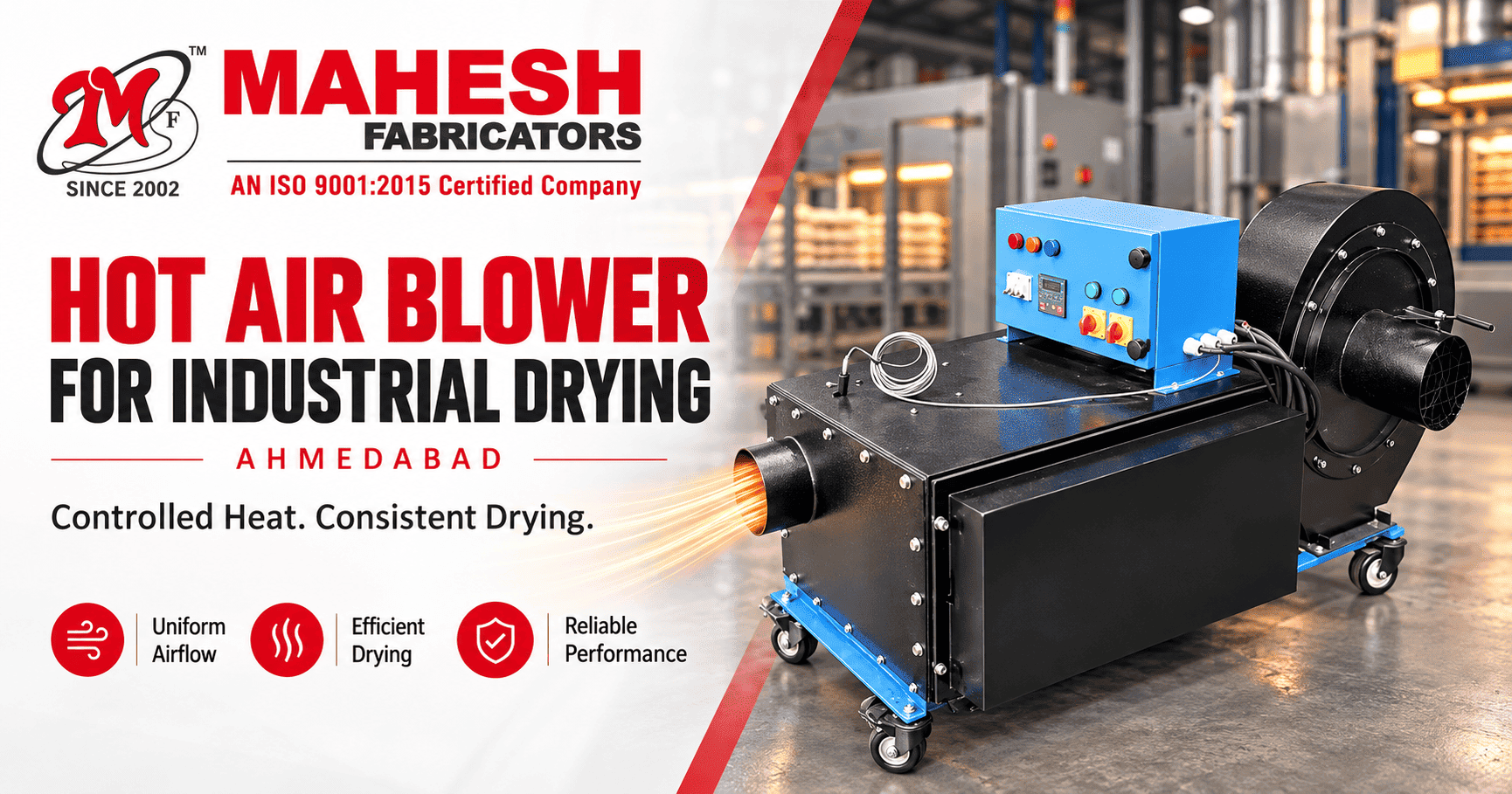
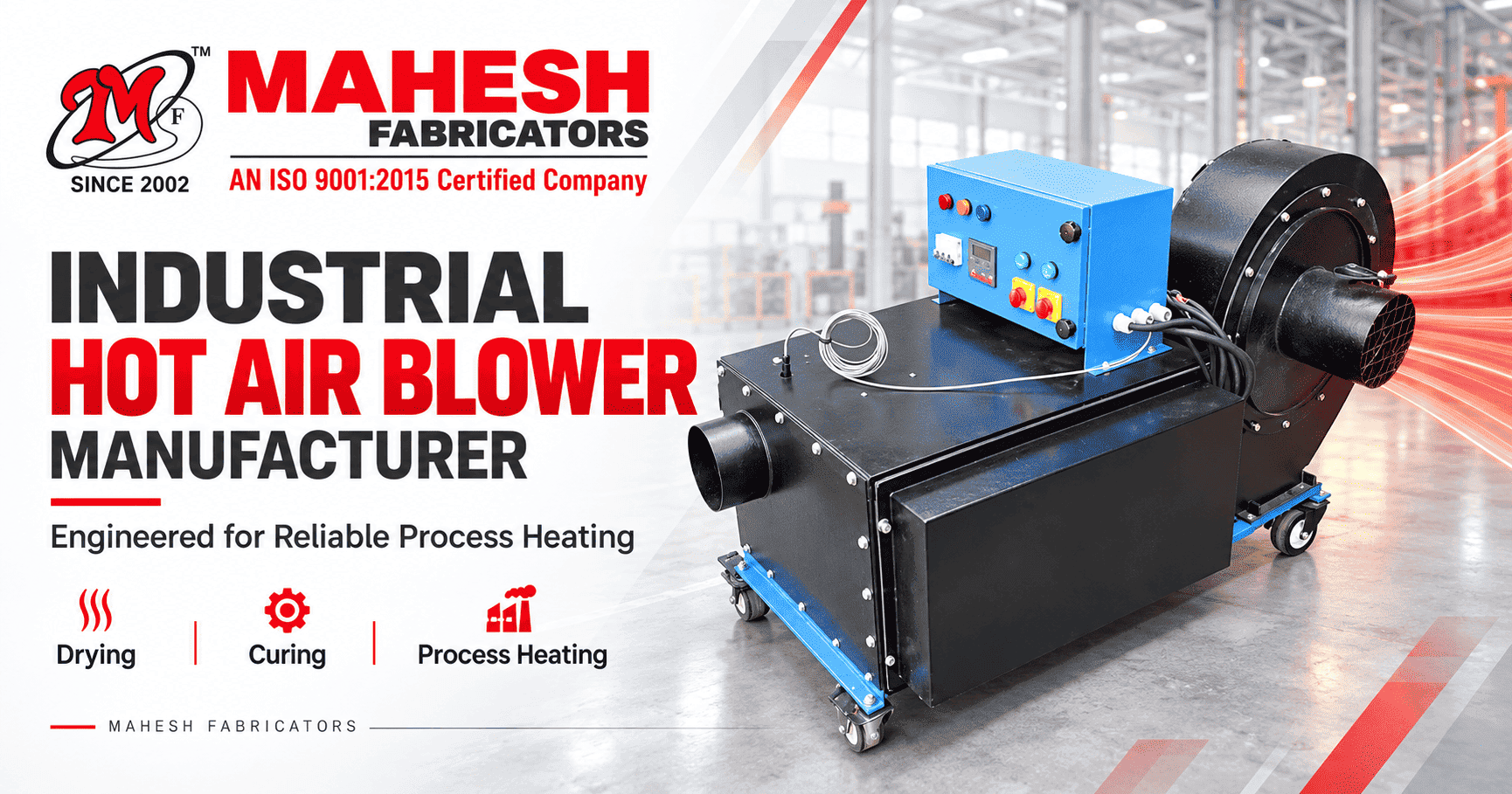
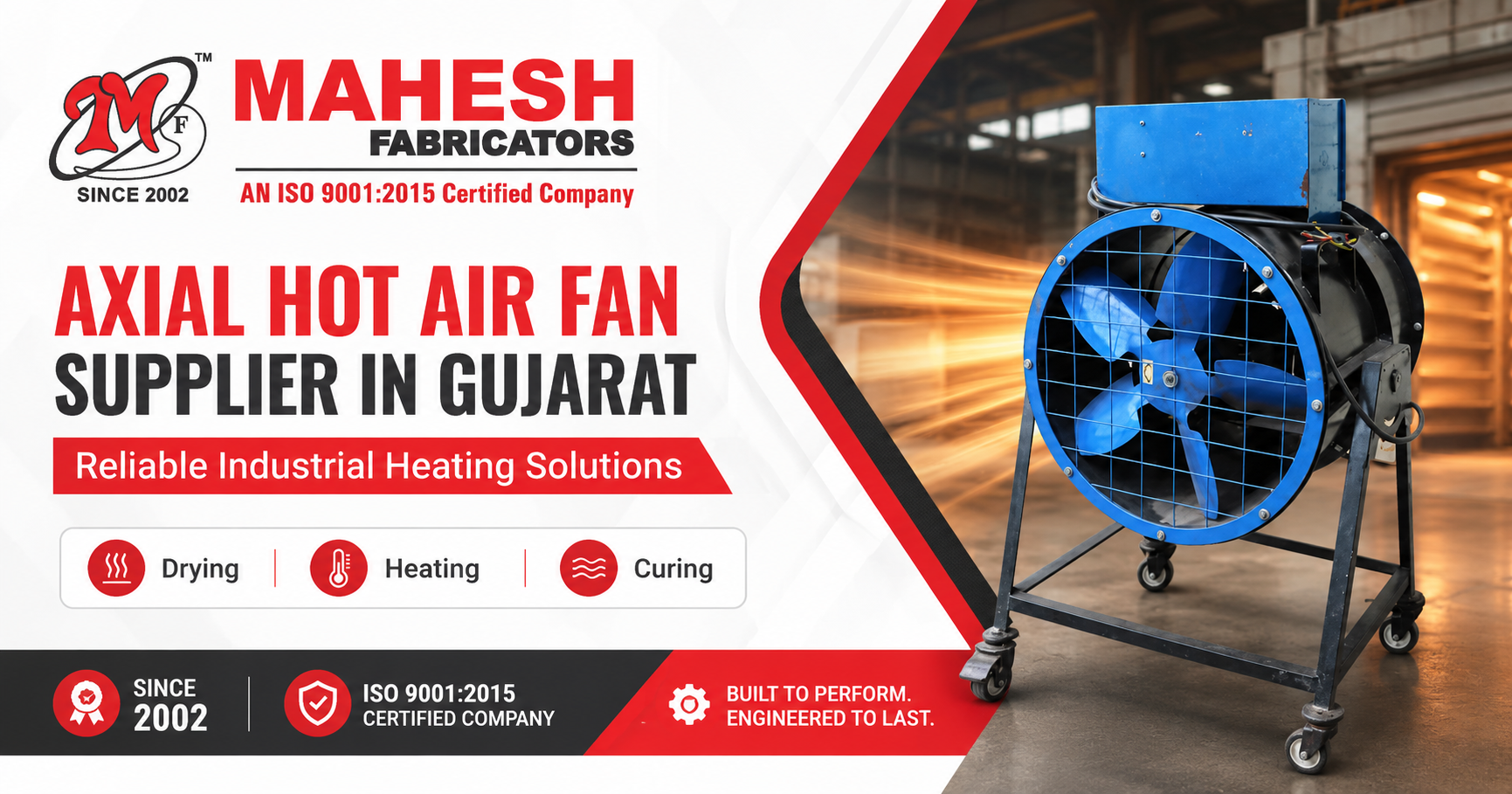
An axial hot air fan is a type of industrial fan designed to move heated air in a direction parallel to the fan's shaft. Unlike centrifugal fans, which create pressure and direct air radially, axial fans are optimized for high airflow volumes at lower static pressures. These systems typically integrate a heating element, such as electric coils or a heat exchanger, with an axial impeller. The fan draws in ambient air, passes it over the heating element, and then propels the hot air into a designated space or process, making them suitable for applications requiring uniform heat distribution over a large area.
Key Features and Technical Specifications
- High-Temperature Resistance: Designed with materials capable of withstanding continuous operation at elevated temperatures, often up to 250°C or higher.
- Robust Impeller Design: Aerodynamically balanced blades ensure efficient airflow and minimize vibration, constructed from durable alloys.
- Integrated Heating Elements: Options for electric, steam, or thermal fluid coils, precisely controlled for desired air temperature.
- Energy-Efficient Motors: Equipped with industrial-grade motors that provide consistent performance while optimizing power consumption.
- Corrosion-Resistant Construction: Housings and components often feature protective coatings or stainless steel for longevity in challenging environments.
- Variable Airflow Control: Capability for speed regulation to adjust air volume and temperature output according to process requirements.
- Thermal Insulation: External casing is typically insulated to minimize heat loss and improve operational safety.
Industrial Applications and Use Cases
- Textile Industry: Used for drying fabrics, yarns, and garments after washing, dyeing, or printing processes.
- Pharmaceutical Manufacturing: Essential for drying granules, powders, and coated tablets in controlled environments.
- Ceramic and Tile Production: Facilitates the drying of greenware and tiles before firing, preventing cracks and defects.
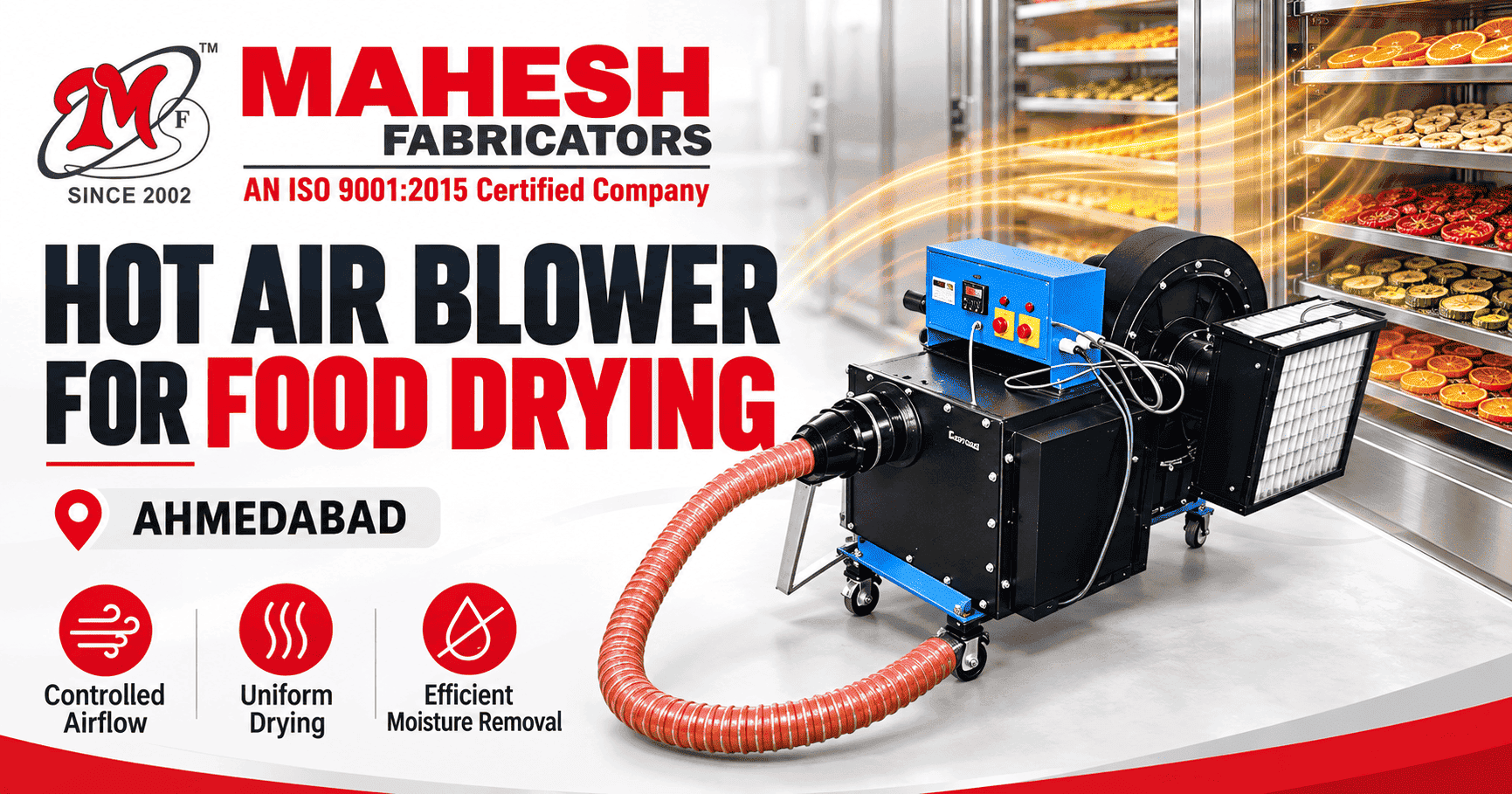
- Food Processing: Employed in dehydrating fruits, vegetables, and other food products, as well as for baking and roasting.
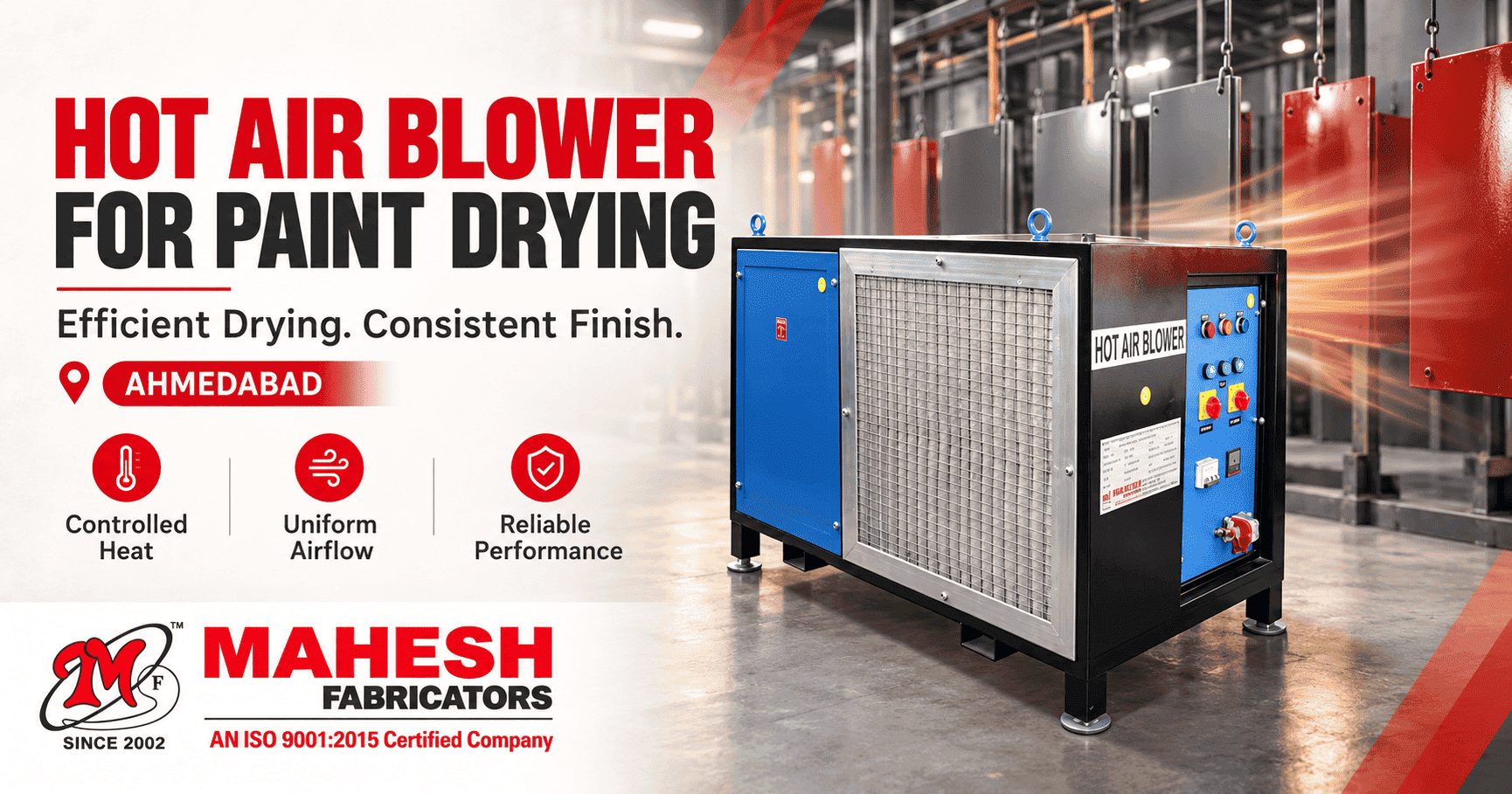
- Paint and Coating Curing: Accelerates the drying and curing of industrial paints, lacquers, and powder coatings on various surfaces.
- Wood and Laminate Drying: Aids in moisture removal from timber, veneers, and laminated products to prevent warping and improve stability.
- Furnace Preheating: Provides preheated air to industrial furnaces and ovens, improving combustion efficiency and reducing warm-up times.
- Plastic Processing: Used for preheating plastic pellets or drying plastic components after washing.
How to Choose the Right Axial Hot Air Fan
Selecting the appropriate axial hot air fan involves a careful assessment of your specific industrial requirements. Consider these critical factors to ensure the system integrates seamlessly and performs effectively:
- Required Airflow and Pressure: Match the fan's capacity (Cubic Meters per Hour - CMH) and static pressure capabilities to your process volume and system resistance.
- Operating Temperature Range: Verify the fan and heating element can consistently achieve and maintain the necessary air temperature for your application.
- Material Compatibility: Ensure the fan's construction materials are resistant to any corrosive elements present in your process air stream.
- Energy Efficiency: Look for fans with high-efficiency motors and optimized heating systems to minimize operational costs.
- Safety Features: Prioritize systems with thermal overload protection, emergency shut-offs, and robust guarding.
- Certifications and Standards: Confirm the fan complies with relevant industrial safety and quality standards, such as ISO.
- Supplier Experience and Support: Evaluate the manufacturer's track record, technical expertise, and availability of after-sales service and spare parts.
- Customization Options: Determine if the supplier can tailor the fan's design, size, or heating capacity to fit unique space constraints or process demands.
Quality Standards and Compliance
Adherence to stringent quality standards is non-negotiable when sourcing industrial equipment like axial hot air fans. Buyers should always verify that a supplier’s products meet relevant national and international benchmarks. This includes certifications such as ISO 9001-2015, which signifies a commitment to quality management systems throughout design, manufacturing, and service. Additionally, compliance with specific industry standards for electrical safety (e.g., IEC), material specifications, and performance testing ensures the fan operates reliably, safely, and efficiently in demanding industrial environments.
Why Company Experience and Capability Matters
The long-term performance and reliability of an axial hot air fan system are directly linked to the experience and technical capability of its manufacturer. A company with a proven history, like Mahesh Fabricators, founded in 2002, brings over two decades of specialized knowledge in industrial air systems. This extensive experience translates into a deep understanding of manufacturing processes, enabling the production of robust and efficient equipment. An ISO 9001-2015 certification further underscores a commitment to consistent quality control, from material selection to final assembly. Such a manufacturer possesses the technical team to design customized solutions, ensuring the fan integrates perfectly with specific industrial setups, and provides reliable delivery and essential after-sales support.
Installation, Maintenance and Care Tips
Proper installation and regular maintenance are crucial for maximizing the lifespan and efficiency of your axial hot air fan.
Installation
Ensure the fan is mounted on a stable, level surface with adequate vibration isolation.
Provide sufficient clearance around the fan for proper airflow and future maintenance access.
Connect electrical wiring according to local codes and manufacturer specifications, ensuring correct voltage and grounding.
Verify that ductwork connections are airtight to prevent heat loss and maintain system efficiency.
Maintenance
- Regular Cleaning: Periodically clean fan blades, heating elements, and protective screens to prevent dust and debris buildup, which can reduce efficiency and cause overheating.
- Bearing Lubrication: Follow the manufacturer's guidelines for lubricating motor and fan bearings to ensure smooth operation and prevent premature wear.
- Electrical Checks: Inspect all electrical connections, wiring, and control panels for signs of wear, corrosion, or loose connections.
- Temperature Sensor Calibration: Regularly check and calibrate temperature sensors and controls to ensure accurate heat delivery and prevent process deviations.
- Vibration Monitoring: Monitor for unusual vibrations, which could indicate impeller imbalance or bearing issues, addressing them promptly.
Frequently Asked Questions
Axial fans move air parallel to the fan's axis, excelling at high airflow volumes with lower static pressure, making them ideal for general ventilation and uniform heat distribution. Centrifugal fans, conversely, move air perpendicular to the axis, generating higher static pressure and making them more suitable for systems with significant duct resistance or targeted spot heating. The choice depends on the specific pressure and volume requirements of the hot air application.
Determining the correct capacity involves calculating the required airflow volume (CMH) and the necessary temperature rise. Factors like the volume of the space to be heated, the material being processed, desired drying or curing times, and heat loss from the system all play a role. Consulting with an experienced supplier who can perform detailed calculations based on your specific application parameters is highly recommended to ensure optimal performance.
Safety is paramount when operating hot air fans. Key considerations include ensuring proper electrical grounding, installing thermal overload protection for heating elements and motors, and incorporating emergency shut-off mechanisms. Adequate guarding around moving parts, clear warning labels, and robust insulation to prevent external surface burns are also crucial. Regular safety inspections and adherence to operational guidelines minimize risks.
Yes, axial hot air fans can often be customized to meet specific temperature requirements. Manufacturers can integrate various heating element types, adjust their power output, and incorporate precise temperature control systems, such as PID controllers. This allows for fine-tuning the air temperature to suit sensitive processes, ensuring consistent and accurate heat delivery tailored to the application's needs.
A recommended maintenance schedule typically includes daily visual checks for unusual noises or vibrations, weekly cleaning of external surfaces and filters, and monthly inspections of electrical connections and fan blades. Quarterly or semi-annual checks should involve bearing lubrication, motor performance verification, and calibration of temperature sensors. Adhering to the manufacturer's specific guidelines is essential for long-term reliability.
Yes, axial hot air fans are specifically engineered for continuous operation in high-temperature industrial environments. They are constructed using heat-resistant materials for impellers, casings, and motors, often incorporating specialized bearings and insulation. This robust design ensures durability and consistent performance even when exposed to sustained elevated temperatures, making them reliable for demanding industrial processes.
Conclusion
Choosing an axial hot air fan supplier in Gujarat requires a thorough understanding of both your operational needs and the supplier's capabilities. Focusing on factors like technical specifications, quality standards, and a manufacturer's proven experience ensures you invest in a system that delivers reliable, efficient, and consistent performance. A well-selected fan contributes significantly to process optimization, energy efficiency, and overall productivity within your industrial facility.
Get In Touch
Mahesh Fabricators