Axial Flow Fan
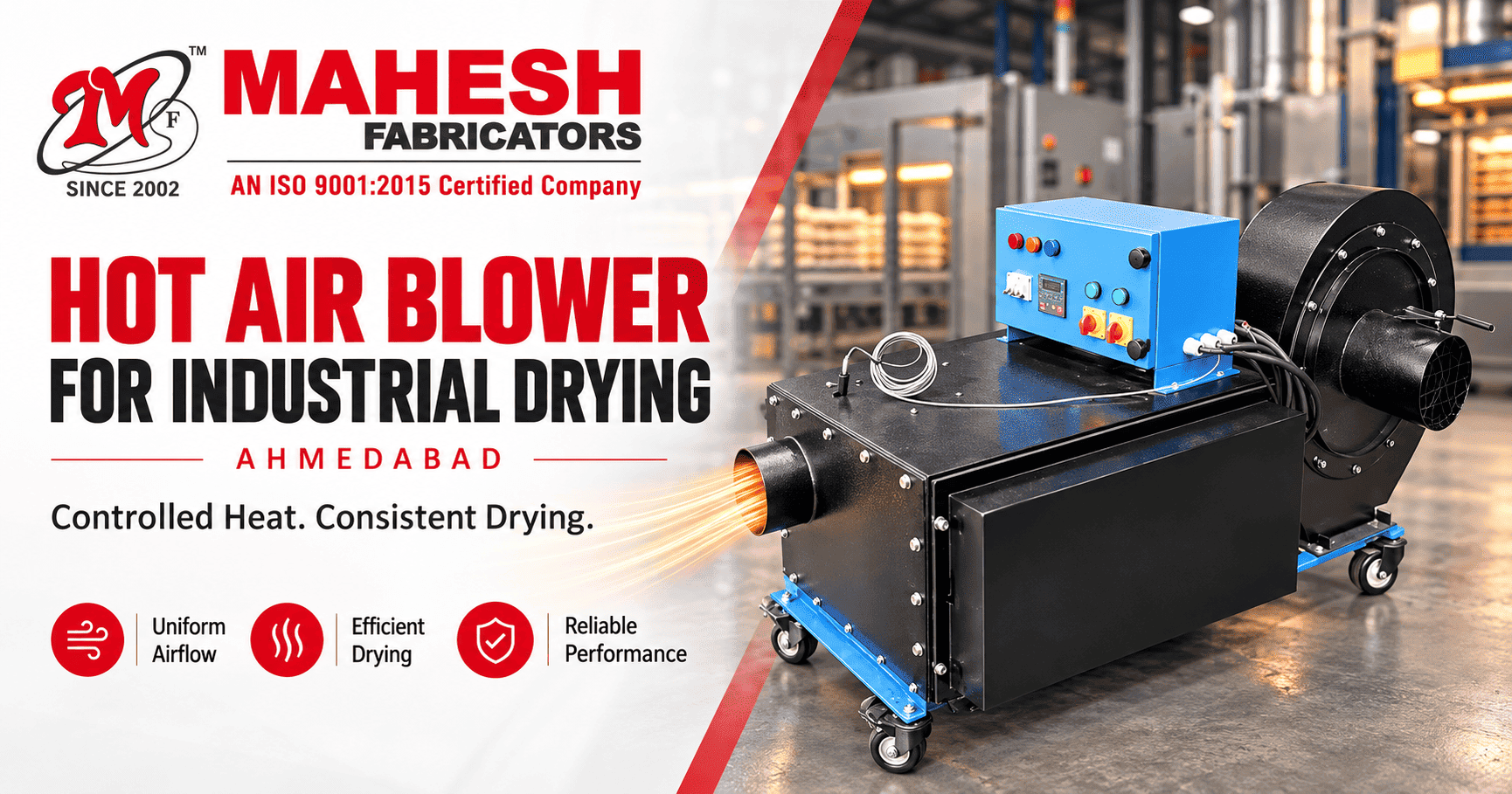
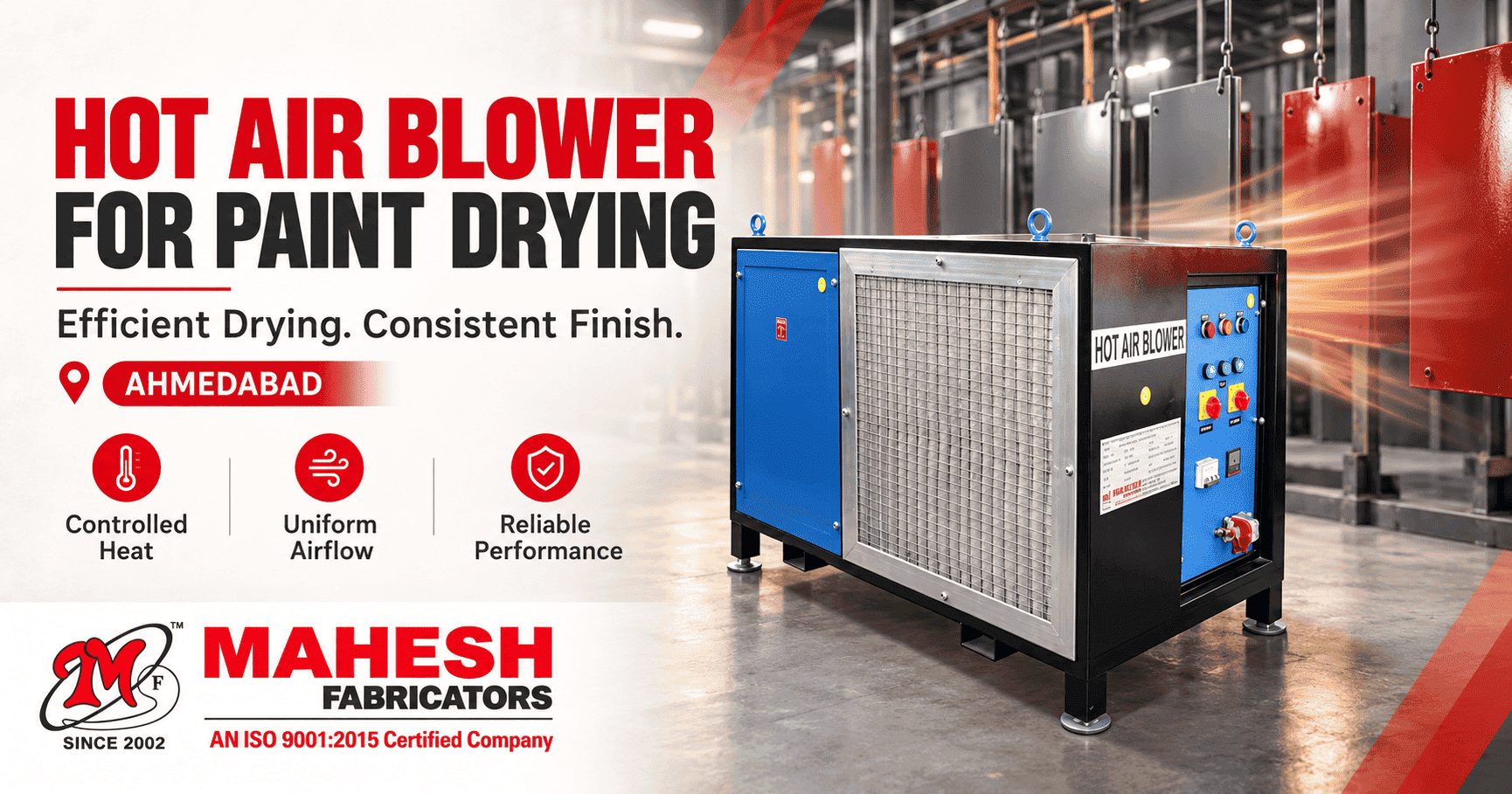
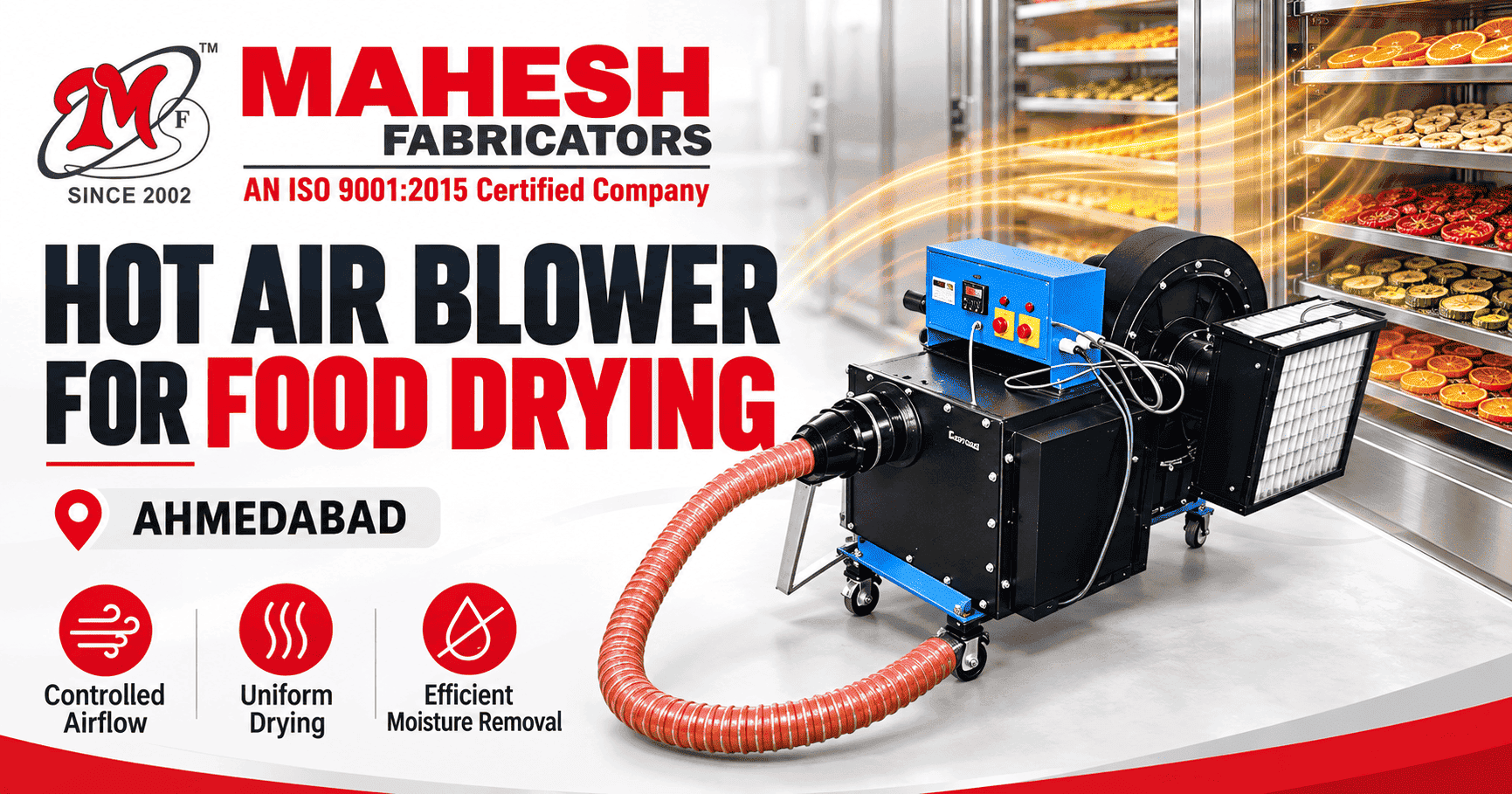
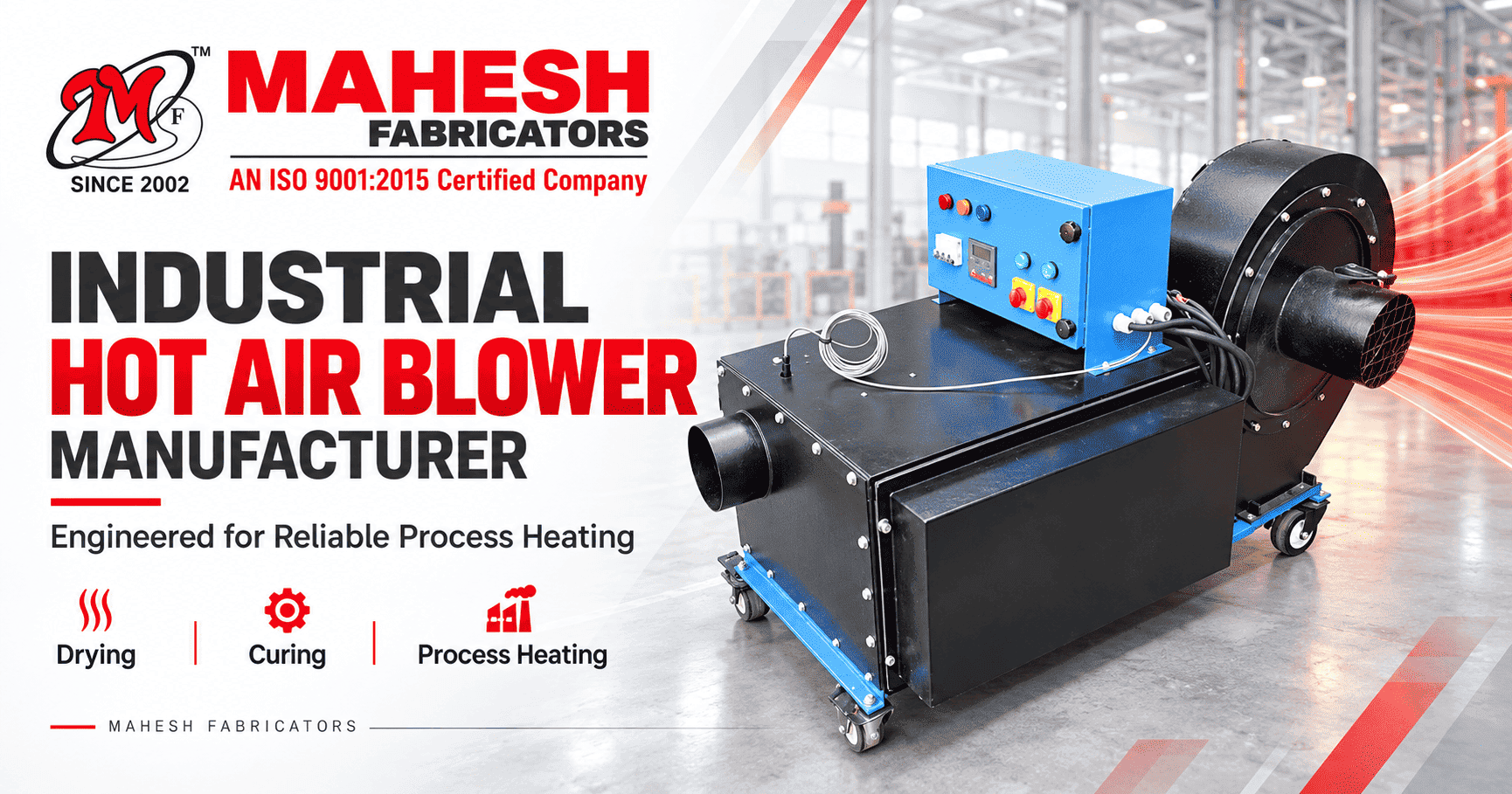
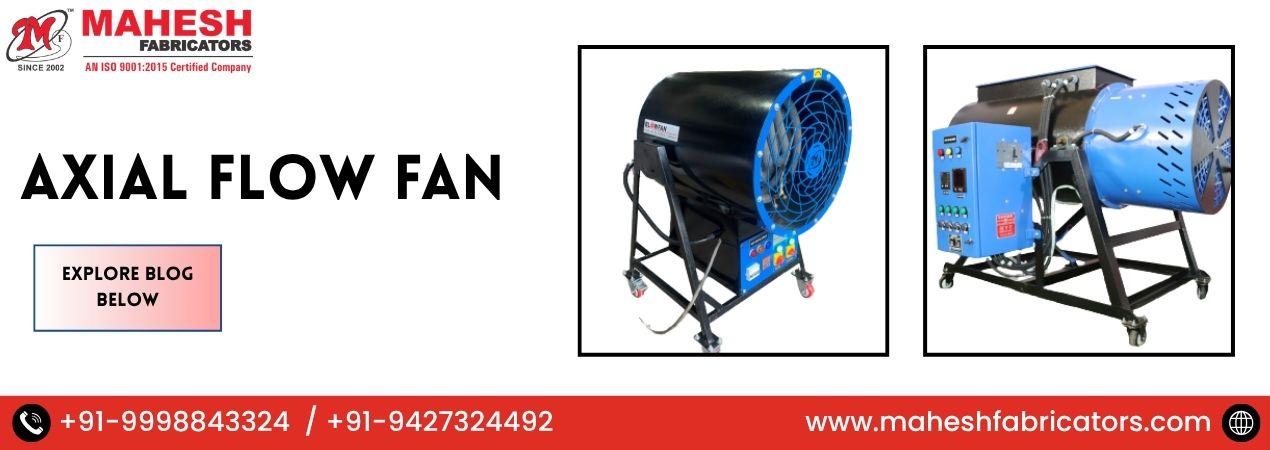
An axial flow fan is an essential industrial air movement system designed to move large volumes of air in a direction parallel to the fan shaft. In industrial hot air blower systems, axial flow fans play a critical role where controlled airflow, uniform heat distribution, and process efficiency are required. These systems are widely used in drying, heating, ventilation, and process applications where consistent hot air circulation supports productivity and operational stability.
Industrial axial flow fan systems are commonly integrated with hot air blowers for product drying, room heating, chamber heating, and process temperature control. Their design enables efficient airflow movement with relatively low pressure drop, making them suitable for continuous-duty industrial environments. Depending on process requirements, these systems can be customized for different airflow capacities, operating temperatures, and application conditions.
Axial flow fan-based hot air blowers are often preferred where a uniform heated air supply is necessary to maintain product quality, reduce moisture content, improve process consistency, and support controlled thermal operations. Their adaptability across industries makes them a practical solution for both standard and specialized heating processes.
Understanding How Axial Flow Fan Systems Work
An axial flow fan operates by drawing air through the impeller and pushing it in a straight direction along the axis of rotation. In hot air blower systems, this airflow passes through a heating arrangement where the air temperature is elevated before being distributed into the process area.
The effectiveness of these systems depends on multiple factors, including fan blade design, airflow volume, temperature range, motor efficiency, heating method, insulation quality, and process compatibility. Well-engineered systems help maintain balanced airflow patterns while supporting energy-conscious operation.
In industrial drying and heating applications, controlled airflow is often as important as temperature itself. Properly designed axial flow fan systems help ensure even heat transfer, contributing to improved product drying quality and more consistent process outcomes.
Industrial Applications of Axial Flow Fan Systems
Axial flow fan hot air blowers are used across multiple industrial sectors where heated airflow is essential for production or material processing.
Common applications include:
- Product drying operations
- Paint and coating drying systems
- Chamber and room heating
- Vegetable and food drying processes
- Rubber product drying applications
- Textile process heating
- Pharmaceutical drying support
- Chemical process air circulation
- General industrial hot air supply
Their flexibility allows adaptation to both batch and continuous process environments based on operational requirements.
Key Features Considered in Axial Flow Fan Systems
Industrial users often evaluate several technical and functional features before selecting an axial flow fan system for process use.
Important considerations include:
- High-volume airflow capability
- Controlled temperature performance
- Digital temperature monitoring support
- Mobile or floor-mounted configurations
- Custom-built designs for process compatibility
These features can influence both process performance and long-term operational reliability.
Benefits of Using Axial Flow Fan Hot Air Blowers
Axial flow fan-based systems are widely used because they offer a practical balance between airflow efficiency and process heating support.
Some commonly recognized advantages include:
- Uniform hot air distribution
- Improved drying consistency
- Reduced process heating variation
- Support for energy-conscious operation
- Flexible integration into different processes
These advantages make them suitable for industries requiring repeatable and dependable thermal performance.
Factors That Matter Before Choosing an Axial Flow Fan
Selecting the right axial flow fan solution often depends on application-specific evaluation rather than only capacity or temperature ratings. Buyers and engineers generally assess process conditions, material handling requirements, and airflow demand before implementation.
Important selection considerations may include process temperature range, required airflow volume, product type being dried or heated, duty cycle requirements, installation layout, and energy efficiency expectations.
For specialized applications, customized engineering can be important where standard configurations may not fully address process needs.
Why Customization Matters in Industrial Axial Flow Fan Design
Many industrial processes do not operate under identical conditions. Variations in heat load, material moisture, production speed, and environmental conditions often require customized blower solutions.
Customized axial flow fan systems may be designed around:
- Specific temperature ranges
- Application-based airflow requirements
- Product-sensitive drying conditions
- Space and installation limitations
- Mobility or fixed installation needs
- Process integration with existing systems
Customization often improves process suitability while supporting operational efficiency.
Maintenance Considerations for Long-Term Performance
Like any industrial equipment, the performance of an axial flow fan system depends partly on routine maintenance and proper operating practices.
Periodic inspection of impellers, airflow pathways, heating components, electrical controls, and temperature monitoring systems can support consistent performance. Clean airflow passages and proper operating conditions also help maintain efficiency.
Well-maintained systems often support reliable long-term process operation with reduced interruptions.
Frequently Asked Questions
Conclusion
Axial flow fan systems play an important role in industrial air movement and thermal processing applications. Their ability to support controlled airflow, process heating, and efficient drying makes them widely used across industries. When selected based on process requirements and supported with suitable design considerations, these systems can contribute to reliable, efficient, and consistent industrial operations.