Air Ventilation Systems
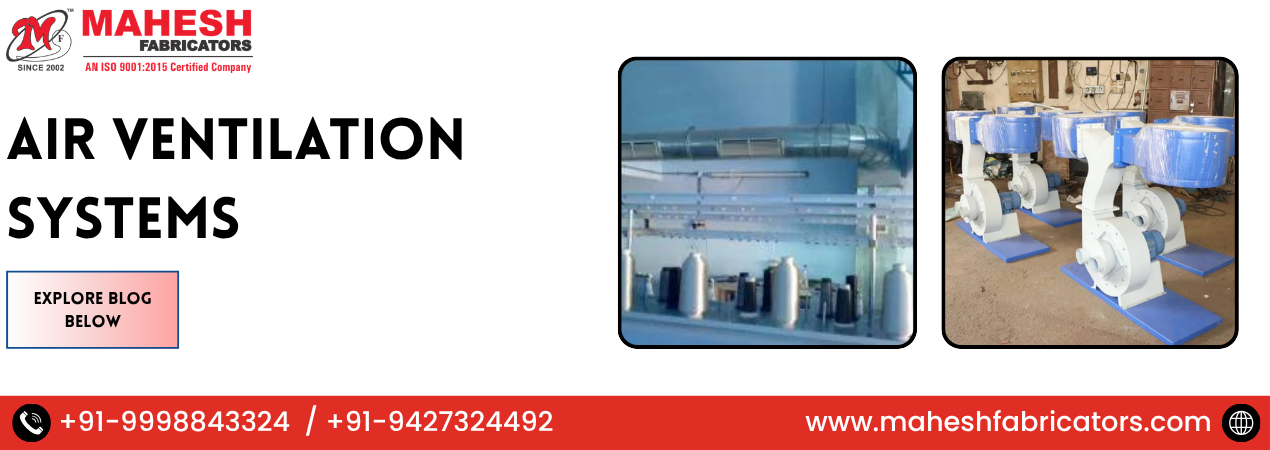
Air ventilation systems play a critical role in maintaining controlled airflow and ensuring a healthy indoor environment across industrial, commercial, and residential spaces. These systems are designed to regulate the movement of fresh air into enclosed areas while removing stale air, pollutants, and excess humidity. Proper ventilation directly influences air quality, operational efficiency, and overall environmental safety.
In modern infrastructure and industrial facilities, air ventilation systems are essential not only for comfort but also for meeting environmental and safety standards. Poor ventilation can lead to the accumulation of harmful gases, airborne particles, and moisture, which can negatively affect both human health and equipment performance. A well-designed ventilation system ensures consistent airflow, reduces contamination, and supports long-term operational reliability.
Understanding the Working of Air Ventilation Systems
Air ventilation systems operate by controlling the intake and circulation of fresh air while exhausting contaminated or stale air from indoor spaces. These systems typically function through a combination of mechanical components such as blowers, fans, ducts, and filters. By maintaining positive or balanced air pressure, they help prevent the entry of unwanted external pollutants.
The system draws in outdoor air, which is often filtered to remove dust, pollen, and other airborne particles. Depending on the application, the air may also be treated to regulate humidity levels before being distributed throughout the space. At the same time, indoor air containing contaminants is expelled, ensuring a continuous and efficient cycle of clean airflow.
Key Features of Air Ventilation Systems
Applications of Air Ventilation Systems
Importance of Indoor Air Quality in Industrial and Commercial Environments
Maintaining indoor air quality is a key requirement in both industrial and commercial settings. Air ventilation systems help reduce airborne pollutants generated from machinery, chemicals, or human activity. Without proper ventilation, these pollutants can accumulate and create unsafe working conditions.
Good air quality supports employee health, reduces the risk of respiratory issues, and improves overall productivity. In industrial environments, it also helps protect sensitive equipment from dust buildup and moisture-related damage. This makes ventilation systems a vital part of facility management and operational planning.
How to Choose the Right Air Ventilation System
Selecting the right air ventilation system requires a clear understanding of the application and environmental conditions. Different facilities demand specific system configurations based on operational requirements and air quality standards.
Choosing a system based on these factors ensures reliable performance, improved efficiency, and long-term functionality across different operational environments.
Maintenance and Operational Efficiency
Routine maintenance is essential for ensuring the long-term performance of air ventilation systems. Components such as filters, fans, and ducts should be inspected and cleaned regularly to prevent blockages and maintain optimal airflow. Neglecting maintenance can lead to reduced efficiency and higher energy consumption.
Efficient operation also depends on proper system calibration and timely replacement of worn components. Consistent maintenance helps ensure stable air quality and reduces the risk of unexpected system failures.
Future Trends in Air Ventilation Systems
With growing emphasis on environmental sustainability and energy efficiency, air ventilation systems are evolving to incorporate advanced technologies. Modern systems are designed to optimize energy consumption while maintaining high air quality standards.
Innovations such as smart controls, automated airflow management, and energy-efficient components are becoming increasingly common. These advancements help reduce operational costs while improving system performance. As industries continue to prioritize health, safety, and environmental compliance, the demand for efficient ventilation solutions is expected to increase.
Frequently Asked Questions
Conclusion
Air ventilation systems are essential for maintaining clean, safe, and controlled indoor environments across various applications. By regulating airflow, reducing pollutants, and managing humidity, these systems support better health, improved productivity, and efficient operations.
Proper design, selection, and regular maintenance ensure consistent performance and long-term reliability. These systems also contribute to environmental sustainability by optimizing energy use and maintaining balanced indoor air conditions.