Understanding the Role of Air Handling Units in HVAC Systems
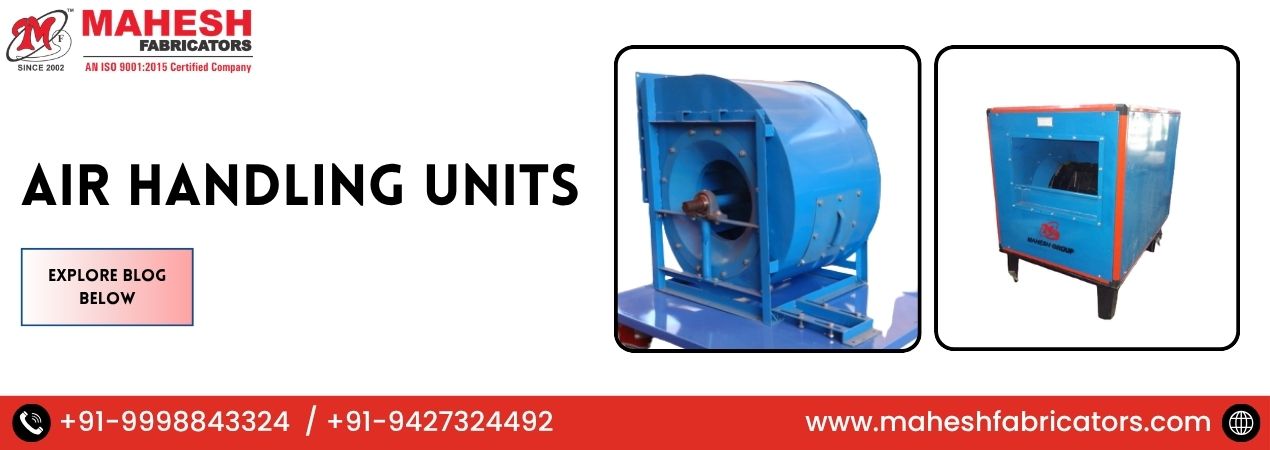
Air handling units function as the central component of HVAC systems responsible for processing and distributing air. These systems manage both fresh air intake and return air from within the building, ensuring balanced and efficient ventilation while delivering conditioned air as per operational requirements.
The working mechanism involves drawing air through ducts, passing it through filters to remove dust and contaminants, and adjusting temperature using heating or cooling elements. The conditioned air is then distributed through duct networks across different areas to maintain a stable indoor environment.
In many systems, air handling units are integrated with return air mechanisms that allow partial reuse of conditioned air while maintaining air quality standards. This approach enhances energy efficiency and reduces the overall load on the HVAC system, improving performance and operational sustainability.
Working Principle of Air Handling Units
The operation of air handling units follows a continuous cycle of air intake, conditioning, and distribution. Air is drawn into the system through intake ducts, where it first passes through filtration units that remove airborne particles and improve air quality.
After filtration, the air moves through heating or cooling coils depending on the required indoor conditions. The system adjusts temperature and humidity levels to meet operational needs before distributing the conditioned air through duct systems to different areas within the facility.
In systems that utilize return air, a portion of used air is recirculated back into the unit. This air is mixed with fresh air, filtered again, and reconditioned before redistribution. This cycle helps maintain stable indoor conditions while improving overall system efficiency.
Key Components of Air Handling Units
Air handling units consist of several essential components that work together to ensure effective air processing and circulation. Each component plays a specific role in maintaining system performance and efficiency.
These components are arranged within a structured housing that supports smooth airflow and simplifies maintenance. The design ensures that each element operates efficiently without affecting overall system performance.
Types of Air Handling Units
Air handling units are available in different configurations based on application requirements and system design. Each type is developed to meet specific operational needs, from small installations to large industrial environments.
-
Modular air handling units designed for flexible installation
-
Packaged units for compact and integrated systems
-
Custom-built units for specialized industrial applications
-
Rooftop air handling units for space-efficient installations
-
Double skin units for enhanced insulation and durability
Selecting the appropriate type depends on airflow requirements, available space, and environmental conditions. Proper selection ensures reliable performance and long-term efficiency.
Importance of Air Quality and Ventilation
Maintaining indoor air quality is a key requirement in industrial and commercial operations. Air handling units play an important role in keeping air free from contaminants, dust, and pollutants. By continuously filtering and circulating air, these systems help create a healthier and more stable working environment.
Effective ventilation also prevents the accumulation of harmful gases and excess humidity, which can negatively impact both equipment and personnel. Air handling units ensure a steady flow of fresh air while removing stale air, contributing to improved indoor conditions.
Industrial Applications of Air Handling Units
Air handling units are widely used across industries where air quality and environmental control are critical. Their adaptability allows them to meet diverse operational requirements.
In these environments, air handling units help maintain consistent conditions that support both operational efficiency and regulatory compliance.
Future Trends in Air Handling Units
Advancements in HVAC technology continue to shape the development of air handling units. Modern systems are increasingly designed with automation, improved energy efficiency, and advanced filtration capabilities.
Smart control systems enable better monitoring and management of airflow, temperature, and humidity. Enhanced filtration technologies improve air quality, making these systems more effective in demanding environments. These developments are driving the evolution of air handling units toward greater reliability and efficiency.
Frequently Asked Questions
Conclusion
Air handling units are essential components of modern HVAC systems, providing efficient air circulation, temperature control, and filtration. Their ability to maintain consistent indoor conditions makes them valuable across a wide range of industries.
By ensuring proper airflow and air quality, these systems support reliable operations and a controlled working environment. Their role in improving energy efficiency and maintaining system stability further enhances their importance in industrial and commercial applications.